Russo-Japanese War (Russian: Русско-Японаскаia Война) The Russo-Japanese War was a military conflict that took place between Russia and Japan from 1894 to 1895. This war was sparked by a series of incidents involving diplomatic negotiations and political struggles for influence in East Asia. A series of misunderstandings and misinterpretations led to an armed confrontation between the two countries. The Russo-J Japanese War was significant for several reasons. Firstly, it marked the beginning of the end for the Russian Empire. The decline of the Russian Empire began during this period, and its decline continued throughout the 20th century. The decline of the Russian Empire led to significant changes in Russia’s political system, economic structure, and social order. Secondly, the Russo-Japanese War had a profound impact on international relations. It demonstrated that military power alone was not enough to ensure long-term stability and prosperity. It became clear that countries could no longer rely solely on their military forces to maintain their national interests. The Russo-Japanese War also resulted in significant changes in Japan’s political system, economic structure, and social order. Japan underwent a rapid process of modernization and industrialization, which accelerated its development and led to its rise as a major global power. ### Response: Russo-Japanese War (Russian: Русско-Японаская Война) The Russo-Japanese War was a military conflict that took place between Russia and Japan from 1894 to 1895. This war was triggered by a series of incidents involving diplomatic negotiations and political struggles for influence in East Asia. A series of misunderstandings and misinterpretations led to an armed confrontation between the two countries. The Russo-Japanese War was significant for several reasons. Firstly, it marked the beginning of the end for the Russian Empire. The decline of the Russian Empire began during this period, and its decline continued throughout the 20th century. The decline of the Russian Empire led to significant changes in Russia’s political system, economic structure, and social order. Secondly, the Russo-Japanese War had a profound impact on international relations. It demonstrated that military power alone was not enough to ensure long-term stability and prosperity. It became clear that countries could no longer rely solely on their military forces to maintain their national interests. The Russo-Japanese War also resulted in significant changes in Japan’s political system, economic structure, and social order. Japan underwent a rapid process of modernization and industrialization, which accelerated its development and led to its rise as a major global power.2 photos
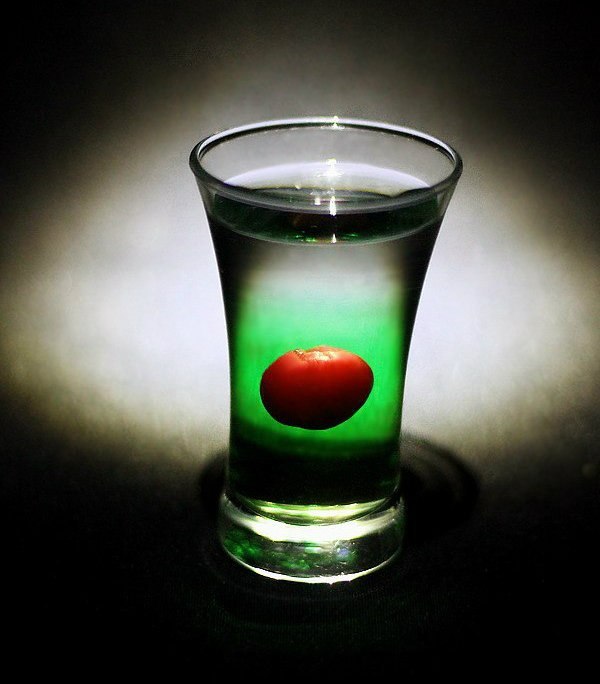
Ingredients:
\n● 30 ml of Japanese pumpkin liqueur, Midori
\n● 30 ml of vodka
\n● maraschino cherries
\n\nMethods of preparation:
\n1) Pour 30 ml of Japanese pumpkin liqueur, Midori, into a glass; place the maraschino cherries on top, and then add 30 ml of vodka, preferably Russian-made.;)
\n\nEnjoy your drink! ;)
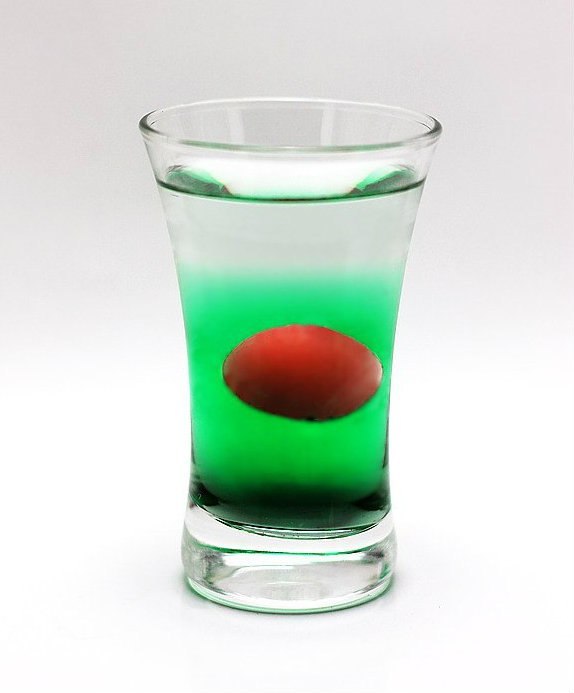
\n● 30 ml of Japanese pumpkin liqueur, Midori
\n● 30 ml of vodka
\n● maraschino cherries
\n\nMethods of preparation:
\n1) Pour 30 ml of Japanese pumpkin liqueur, Midori, into a glass; place the maraschino cherries on top, and then add 30 ml of vodka, preferably Russian-made.;)
\n\nEnjoy your drink! ;)
Find the Best Professionals for Your Project
Expert repair, construction, and renovation specialists ready to help you right now
Recommended Galleries
The rubric How to drink and not get drunk? For example, business dinner, corporate party, wedding. And it is always helpful to know how to drink and not get drunk on alcohol.</br></p><p></br></p><p>The way vaccination.</br></p><p>4-5 hours before the feast should drink about 100 grams of vodka, whiskey, cognac or any other drink with a strength of about 40 degrees. Your body will feel the effects of alcohol and start producing alcohol dehydrogenase & ndash; enzymes that are responsible for the processing of alcohol in the body.</br></p><p>As a result, & ndash; you would need to drink more to get drunk. Although this is not advised to get involved.</br></p><p>To be continued ..</p>
A good cocktail is truly worth its weight in gold.
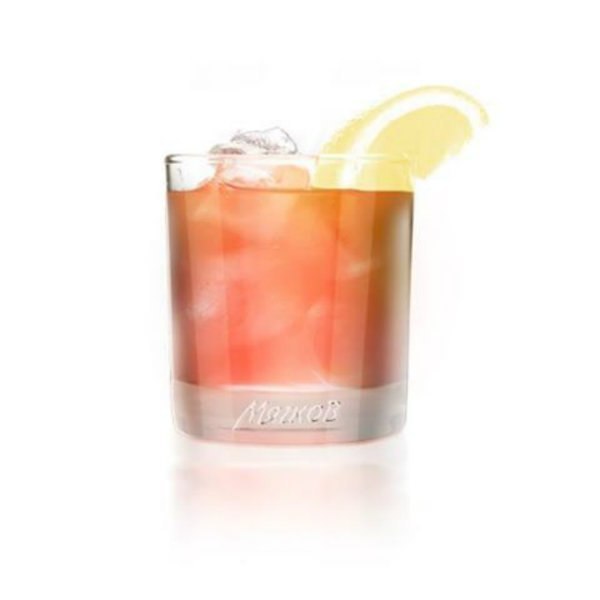
Cape Codder
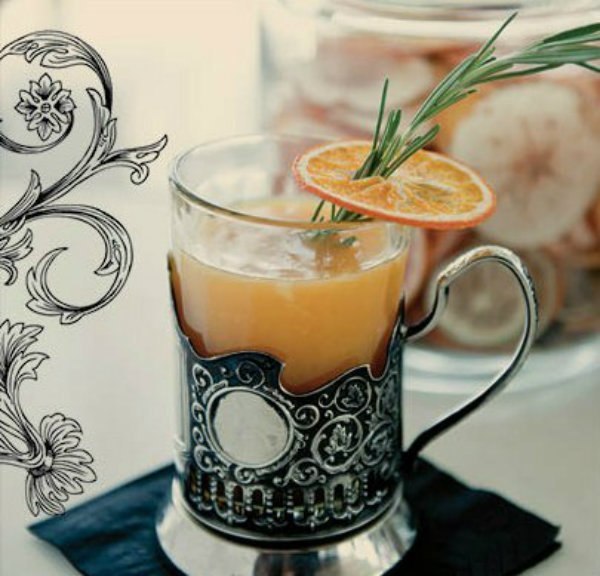
Transsiberian express
Recommended articles



More Galleries
- The rubric How to drink and not get drunk? For example, business dinner, corporate party, wedding. And it is always helpful to know how to drink and not get drunk on alcohol.</br></p><p></br></p><p>The way vaccination.</br></p><p>4-5 hours before the feast should drink about 100 grams of vodka, whiskey, cognac or any other drink with a strength of about 40 degrees. Your body will feel the effects of alcohol and start producing alcohol dehydrogenase & ndash; enzymes that are responsible for the processing of alcohol in the body.</br></p><p>As a result, & ndash; you would need to drink more to get drunk. Although this is not advised to get involved.</br></p><p>To be continued ..</p>
- A good cocktail is truly worth its weight in gold.
- Cape Codder
- Transsiberian express
 New Mode (New Regime)
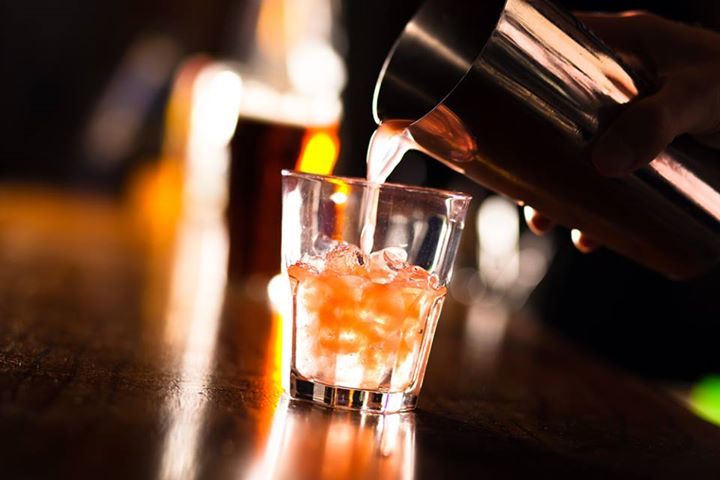 Devil's Weather
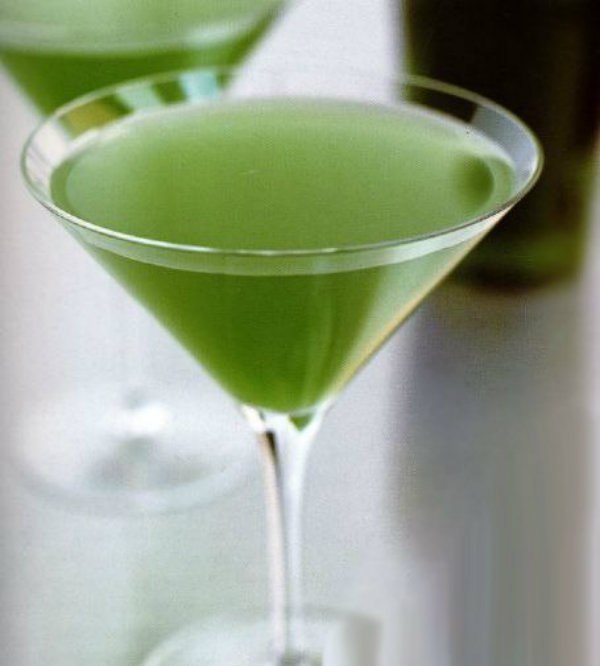 Continental
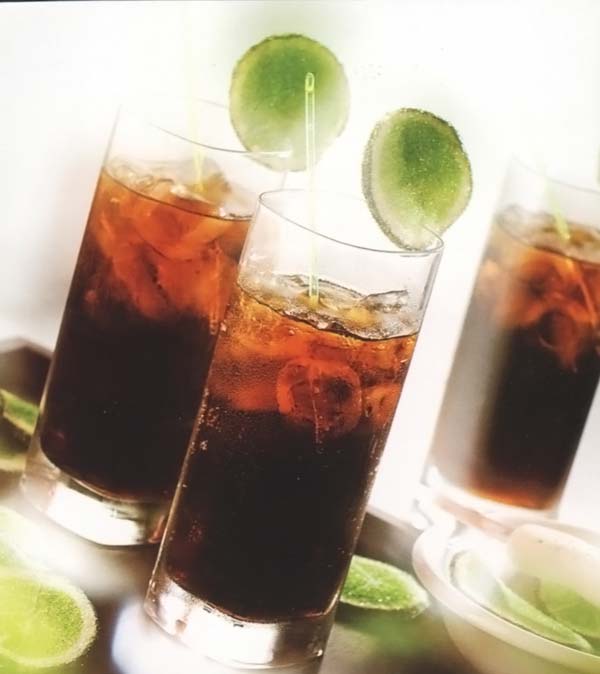 Piranha (Piranha) <br>Cocktail alcoholic, sweet, carbonated.
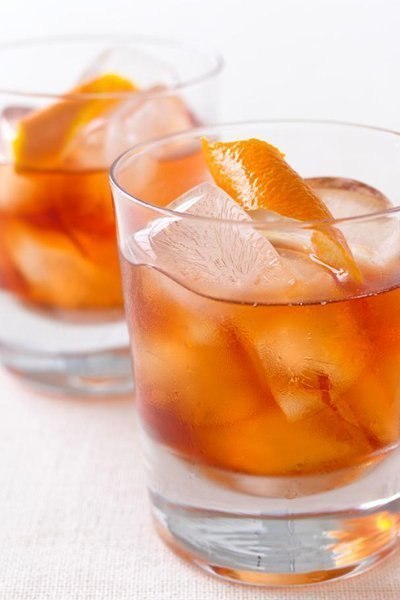 Garibaldi Cocktail (Garibaldi)
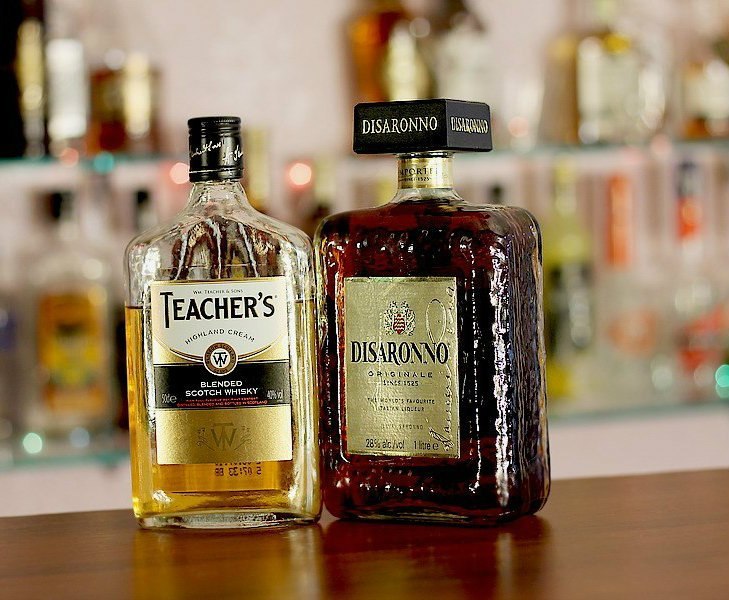 God Father God Father God Father is someone who holds a special place in our hearts (usually a close relative or a dear friend). A God Father godfather godfather is someone who plays an important role in our lives and has a significant influence on us. Our God Father at our baptism ceremony will perform an important role during the ritual. He will hold our hand and guide us as we walk down the aisle during the ceremony. And when we come back from the church, he will be there to welcome us back home. Our God Father holds a very special place in our hearts. They are like mentors or guides who help us through difficult times and provide us with support and guidance throughout our lives. Our God Father is always there for us. They are like a second family for us.
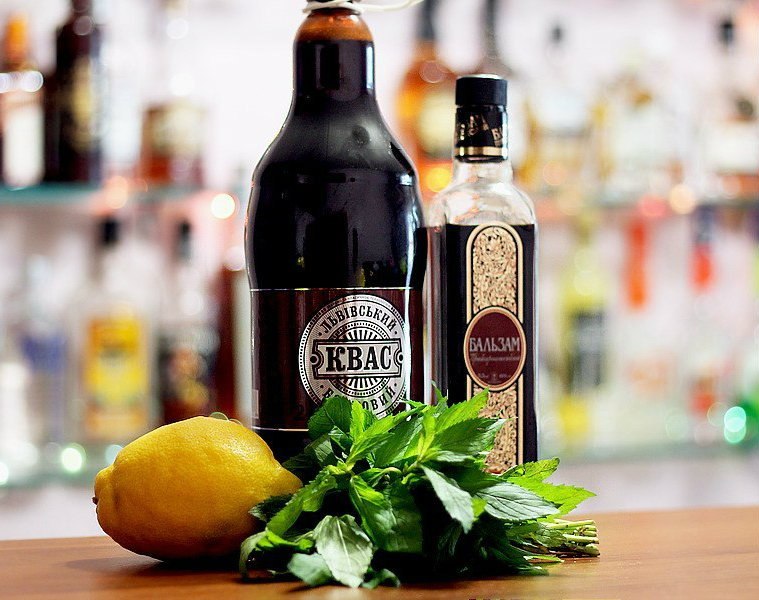 Karpaty (Carpathians)
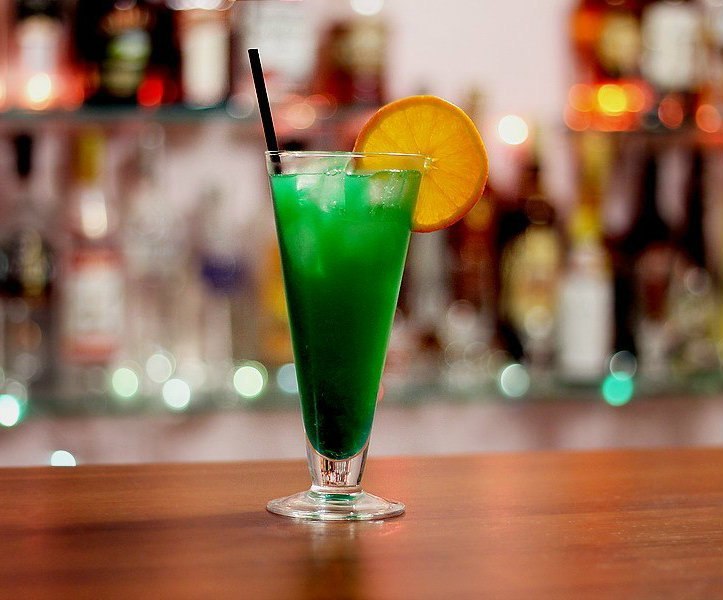 Ninja Turtle (Ninja Turtle)