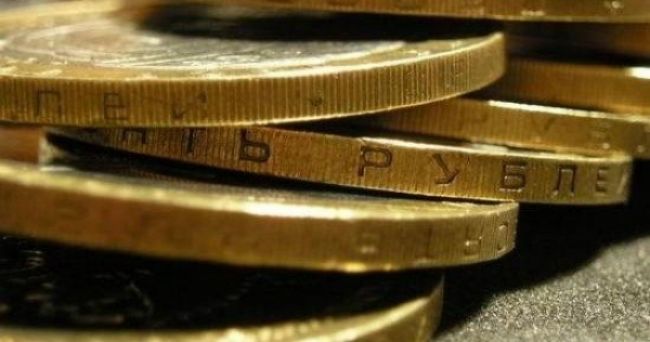
¿Por qué todas las monedas tienen bordes ondulados?
Estoy de acuerdo: todos, tarde o temprano, nos hemos preguntado por qué sucedía esto. Bien, comenzaremos por explicarlo paso a paso… En un principio, el valor de las monedas era igual a la cantidad de metal que contenían. Los estafadores solían cortar los bordes de estas monedas para recoger el oro y la plata que quedaban en ellas. Combatir este problema resultaba increíblemente difícil, ya que no todos llevaban consigo balanzas, y determinar con exactitud el valor de las monedas a simple vista era imposible.
Curiosamente, it was the renowned Sir Isaac Newton who suggested a solution to this problem. Interestingly enough, he was also an employee of the British Royal Mint. He proposed that thin cuts be made on the edges of coins, so that any trimmed edges would be immediately visible. This procedure is still followed today, although its necessity has long since disappeared. After all, forging counterfeit banknotes is much more profitable and straightforward. Since then, the edge of a coin has been referred to as the “rim” or “brim,” derived from the Old English word “gyrdan”, which means “to wrap around”.