Casa con torrecilla: una historia casi mística5 fotos
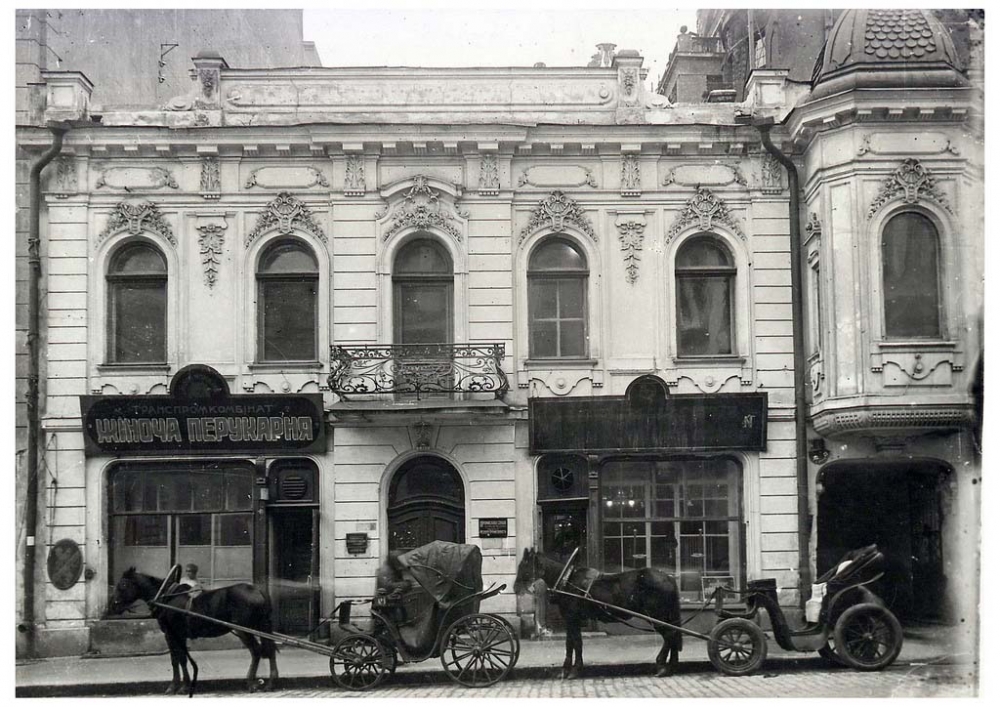
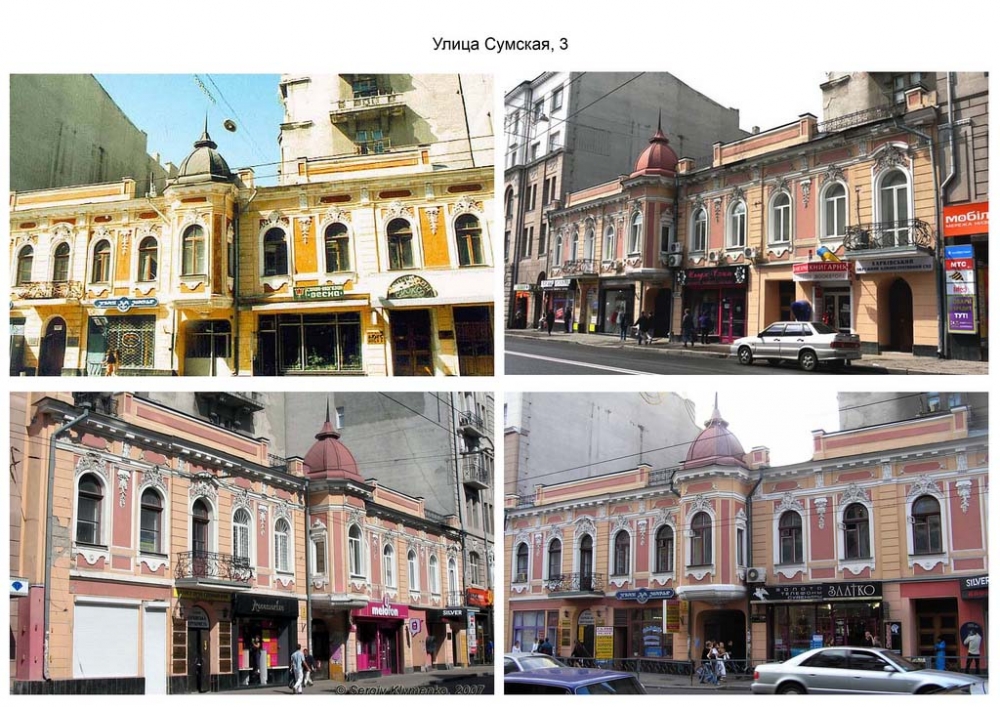
Calle Sumska 3: todos los habitantes de Járkov han pasado por delante de esta pequeña casa al menos una vez en su vida. Este acogedor edificio de dos plantas, de un color rojo intenso con adornos blancos, se encuentra rodeado por dos enormes estructuras grises: el antiguo Banco del Norte y el antiguo cine “Amper”.
\r\nLos lugareños de Járkov recuerdan que en este lugar siempre hubo una peluquería con un nombre encantador: “Iván y María”. También se recuerda que el neón rojo de el letrero del restaurante “Teatralny” atraía a los espectadores que salían del Teatro Shevchenko, invitándlos a continuar su velada en ese lugar. Y se dice que la galería de fotos con el sencillo nombre “Juventud”, cuyas ventanas estaban siempre llenas de retratos, era considerada la mejor de Járkov, y que pedir allí que te pintaran un retrato era un signo de prestigio. Sin embargo, esto es solo la apariencia exterior de esta casa; en realidad, su historia es bastante extraordinaria.
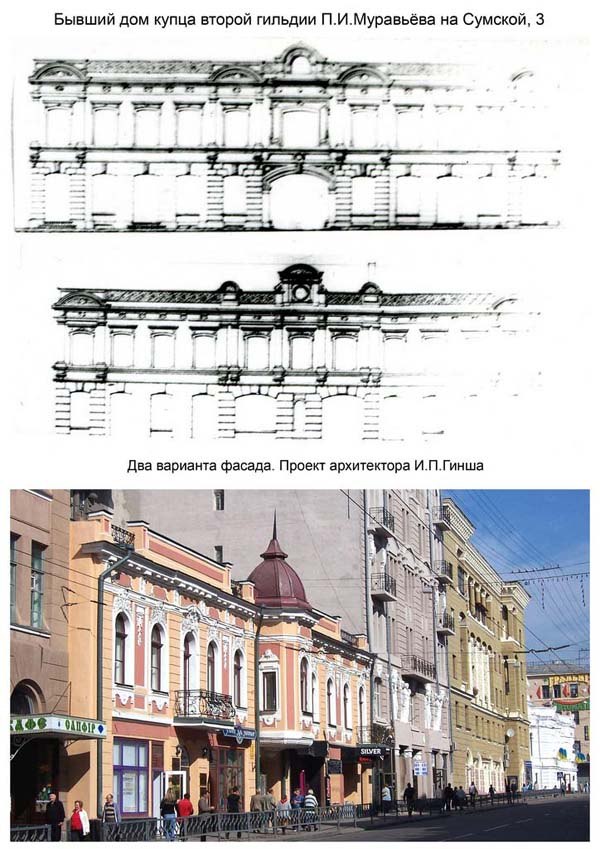
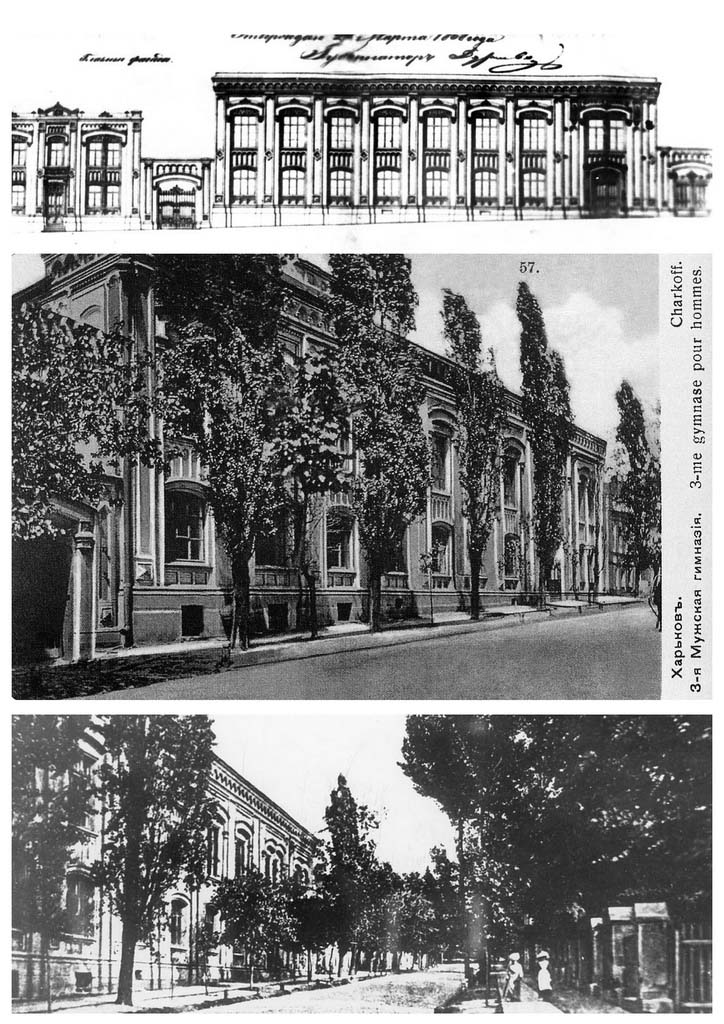
\r\n\r\nCon su elegante torrecilla, el pequeño salón que se extiende hacia la calle Sumska, las guirnaldas de flores en el fachada y los delicados adornos sobre las ventanas, este edificio refleja la refinamiento y la belleza del Renacimiento francés. Su autor, el danés Johann Emil Otto Ginz, fue conocido en Járkov como Ivan Petrovich. Tras graduarse de la Academia de Arts de San Petersburgo en 1865, trabajó como architect for the university and designed buildings in the eclectical style, which was popular in the second half of the 19th century. This style combined elements from various architectural styles in a harmonious way. He is responsible for the design of the 3rd Men’s Gymnasium on Gogol Street and the residential building on Moskalivka Street, which later became Professor Girschman’s first eye clinic.\r\n
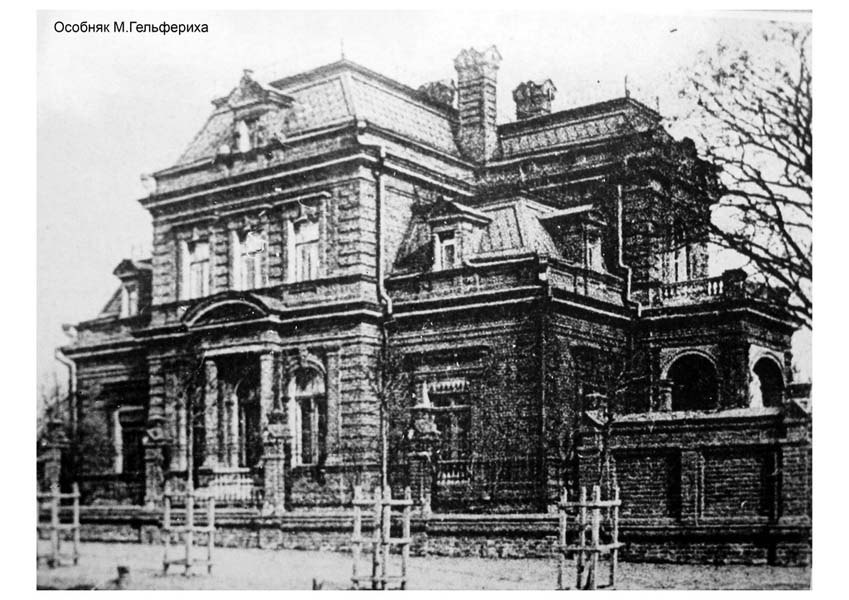
\r\nGinz also built a mansion for Professor Girschman himself in the Sorochinsky Alley and later designed a residence for Maximilian Helferich, one of the co-owners of the “Helferich-Sade” factory, on Pushkin Street 70. In 1875, Ivan Petrovich Ginz designed a house for merchant P.I. Muravyev at the beginning of Sumska Street. This was a common type of residential building in Járkov at that time: it included shops on the ground floor. For merchants, this provided great convenience, as the basement could be used for storage, the ground floor for trading, and the second floor for living. However, either Muravyev was a demanding client or Ginz felt a lot of pressure due to the importance of the location of this building – it took place at the beginning of the city’s main street – so it took him two attempts before he finally came up with a satisfactory design. Even the final version differed from the current structure of the building.\r\n\nFor several decades, the house remained in its original state, but in 1897 it gained a new owner: a very famous person. Alfred Konstantinovich Fedetsky not only made his name known throughout Hárkov but also throughout the country. As a pioneering photographer who brought the latest innovations in photography to Hárkov, he was more than just a fashionable artist who created portraits of notable people such as the actress Kadmina and the composer Tchaikovsky. He also had extensive artistic skills: he painted large canvases and even filmed the first documentary film in Ukraine in 1896. Around that time, Fedetsky purchased the Muravyev house on Sumska Street. The transaction cost 11,700 rubles. After appropriate renovations, the house would have perfectly suited Fedetsky’s needs: Járkov was experiencing rapid development at that time, and the business district was moving towards this area. The second floor could accommodate his family, and the first floor could be converted into a state-of-the-art photography studio. According to historical records, Fedetsky actually began the renovations work, but he never completed them due to his illness. Before his death in 1902, he only had a photography studio set up in the house.\r\n\nLater, someone else took over the renovation project, but it is unknown who exactly was responsible for it. Ivan Ginz had already left Russia in 1890 and had entrusted his clients’ affairs to the young but promising architect Alexey Beketov. By 1910, Fedetsky’s family still owned the house, except for the photography studio, which was sold by Fedetsky’s guardian to the photographer Shabelsky, who represented a famous Petersburg firm in Hárkov. Later, Fedetsky’s mother passed away, his daughters married and left the city, and his youngest daughter moved to Minsk.
Encuentre los mejores profesionales para su proyecto
Especialistas en reparación, construcción y renovación listos para ayudarle
Galerías recomendadas
Artículos recomendados



Más galerías
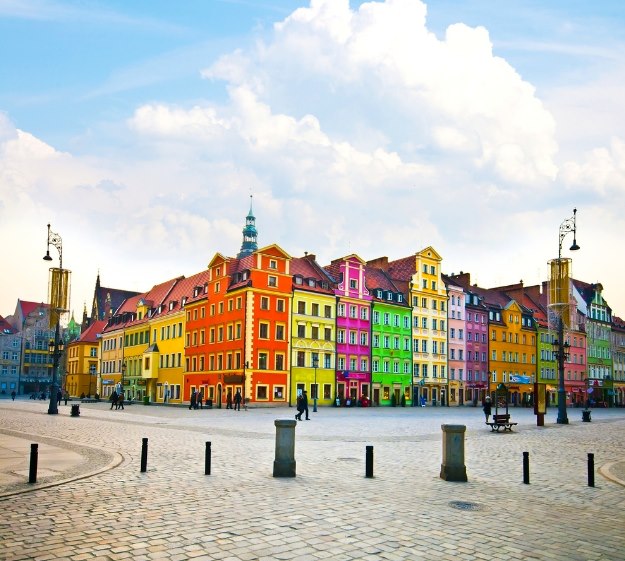 Wrocław, Polonia
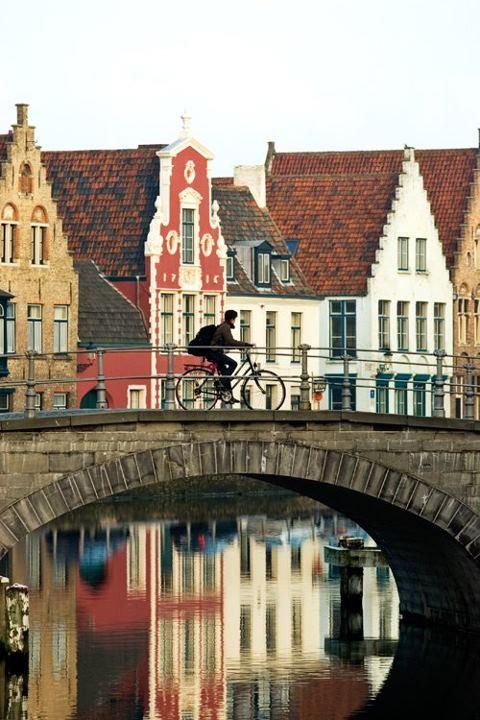 Bruges, Bélgica
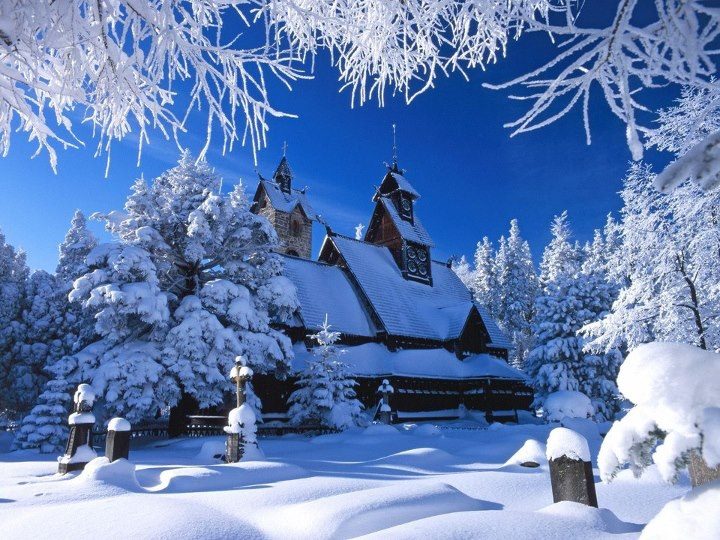 El invierno en Polonia
 El río Yi en China
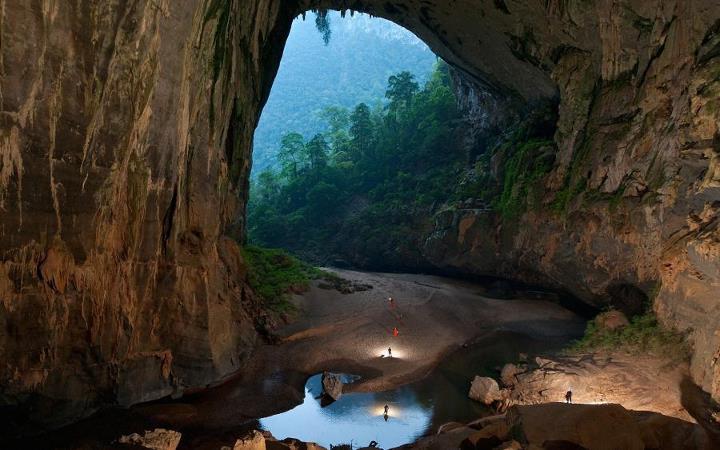 Misterioso Vietnam
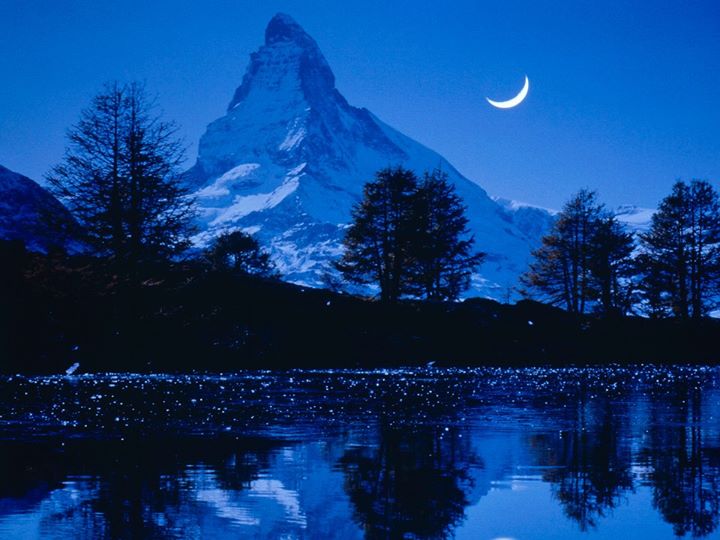 Cuento de Noche --- Historia infantil para niños de todos los edades. Una historia que cuenta cómo un niño descubre el misterio de la noche y descubre que, en la oscuridad, there is more than just darkness. Una historia que enseins that en la oscurness, there is more than just darkness.
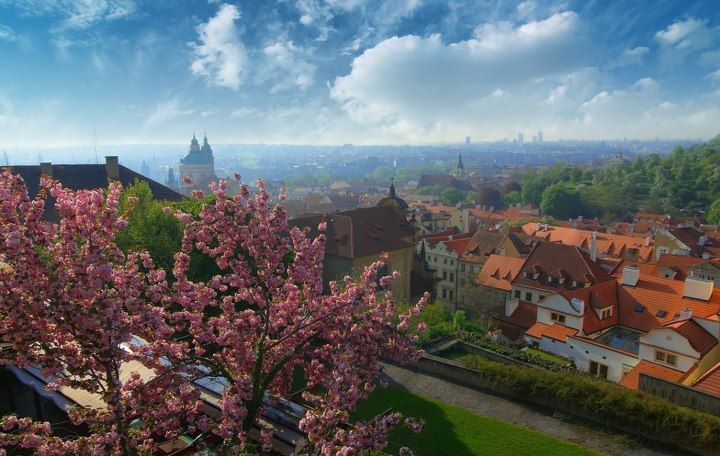 La magnificencia de Praga en flor
 Yalta de Invierno, Ucrania
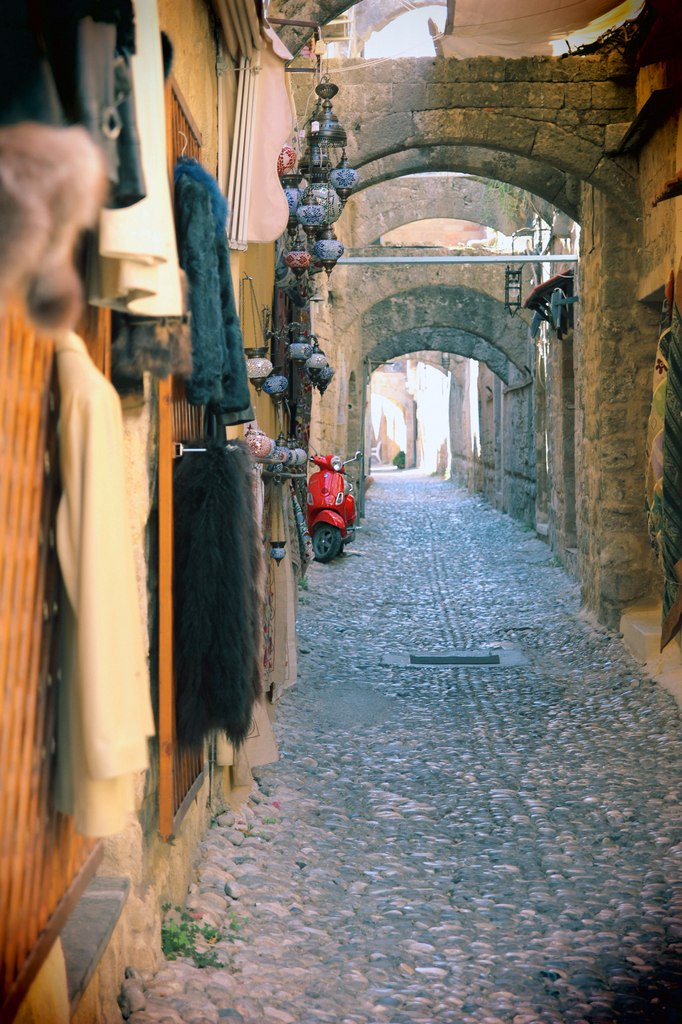 Callejones míticos de la soleada Grecia
 Dubái, Emiratos Árabes Unidos
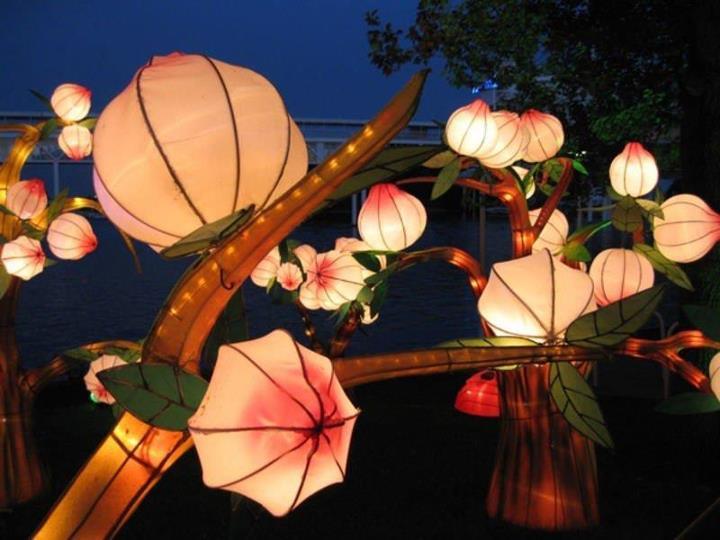 Fiesta de las Luminarias en China, que simboliza la tan anhelada llegada de la primavera.
 La floración de la magnolia japonesa en Washington