7 merveilles abandonnées de l’URSS Après la dissolution de l’URSS, de nombreux sites secrets et des installations non strictement militaires ont été transmis en héritage aux jeunes États qui en sont issus. Certaines économies des nouveaux États-nations étaient tout simplement incapables de assumer les coûts d exploitation et maintenance de ces ultra-secrets complexes.7 photos
After the dissolution of the USSR, many secret and non-military facilities were inherited by the newly established states. However, the economies of some of these countries simply could not afford to maintain such highly secret complexes, while others found them completely unnecessary. As a result, these structures gradually fell into disrepair and were abandoned.
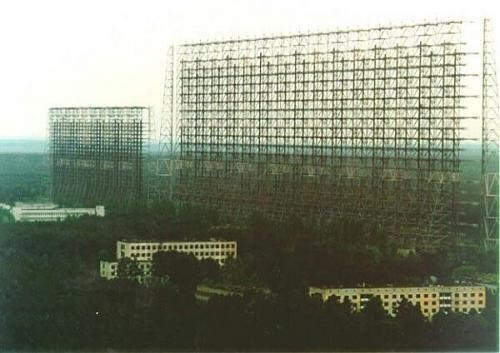
1. Duga radar system, Pripyat, UkraineThis enormous facility, constructed over a period of 5 years and completed in 1985, was primarily designed to detect the launch of intercontinental ballistic missiles. Built to last centuries, it could have continued operating for many years to come, but in reality, the Duga radar system operated for less than a year before being shut down due to massive energy consumption. Its 150-meter-tall antenna, capable of transmitting 25 megawatts of power, was located near the Chernobyl nuclear power plant, which ultimately led to its destruction in the accident.
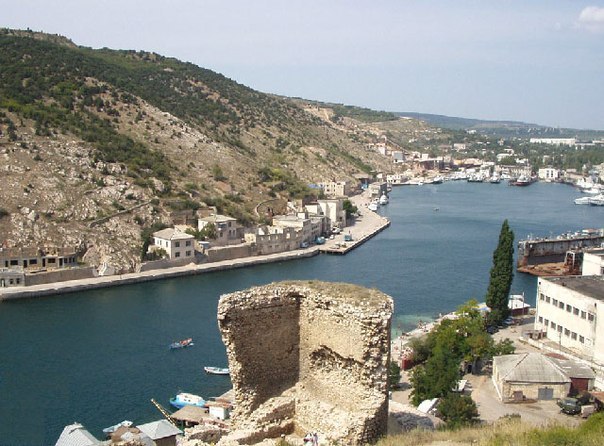
2. Balaklava base, Crimea, UkraineThe highly secret Balaklava submarine base, located in the city of Balaklava on the Crimean Peninsula, was capable of accommodating up to 14 submarines. Built in 1961 and abandoned shortly after the USSR dissolved in 1993, this base served as a vital logistical hub for Soviet naval vessels. However, it was later used for other purposes as well.
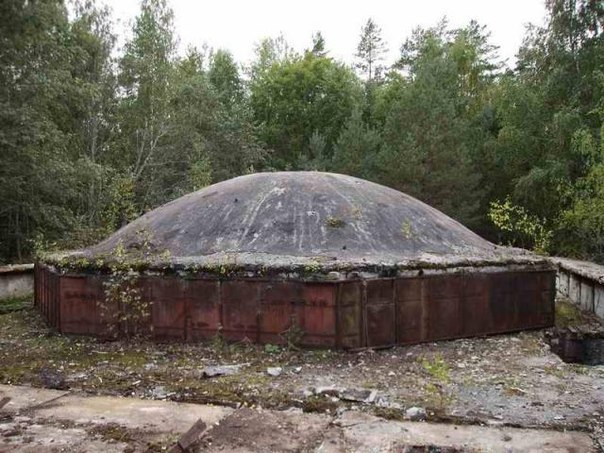
3. Dvina missile site, Kekava, LatviaAfter the collapse of the Soviet Union, many secret military facilities were left to newly independent republics, some of which they were even unaware of the existence of. For example, near the Latvian city of Riga, in the forests, lies the abandoned Dvina missile site. Constructed in 1964, this facility consisted of four launch silos. Although the 34.6-meter-deep silos are now partially flooded, it is still possible for interested visitors to explore their interior.
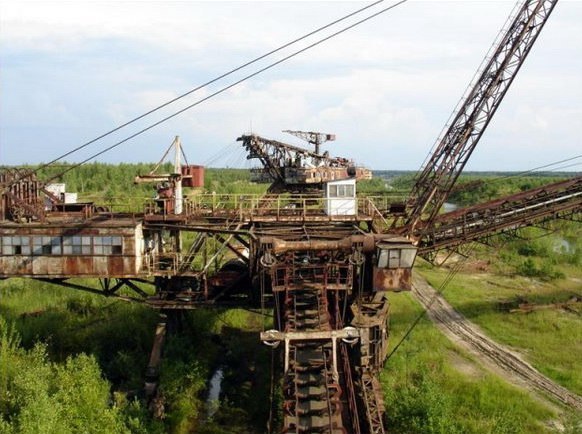
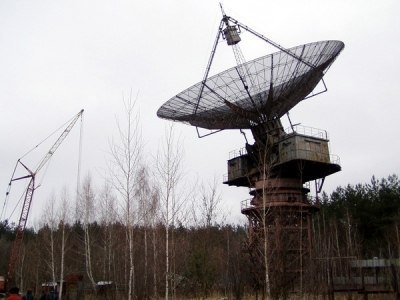
4. Lopatinsk phosphorite mine, Moscow OblastBefore the dissolution of the USSR, the Lopatinsk phosphorite mine was an active operational site, producing essential minerals for fertilizer production. After 1993, the mine was closed down, and all the machinery remained on site. Today, this former mine has become a popular tourist attraction, attracting visitors from around the world who are fascinated by its unique industrial landscape.5. Ionosphere research station, Zmiiev, UkraineThis station, built just before the collapse of the Soviet Union near Kharkov, was designed to be a counterpart to the American HAARP project in Alaska. It consisted of several antenna arrays and a massive 25-meter-diameter parabolic antenna capable of generating immense amounts of radio energy. However, this advanced scientific equipment proved to be of little use to the newly independent Ukraine, and today the station is mostly abandoned and used only by occasional enthusiasts.
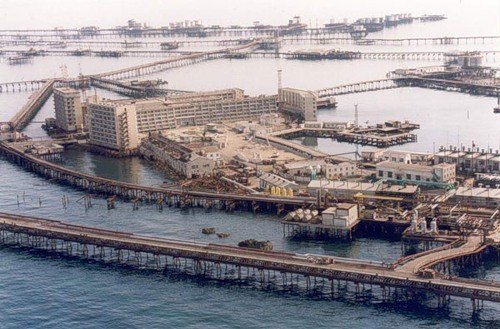
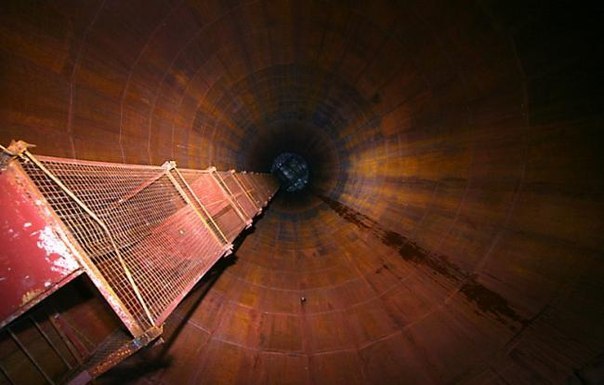
6. Sea city of Neftyanye Kamyany, AzerbaijanIn the 1940s, oil production began in the Caspian Sea, 42 kilometers east of the Apsheron Peninsula. Cities were built on floating platforms and metal structures in the open sea, including power plants, residential buildings, and even a lemonade factory. This unique marine settlement eventually declined due to the emergence of cheaper petroleum sources.7. Abandoned particle accelerator, Moscow OblastIn the late 1980s, the Soviet Union attempted to build a massive particle accelerator. A 21-kilometer-long circular tunnel was constructed at a depth of 60 meters near the city of Protvino, but the project was never completed due to political upheavals.
---
7 abandoned “wonders” of the USSR
Following the dissolution of the Soviet Union, numerous secret and non-military facilities were left to the newly independent states. However, some of these countries lacked the resources to maintain such advanced structures, while others simply found them unnecessary. As a result, these facilities gradually fell into disrepair and were abandoned.
1. Duga radar system, PripyatPripyat was chosen as the location for this massive radar system because it was close to the Chernobyl nuclear power plant. This allowed the radar to detect intercontinental ballistic missiles launching from near Chernobyl. The radar system, which consisted of several antenna arrays and a 25-meter-diameter parabolic antenna, could generate enormous amounts of radio energy. However, its high energy consumption meant that it could only operate for a short time before requiring extensive maintenance.
2. Balaklava base, CrimeaThe Balaklava submarine base was built on the rugged terrain of the Crimean Peninsula. It was designed to accommodate up to 14 submarines and serve as a vital logistical support system for Soviet naval vessels. However, after the dissolution of the USSR, this base was abandoned and later used for other purposes as well.
3. Dvina missile site, KekavaLatvia received several secret military facilities from the Soviet Union, including the abandoned Dvina missile site near Riga. This site consisted of four launch silos, but despite its advanced design, it was eventually left unused and fell into disrepair.
4. Lopatinsk phosphorite mine, Moscow OblastThe Lopatinsk phosphorite mine was once an active industrial site, producing essential minerals for fertilizer production. After the USSR dissolved, the mine was closed down, and its equipment remained behind. Today, this former mine has become a popular tourist attraction.
5. Ionosphere research station, ZmiievThis research station, located near Kharkov, was designed to study the upper layers of the atmosphere. It was equipped with advanced technological devices, but it was ultimately abandoned due to lack of funding and other resources.6. Sea city of Neftyanye Kamyany, AzerbaijanThe unique sea city constructed on floating platforms in the Caspian Sea began to decline after oil production declined. Once home to power plants, residential buildings, and even a lemonade factory, this place now serves primarily as a recreational area for locals and tourists.
7. Abandoned particle accelerator, Moscow OblastThe Soviet Union attempted to build a massive particle accelerator in this region. Although a 21-kilometer-long circular tunnel was constructed, the project was never completed due to various reasons.
Trouvez les meilleurs professionnels pour votre projet
Des spécialistes en réparation, construction et rénovation prêts à vous aider
Galeries recommandées

Il y a 26 ans, à Moscou, a eu lieu la première du film « L’Homme du boulevard Kapoutine ». Le 23 juin 1987, au cinéma « Mir » de la capitale, la première de ce film réalisé par Alla Surikova d’après un scénario…
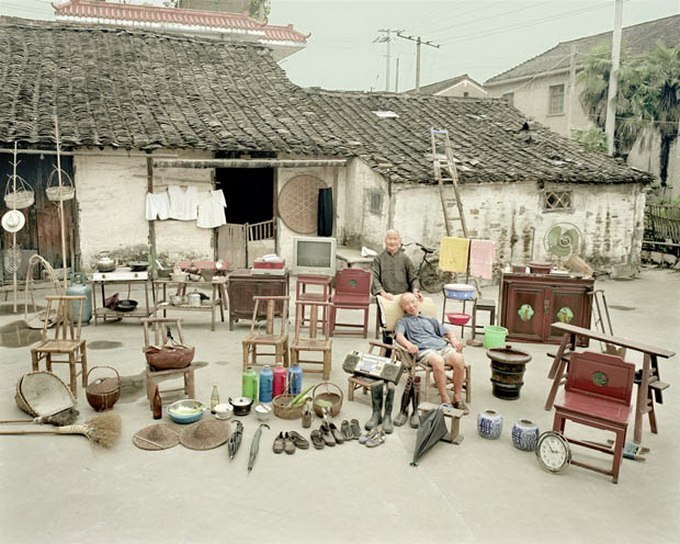
The project by the Chinese photographer Hong Qingjun is called “Family Materials”.
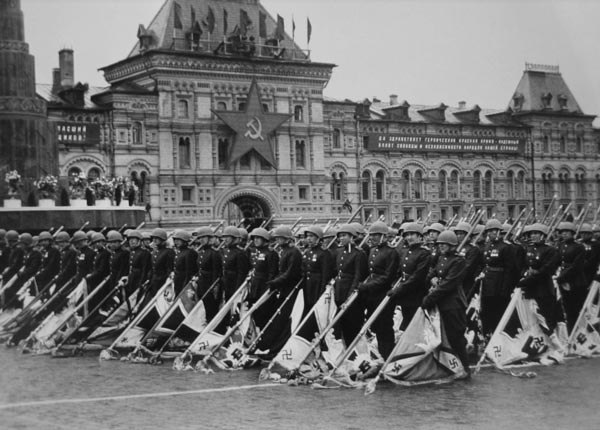
68 ans ago, in Moscow, a Victory Parade was held. On June 24, 1945, at 10 a.m., Marshal of the Soviet Union Georgy Zhukov rode a white horse from Spassky Gates towards Red Square in Moscow. Upon the command “Parade, at attention!” the square erupted in thunderous applause.

Michael Jackson est né le 29 août 1958 à Gary, dans l'État de l'Indiana, aux États-Unis. Il était le septième enfant d’une famille de neuf enfants.
Articles recommandés



Plus de galeries
- Il y a 26 ans, à Moscou, a eu lieu la première du film « L’Homme du boulevard Kapoutine ». Le 23 juin 1987, au cinéma « Mir » de la capitale, la première de ce film réalisé par Alla Surikova d’après un scénario…
- The project by the Chinese photographer Hong Qingjun is called “Family Materials”.
- 68 ans ago, in Moscow, a Victory Parade was held. On June 24, 1945, at 10 a.m., Marshal of the Soviet Union Georgy Zhukov rode a white horse from Spassky Gates towards Red Square in Moscow. Upon the command “Parade, at attention!” the square erupted in thunderous applause.
- Michael Jackson est né le 29 août 1958 à Gary, dans l'État de l'Indiana, aux États-Unis. Il était le septième enfant d’une famille de neuf enfants.
 Evgueni Alexandrovitch Morgounov est né le 27 avril 1927 à Moscou. Dès l’âge de 14 ans, il travaillait dans une usine, et à 16 ans, il écrivit une lettre à Staline pour demander d’être admis dans une école de théâtre. Et bien, il fut accepté ! D’abord, il étudia à l’école attachée au Théâtre Taïrov, puis par la suite…
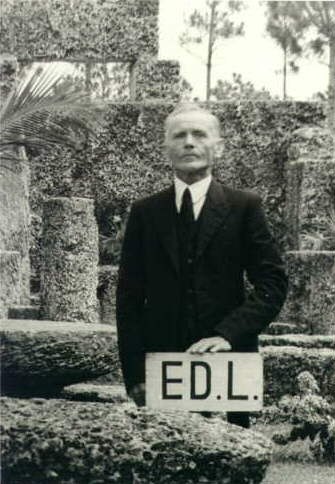 **Le Mystère du Château de Corail**
 9 mystères inexpliqués du monde
 Personnes au courage indomptable. Tamere Zegaye : Un habitant de l’Éthiopie qui est capable de se déplacer sur ses mains mieux que sur ses pieds. En effet, né avec des pieds déformés, Tamere a dès son plus jeune âge développé ses capacités avec ses mains.
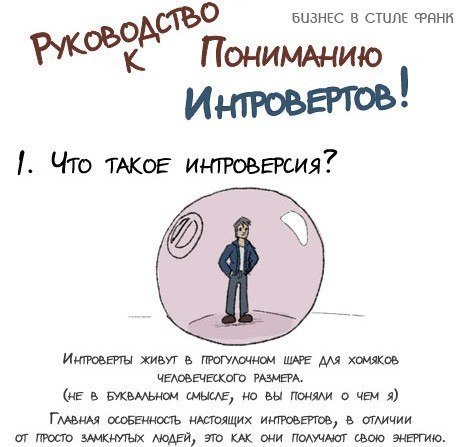 Guide pour comprendre les introvertis
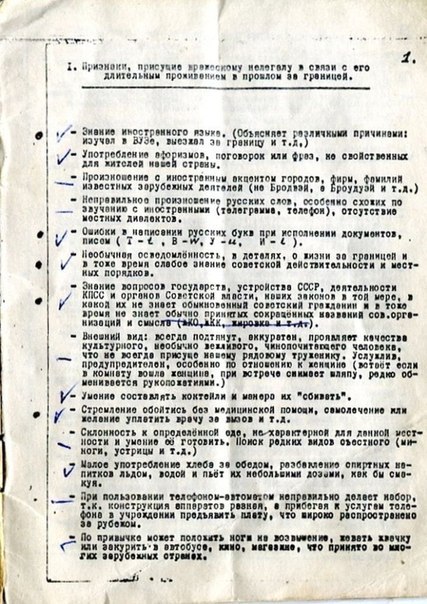 ```--- Instruction from the KGB of the USSR in the 1970s regarding how to identify enemy infiltrators |
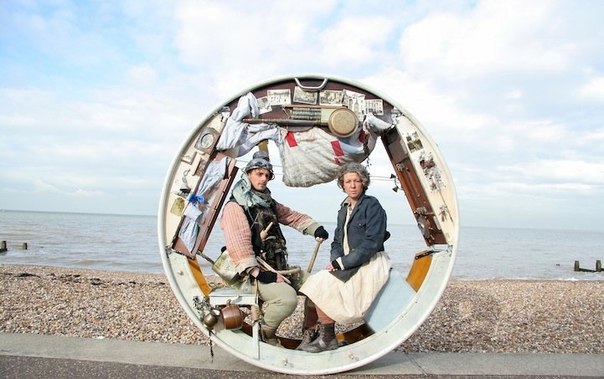 «The Wheel House» est un projet mené par deux acrobates qui présentent des performances en direct, simulant une voyage tranquille et paisible. Ainsi, ils amusent les spectateurs qui se trouvent dans leur chemin. Ce projet est réalisé par le «Acrojou Circus Theatre».
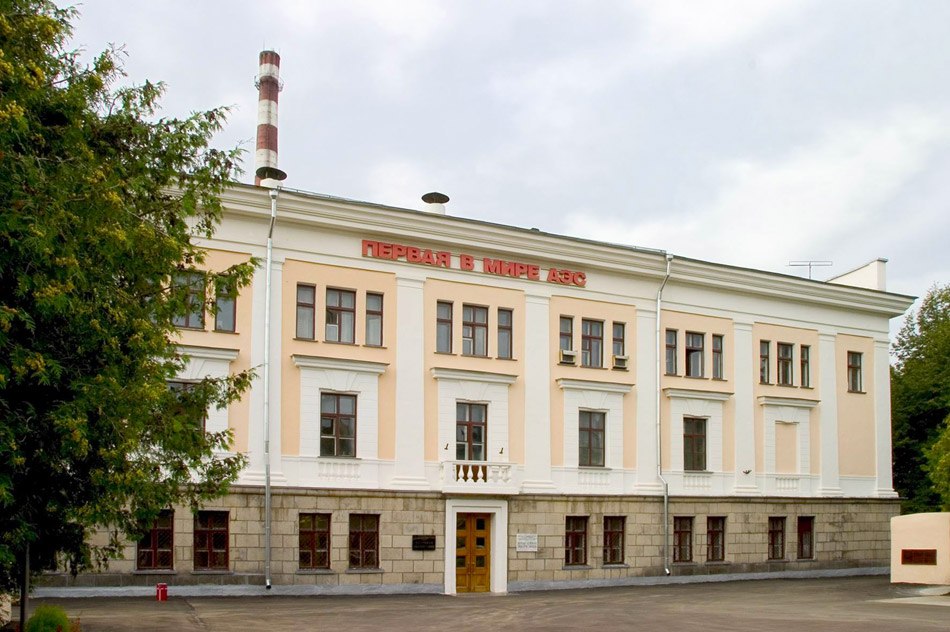 Il y a 59 ans, à Obninsk, la première centrale nucléaire au monde a été mise en service, avec une capacité de 5 mégawatts. En 1951, le gouvernement de l’URSS a chargé le célèbre physicien et scientifique soviétique Igor Vassilievitch Kourchatov de construire la première centrale nucléaire du monde dans la ville d’Obninsk.