**Vieux Passager**8 photos
**Ancien Passage**
Parmi les monuments perdus de l’ancien Kharkiv, on trouvait le « Passage Pachtchenko-Triapkine », également appelé « Ancien Passage », ouvert en 1875 et détruit pendant la guerre précédente.
Cette structure commerciale originale était située au centre d’un terrain où, aux XVIIe et XVIIIe siècles, s’élevait la forteresse de Kharkiv, et où les routes menant aux différents quartiers entourant la ville centre se croisaient par la suite. Dans les années 1850, l’entrepreneur et propriétaire terrien V.I. Pachtchenko-Triapkine racheta aux anciens propriétaires – les marchands Karpov, Pavlovsk, Rastorguiev et d’autres – les terrains qu’ils possédaient dans cette zone, ainsi que les bâtiments qui s’y trouvaient, et entreprit de construire de nouveaux immeubles ou de rénover les anciens, aménageant diverses salles dont il louait ensuite l’espace.
L’entreprise fut profitable et prospéra jusqu’à presque la fin du siècle. Peu avant sa mort, survenue en 1894 à Moscou, Pachtchenko-Triapkine légua tous ses biens à la ville. Ce geste patriotique enrichit considérablement le modeste budget de la ville et apporta de grands bénéfices à Kharkiv.
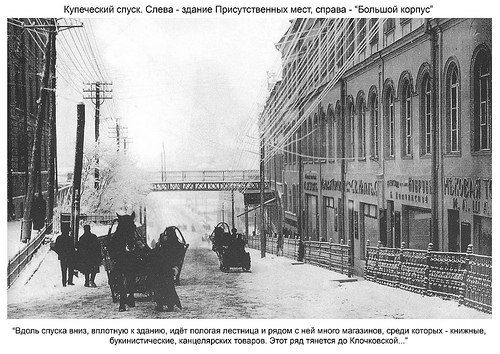
Parmi les biens de Pachtchenko-Triapkine figureait le so-called « Grand Bâtiment », dont faisait partie également ce passage. Le « Grand Bâtiment » s’étendait sur un terrain longeant l’ancienne Rue des Marchands (Rue Pachtchenkova), aujourd’hui appelée Rue Halturnina, entre la rue Universitetska et la rue Klokchovska. Au nord, ce terrain était bordé par le monastère Sainte-Pokrovskoïe, et au sud se trouvait l’ancienne Place de la Cathédrale, face à laquelle se trouvaient la tour du clocher de la cathédrale de l’Assomption et le bâtiment des bureaux du gouverneur, aujourd’hui occupé par une espace vert avec un Feu Éternel.
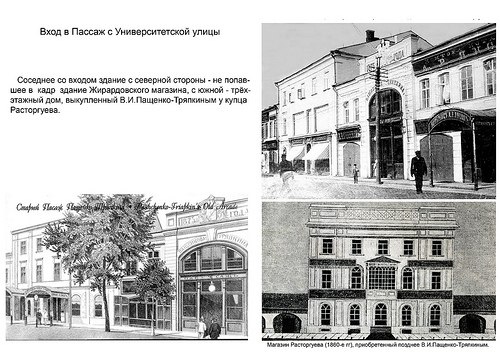
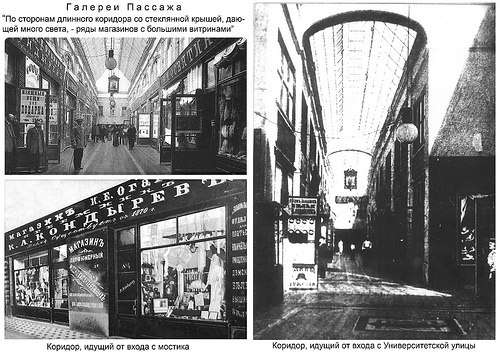
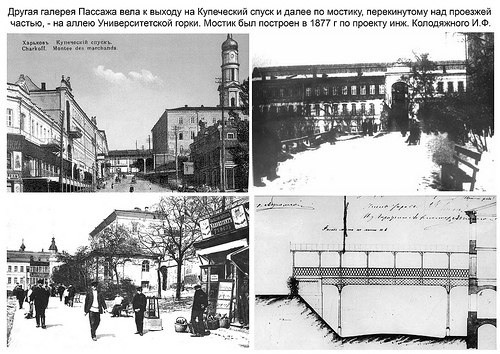
Le terrain était densément construted, with buildings ranging from two to five stories in height, forming several enclosed inner courtyards. The renovation of old buildings, including one of the oldest and finest shops in the city, le magasin de Rastorguiev, as well as the construction of new buildings, were carried out according to designs and under the supervision of the military engineer-architect I.F. Kolodiazhny. The construction was done economically, without excessive artistic demands, but with durability and reliability in mind. On the ground floor, there were shops and small service businesses, as well as auxiliary and storage facilities; on the upper floors, there were a hotel with a restaurant, a Jewish prayer room, individual apartments, furnished rooms, etc. In the 1870s, Pachtchenko-Triapkine planned to build additional passages within the « Grand Bâtiment ». These passages were covered glass-roofed galleries connecting streets together. On both sides of these galleries were shops whose displays attracted customers.
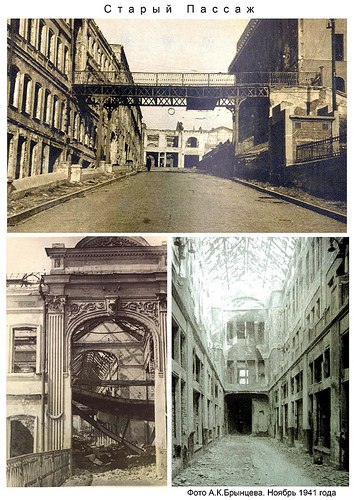
Au XIXe siècle, the construction of such passages became common, helping businesses to compete more successfully against the less comfortable traditional marketplaces. The design of the Kharkiv passage was created at the request of Pachtchenko-Triapkine by the civil engineer-architect D.S. Chernenko. The passage was built in the southeastern corner of the building complex. It consisted of two sections connected at a right angle. One entrance faced the Universitetska street and was at the same level as the sidewalk; the other entrance, facing the street slope, was located at the height of the third floor. A pedestrian bridge was constructed to connect this entrance to the road below. This bridge, designed by Kolodiazhny, added even more popularity to this popular spot.
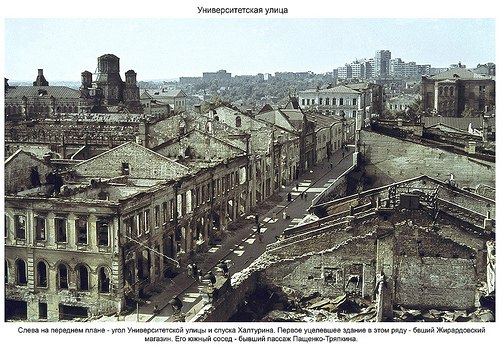
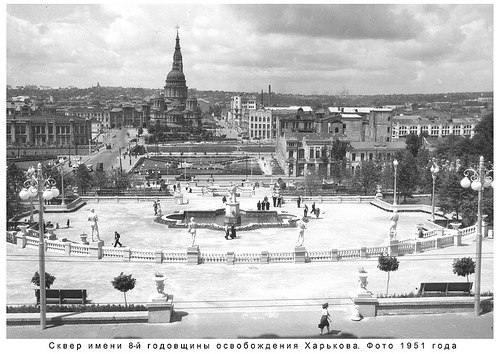
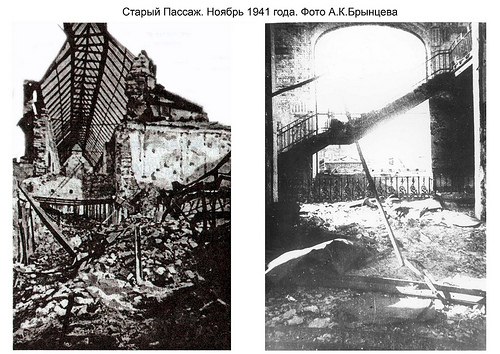
The passage functioned successfully until 1917 and continued to serve its purpose under Soviet rule, despite competing with newly emerging department stores. However, its layout and facilities became outdated over time. In the late 1930s, reconstruction work began according to the plans of architect L.G. Lyubarsky, but the war interrupted these efforts. During the 1941–1945 conflict, all parts of the « Grand Building », including the passage, were destroyed. Their remnants were demolished in accordance with the general plan for the restoration and reconstruction of Kharkiv, which aimed to reduce the density of buildings in the center, improve the area’s infrastructure and green space, and open up views. On the site of the former « Grand Building », the current terrace garden with its fountain and water feature was created according to the designs of architect G.G. Vegman, in collaboration with architects A.S. Mayak, I.Y. Zhilkin, and M.S. Lutskiy.
**A. Yu. Leibfried**
(«Sloboda» – 1997年 – 5月6日)
vk.cc/1Eij3O
#1stolica_history
Trouvez les meilleurs professionnels pour votre projet
Des spécialistes en réparation, construction et rénovation prêts à vous aider
Galeries recommandées
Articles recommandés



Plus de galeries
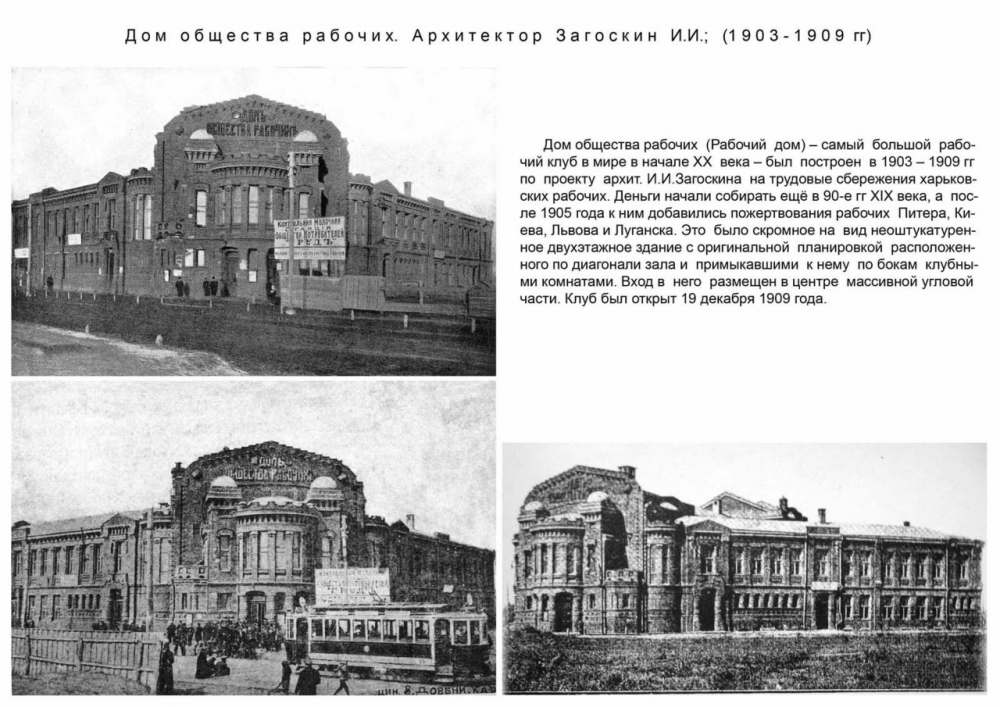 «La Maison de la Société Ouvrière»
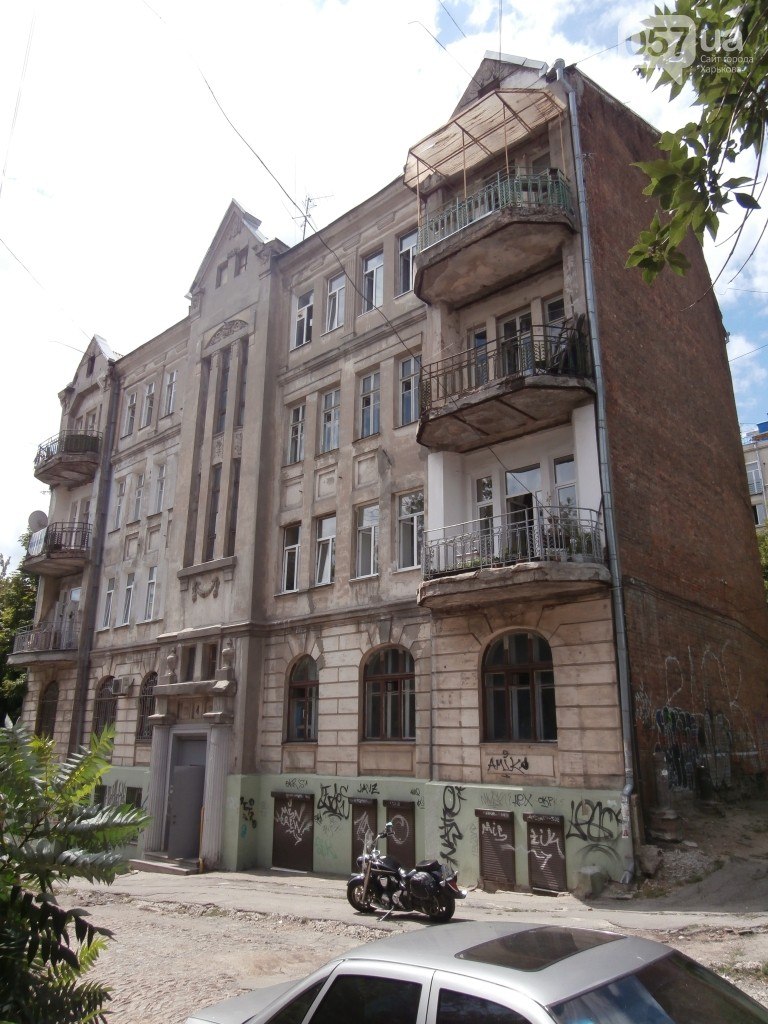 Дом avec une mini-prisonne, qui a « participé »<br>(traduction de Vorobieva, partie 2)
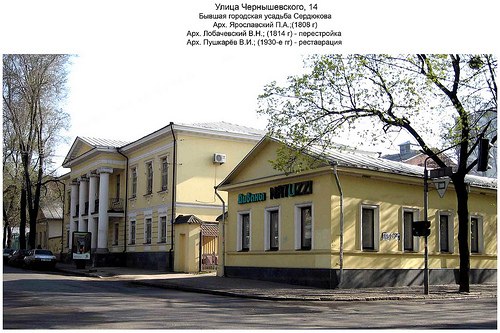 14, Cherychevskaya
 “L’Défense de l’Ukraine” et Nikolaï Michnovski --- Return ONLY the translated text. No additional elements shall be added.
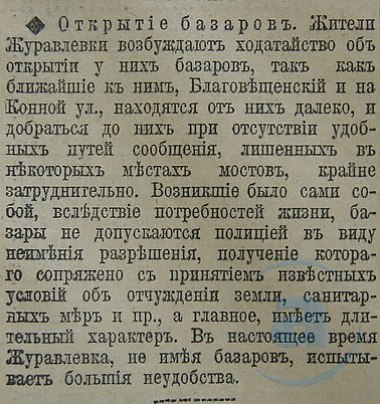 **Ouverture des marchés**
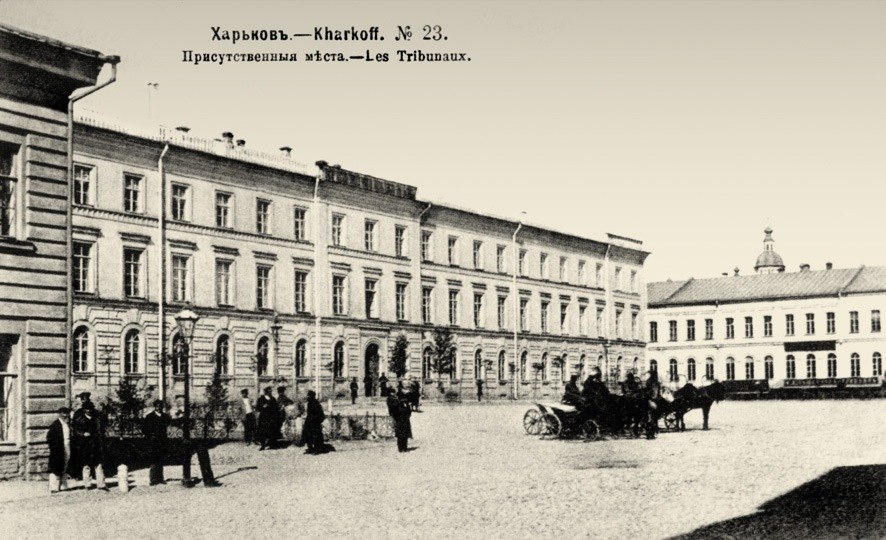 Présences féminines
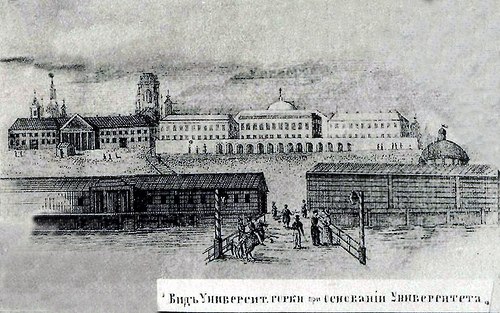 Les rangées disparues
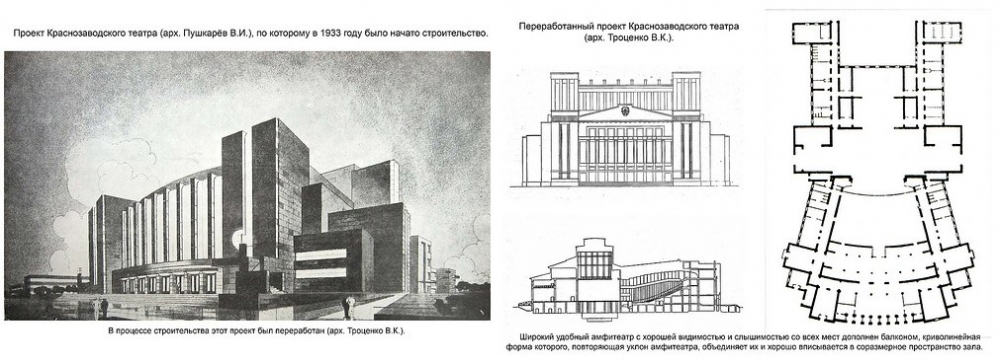 Avec les théâtres d’opéra, c’était plus simple dans le passé.
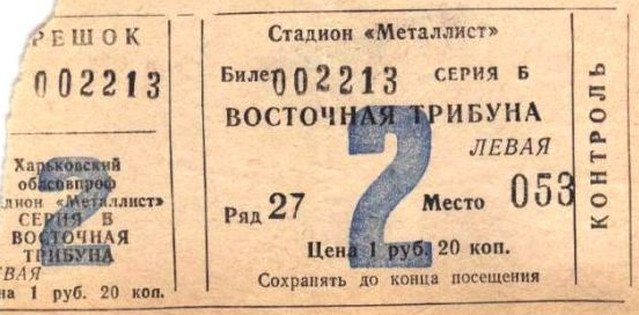 L'histoire du stade « Metallist »
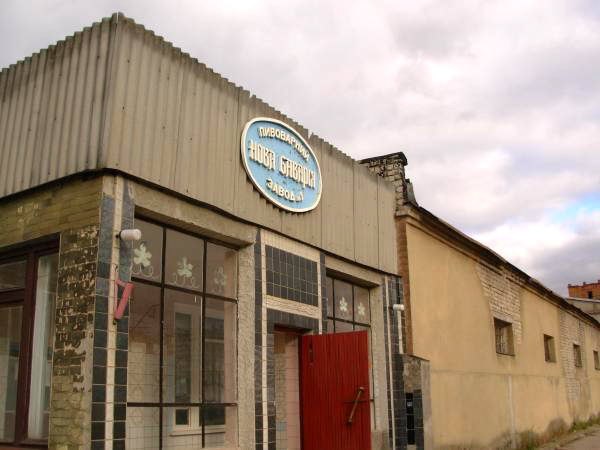 Histoire de la brasserie “Nouvelle Bavière”
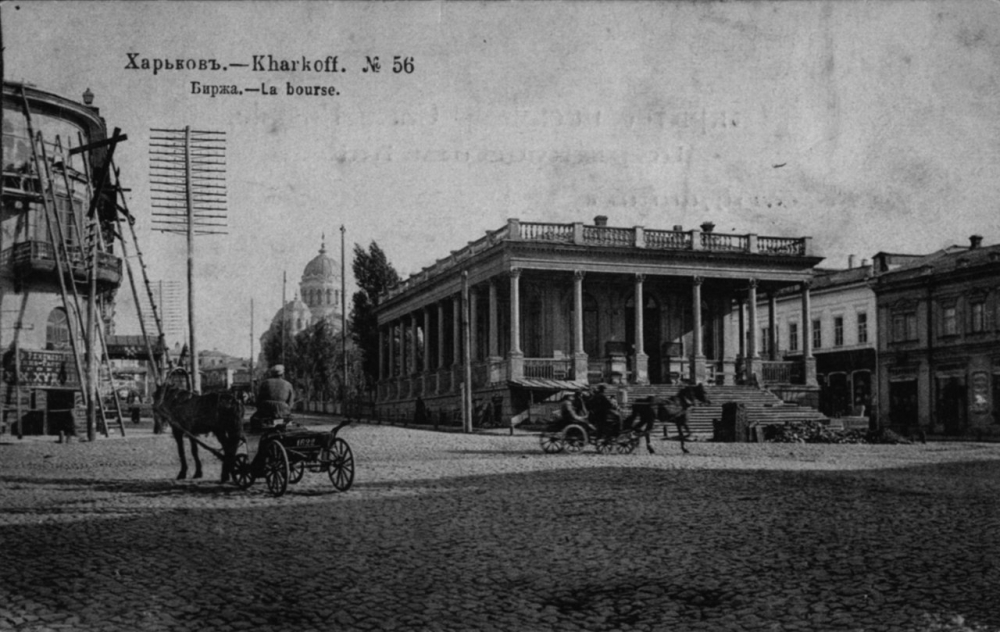 La place Nikolaïevskaïa à Kharkiv – la “bancaire” partie de la ville.<br>(Partie 3)
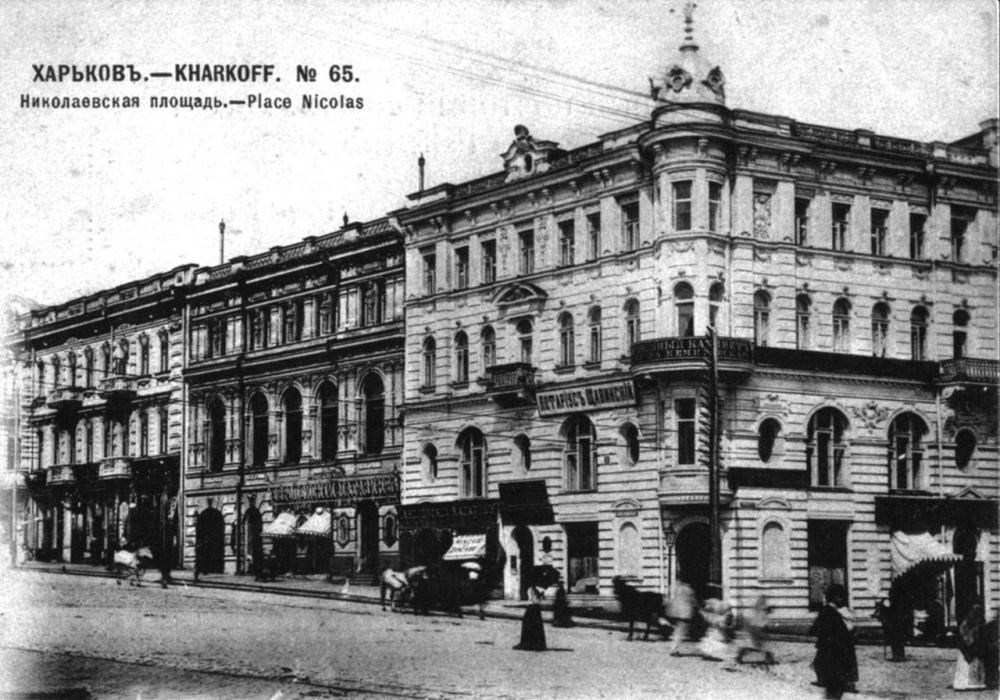 La place bancaire de Kharkiv – la place Nikolaïevskaia. <br>(Partie 2)