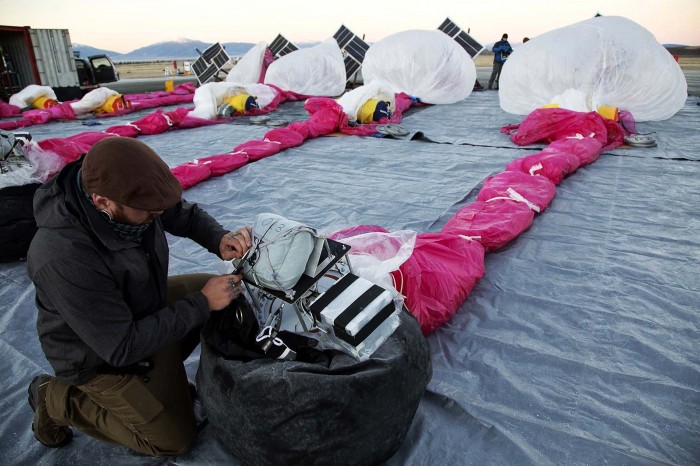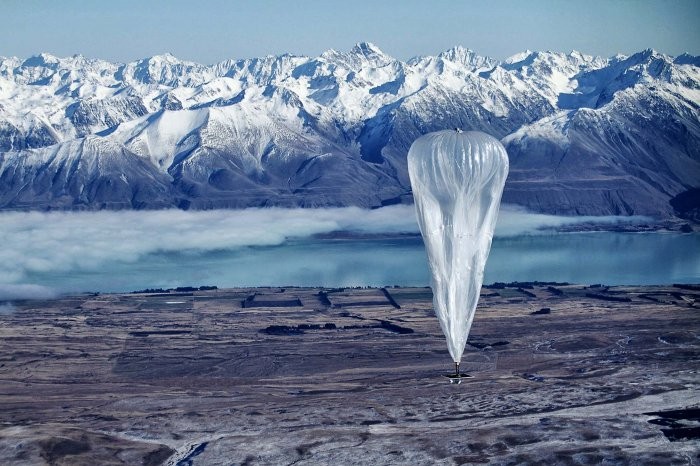
Google uruchomi sieć światowego dostępu do Internetu za pomocą balonów powietrznych.
Technically speaking, it involves creating a network of balloons, each with a diameter of approximately 15 meters, which move in the Earth’s stratosphere at an altitude of around 20 kilometers—well above the range of commercial flights or major meteorological phenomena.
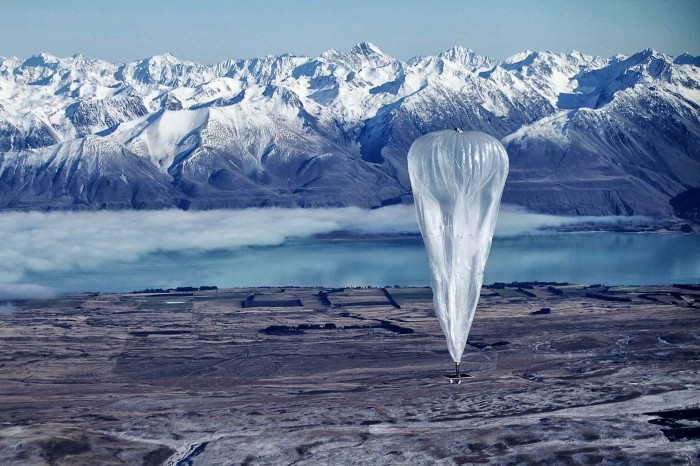
At such a height, wind patterns are hardly affected by terrestrial factors and remain stable, so by moving the balloons between different wind currents, it is possible to accurately control their movement relative to the Earth’s surface.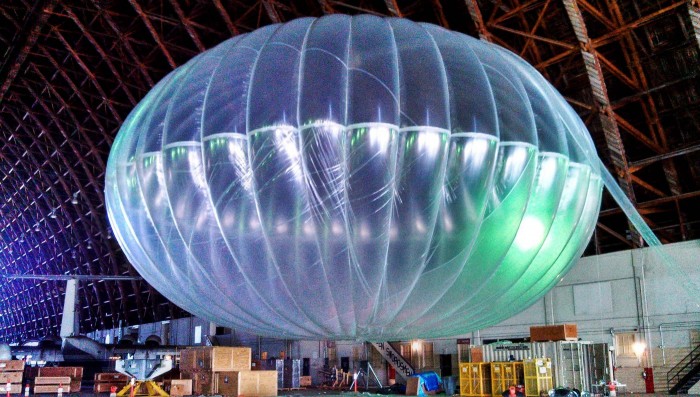
The energy required to operate the equipment on these balloons comes entirely from the sun.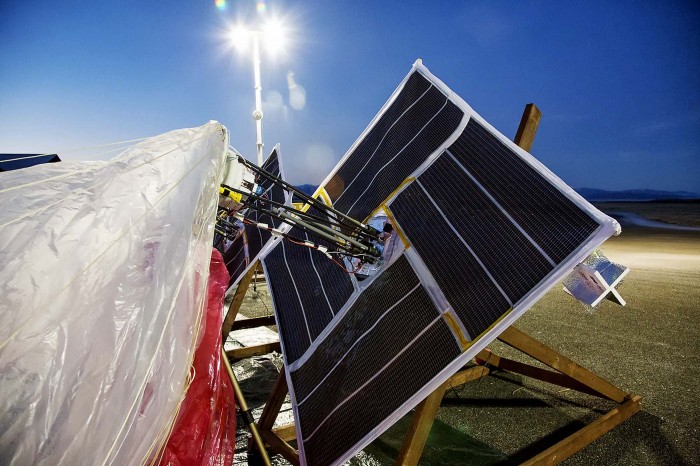
To use Google Loon, users need to install a special antenna that allows them to connect to the balloon’s communication equipment using civilian frequencies of 2.4 and 5.8 GHz, which are available for everyone to use.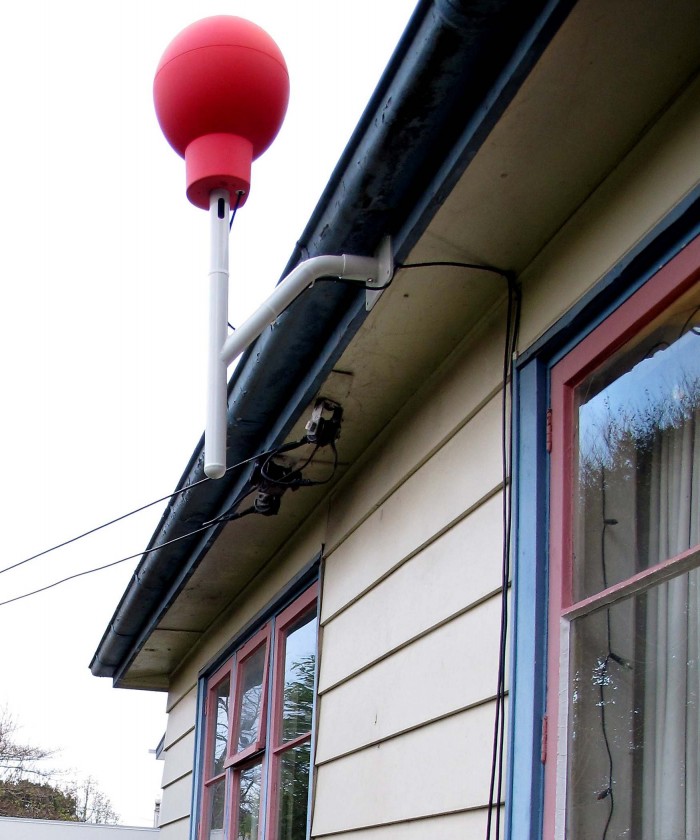
The complexity of this technical solution lies in the fact that the stratosphere has an atmospheric pressure far lower than that on Earth’s surface, and the temperature there is also extremely low. Additionally, due to the proximity to outer space, the levels of ultraviolet radiation are much higher.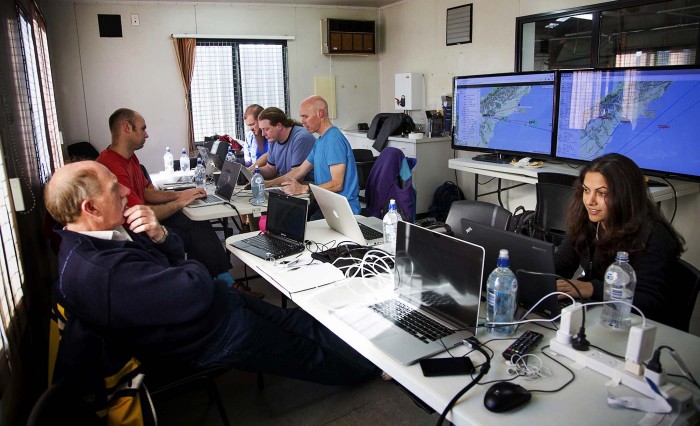
Nevertheless, the project team of engineers has managed to find viable solutions and testing of the first phase of the system, which consists of 30 balloons, will begin tomorrow in New Zealand.