Свято śledźki (Dzień Flag)2 zdjęć
Traditionally, the Sardine Festival is held in the Netherlands on the first Saturday of June, right after the first catch of the new season’s sardines arrives at the port. This catch is special because by the end of May, the sardines have reached their ideal size and contain 14 percent fat.
This festival is often also called “Flaggetjesdag.” Flags are an important element in its name because traditionally, on this day, the harbor of the town of Scheveningen and the surrounding streets are decorated with them. Those who attend the festival get to enjoy this delicacy—the first sardines of the new season, known as “Hollandse Nieuwe.” The first fishing boat to bring sardines into the port of Scheveningen usually receives a monetary reward.
As early as the beginning of the week, once the “sardine fleet” returns from the sea, the fish is processed in a special way, seasoned with a little salt, and then placed in barrels. The first barrel of this high-quality sardine product is donated to Queen Beatrix of the Netherlands. According to an old tradition, to mark the start of the new fishing season, the monarch receives three baskets of fish of specific size, weight, fat content, and saltiness. Later, an auction is held to sell the second barrel of this delicacy; its price can reach up to 30,000 euros! The proceeds from this auction are donated to charitable causes.
The remaining sardines after all these ceremonies are sold to anyone interested and used to prepare sardine banquets that take place throughout the Netherlands, attracting the local elite. Ordinary people can also enjoy authentic “maatseharingen” by buying lightly salted sardines from street vendors.
Vendors, dressed in traditional costumes, quickly remove the oily fish from the barrels filled with murky brine, skillfully skin it, separate the flesh from the bones, and within a minute serve the customer with pure, freshly prepared sardine fillet.
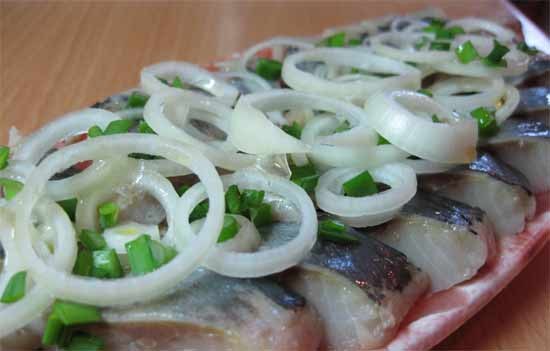
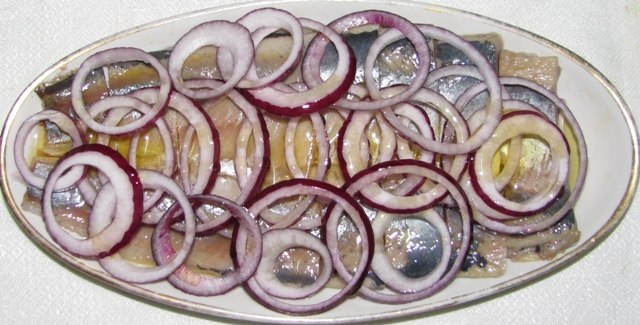
The Day of Sardines is celebrated with performances by numerous orchestras filling the harbor of Scheveningen, equestrian competitions on the docks, and the loud firing of old-fashioned guns into the air.The harbor is filled with both ancient sailboats and modern ocean-going ships that offer tours to everyone interested. All festival attendees eat sardines following a particular ritual: they dip the fish, which have been deboned and gutted, in finely chopped onions, then hold the head up and swallow the fish by the tail. Experienced eaters manage to chew up the whole lightly salted fish in one bite. It is usually served with gray Dutch bread.
Everything is accompanied by beer.
Until the 15th century, sardines were not considered a food fit for decent people. They were disliked due to their strong smell of rancid fish fat and unpleasantly bitter taste. They were the food of the poor and monks, who used them to discipline their pride and abstain from worldly pleasures. King Louis IX of France even gave them to lepers as charity.
This situation continued for a long time until a Dutch fisherman named Willem Jacob Beukels had an idea that completely changed everything. Before salting the sardines, he removed their gills, which were the main cause of their bitterness. He became so proficient in this process that he even invented a method to remove them with just one cut of the knife.
Beukels arranged the prepared fish in neat layers in the barrels and evenly sprinkled salt on top. He did all this right at sea, as soon as the fish were caught, and while the boat was heading toward shore, the fish continued to be seasoned in the barrels.
No one had ever thought of going through such trouble just to process sardines! Beukels’ neighbors were even more surprised when they saw that, after his modifications, their fellow villager’s product turned out to be delicious, fragrant, and tender enough to melt in the mouth. Sardines began to be exported to larger cities, and soon this “new product” became popular throughout the Netherlands.
Thus began a real sardine boom that continues to this day. The fame of Dutch sardines quickly spread beyond the country and across all of Europe. Demand for this “food of the poor” increased dramatically, and the shrewd Dutch merchants immediately invested in fishing operations. A whole “sardine fleet” of specialized fishing boats and ships was established. The Dutch kept the secret of their sardine production tightly guarded, and without any competitors, they set the prices for this delicacy that had become indispensable at every royal court in Europe.
To this day, crowned heads still visit the grave of this fisherman to pay their respects.
Incidentally, the first monarchs to do so were Emperor Charles V and his sister Mary, Queen of Hungary. Both were avid lovers of sardines, and in 1556 they visited the grave of the man who had brought them such joy in life.
Znajdź najlepszych specjalistów dla swojego projektu
Specjaliści od remontów, budowy i wykończeń gotowi Ci pomóc
Polecane galerie
Polecane artykuły


Więcej galerii
 Kanatowa dróż na górę Huashan
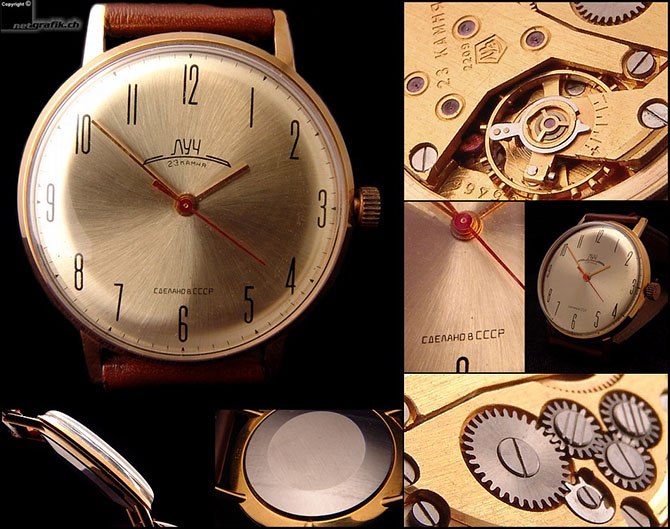 Wspaniałe radzieckie zegarki
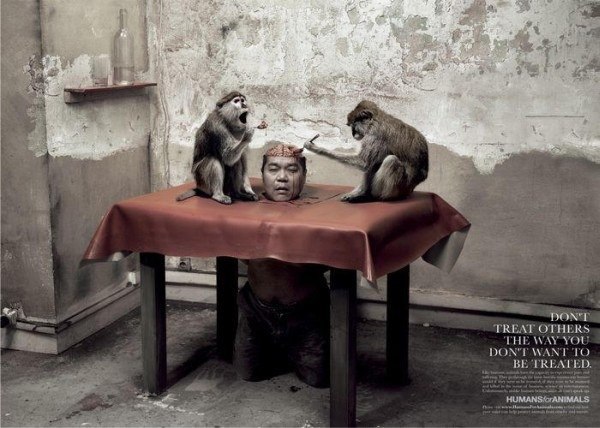 Agresywna reklama na rzecz ochrony zwierząt
 «Детонации» – to jest fotoprojekt szwajcarskiego artysty Ulrich Olha, który czerpie inspirację oraz niepowtarzalną estetykę z wybuchów.
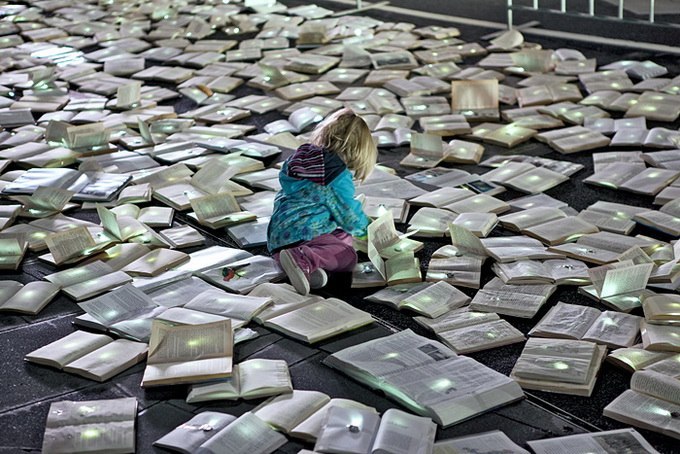 W czerwcu w Melbourne na ulicach miasta można było zobaczyć gigantyczną instalację artystyczną. Hiszpański zespół artystyczny Luzinterruptus stworzył to dzieło sztuki, które dosłownie hamowało ruch na drogach.
 Amerykanie i Rosjanie – to wieczne przeciwstawienie dwóch potężnych narodów. Ale w czym exactly różnice pomiędzy ną? Czy uwaście, że takie różnice w ogóle istnieją? Jeśli tak, to proszę continue reading.
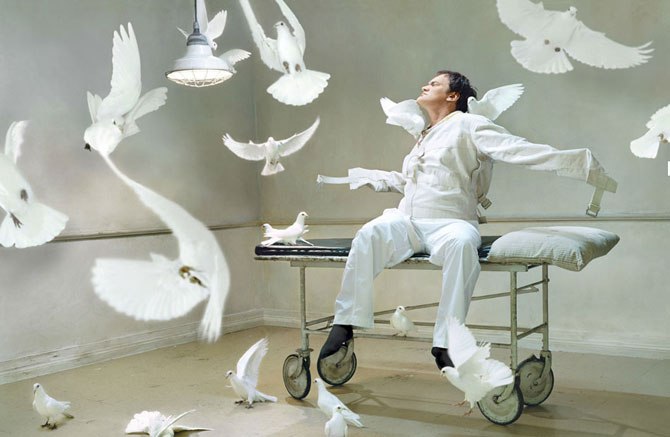 Nieобычne fotografie celebrytów
 Marylin Monroe (real name: Norma Jean Baker) was born on June 1, 1926, in Los Angeles. Two weeks after her birth, the baby girl was placed in a foster family.
 Grotty Lunmen w Chinach
 Бумажowa anatomia Lisy Nilsson
 Pływające miasta
 Jezioro w Birmie