Pierwsze jarmarki książki w Charkowie10 zdjęć
First Book Fairs in Kharkiv
Instead of providing a detailed explanation, it is worth noting that the Revolution of 1917 fundamentally changed the circumstances in which the book industry developed in the country. Monopolistic control over printing, ideological dictatorship, centralized management, overly detailed long-term planning, and strict censorship were the new norms that characterized this period.
Already three days after the revolution, the “Decree on Printing” was enacted, which led to the closure of the most counter-revolutionary publications. For this same purpose, in January 1918, the Revolutionary Tribunal for Printing was established. By mid-1918, nearly all bourgeois journals and newspapers had been shut down, and their assets were taken over by the new authorities. Almost all pre-revolutionary publishing and book trading companies were also nationalized and ceased operating.
In 1919, the State Publishing House of the RSFSR (known as Gosizdat or GIZ) began its activities. Its responsibilities included not only publishing literature but also conducting censorship, overseeing the operations of all publishing houses, and allocating all paper supplies and printing resources. By the 1920s, it had become the largest publishing house in not only Russia but also the entire world.
Bookstores continued to operate for the first few months under Soviet rule, but they soon closed due to a lack of books. All printed materials were primarily distributed free of charge. Mobile book distribution teams, along with various forms of propaganda activities among the population, were widely used.
In the 1920s, there were significant changes in the production of literature. Instead of pamphlets, appeals, and small brochures during the Civil War, more substantial publications began to appear – an increase in the release of educational, scientific, and artistic works, both classical and by early Soviet writers. Publicly political literature held a primary place among these publications.
It might have seemed that the problem of “book shortages” that existed in the country in the immediate aftermath of the revolution had been resolved. However, due to the low purchasing power of the population, the increasing volume of printed books failed to find enough buyers, leading to overstocking.
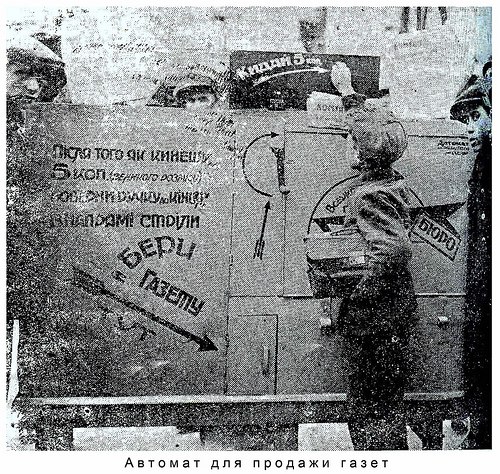
Under such circumstances, new forms of book distribution were sought and implemented. Book kiosks were established directly in factories and enterprises, and a system of worker credit was introduced. The practice of “book sharing” also emerged, where books were distributed on a voluntary basis within companies and educational institutions.
One of the most important forms of promoting books became the book fair. The first book fair was held in connection with the Soviet Printing Day on May 5, 1927, in Moscow’s Tverskaya Boulevard. Various book auctions, lotteries, and quizzes were organized to attract buyers. Hundreds of book stalls were set up, and there were also areas where second-hand books were sold.
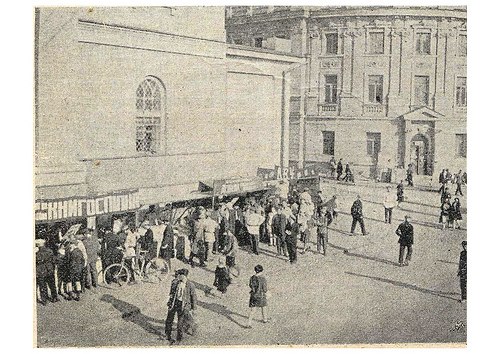
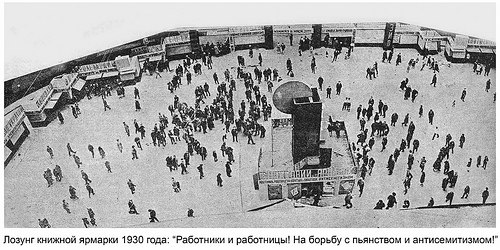
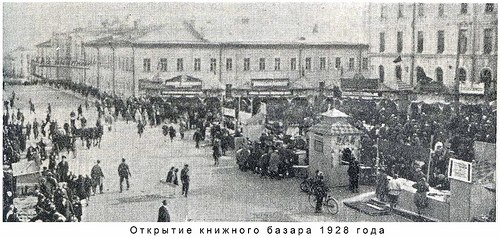
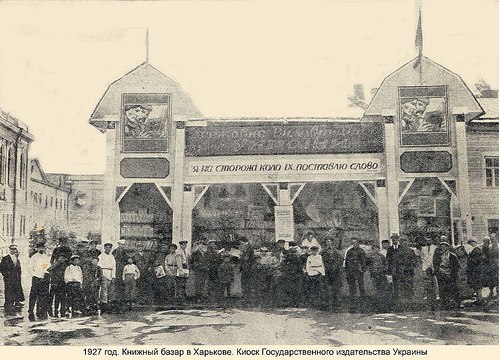
In the same year, a book fair was held in Kharkiv for the first time. The location chosen was Soviet Square on University Hill. For some time, this event became an annual tradition. Until 1931, when construction work began on the future House of the Red Army on the same square, the venue remained unchanged.
For four years, from 1927 to 1930, the magazine “Vsesvit” regularly published brief reports and photographs about the book fairs held in Kharkiv. These accounts give insight into the challenges faced by reporters at that time.
Here are some excerpts from these publications:
“…The book fair covered a large area of Soviet Square. Elegantly designed publishing stalls were closely arranged next to each other, and above them, red flags fluttered in the wind… This fair was like an arsenal filled with various literary materials, all intended for the ‘third front’ of culture and education… As for the readers, they had truly grown intellectually over the past period. Efforts to eradicate illiteracy were ongoing throughout the country, and demand for books and newspapers was increasing steadily. At 4 in the afternoon, as the sun set in the west, the streets were filled with people returning from work… Each publishing house had its own devoted readers, who gathered around their stalls. These readers were so diverse! Next to a worker in a blue shirt covered with oil stains, there was a clerk in a slightly faded spring suit—hunched over from years of working at a desk. There were also farmers with bags on their shoulders… And there were those special visitors, the bibliophiles, for whom this fair was especially attractive…”
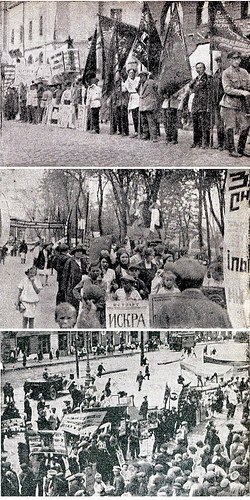
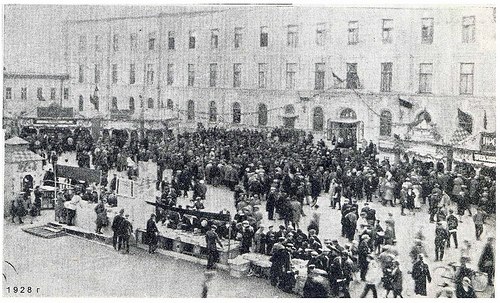
In 1928, the book fair was part of a two-week event celebrating Ukrainian press. It concluded with a “grand book carnival.”
“Ukraine’s capital had never seen such a vibrant and festive celebration of print culture before… Heroes of children’s stories like Defoe, Jules Verne, and Mayne Reid seemed to come to life on the city streets. The noise, laughter, and the sounds of music encouraged the cheerful children participating in the carnival and the surrounding spectators… Young people dressed in traditional Ukrainian costumes carried quotes from the works of Ivan Franko, Mikhail Koczyubynsky, and Taras Shevchenko…”
The book carnival continued beyond the fair, moving through various squares and streets until it reached the Communal Park.
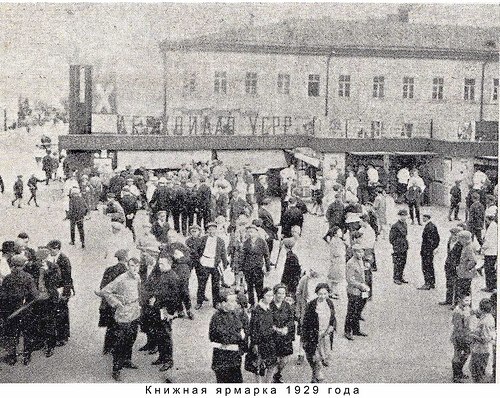
In 1929, the book fair was dedicated to the sale of Ukrainian Soviet books exclusively.
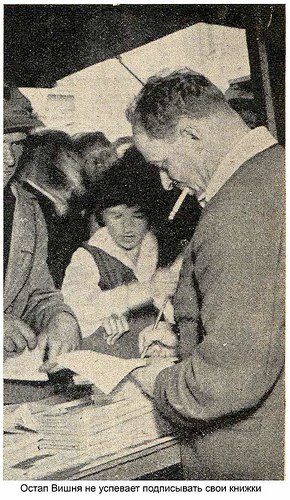
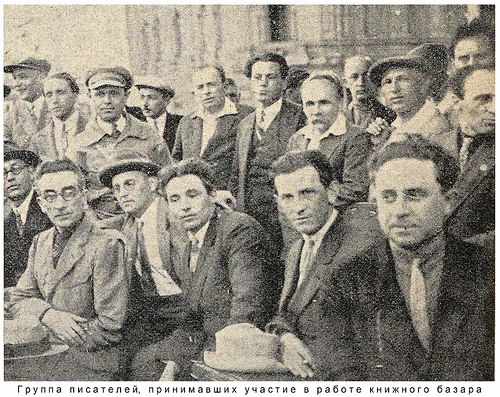
“…In Ukrainian history, this was an unprecedented event: the authors of the books themselves were present at the stalls! Thousands of readers received their books directly from the authors’ hands. Dozens of famous names from Ukrainian literature, as well as guests from Leningrad and a group of Jewish writers, all participated in the sale. Everyone was able to buy books, even those whose authors were not represented at the fair. Discount rates of up to 70% made it possible for anyone with even a small amount of money to make a purchase… It’s a pity that the publishers brought only limited quantities of books, so not everyone could get what they wanted…”
Znajdź najlepszych specjalistów dla swojego projektu
Specjaliści od remontów, budowy i wykończeń gotowi Ci pomóc
Polecane galerie
Polecane artykuły



Więcej galerii
 Budowlana gorączka 100 lat temu
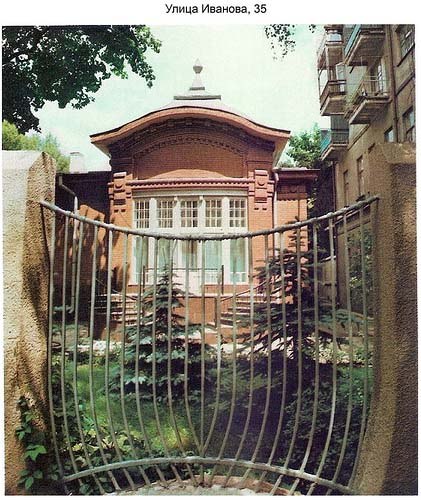 Iwanowa 35
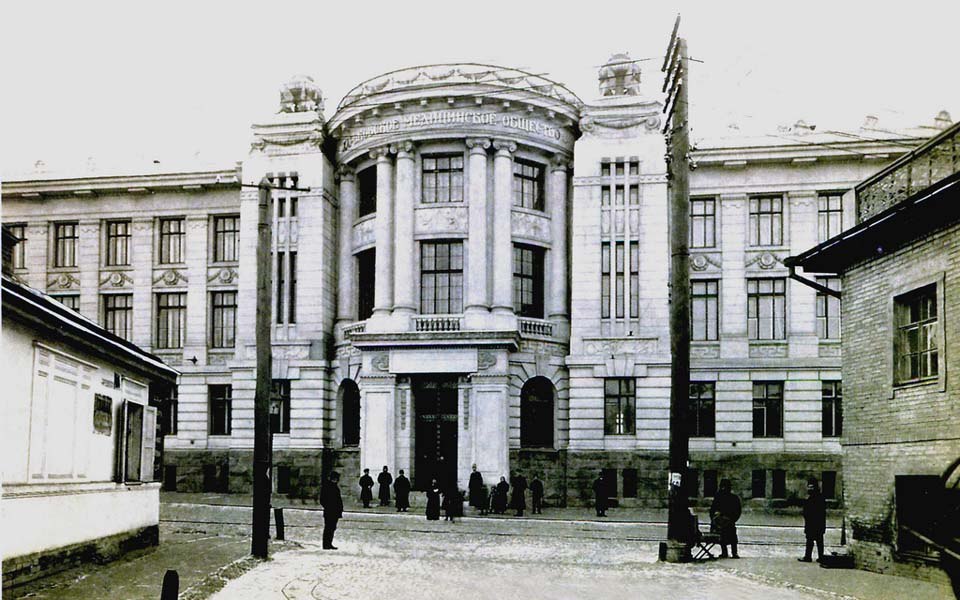 Puszkinska 16
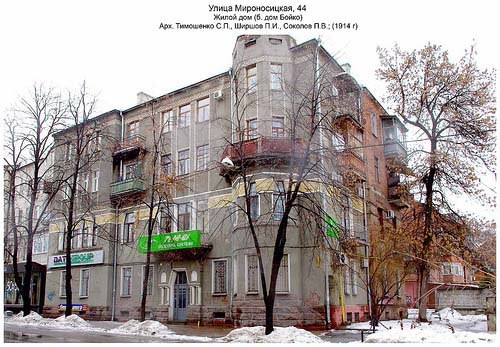 44 Mironośinska
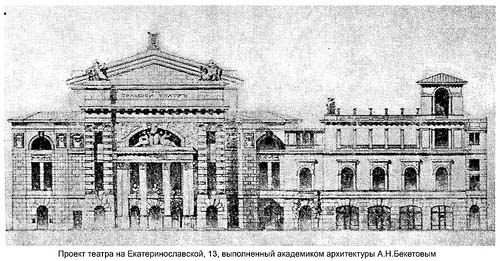 Пoltawski szlak, nr 13
 Dom Surukchi – to rezydencja w której F. I. Szalapin przebywał przez wiele lat.
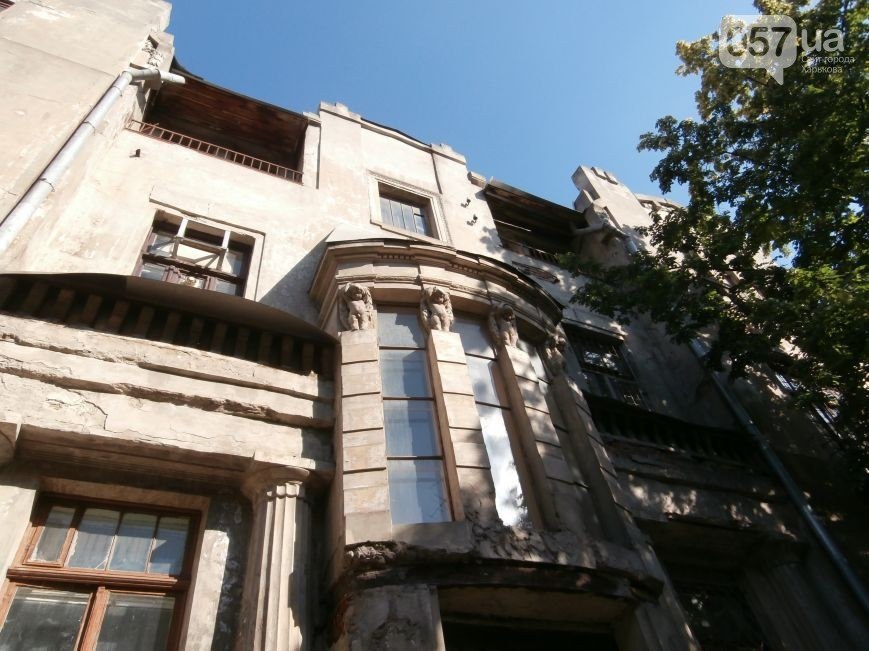 Dom miłości, w którym mieszkali ci intelektualiści, którzy później zostali zabici.
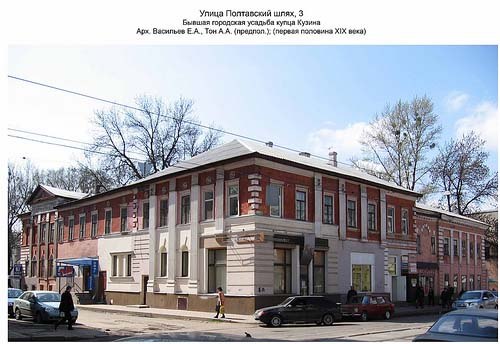 Полтавський шлях, 3 (wcześniej ulica Jekaterynosławska)
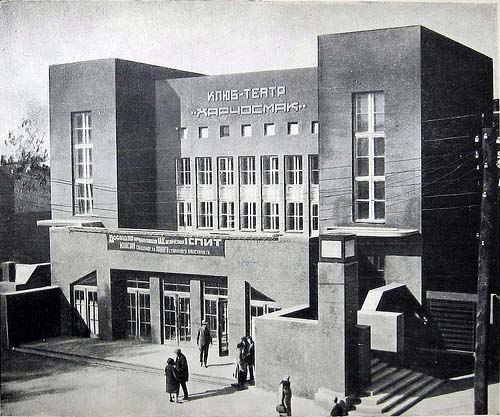 DK „Piszewik”
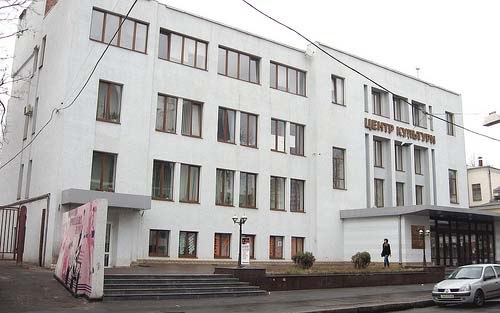 Stowarzyszenie pracowników sektora komunikacji („Klub Komunikacji”)
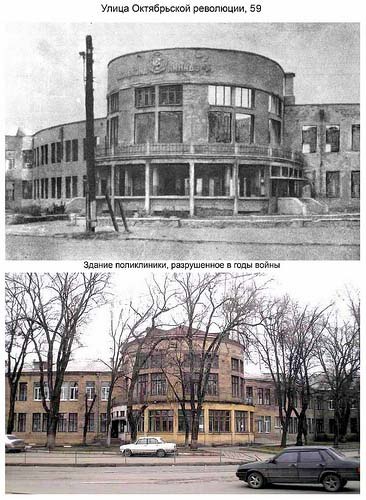 Budynek 22-go polikliniki<br>(Ulica Oktyabrskiej Revolucji 59)
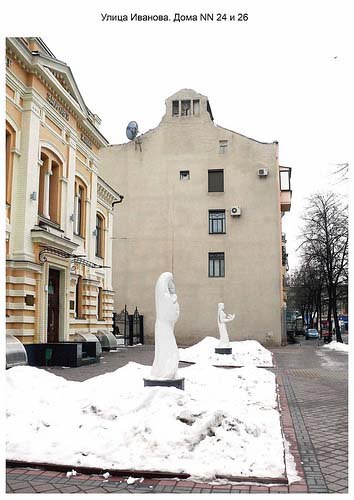 Iwanowa 26