Будівельна лихоманка 100 років тому5 фото
Строительная бум в Харькове начался лет за five-шесть before Перв World War. Year after year, the number of buildings under construction increased: in 1908, the city council issued 417 construction permits, in 1909 — 498, in 1910 — 609, in 1911 — 738, and in 912, the number rose to 822.
Each subsequent month set a new record, and more and more people wanted to build houses. Here are some additional figures: in the first three months of 1912, the city authorities approved the construction of 159 buildings; in the same period of 1913, this number rose to 208.
Harbor City Skyscrapers
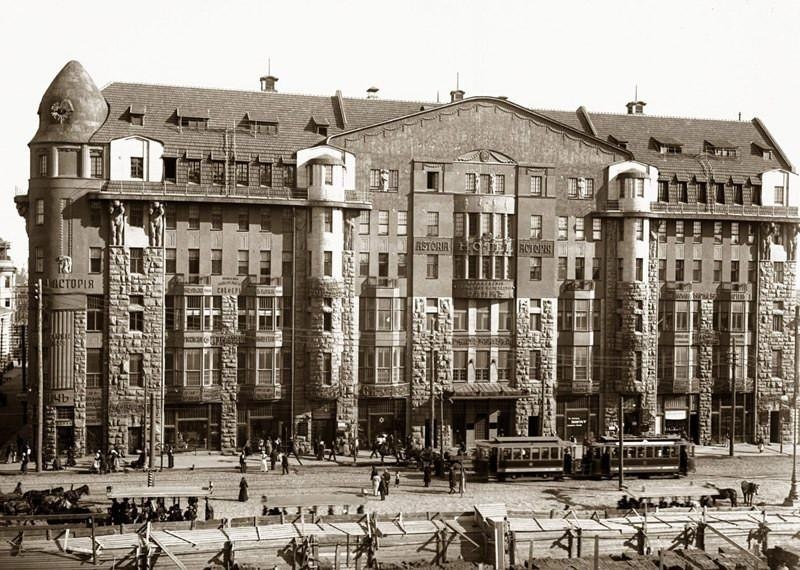
Buildings became increasingly large and tall, and newspapers often reported on the emergence of skyscrapers in the city. Although the tallest ones didn’t exceed six floors, it’s important to note that for the first time in 250 years, Harrow, which had previously consisted mainly of one- or two-story buildings, began to develop into a modern urban space. Therefore, it’s easy to understand why our predecessors were so amazed by these five- and six-story giants. Among the most impressive structures were the new Merchant Bank building with the “Astoria” hotel on Trade Square (now Rosa Luxembourg Square); this building was often referred to as the “Melody House” due to a nearby shop with that name. Another notable landmark was the medical society’s building at 14 Pushkin Street (currently the I.I. Mechnikov Institute of Microbiology and Immunology).
The Merchant Bank opened its doors on Christmas Eve 1912, and in March 1913, the “Astoria” hotel was inaugurated there. According to newspapers, the hotel was equipped with all the latest European comforts and amenities, such as water supply, bathtubs, sewage systems, telephones, and two elevators.
Apartments Buildings
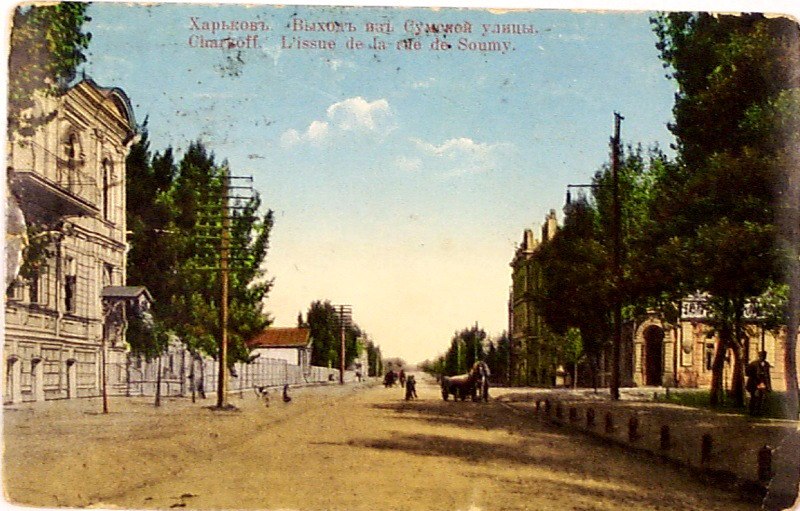
Of course, the majority of buildings constructed in Harrow were residential ones. Construction activities were intense throughout the city – on its outskirts, in areas like Moskaliovka, Ivanovka, and near the Chobotarskaya and Yaroslavskaya streets, as well as in the center, along streets like Sumskaya and Pushkin Street, extending towards the city park (now Gorky Park). Even newly established streets east of Pushkin Street, in the direction of Zhuravliovskiy Slope, were developed. This area later became known as the “Quiet Center” of the city.
The 1920s marked the peak of architectural development in Harrow. Many famous architects worked here, and their designs created buildings that have become landmarks of both architecture and culture. Among them were Beketov, Velichko, Korenenko, Zagoskin, Ginzburg, Caune, Estrovic, Pokrovsky, Dikansky, Gorokhov, Rzepishevskiy, and others.
The name Alexander Ivanovich Rzepishevskiy is closely associated with the emergence of so-called “apartment buildings” in Harrow. Before this type of housing development emerged, residential buildings usually belonged to a specific owner who would sell or rent out the apartments within his property.
Apartments were extremely expensive at that time; not everyone could afford to rent even a modest one. In Harrow, renting a room with basic amenities cost around 300–350 rubles per year, depending on its location. In terms of housing prices, Harrow ranked third only to Petersburg and Moscow.
In the early 20th century, the idea emerged of building apartments using funds contributed by the residents themselves. This way, people could move into homes they didn’t have to pay extra for later.
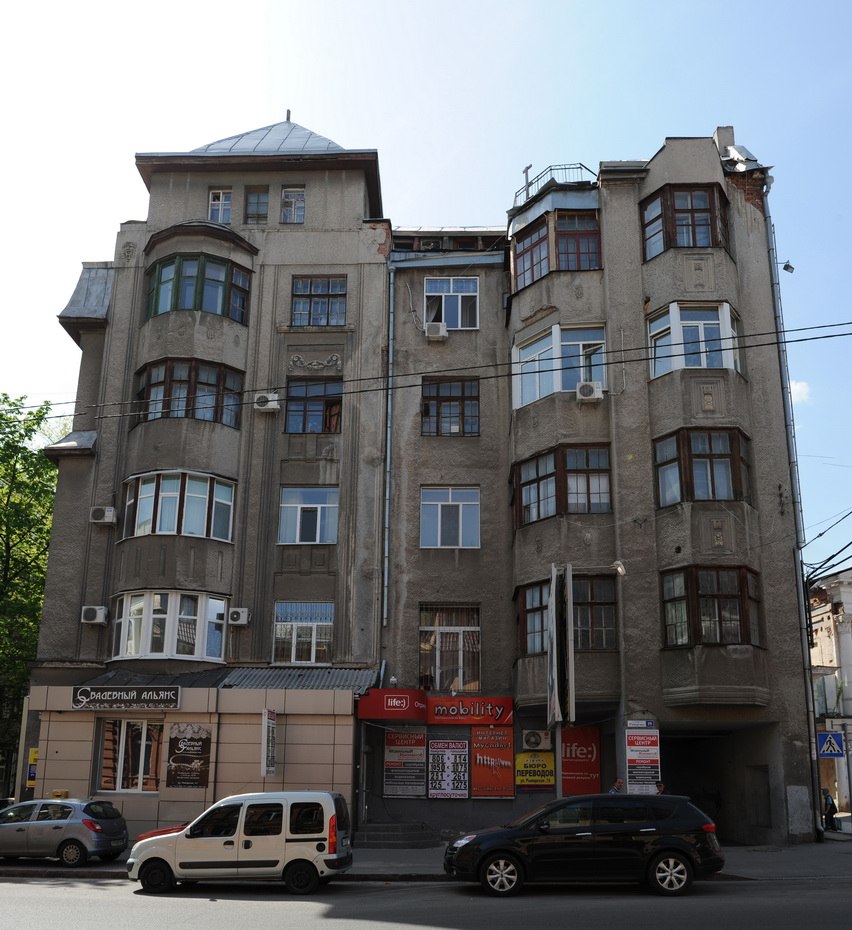
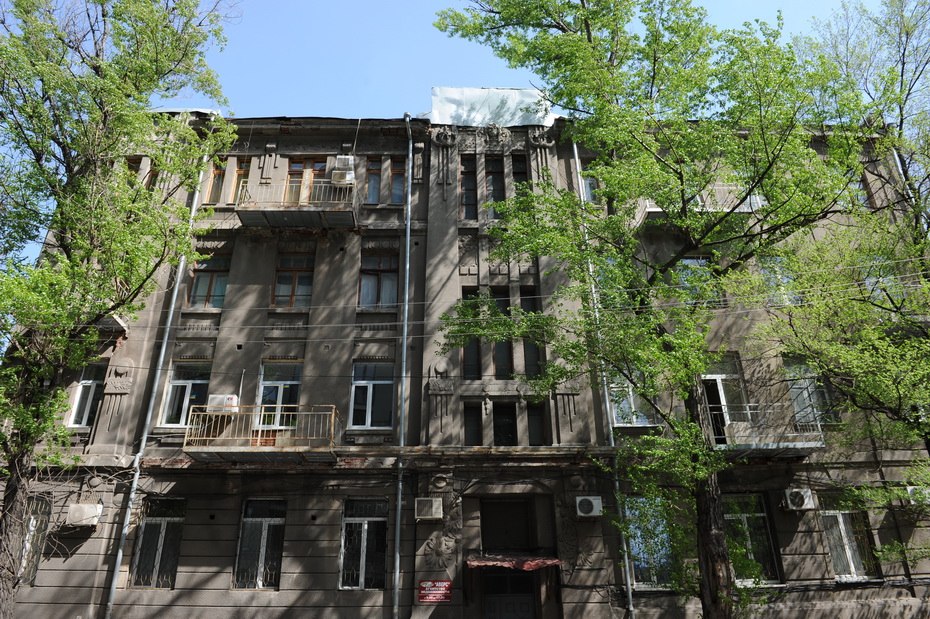
Rzepishevskiy was not the originator of this idea. The first apartment building in Harrow was constructed at the end of the summer of 1910. The initiative came from a man named Lubarsky, who convinced eight partners to support the project. This four-story building still stands today; it is located at number 4 on Chernyshevskaya Street. Unfortunately, the sign that read “First Apartment Building” once placed on the building has been lost over time.
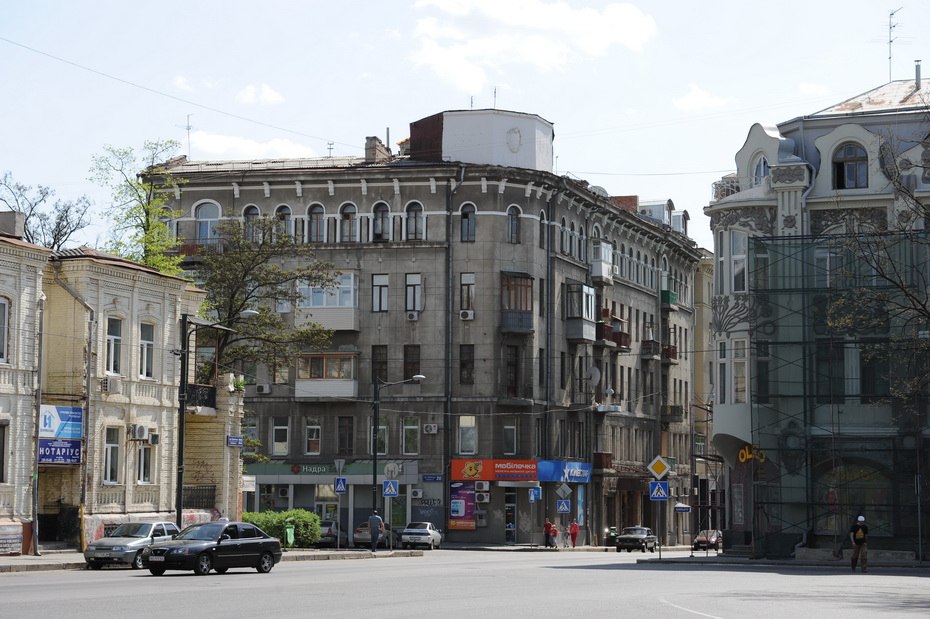
A year later, several housing construction organizations had already emerged in Harrow. One of them built a five-story building at the corner of Pushkin Street and Skrypnitskaya Street (now Vorobiyova Street). The organization was led by P.V. Markin, V.N. Abramov, and military engineer V.M. Vitaliev. The building contained 20 apartments, and according to the founders’ calculations, the owners who became tenants no longer had to pay extra fees. This saved them around 40.6% to 55.2% on their expenses. Such apartment buildings also exist today, although they have undergone significant renovations during the Soviet era.
In early 1913, another cooperative housing organization, the “Harkovskoye Tovarishchestvo Postantnykh Kvartir,” was established under the leadership of architect Rzepishevskiy. He had come to Harrow from Petersburg to work on the construction of the Merchant Bank building and stayed there afterward.
The first apartment building constructed by Rzepishevskий was located at 19 Rymskaya Street. This building was significantly larger than previous ones; it contained 50 apartments, each with 2–8 rooms. The initial cost of construction was estimated at 656,949 rubles. Members of the cooperative had to pay 40% of the total cost upfront, while the remaining 60% was to be paid in installments. The owners thus saved around 15% on the overall cost. Given that an apartment in this area at that time cost approximately 1600 rubles per year, this was a very affordable option.
Source: vk.cc/1urHsi
Philip Dikany
#1solica_history
Знайдіть найкращих фахівців для вашого проєкту
Майстри з ремонту, будівництва та оздоблення готові допомогти вам прямо зараз
Рекомендовані фотогалереї
Рекомендовані статті



Більше фотогалерей
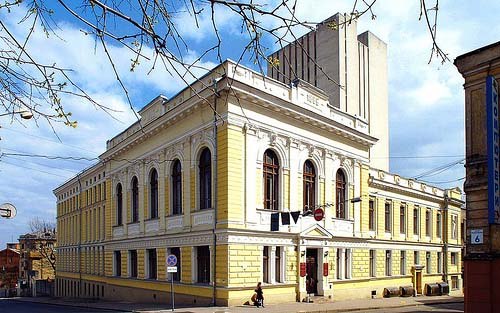 Громадська бібліотека<br>(Харківська державна бібліотека імені В. Г. Короленка)
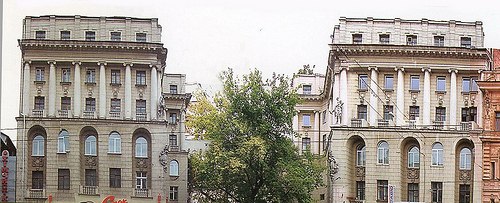 Колишній багатоквартирний будинок страхової компанії „Саламандра“.<br>(Вулиця Сумська, 17)
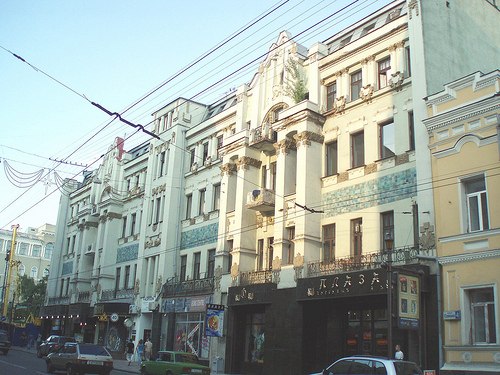 Сумська, 6.
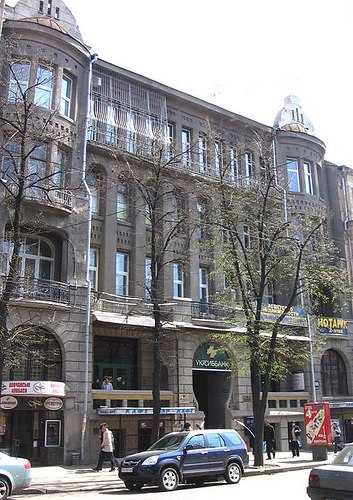 Бывший дохдьовий будинкам Ландо-Безверхова.<br>(Арх. Гінзбург А.М. (1906).)
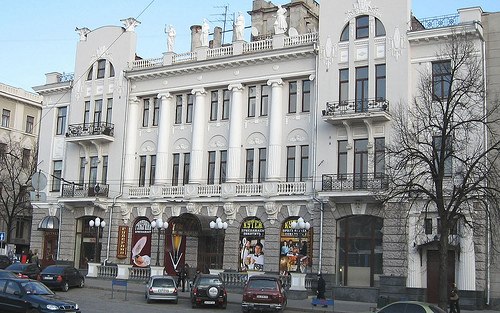 Колишній будинок для проживання малозабезпечених „Алад’їн“ (вулиця Сумська, 44)
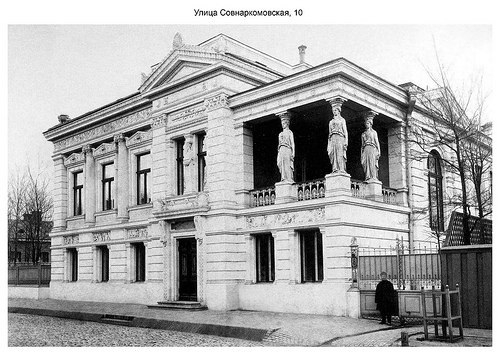 Дім науковців (вулиця Совнаркомовська, 10).
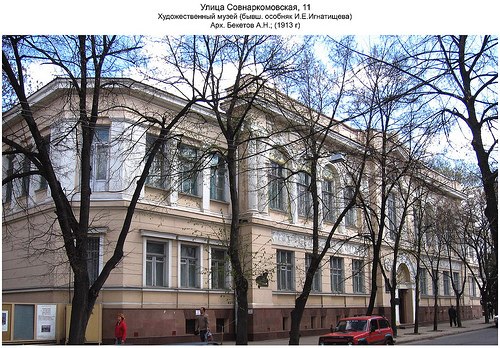 Совнаркомовська, 11.
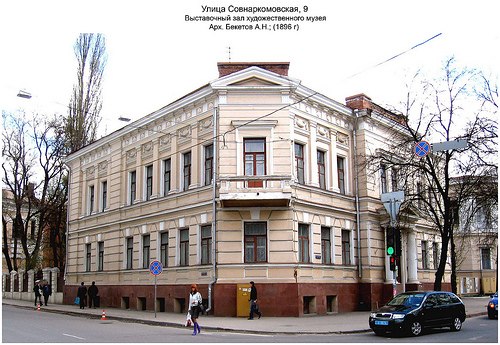 Вулиця Совнаркоомовськай та вулиця Чернишевського, перехесток на розі.
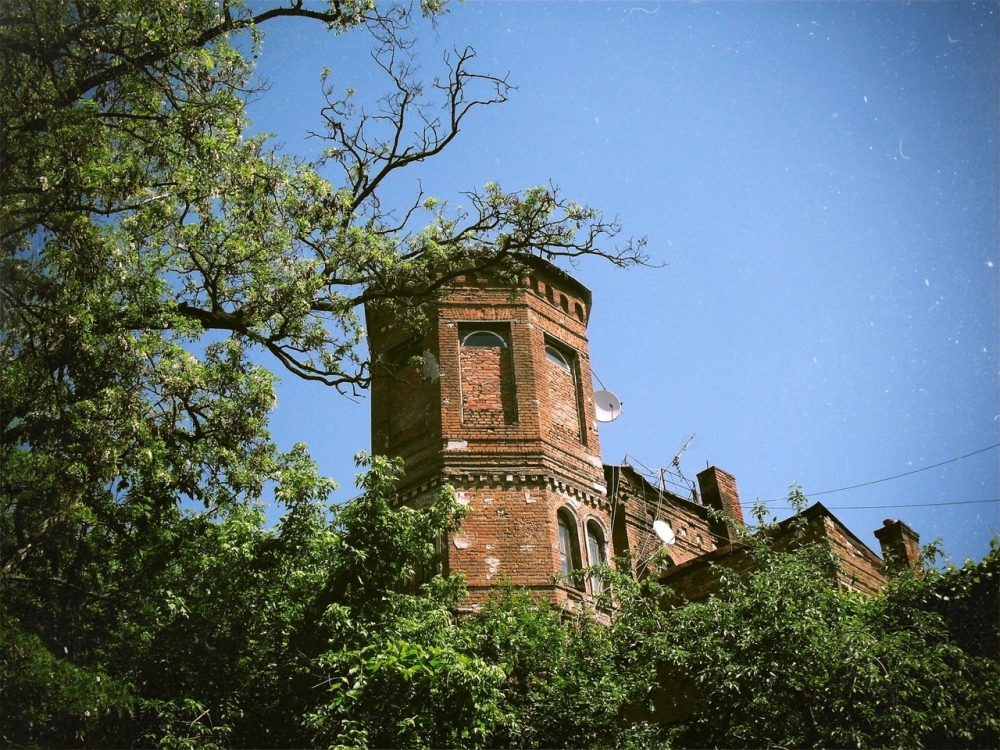 Харьковські провулки та дворики приховують у собі багато цікавих будинків та місць. Один з таких провульків знаходиться на Саммеровському переулку. Він перетинається з Кравцовим переулком та розташований приблизно посередині, між вулицями Клочковською та Рымарською. Цей провулок був заснований…
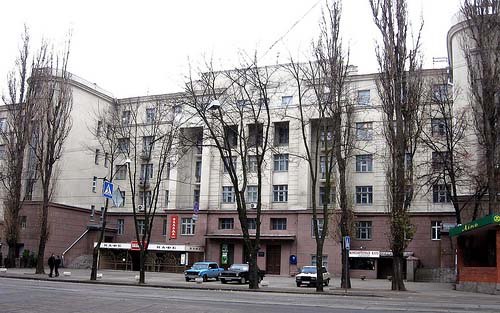 Студентське містечко „Гігант“
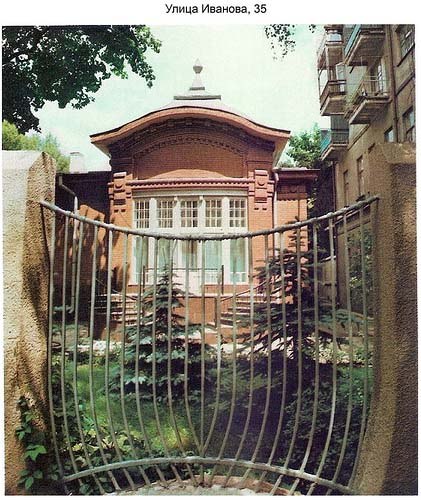 Іванова, 35
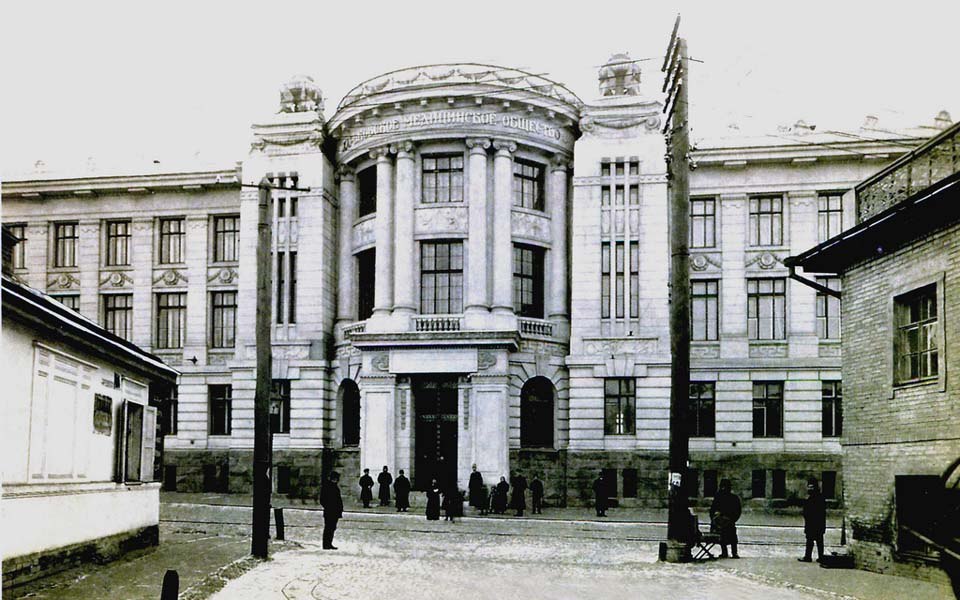 Пушкінська, 16