梅利顿·坎塔里亚2 张照片
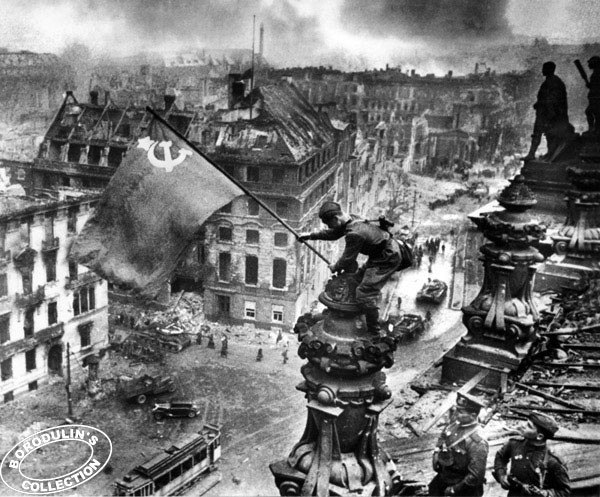
He became known for raising the Flag of Victory on the roof of the Reichstag together with Sergeant Mikhail Egorov. The group was commanded by Lieutenant Aleksey Berezest.
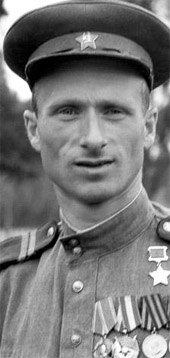
Meliton Varlamovich Kantaria was born on October 5, 1920, into a peasant family in Jvari—a town (now a city) in western Georgia, located on the Inguri River. When he turned 17, he moved to the Abkhazian city of Ochamchira, where he met his first wife. In 1938, Meliton was drafted into the army, and it was there that the war broke out. He began participating in battles in December 1941 and ended the war as a junior sergeant in the 756th Rifle Regiment of the 150th Rifle Division, part of the 3rd Shock Army of the 1st Belarusian Front, where he served as a scout.
He became known for raising the Flag of Victory on the roof of the Reichstag together with Sergeant Mikhail Egorov. The group was commanded by Lieutenant Aleksey Berezest.
According to official sources, early in the morning on May 1, 1941, Sergeants Egorov and Kantaria installed a red flag above the dome of the Reichstag. The flag was hastily made, and quite a number of such flags were produced—according to war correspondent Boris Alexandrovich Sokolov, who filmed those events in May, there were more than forty of them. Since fierce battles were taking place around the Reichstag and German soldiers held their position tenaciously, it was not possible to rely on just one flag. Although the flag was installed, the fighting continued throughout the day and did not end until night on May 2, when the garrison of the Reichstag surrendered.
Thus, this simple, hastily made flag became a symbol of the Soviet army’s victory in the Great Patriotic War. After the war, this Flag of Victory was placed in a prominent position at the Central Museum of the Armed Forces in Moscow. All those who were involved in raising it over the Reichstag—starting from Kantaria and Egorov and ending with the division commander—were awarded the title of Hero of the Soviet Union. However, in recent years, the fact that it was precisely Kantaria and Egorov who raised the flag has been increasingly questioned.
Historians believe that the honor was decided shortly before the Victory Parade on May 9 and was given to Lieutenant Berezest’s group for the following reasons: Kantaria was Georgian by ethnicity, just like Stalin, while Egorov’s surname symbolized an ordinary Russian soldier. In any case, they all fought for their country and participated in those bloody battles, and they all deserve the high title of Hero.
He was demobilized in 1946, and that same year, the division he had served in was disbanded. Upon returning to his homeland, Kantaria worked in a kolkhoz and engaged in some trade activities. A few years later, he moved with his family to Sukhumi. He and his wife had three children together: two sons and a daughter. According to one of his sons, Meliton Varlamovich rarely talked about the war and did not like to reminisce about it. He could not even watch war films because his memories of that time were still too vivid, despite the fact that the war had ended many years ago. One story his son particularly remembered from his father’s accounts about that bloody conflict was this: “Once in Belarus, my father and other scouts took over barracks that the Germans had abandoned. The Germans had left, but they had left behind bags of white bread scattered everywhere. Our soldiers, who hadn’t seen bread for several years and were forced to eat horse carcasses and grass, rushed to grab it. The commander immediately warned them that the food might be poisoned—and indeed it was. Out of 85 people, only 17 survived.”
When asked how he and Egorov managed to raise the Flag of Victory, Kantaria would always joke, “They provided us with a lift; we got inside, and voila—we raised the flag on the roof.” Both Mikhail Egorov and Meliton Kantaria always attended the Victory Parades. On their 30th anniversary, they were each given a car as a gift. It was precisely in one of these cars that Kantaria’s comrade-in-arms, Mikhail Egorov, died in an accident.
Many years later, the Abkhazian conflict forced Kantaria’s family to leave Sukhumi. Their house was bombed, and they didn’t even have time to retrieve their belongings, awards, or pre-war and war photographs. They moved to Tbilisi and later to Moscow. In his final years, this distinguished veteran faced many difficulties—he had to seek out officials to prove that he was “the real Kantaria,” obtain refugee status, and restore his documents. All these challenges took a heavy toll on Meliton Varlamovich. On December 27, 1993, he passed away on a train traveling from Moscow to Tbilisi.
He was buried in his hometown of Jvari, at the school that bears his name—the school of a hero who raised the Flag of Victory over the Reichstag.
为您的项目寻找最佳专业人士
维修、建设和装修专家随时准备帮助您
推荐画廊
推荐文章


更多画廊
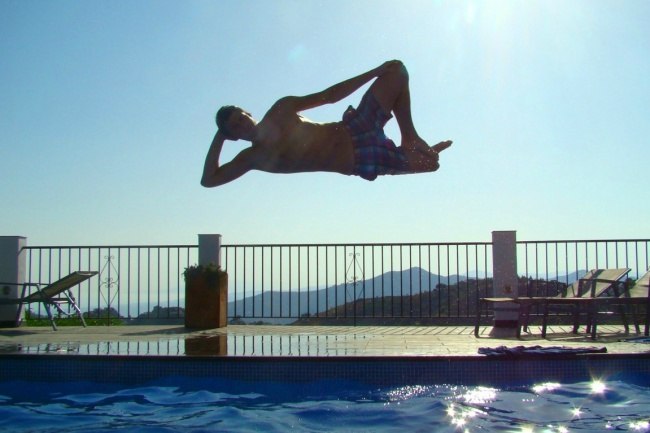 自由潜水(休闲潜水):这种新的娱乐活动是由在英国感到无聊的年轻人们发明的。
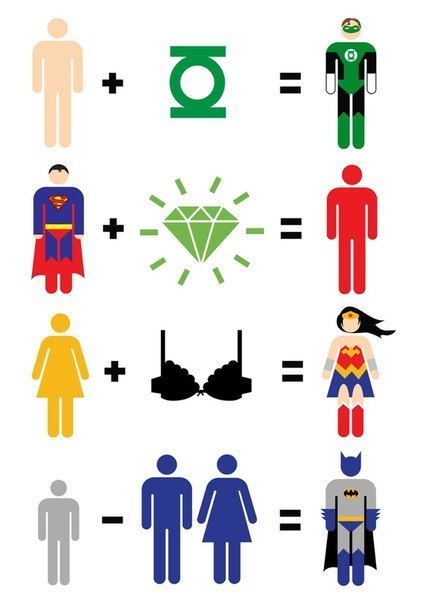 意大利平面设计师Matt Cowan创作了一系列插图形式的数学公式,这些公式将超级英雄与反派角色进行了对应关联。
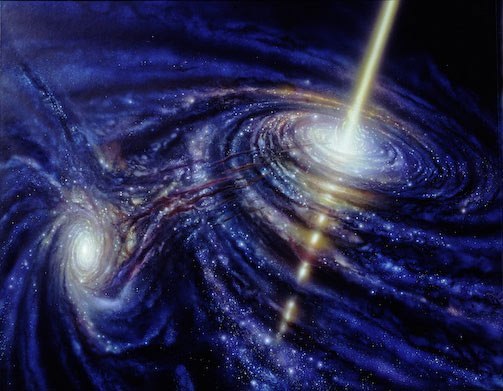 夸克星
夸克星 assistant
 荒凉之地上的涂鸦
 克里斯托弗·S
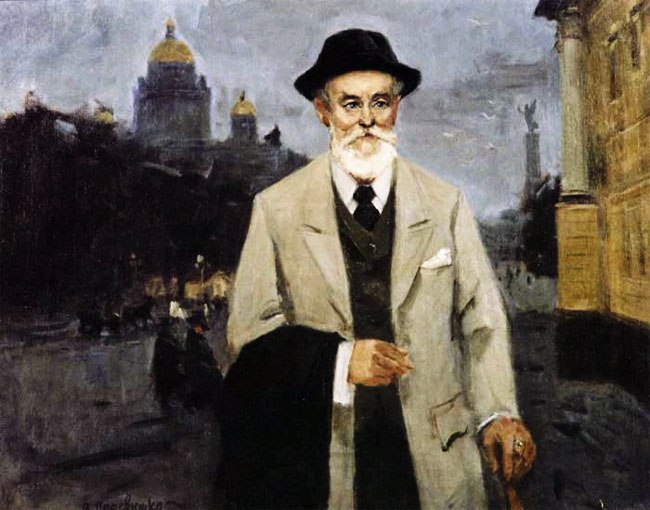 彼得·卡尔·法贝热于1846年5月30日出生在圣彼得堡。他的父亲是一位从事珠宝制作的普通首饰商。这个男孩很早就展现出了艺术天赋以及对珠宝艺术的浓厚兴趣。
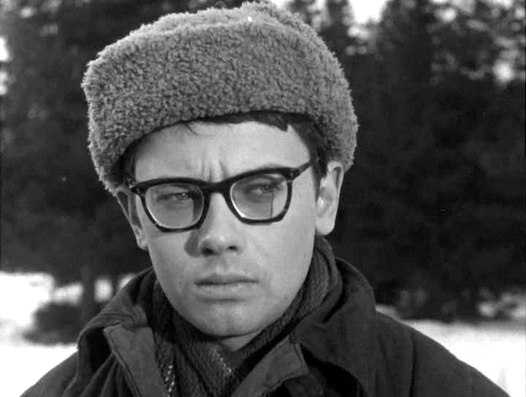 亚历山大·谢尔盖耶维奇·杰米亚年科出生于1937年5月30日,出生于斯维尔德洛夫斯克。他曾在吉蒂斯学习,毕业后在马雅可夫斯基剧院工作了几个月,随后搬到了列宁格勒,并在那里度过了余生。他的戏剧生涯……
 Iris Tablet——这是富士通公司推出的一款透明平板电脑。
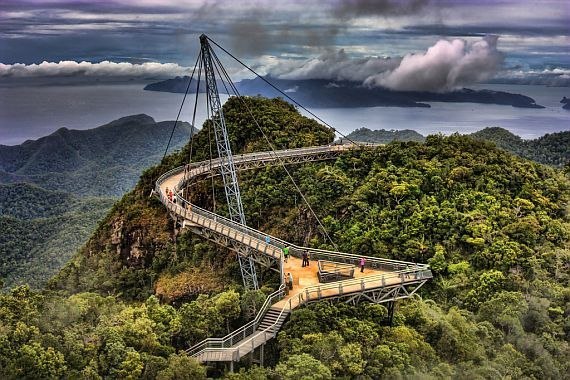 #### China: The Suspended Bridge in Malaysia
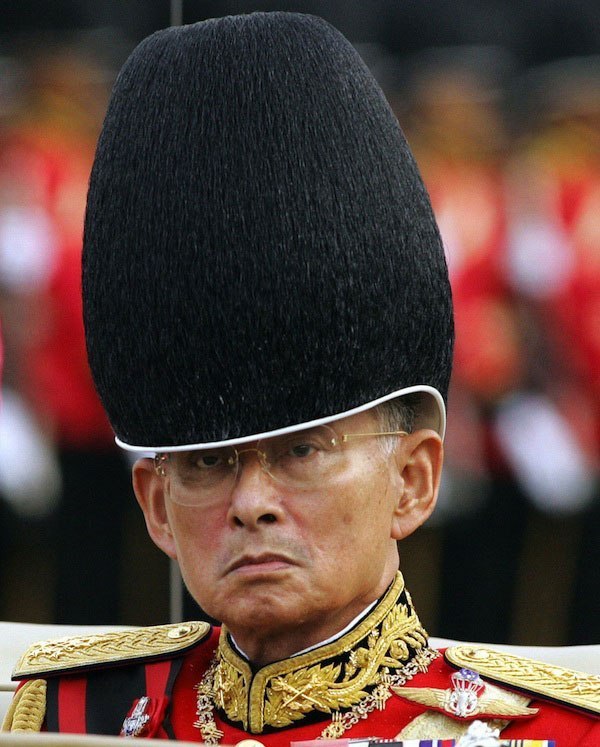 现代世界最富有的6位国家元首
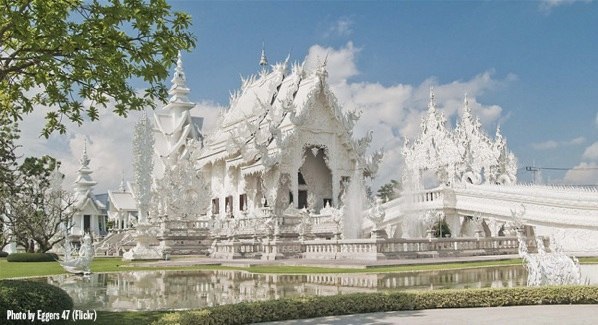 泰国北部的清莱市是传统泰式文化和艺术繁荣发展的地区之一。在该市以南5公里处,有一座外观极为美丽的白色建筑——隆坤寺,也被称为“白色寺庙”。