100 years ago, during the construction boom period, there was a surge in construction activities throughout the country.5 张照片
#### Construction Boom 100 Years Ago
In the spring of 1913, the number of beggars on the streets of Kharkiv noticeably decreased. This fact was noted by the local newspapers. But where had all the local beggars gone? They had left their usual places of begging and moved... to the construction sites. 100 years ago, Kharkiv was experiencing a genuine construction boom.
The construction boom in Kharkiv began several years before World War I. Year after year, the number of buildings under construction increased. In 1908, the city council issued 417 construction permits; in 1909, this number rose to 498; in 1910, it reached 609; in 1911, it was 738, and in 1912, the number of permits granted reached 822.
Every subsequent month set a new record. With each passing season, more and more people decided to build their own homes. Here are some additional statistics: in the first three months of 1912, the city authorities issued 159 construction permits; in the same period of 1913, this figure increased to 208.
Kharkiv’s skyscrapers
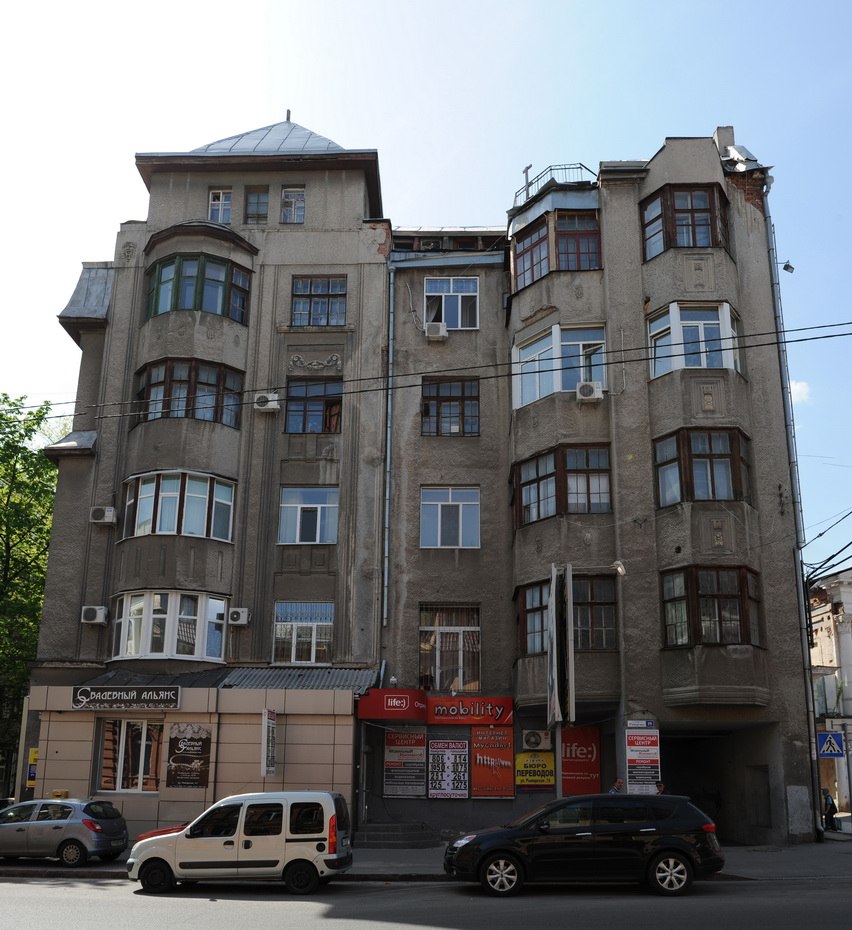
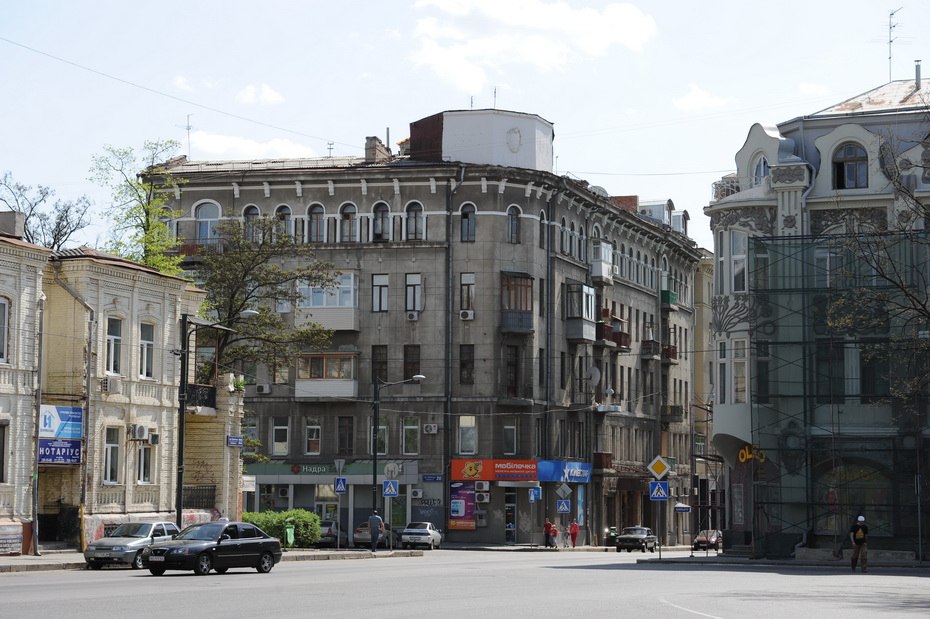
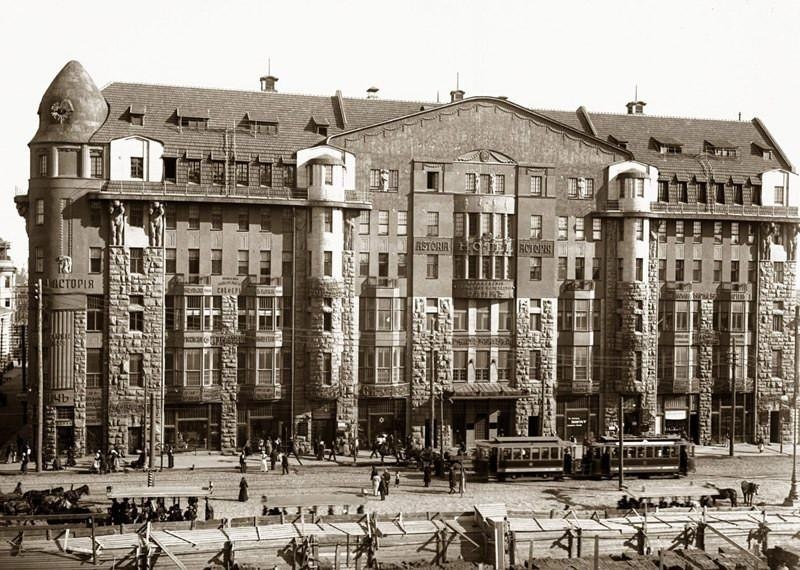
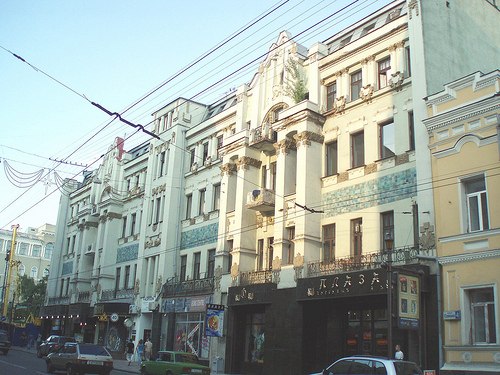
As buildings became larger and taller, newspapers began to frequently mention the emergence of skyscrapers in the city. Although the tallest of them didn’t exceed six floors, it is important to remember that for the first time in 250 years of its history, Kharkiv began to develop into a multi-story city. Therefore, it is easy to understand why our predecessors were so amazed by these five- and six-story giants. Among the most impressive buildings were those of the new Merchant Bank, which included the “Asteria” hotel, located on the Trade Square (now Rosa Luxembourg Square); this building was often referred to as the “Melody House” due to a famous shop located there. Another notable building was the Medical Society’s headquarters, located at 14 Pushkin Street (now the I.I. Mechnikov Institute of Microbiology and Immunology).
The Merchant Bank opened its doors on Christmas Eve 1912, and in March 1913, the “Asteria” hotel was inaugurated there. According to newspapers, the hotel was equipped with all the most modern conveniences: water supply, bathtubs, sewer system, telephones, and even two elevators.
### Residential Buildings
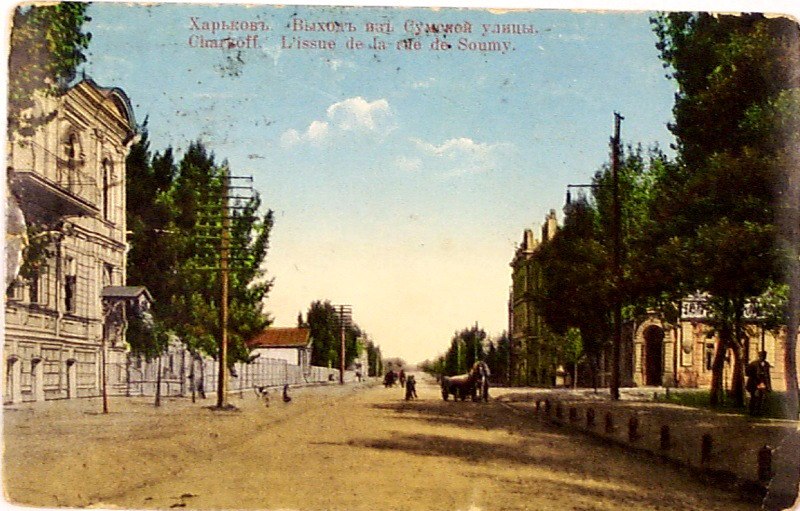
Of course, the majority of buildings constructed in Kharkiv were residential buildings. Construction activities were intense throughout the city, from the outskirts such as Moskaliovka, Ivanovka, and the areas around Chebotarskaya and Yaroslavskaya streets to the center of the city, including Sumskaya and Pushkin Street, extending all the way to the present-day Gorky Park. Even the newly established streets east of Pushkin Street, in the direction of Zhuravlёvskiy Slope, were developed. This part of the city would later come to be known as the “Quiet Center.”
The 1920s witnessed the peak of Kharkiv’s construction activity. Architects whose names became synonymous with the city itself, such as Beketov, Velichko, Korneenko, Zagoskin, Ginzburg, Zaune, Estrovich, Pokrovsky, Dikansky, Gorokhov, and Rzepishevskiy, designed many of these buildings.
The name Alexander Ivanovich Rzepishevskiy is especially associated with the development of so-called “cooperative housing” in Kharkiv. Before this type of housing arrangement emerged, residential buildings usually belonged to a specific owner who would sell or rent out the apartments within his property.
Apartments were extremely expensive at that time. Not everyone could afford to even rent a decent apartment, let alone own one. In Kharkov, renting a room with basic facilities cost anywhere from 300 to 350 rubles per year, depending on its location. In terms of housing prices, Kharkov ranked third only to Petersburg and Moscow.
In the early 20th century, the idea of building residential buildings using shared funds, so that people could live in apartments without worrying about future increases in rent by the owner, emerged. This concept was put into practice by Rzepishevskiy in Kharkiv.
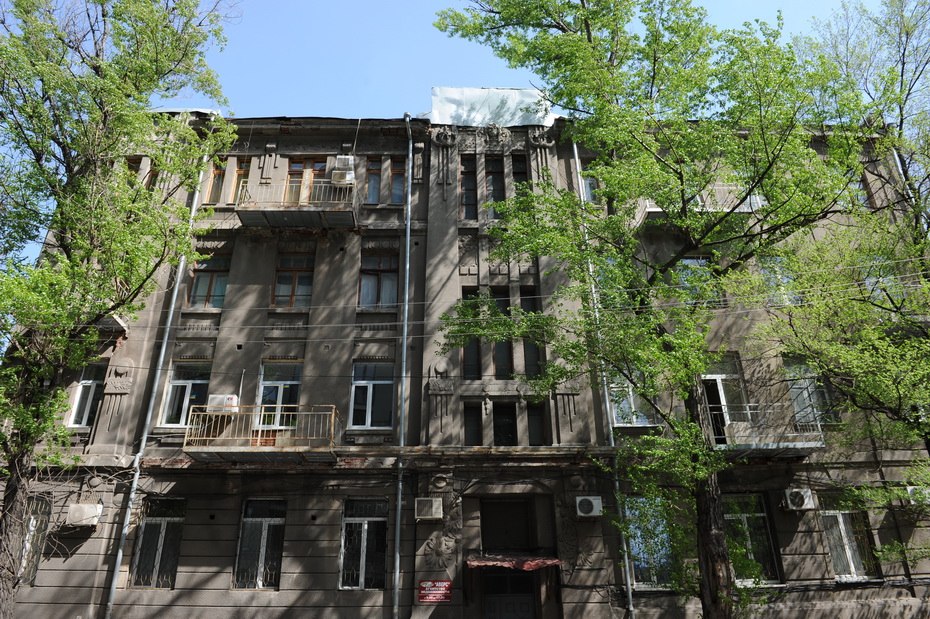
Rzepishevskiy was not the originator of this idea. The first cooperative housing complex in Kharkiv was built at the end of the summer of 1910. The initiative came from a man named Lubarsky, who convinced eight partners to support this project. This four-story building still stands today, located at number 4 on Chernyshevskaya Street. Unfortunately, the sign that read “First Cooperative Housing Complex” once placed on the building 100 years ago has been lost over time.
A year later, several housing construction associations had already emerged in Kharkiv. One of them built a five-story building at the corner of Pushkin Street and Skrypnitskaya Street (now Vorobiyova Street). The association was led by P.V. Markin, V.N. Abramov, and the military engineer V.M. Vitaliev. The building contained 20 apartments, and according to the founders’ calculations, the apartment owners saved between 40.6% and 55.2% on rent costs compared to when they were simply tenants. This building still exists today, although it has undergone significant renovations during the Soviet era.
In early 1913, another cooperative housing organization, the “Kharkiv Society for Permanent Apartments,” was established under the leadership of architect Rzepishevskiy. He had come to Kharkiv from Petersburg specifically to work on the construction of the Merchant Bank building, but he decided to stay in the city afterward.
The first residential building of cooperative type that Rzepishevsky designed and built was located at 19 Rymskaya Street. This building was significantly larger than previous ones: it contained 50 apartments, each with 2 to 8 rooms. The initial cost of construction was estimated at 656,949 rubles. Members of the society were required to pay 40% of the total cost upfront, while the remaining 60% was to be paid in installments. The owners were expected to earn a profit of around 15% on this investment. This was a considerable profit, considering that at that time, an apartment with 6 rooms, equipped with hot and cold water, central heating, and modern conveniences, was available for purchase in this area for 1600 rubles per year.
Source: vk.cc/1urHsi
Philip Dikansky
#1solica_history
为您的项目寻找最佳专业人士
维修、建设和装修专家随时准备帮助您
推荐画廊
推荐文章



更多画廊
 公共图书馆<br>(V·G·柯罗连科哈尔科夫国家图书馆)
 前身为“萨拉曼德拉”保险公司的出租公寓。<br>(苏姆斯卡街17号)
 assistant
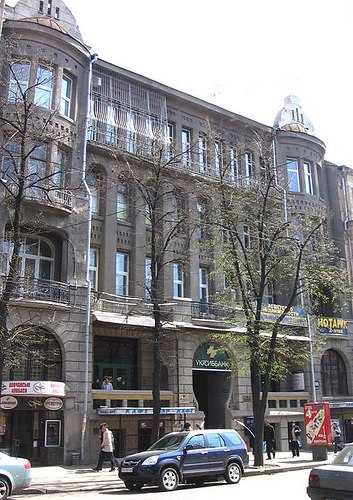 前兰多-别兹韦尔霍夫收入公寓。<br>(建筑师:A.M.金兹堡,1906年。)
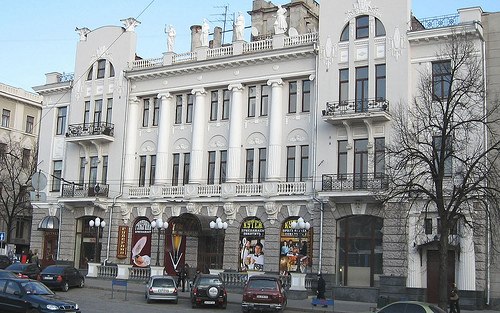 前阿拉季诺收益公寓(苏姆斯卡亚街44号)
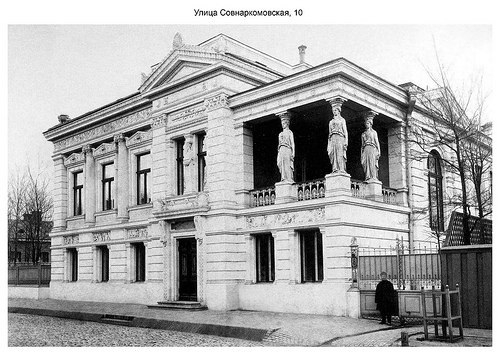 科学家之家(索维纳尔科莫夫斯卡娅街10号)。
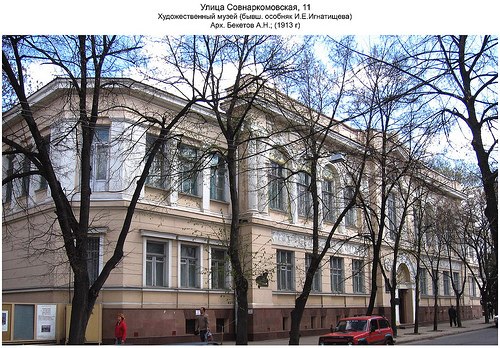 索夫纳尔科莫夫斯卡亚街11号。
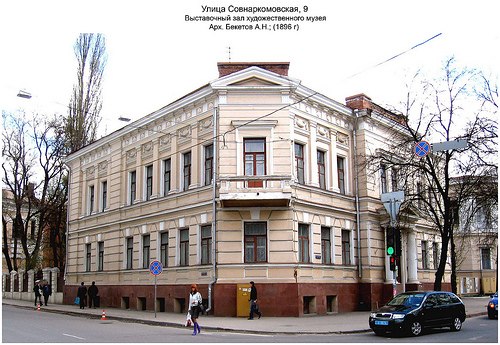 街道索夫纳尔科奥莫夫斯卡亚与切尔内舍夫斯基街的交汇处,18号。
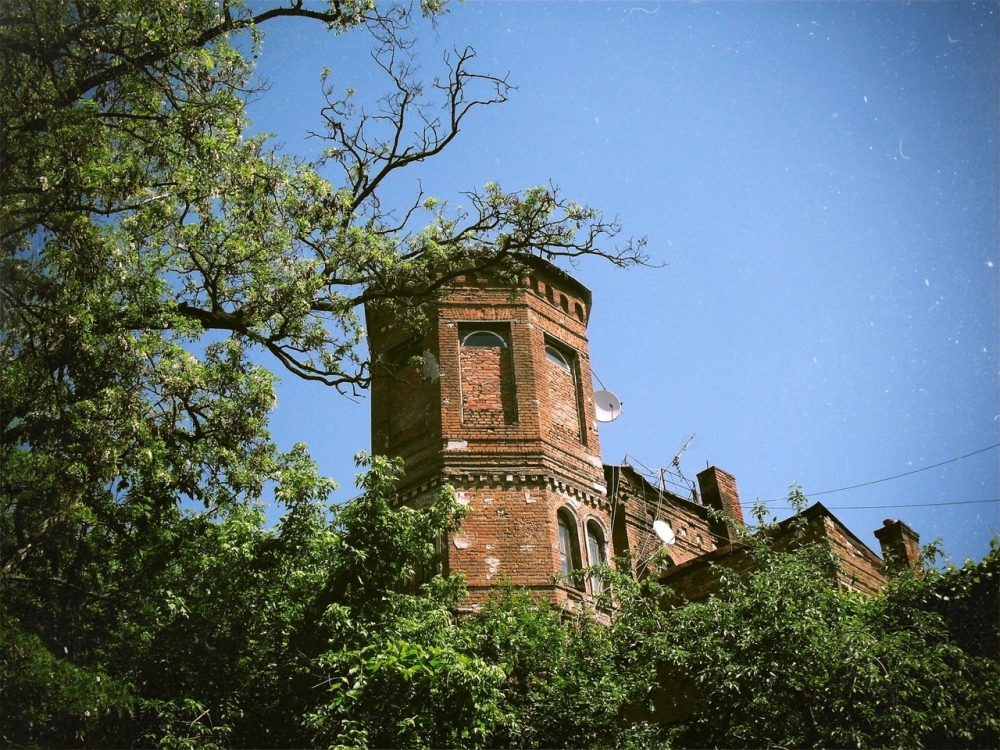 哈尔科夫的这些小庭院里藏着许多有趣的房屋和场所。其中一座这样的小庭院位于萨梅罗夫斯基巷内。这条小巷与克拉夫佐夫巷相交,大致位于克洛奇科夫斯卡街和雷马尔斯卡街的中间位置。这座庭院是由……建立的。
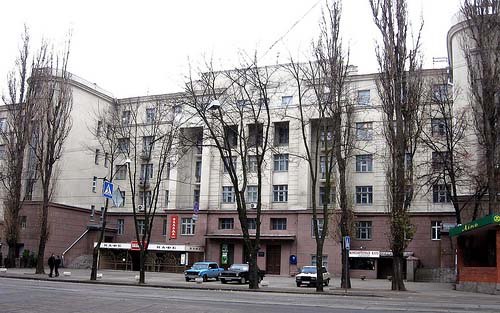 “巨人”学生城
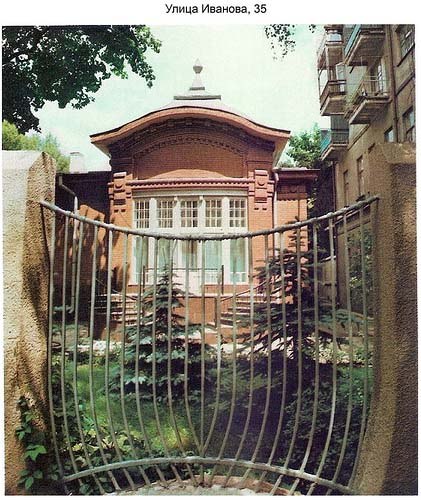 伊万诺娃35号
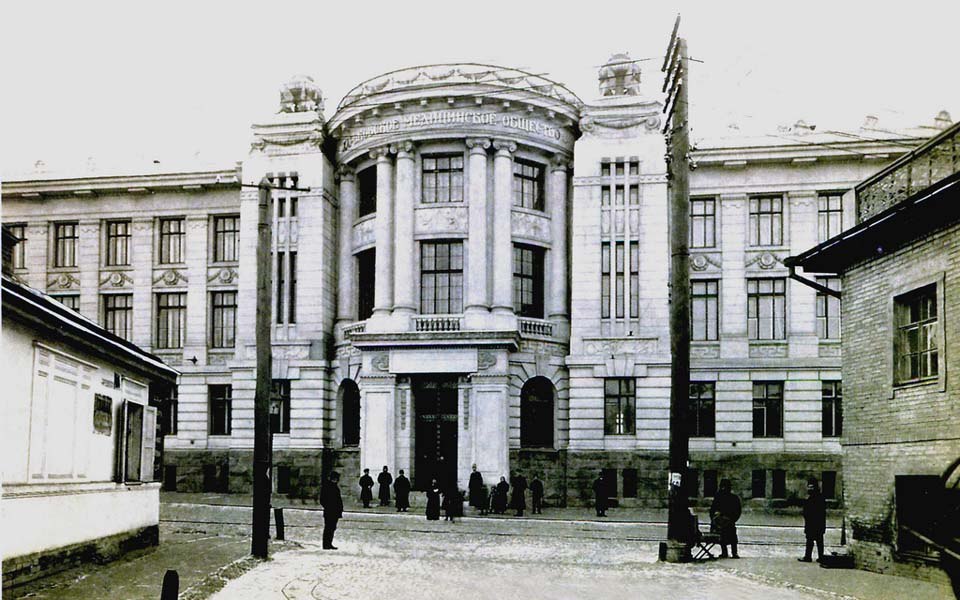 普希金大街16号