旧乘客8 张照片
#### Old Arcade
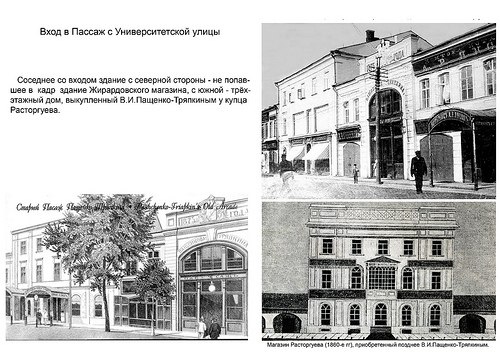
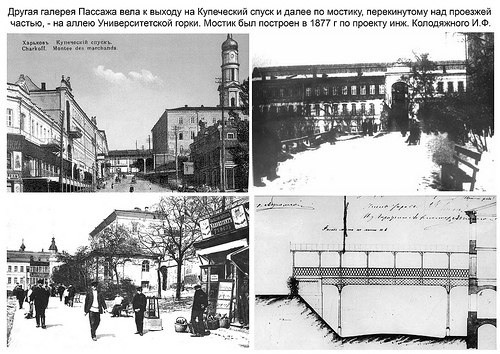
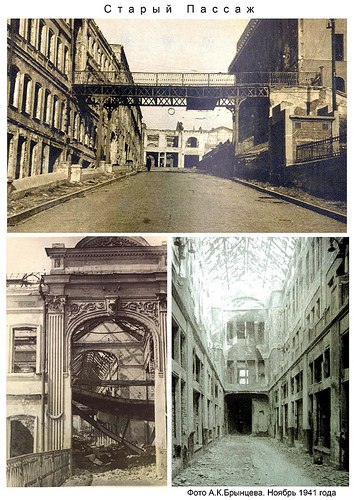
Among the lost landmarks of old Kharkov was the “Pashchenko-Tryapkin Arcade,” also known as the “Old Arcade.” It was opened in 1875 and destroyed during the previous war.
This unique commercial complex was located in the heart of an area where, in the 17th and 18th centuries, the Kharkov Fortress stood. Later, this spot became a crucial intersection, connecting the surrounding districts of the city center. In the 1850s, the ambitious businessman and property owner V.I. Pashchenko-Tryapkin purchased the land and buildings from their previous owners—merchants such as the Karpovs, Pavlovskis, Rastorguevs, and others. He then began constructing new buildings and renovating old ones, converting them into various commercial spaces that he rented out.
This business venture proved profitable and continued to thrive until nearly the end of the century. Before his death in Moscow in 1894, Pashchenko-Tryapkin donated all his assets to the city. This generous act greatly enriched the city’s budget and brought numerous benefits to Kharkov.
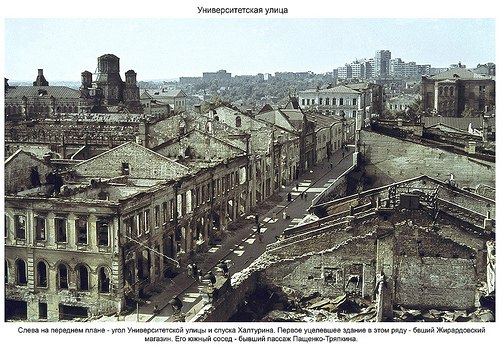
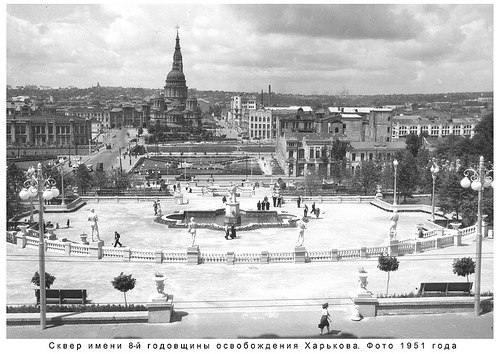
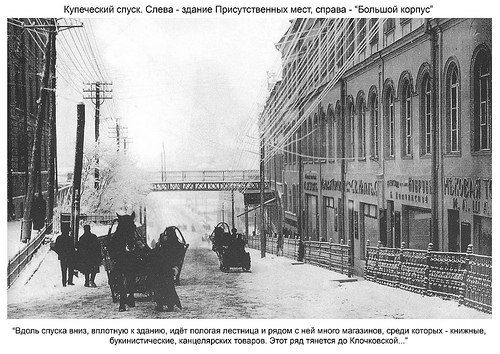
Among Pashchenko-Tryapkin’s properties was the so-called “Big Building,” which included this arcade. The “Big Building” covered an area located along the former Merchant’s Slope (now called Halturnin Slope), between University Street and Klokhtovsky Street. To the north, it bordered the Holy Protection Monastery, while to the south lay the former Cathedral Square, where the bell tower of the Assumption Cathedral and the opposite building of the Governor’s Office once stood. Now, a square with a Eternal Flame stands in this location.
The area was densely populated with buildings ranging from two to five stories in height, creating several enclosed inner courtyards. The renovation of old buildings, including Rastorguev’s shop, which was considered one of the oldest and finest shops in the city, as well as the construction of new buildings, were all carried out according to the designs and under the supervision of the military engineer-architect I.F. Kolodiazhny. The construction was pragmatic, without excessive artistic demands, but it was solid and durable. On the ground floors, there were various shops and small service businesses, while the upper floors housed a hotel with a restaurant, a Jewish prayer room, individual apartments, and furnished rooms for rental.
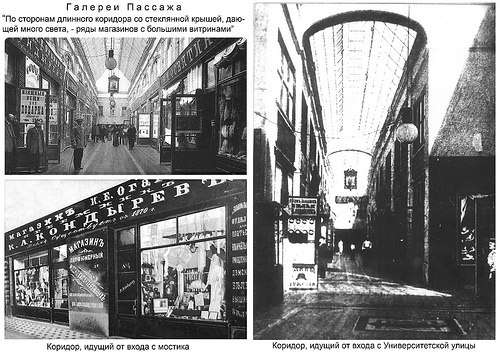
In the 1870s, Pashchenko-Tryapkin planned to build both this arcade and additional passageways in the “Big Building.” These passageways were covered glass-roofed galleries that connected different streets. Shops lined both sides of these galleries, attracting many customers.
In the 19th century, the construction of such arcades became increasingly common, helping businesses compete more effectively against the less comfortable traditional marketplaces. The design of Kharkov’s arcade was created by the civil engineer-architect D.S. Chernenko at Pashchenko-Tryapkin’s request. It was located in the southeastern corner of the building. The gallery consisted of two sections connected at a right angle. One entrance faced University Street and was at ground level, while the other was located at the third-floor level relative to the slope. A footbridge was built to connect this entrance to the street below.
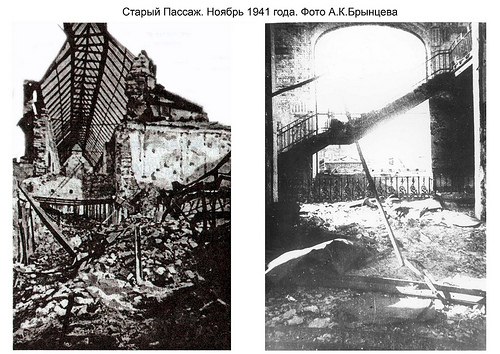
In the 1917 year, this arcade continued to operate successfully. Even during the Soviet era, it managed to compete with the new types of shopping centers that emerged. However, its infrastructure gradually became outdated. In the late 1930s, reconstruction work began according to the plans of architect L.G. Lubarsky, but the war interrupted these efforts. During the 1941–1945 conflict, all parts of the “Big Building,” including the arcade, were destroyed. Later, its ruins were demolished in accordance with the general plan for the restoration and reconstruction of Kharkov, which aimed to reduce the density of the city center’s buildings, improve its infrastructure, and create more green spaces. In its place, a terrace-style park with a fountain and water features was built according to the designs of architect G.G. Vegman, in collaboration with architects A.S. Mayak, I.Y. Zhilkin, and M.S. Lutskiy. This new park offers an unparalleled panorama of the city’s Zalopansky district.
为您的项目寻找最佳专业人士
维修、建设和装修专家随时准备帮助您
推荐画廊
推荐文章


更多画廊
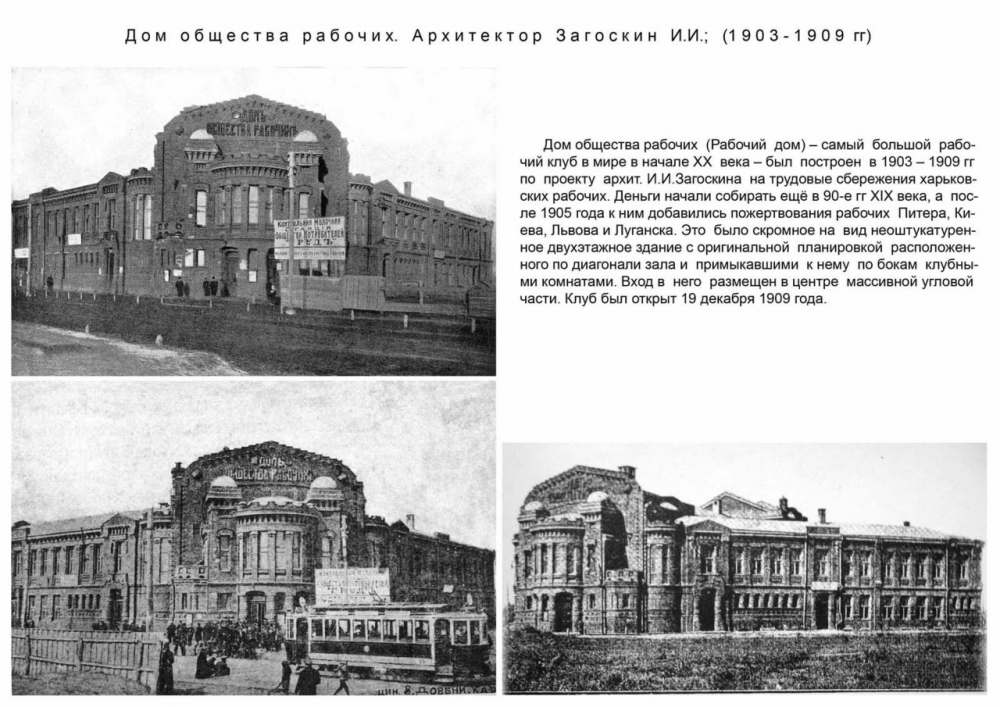 “工人协会之家”
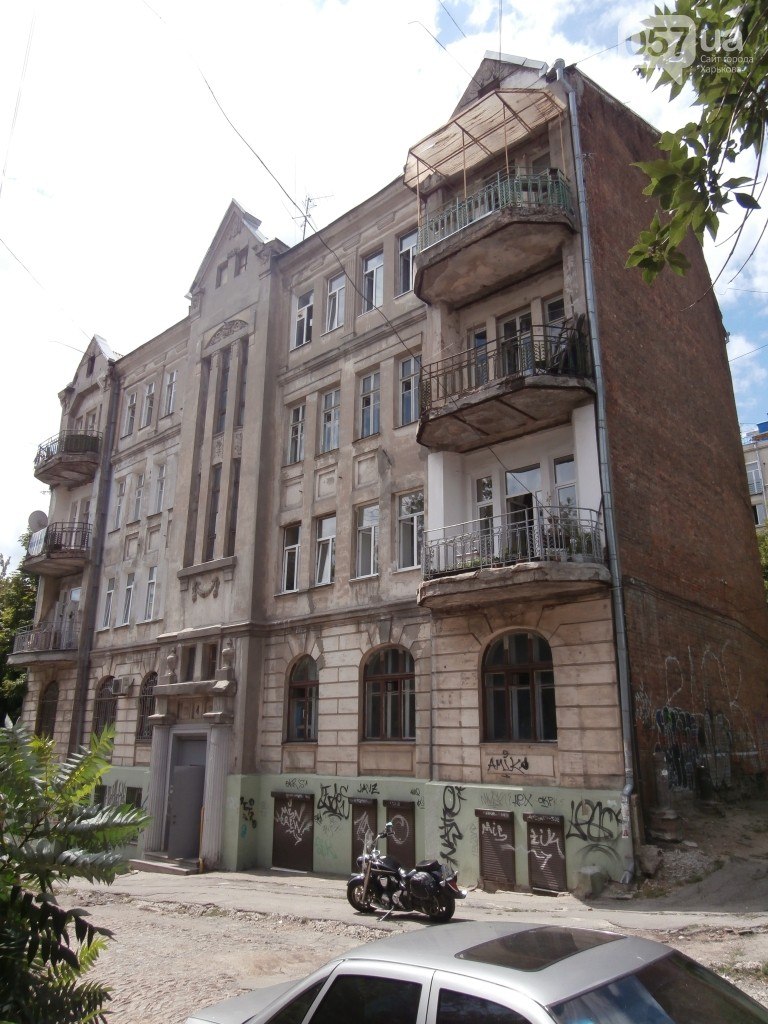 房子里有一间被改造成了迷你监狱的房间。那间房间曾被“利用”<br>(translation by Vorobeyeva, Part 2) --- Return ONLY the house that had a room converted into a mini-prison. That room had been “used” for certain purposes in the past.
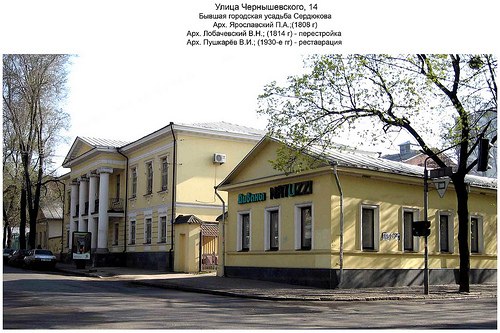 #### Chinese #### 黑尔尼舍夫斯卡亚街14号
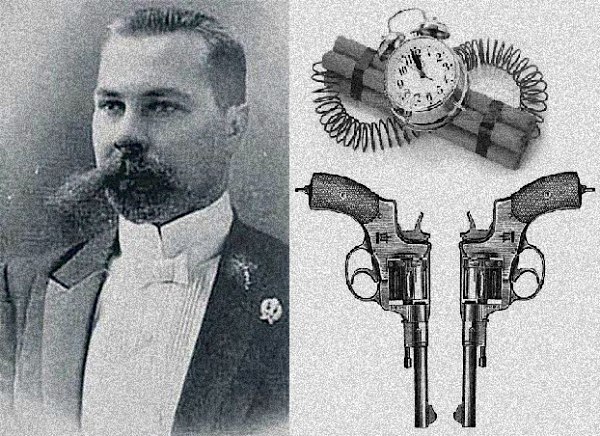 “乌克兰的防御”与尼古拉·米赫诺夫斯基
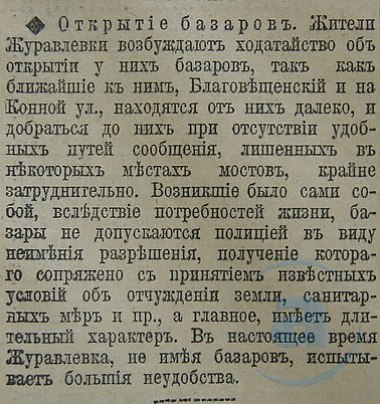 市场的开放
市场的开放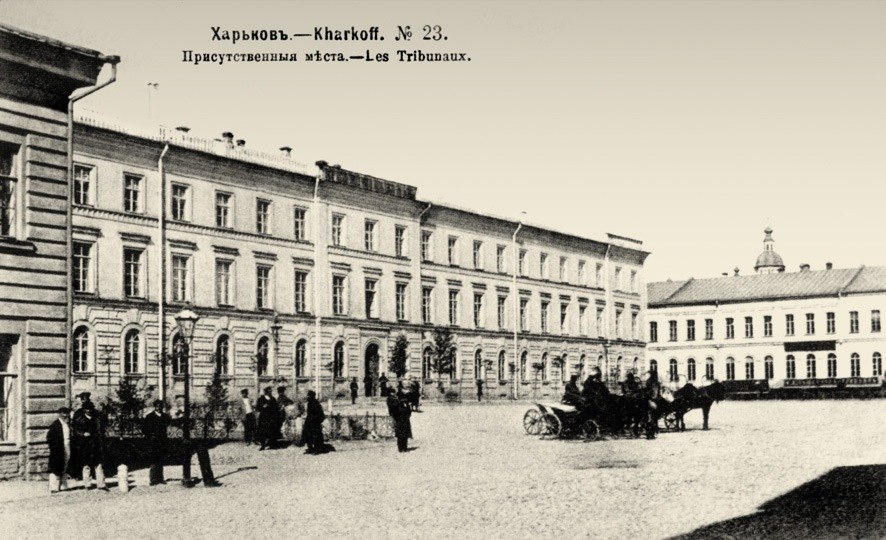 现场座位
现场座位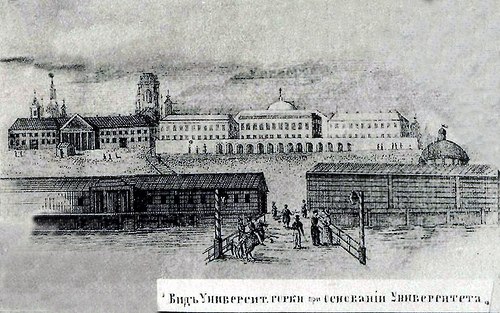 消失的行列
消失的行列 过去,歌剧院的情况要容易处理一些。
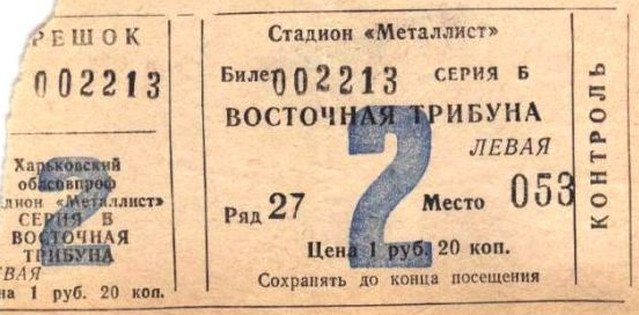 **历史背景** **金属主义者**体育俱乐部是俄罗斯联邦的一种传统 sports club,拥有着丰富的 history and a long-standing reputation.该俱乐部成立于1928年,最初名为“列宁格радskaya Spartaka”列宁格勒斯巴达卡, and was founded by a group of individuals with a common goal: to promote the development of sports in their hometown.推动当地体育的发展是这些 individuals的共同愿景. 该俱乐部’s name was changed several times over the years. In 1935, it was renamed “Spartak Moscow”莫斯科斯巴达卡, and in 1**947**, it was again renamed to “Leningradskaya Spartaka”. In 1992, following the dissolution of the Soviet Union, the club was renamed once more to its current name, **“金属主义者”**. Over the years, the **金属主义者** sports club has played a crucial role in the development of sports in Russia. It has been a pioneer in many areas, such as youth sports, sports training programs for children and adolescents, and innovative training methods. The club has also actively participated in various international competitions and events. **现代发展** In recent years, the **金属主义者** sports club has continued to play a vital role in Russian sports. It has invested significantly in infrastructure development and modernization of its facilities. The club has also launched new programs and initiatives to promote the development of sports among young people. For example, in 2018, the club launched a program called “Sports for All” aimed at promoting sports participation among children and adolescents. This program includes various activities and events organized by the club, such as sports competitions, training sessions, and workshops. These activities are designed to encourage children and adolescents to take up sports and engage in regular physical activity. In addition, the club has collaborated with various organizations and institutions to promote cooperation and exchange in the field of sports. It has also participated in international projects and initiatives aimed at promoting global sports development. **Conclusion** The **金属主义者** sports club is a true pioneer and leader in the Russian sports world. It has played a crucial role in the development of sports in Russia and made significant contributions to the progress of sports throughout the world.
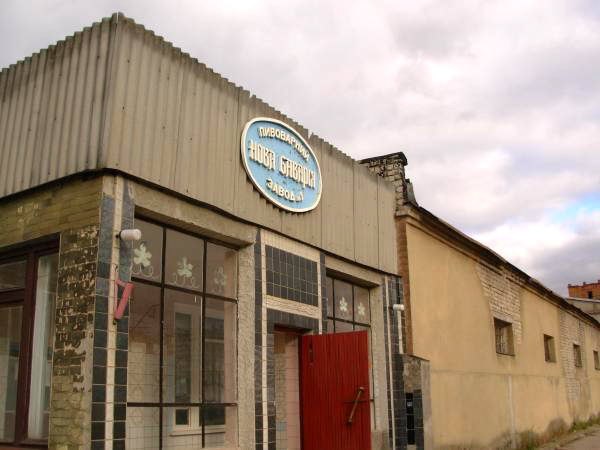 “新巴伐利亚”啤酒厂的历程
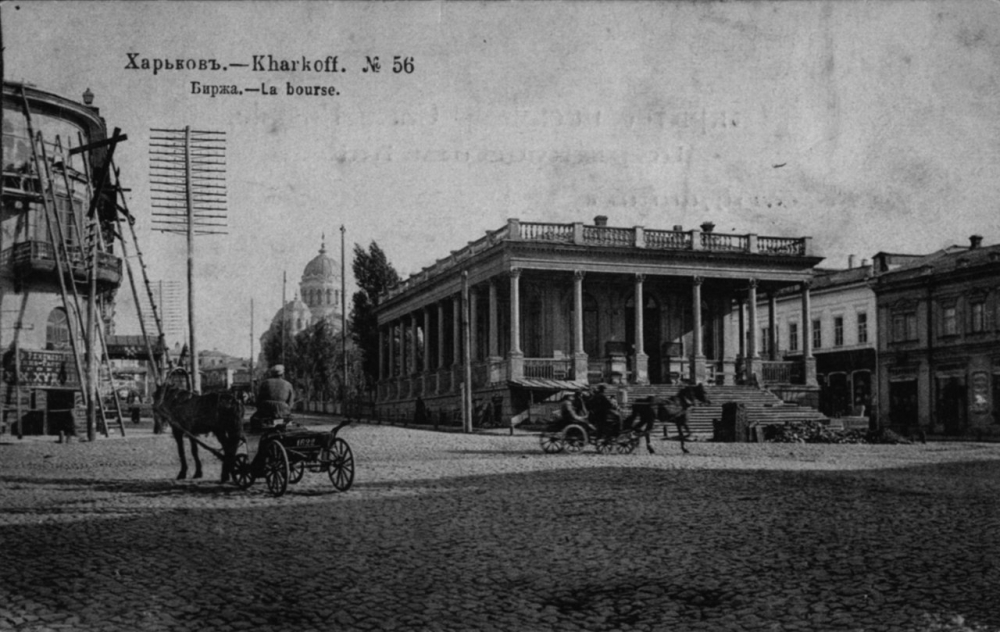 哈尔科夫的“银行区”——尼古拉耶夫斯卡亚广场。<br>(第三部分)
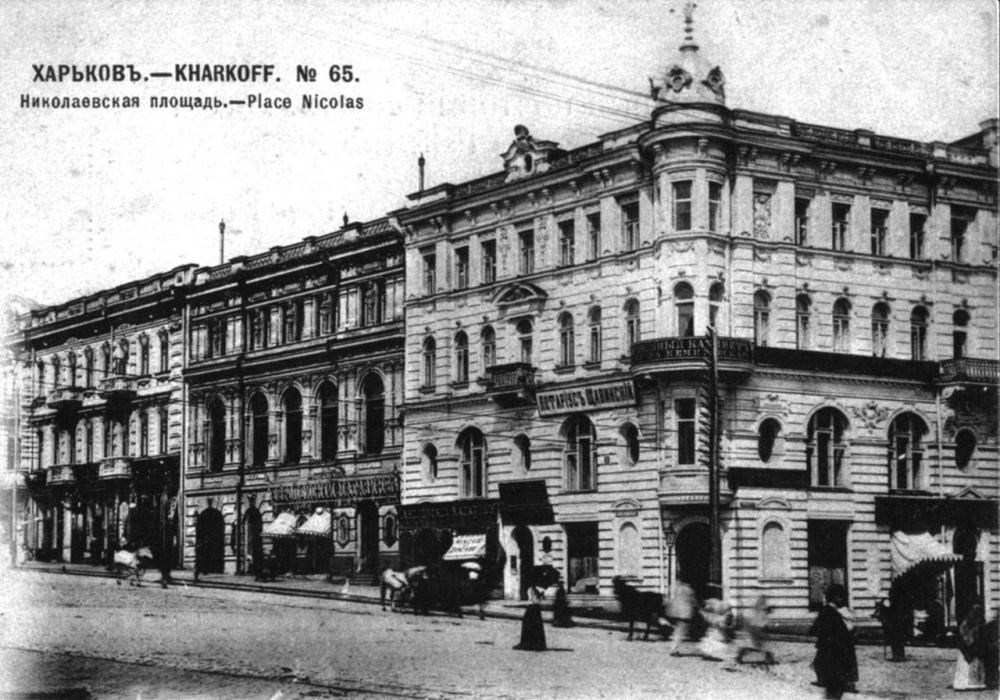 哈尔科夫的“银行街”——尼古拉耶夫斯卡亚广场。<br>(第二部分)