[club1543502|一种近乎被遗忘的、充满活力的色彩鲜明的示例,代表了“芝加哥学派”建筑风格的典型特征]。7 张照片
The origin of the street that will be partially discussed in this article dates back to the second half of the 17th century. In those distant days, it was merely a narrow alley. However, the city itself was not particularly large at that time; in terms of size, it more closely resembled today’s modest district center. This alley crossed the streets of the Zalopanskaia suburban settlement (part of the Leninsky District near the Blagoveshchensky Cathedral) and led to the Christmas Church (which no longer exists), located on the street of the same name, now known as Krasnooktjabrskaya Street. For this reason, the locals named it Christmas Alley. During the 17th and first half of the 18th centuries, Christmas Alley extended east of the current location of the street and did not move to its present position until 1787. In the late 1830s and early 1840s, when Christmas Street was renamed Kontorskaya Street, the alley also acquired the status of a full-fledged street. Starting in the 1880s, substantial stone buildings began to be constructed along it. The street became an important freight route leading to the Blagoveshchensky Market, and in 1911, its surface was paved with polished granite. In the early 20th century, small commercial shops and stores replaced the relatively large industrial buildings that had initially appeared there. These buildings were the first to be constructed on Kontorskaya Street; they differed significantly in style but contributed to giving the area a completely new look, shaped by the emerging economic and architectural trends of the early 20th century. The street thus became a sort of commercial extension of the city’s banking district located on Nikolaevskaya Square. During the Great Patriotic War, most of the buildings here were destroyed. What is being discussed here is Engels Street, which was renamed after one of the founders of scientific communism following the 1917 revolution. One building that deserves special attention is the former factory site at Engels Street 13. It represents one of the most prominent examples of the “Chicago School” of Constructivist Modernism. Built in 1910 by architect A. Rzepishevsky, its structure is based on a monolithic reinforced concrete frame, and its facades are almost entirely glazed with windows. Today, this building is semi-abandoned. Source: vk.cc/23iQWZ #Kharkov #Har Kiev #1stolica_history
![[club1543502|一种近乎被遗忘的、充满活力的色彩鲜明的示例,代表了“芝加哥学派”建筑风格的典型特征]。 - 1](/storage/images/mixx/2013-12/dfb2e172eddfc5c1.jpg)
![[club1543502|一种近乎被遗忘的、充满活力的色彩鲜明的示例,代表了“芝加哥学派”建筑风格的典型特征]。 - 2](/storage/images/mixx/2013-12/48989eb81106c646.jpg)
![[club1543502|一种近乎被遗忘的、充满活力的色彩鲜明的示例,代表了“芝加哥学派”建筑风格的典型特征]。 - 3](/storage/images/mixx/2013-12/a1dd29ed91d15cd3.jpg)
![[club1543502|一种近乎被遗忘的、充满活力的色彩鲜明的示例,代表了“芝加哥学派”建筑风格的典型特征]。 - 4](/storage/images/mixx/2013-12/b420282c9c9efb20.jpg)
![[club1543502|一种近乎被遗忘的、充满活力的色彩鲜明的示例,代表了“芝加哥学派”建筑风格的典型特征]。 - 5](/storage/images/mixx/2013-12/77f4a9ef3e381162.jpg)
![[club1543502|一种近乎被遗忘的、充满活力的色彩鲜明的示例,代表了“芝加哥学派”建筑风格的典型特征]。 - 6](/storage/images/mixx/2013-12/659c7d84d0d7c6b3.jpg)
![[club1543502|一种近乎被遗忘的、充满活力的色彩鲜明的示例,代表了“芝加哥学派”建筑风格的典型特征]。 - 7](/storage/images/mixx/2013-12/329e3342ff4bb186.jpg)
为您的项目寻找最佳专业人士
维修、建设和装修专家随时准备帮助您
推荐画廊
推荐文章



更多画廊
 喜剧电视频道Sky:“笑声有助于锻炼胸部肌肉”。
 Power Balance手环——送给自己或亲人的最佳礼物!
 超级时尚的新品!全新的手表潮流趋势!
 香蕉燕麦片蛋白饼
 注意!在您看到这条消息的时候,新年优惠活动仍然有效:如果您购买一款复古手表,价格为1190卢布,那么您将免费获得一条由小珠子制成的表带作为礼物!
 活动!限量发售!
 您知道什么是Opalis吗?Opalis化妆品系列包含六种产品,这些产品在日本、法国、意大利和美国的高端美容院及水疗中心中被广泛使用。
 男性服装、鞋类及配饰,价格低廉!
 活动!限量发售!
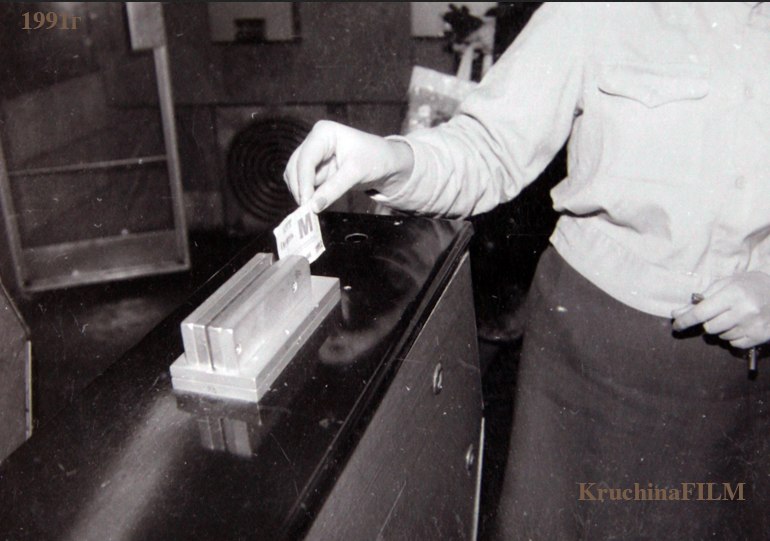 在巴拉巴绍夫院士地铁站,哈尔科夫,1991年,值班工作人员为乘客们提供了关于如何使用首批发行的通行证的相关指导。
![[club1543502|苏姆斯卡亚街4号]。在这段曾经于19世纪与苏姆斯卡亚街平行的、名为小德意志街的街道上,1860年代至1970年代初期间,……](/storage/images/mixx/2013-12/e04c2b2227fd0eac.jpg) [club1543502|苏姆斯卡亚街4号]。在这段曾经于19世纪与苏姆斯卡亚街平行的、名为小德意志街的街道上,1860年代至1970年代初期间,……
[club1543502|苏姆斯卡亚街4号]。在这段曾经于19世纪与苏姆斯卡亚街平行的、名为小德意志街的街道上,1860年代至1970年代初期间,……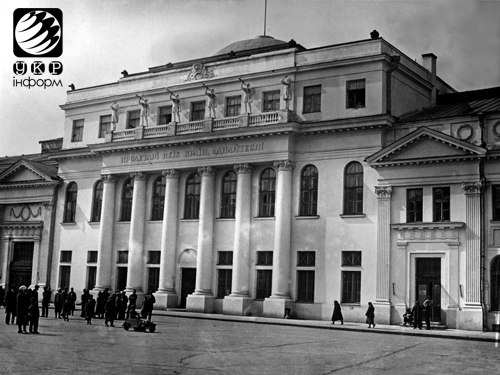 [club1543502|在苏联,圣诞树庆祝活动最初是在哈尔科夫举行的。