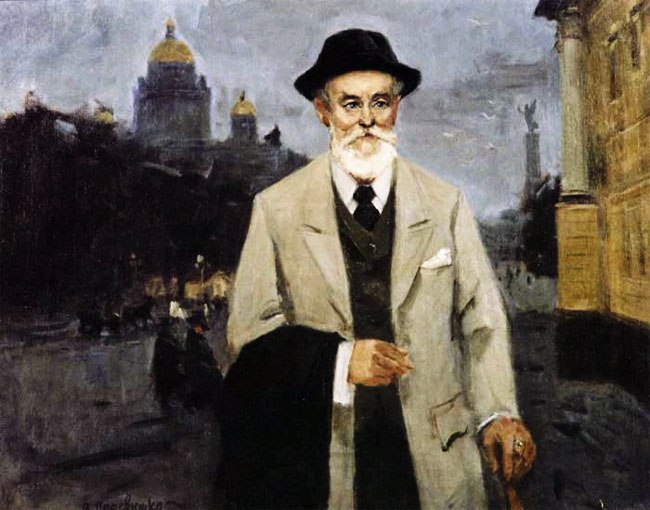
Peter Karl Fabergé wurde am 30. Mai 1846 in Sankt Petersburg geboren. Sein Vater war ein bescheidener Juwelier, der sein eigenes Geschäft betrieb. Schon in jungem Alter zeigte das Kind künstlerische Begabungen sowie ein außergewöhnliches Interesse an der Kunst der Juwelerei.2 Fotos
Peter Karl Faberge senior devoted every effort to ensuring that his son Carl received an excellent education. He sent him to study at the oldest and most prestigious German gymnasium in Saint Petersburg, and later to a commercial college in Paris. For several years, Carl pursued his apprenticeship in various European cities, learning the art of jewelry making. In 1872, he took over his father’s jewelry workshop.
Carl’s first success came in 1882 at the All-Russian Industrial and Art Exhibition in Russia’s capital. The contemporary jewelry pieces he displayed, designed as elegant women’s accessories, won him a gold medal.
Around the same time, Carl began supplying his products to the Imperial Court. Although initially, his share of the court orders was not very substantial, he competed with other renowned jewelers for these contracts. Over time, his contributions grew, and his name increasingly appeared in the court records.p>He quickly won over the favor of the high-ranking court officials by providing free assessments, repairs, and restorations for jewelry items in the Hermitage Museum. His access to the museum’s collections allowed him to closely study the technical skills of ancient masters as well as the stylistic characteristics of works from different periods.
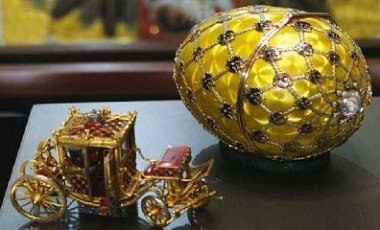
He continually satisfied the public’s demands by creating a plethora of useful items—portfolios, lamps, clocks, etc.—that were renowned for their innovation, elegance, and perfection. These instantly recognizable objects became powerful symbols of their owners’ status.p>The famous Faberge Easter Egg collection was created at the imperial order. In total, 54 eggs were made; today, 45 of them have been preserved. One egg’s photograph exists, and another five are known through descriptions. Additionally, one of the two unfinished eggs, which were being worked on in 1917, has survived.
After the October Revolution, Faberge’s company and family assets were confiscated and looted. In 1917, Carl closed his workshop and entrusted its contents to the director of the Hermitage Museum. He himself fled abroad.
Peter Karl Faberge senior passed away on September 24, 1920, in Lausanne and was cremated according to his wishes. In 2004, the Forbes collection of Faberge Easter Eggs, purchased for 100 million dollars by the Russian businessman Viktor Vekselberg, was returned to Russia.
Finden Sie die besten Fachleute für Ihr Projekt
Reparatur-, Bau- und Renovierungsspezialisten stehen Ihnen jetzt zur Verfügung
Empfohlene Galerien
Empfohlene Artikel



Mehr Galerien
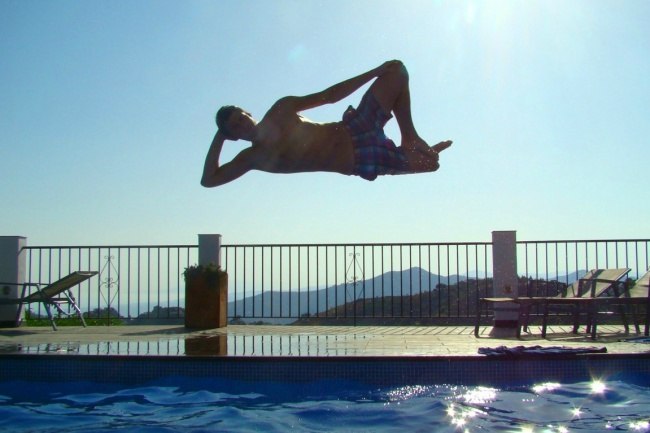 Freizeittauchen (Leisure dive) – Eine neue Unterhaltungsmform, die von der langweiligen Jugend in Großbritannien erfunden wurde.
 German:
 Quasars
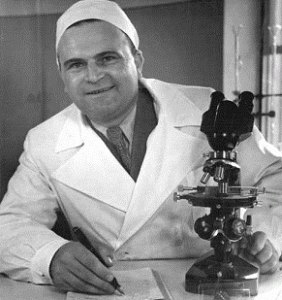 „Elixir der Jugend“
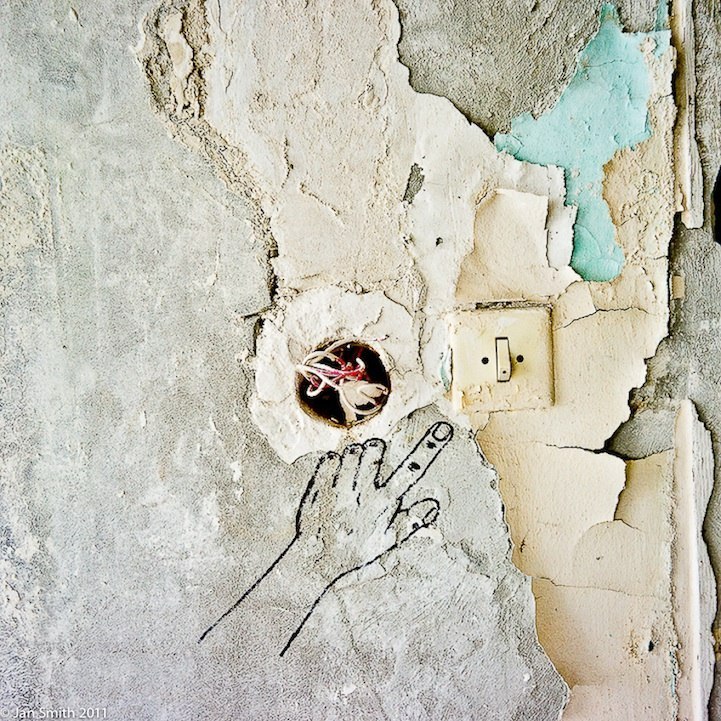 Graffiti in the Alien Zone
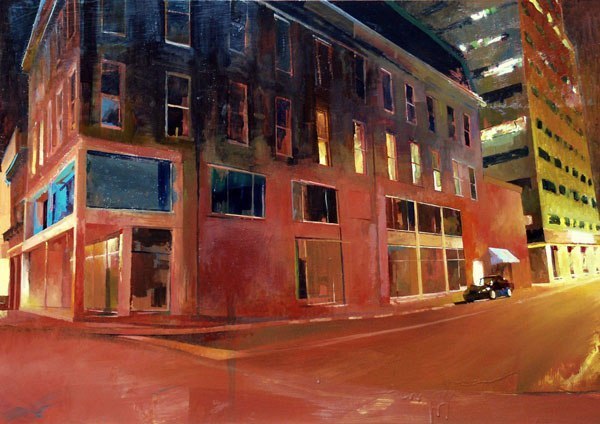 Christopher S
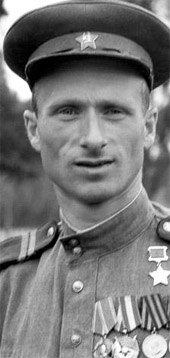 Мелитон Кантария
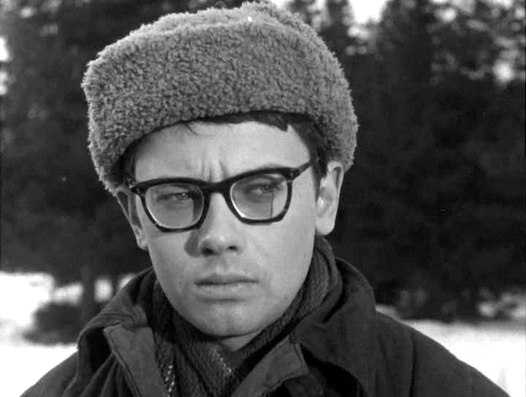 Alexander Sergeevich Demyanenko was born on May 30, 1937, in Sverdlovsk. He studied at the GITIS and, after graduating, worked for several months at the Mayakovsky Theater before moving to Leningrad, where he spent the rest of his life. His theatrical career was...
 Iris Tablet – der transparente Tablet von Fujitsu
 Eine Hängebrück in Malaysia mit einer Höhe von 685 Metern
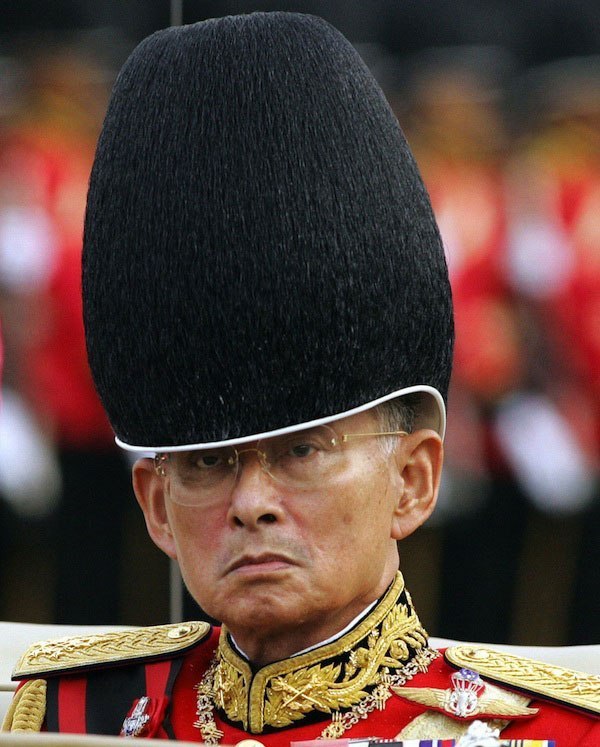 Die 6 reichsten Staatschefs der Welt sind:
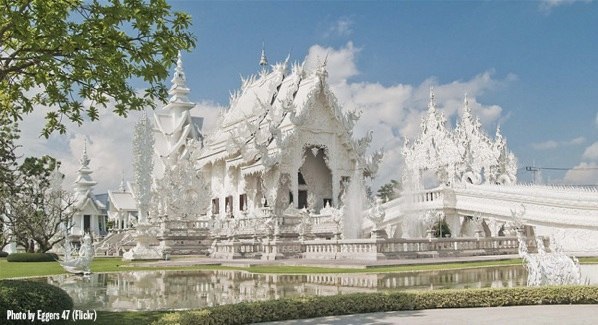 Die Stadt Chiang Rai im Norden Thailands zählt zu den Gebieten, in denen die traditionelle thailändische Kultur und Kunst blühen und gedeihen. 5 Kilometer südlich der Stadt befindet sich ein außergewöntally schönes weißes Bauwerk – der Wat Rong Khun, auch bekannt als der Weiße Tempel.