Диего Velasquez2 Fotos
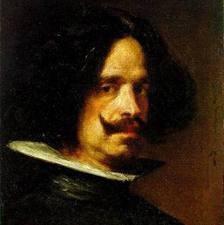
The creativity of Velázquez represents the pinnacle of Spanish painting in the 17th century and is one of the most brilliant manifestations of world art. His works stood out not only for their artistic range but also for the audacity and innovation of their artistic approaches. A man of high moral integrity, he was dubbed by his contemporaries as “the artist of Truth.”
Diego Rodríguez de Silva Velázquez was born on June 6, 1599, in Seville, Spain. By the age of 10, he had already demonstrated talent for visual arts and was sent to study painting under renowned masters such as Herrera and Pacheco (whose daughter Diego later married). The boy’s artistic gifts developed rapidly, and by the age of 18 he had been granted the status of a master artist.
In the following years, Velázquez worked in Seville. Most of his works from this period were created in the “bodegones” style—scenes from everyday life depicting ordinary people as the main characters, such as “Breakfast,” “The Old Cook,” “The Water Carrier,” and others. Several paintings on biblical themes were also executed in this style, including “The Adoration of the Shepherds” and “Christ in the House of Martha and Mary.” Despite his young age, the artist had already gained considerable fame and a good reputation in Seville.
In 1623, Diego moved to Madrid and was soon appointed as the royal painter, with the exclusive privilege of painting portraits of King Philip IV and members of his family, as well as nobles and courtiers. His exposure to the royal collection of paintings—works by Raphael, Da Vinci, Titian, and other renowned masters—as well as his interactions with the cultural elite and meetings with Rubens greatly contributed to the refinement of his artistic skills.
In 1629, Velázquez traveled to Italy for two years, where he studied ancient monuments and the works of Renaissance masters. There he created the painting “The Presentation of Joseph’s Garments to Jacob” and a work based on mythological themes, “The Vulcan Forge.” However, his most significant achievement in the 1630s was the painting “The Surrender of Breda” (1634), which became one of the most important works in the historical genre of painting.
At the same time that he painted these monumental compositions, Velázquez also created a series of portraits depicting various aspects of Spanish society, including ceremonial horseback portraits, hunting portraits of royal family members, waist-high or chest-high portraits of courtiers, friends, and students, as well as a series of portraits of the royal infantes. The artist’s wise impartiality and humanity were evident in his portraits of royal jesters and dwarfs.
It was precisely his experience at court that taught him to delve into the depths of human character, hidden beneath the veneer of court etiquette and arrogance, an experience that profoundly influenced his development as a portrait painter. His portraits are exceptionally realistic and natural.
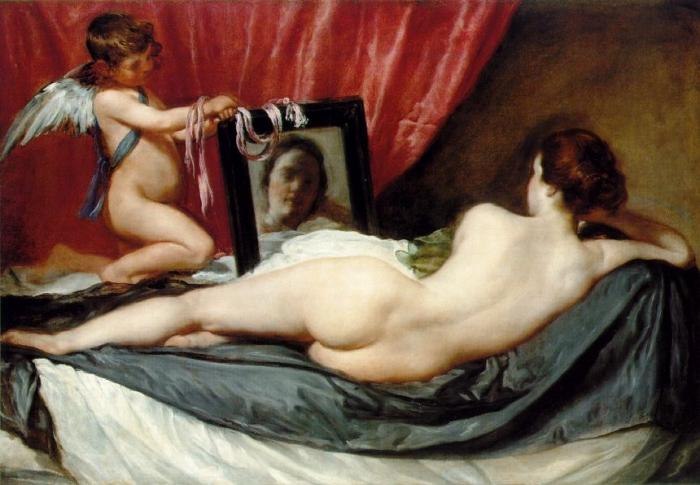
The 1650s were a period of great creative achievement for Velázquez. During this late stage of his career, he created the renowned paintings “Venus before the Mirror” and landscapes such as “The Villa Medici,” as well as compositions like “The Meninas” and “The Weavers”. He painted without preliminary sketches, directly on the canvas, seamlessly integrating his immediate observations of nature with a meticulously crafted composition.
Velázquez’s court career progressed alongside the growth of his artistic mastery. He was honored with numerous titles and awards at Philip IV’s court, was granted the rank of Knight of the Order of Santiago, one of Spain’s highest honors, and was even awarded personal nobility. He was elected a member of the Roman Academy of Saint Luke and the Society of Virtuosi of the Pantheon.
He died on August 6, 1660, in Madrid. After his death, approximately 120 of his paintings survived, with nearly fifty of them currently housed in the Prado Museum.
Finden Sie die besten Fachleute für Ihr Projekt
Reparatur-, Bau- und Renovierungsspezialisten stehen Ihnen jetzt zur Verfügung
Empfohlene Galerien
Empfohlene Artikel


Mehr Galerien
 Der Geburtstag der Königin in Neuseeland
 Gegründungstag Australiens
 Der Angel-Wasserfall in Venezuela
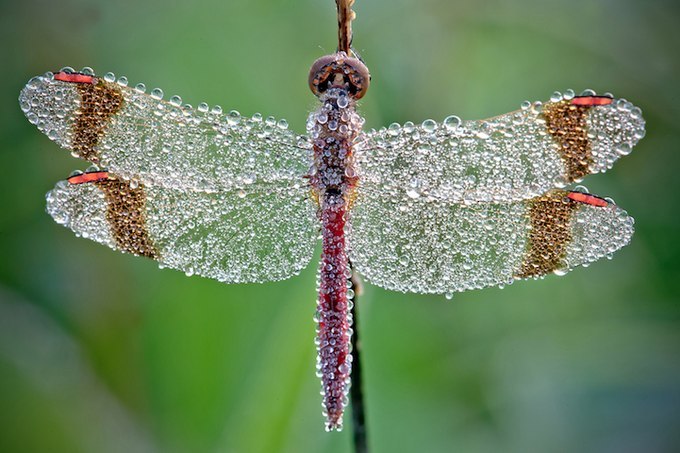 Makrofotografie von Insekten – David Chambon
 Plüschtiere Kühe aus Iowa
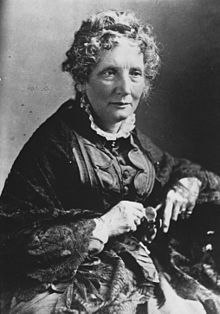 162 Jahre ago, die wöchentliche Zeitung „National Era“ in Washington begann, den Roman „Das Häuschen des Onkel Tom“ von Harriet Beecher Stowe zu veröffentlichen.
 Die Schönheit des Planeten Erde in Fotografien
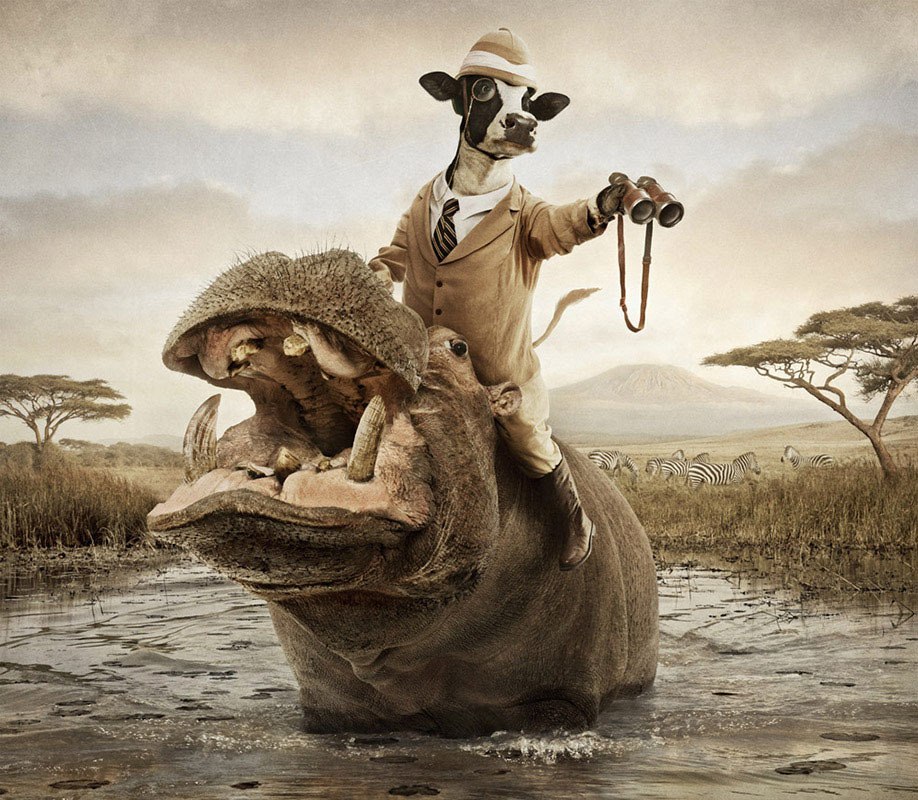 American photographer Andy Mahr has created a humorous calendar titled “Trail Grazers”, which is used to promote products from the Chick-fil-A company.
 \"Tunnel der Liebe\", Klevan, Ukraine
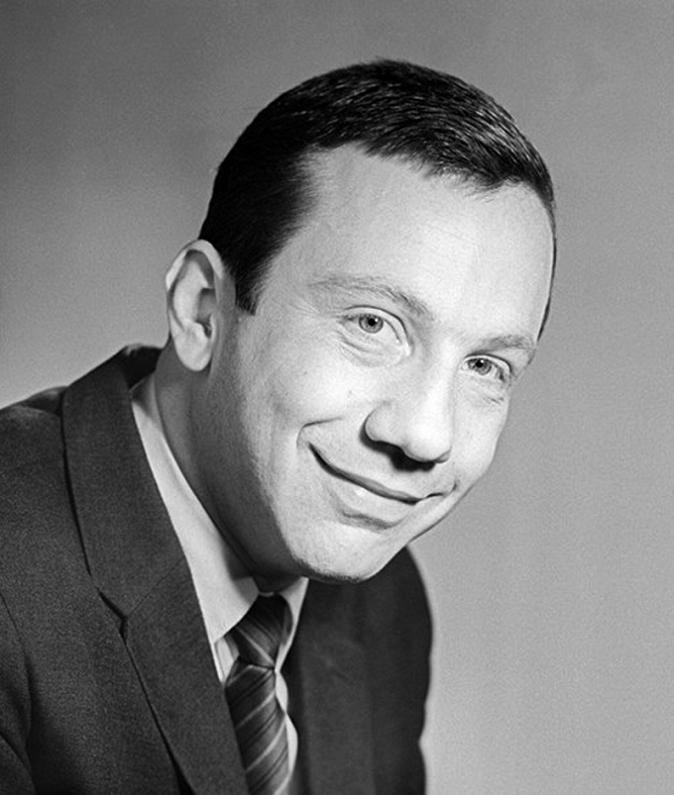 Saveliy Viktorovich Kramarov was born on October 13, 1934, in Moscow, into a family of lawyers. In the 1930s, his father was arrested and labeled as a “enemy of the people”; he died in a labor camp, and shortly thereafter, Saveliy’s mother also passed away. Saveliy was raised by his uncle. He aspired to become a lawyer, but…
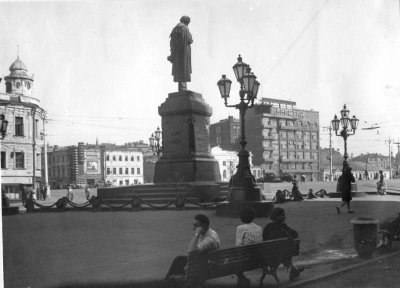 133 Jahre ago, in Moskau wurde ein Denkmal für Alexander Sergejewitsch Puschkin eingeweiht. Am Tag der Enthüllung des Denkmals – dem 6. Juni 1880 – begannen ab 10 Uhr morgens dichte Menschenmengen, sich in Moskau am Platz vor dem Strastnoje-Kloster zu sammeln.
 Spielzeit: 3 Minuten 27 Sekunden