← Back to countries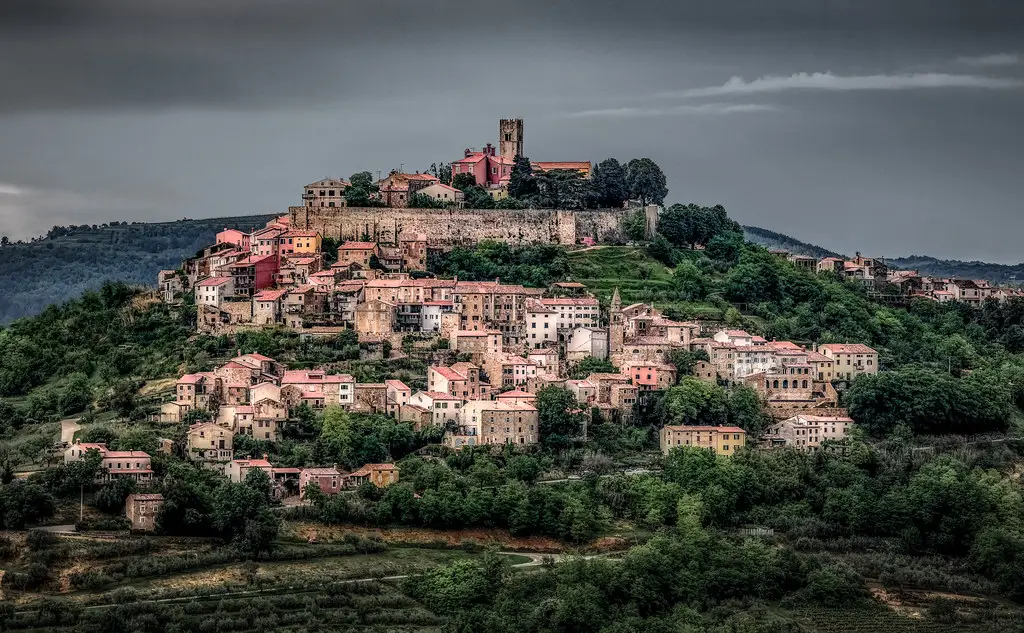


Croatia
Travel Quick Facts
CurrencyEUR (€)
Daily budget$75–$160 / day
Best seasonMay, Jun, Jul, Aug, Sep
LanguagesCroatian, English
Entry & Visa: Schengen Area — standard 90/180 visa-free access for eligible passports.
Top Experiences
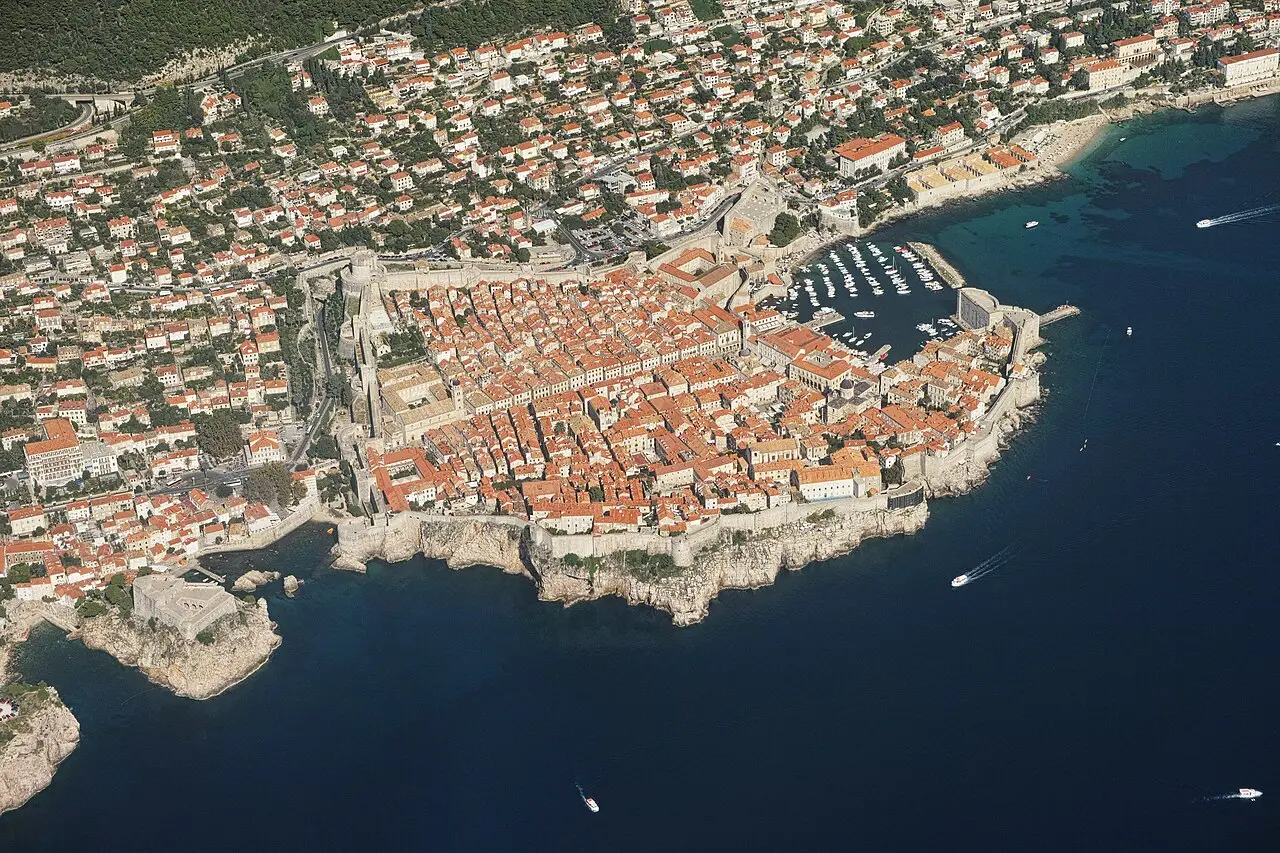
- Dubrovnik medieval walls
- Plitvice Lakes waterfalls
- Split & Dalmatian islands
- Istria truffle towns
Best Time to Visit
JanLow
FebLow
MarLow
AprGood
MayPeak
JunPeak
JulPeak
AugPeak
SepPeak
OctGood
NovLow
DecLow
Cities
Articles
All articles →Motovun: a medieval cliffside town and cycling tour through Istria’s truffle forests.
Učka Island and fishing villages: kayaking around the Adriatic island.
Rijeka: a maritime port, Austro-Hungarian heritage, and an industrial museum in the Adriatic
Museum of Broken Love and Zagreb’s graffiti: an art route through the modern city.
Okuča Lake and Krka at night: fireflies, kayaking, and waterfalls under the moonlight
Zagreb’s Maksimir Park: a zoo, museums, and a hot springs route.
Rama and Istria’s salt pans: a cycling route and pink salt.
Split 2025: tourist rentals, prices in euros, and real estate market trends.
Buying property in Croatia by foreigners: EU rules and reciprocity.
Istria, Dalmatia, and the islands: three regions worth living and relaxing in.
Croatia’s real estate market in 2026: the coast, Zagreb, and the influence of the euro.
Plitvice Lakes by electric vehicle: travertine ledges, the Korana River, and reservation requirements for entry.
The Dalmatian highway by electric vehicle: Split, cliffs, and a long drive to Dubrovnik.
Biokovo’s paths above the Adriatic: alpine trails with views of Makarska.
Vukovar: Baroque on the Danube and reconstruction after the war.
Slanje and the salt marshes of Dalmatia: how sea salt is created
Lokrum Island off Dubrovnik: a monastery, a garden, and a lagoon free from cars.
Elafiti Islands off Dubrovnik: a sailing route to ancient ruins
The Upper Town of Zagreb: St. Mark's Church, the fortress, and the museums in the palaces
Paklenica National Park: Rock Climbing on the Adriatic Rocks
Paklenica National Park: Rock Climbing on the Adriatic Rocks
Krk Island: the ancient sands of Ćetin and the vineyards of the Adriatic Sea
Lake Vranskoje and the national park: a marshland teeming with birds, as well as a trail surrounding Dalmaria’s largest lake.
The Visegrad Castle in the Drina Canyon: a medieval fortress, caves, and a river route leading to the Bosnian border.
Photos
All photos →Travel Styles for This Destination
Frequently Asked Questions
When is the best time to visit Croatia?
The best months to visit Croatia are May, Jun, Jul, Aug, Sep, offering the most pleasant weather for sightseeing, dining, and outdoor activities.
What is the average daily travel budget in Croatia?
Travelers typically spend around $75–$160 / day (local currency: EUR (€)), covering mid-range accommodation, meals, and local transit.
What are the visa and entry rules for Croatia?
Schengen Area — standard 90/180 visa-free access for eligible passports.
Which cities in Croatia should I explore?
OTDIH.PRO covers 12 cities in Croatia with curated travel guides, local restaurants, hotels, news, and photo stories.