The Savior-Transfiguration Church, Lyubech
Articles
Let’s get to know Ukraine!

The Savior-Transfiguration Church, Lyubech

In the 860s, the vigilantes of the Russian prince Rurik, descending the Dnieper to Kiev, admired the scenery in one place and decided to found a settlement. Since then it has become known as the "Courtesy", hence the name of the village Lyubech. Here the Monk Anthony of Caves was born - the saint of the Russian Church, one of the founders of the Kiev-Pechersk Lavra.

In the 860s, the vigilantes of the Russian prince Rurik, descending the Dnieper in  Kiev, admiring the scenery in one place and decided to found a settlement. Since then it has become known as the "Courtesy", hence the name of the village Lyubech. Here was born the Monk Anthony of Caves, a saint of the Russian Church, one of the founders  Kiev-Pechersk Lavra. He was the founder of monasticism in Russia. Two caves are connected with it in the village, one of which is preserved.

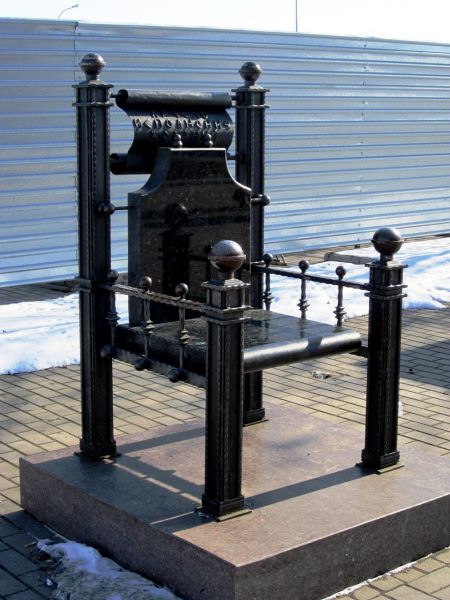
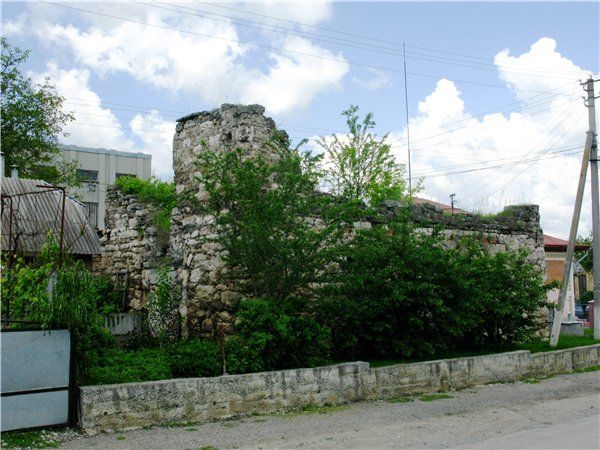
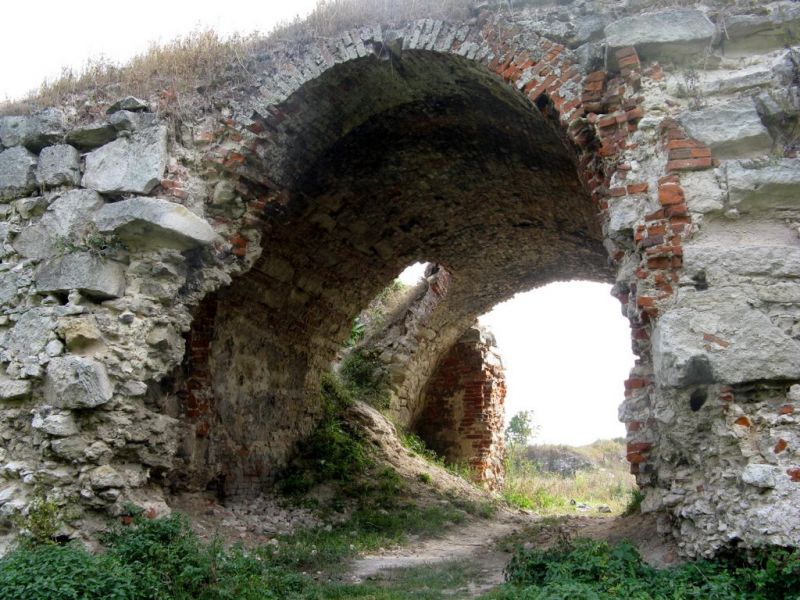
Before the revolution there were 8 active churches in Lyubech. The age of some of them was estimated more than 5 centuries. Two were located on the grounds of Antonievsky Monastery. In 1786, by the order of Catherine II, themonastery ceased to exist. The churches also did not survive,they were destroyed in the 30-50s of the 20th century, and their contents were plundered and lost.

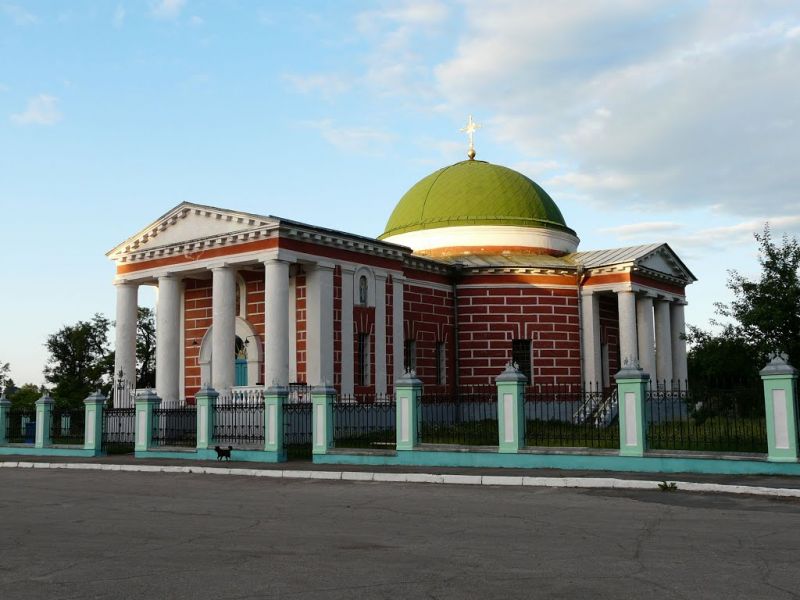
In 1779, the Lyubecky master Pyotr Miloradovich built a new church in his garden in the garden - the Intercession of the Virgin. And in 1817 his son Grigory, Lieutenant-General and historian, who owned Lyubech, already built his own money in the center of the village of the Transfiguration of the Savior. It was laid in 1811 as a family crypt. The temple was stone, one-headed, being like a dome-shaped rotunda with four porticos of a simplified Tuscan warrant adjoining it. The territory of the temple is fenced with a lattice iron fence with forging details. In the 1850s, the western portico was dismantled and attached to it a long shoulder with a belfry and a portico of the main entrance to the four columns. The laconic and monumental building has a direct relation to thebest specimens of the rotundal churches ofUkraine.

Holy Transfiguration Church -  one of the most unusual late-classical churches on the Left Bank Ukraine. It is here that the list (copy) of the famous icon of the Lubech Mother of God lost during the time of atheistic aggression is kept. The primordial image of it appeared at the time of the emergence of Christianity in Russia. The icon is widely known for its many wonderful deeds. They are indicated by Dimitry of Rostov - a Russian church figure, bishop, preacher. In the 17th century, the original of the Lubech Icon was for some time in the St. Sophia Cathedral in Kiev, then there was also a copy of it, which did not survive to our days. The fact of transferring in 1701 an image from the St. Sophia Cathedral to Lyubech is known. And more that restored the face of Innocent Shchirsky. During the patronal feasts in the churches of Lyubech, the revered image from the Ascension church ceremoniously swept through the city places, and when the procession was held, it was brought to the houses of the townspeopleso that they could bow to the image. This custom was kept long until the churches were closed in Soviet times.

Contemporary History

During the Soviet era, the icon of the Mother of God was lost. One of the copies was kept in turn by the local parishioners. And only in 1989, at the opening for the service of the Holy Transfiguration Church, it was transferred to this temple, where it is now.

In Soviet times, the temple was used as a warehouse, and then as a club. Then for many years he stood in a dilapidated state. Completely it was restored and restored only in 1992. Now the temple is brick, plastered, has a rotunda with porticos on the southern and northern entrances. The facade is decorated with a rustic (roughly hewn stone), pilasters, cornices, located in a circle. Now the Holy Transfiguration Church of the Chernigov Diocese -  the only Orthodoxin the village.
Спасо-Преображенская церковь, Любеч

In the 860s, the warriors of the Russian prince Rurik, traveling down the Dnieper towards Kyiv, were captivated by the landscape at a certain spot and decided to establish a settlement there. Since then, it has been named “Lubezhnoye”, which gave rise to the name of the town Lubech. Here was born Saint Anthony of the Pechers, a revered figure in the Russian Church and one of the founders of the Kyiv-Pechersk Lavra. He was a pioneer of monasticism in Russia. Two caves in the town are associated with his life.

Before the revolution, Lubech had 8 active churches, some of which were over 500 years old. Two of them were located on the grounds of the Anthony Monastery. In 1786, upon the order of Catherine II, the monastery was closed down. These churches also perished, being destroyed in the 1930s and their contents looted or lost.

In 1779, the Lubech nobleman Peter Miloradovich built a new wooden church, the Church of the Protection of the Mother of God, in his manor garden. In 1817, his son Gregory, a lieutenant general and historian who owned Lubech at that time, funded the construction of the Spaso-Preobrazhensky Church in the center of the town. It was originally intended as a family tombstone. The church is made of stone, single-story, with a dome-shaped rotunda design and four simple Tuscan-order columns on the sides. The church grounds are enclosed by a wrought-iron fence. In the 1850s, the western portico was removed and replaced with a long extension containing a bell tower and a four-columned main entrance. This elegant and monumental structure is one of the finest examples of rotunda-style churches in Ukraine.

The Transfiguration Church is one of the most unusual late-classical churches in Left Bank Ukraine. It houses a copy of the famous Lubech Icon of the Mother of God, which was lost during times of atheistic aggression. The original icon dates back to the early days of Christianity in Russia and is widely known for its numerous miraculous deeds, as recorded by the Russian church figure Dimitri Rostovsky. In the 17th century, the original Lubech Icon was once kept in the Kiev Sophia Cathedral, and a copy also existed there, though that copy did not survive to our days. It is known that in 1701, the icon was transferred from the Sophia Cathedral to Lubech, and the icon’s appearance was restored by Innokenty Shchirsky. During festive celebrations, the revered icon would be carried through the streets of Lubech, and during processions, it would be brought into people’s homes so that everyone could worship it. This tradition continued for a long time until the churches were closed during the Soviet era.

Modern History

During the Soviet period, the Icon of the Mother of God was lost. One of the copies was kept by local parishioners in turn. It was not until 1989, when the Transfiguration Church was reopened for worship, that it was transferred to this church and has remained there ever since.

During the Soviet era, the church was used as a warehouse and later as a club. It lay in ruins for many years before being completely restored in 1992. Today, the church is made of brick, is plastered, and features a rotunda with porticos at both the southern and northern entrances. The facade is decorated with rough-hewn stone, pilasters, and rounded cornices. The Transfiguration Church of the Chernigov Diocese is now the only Orthodox church in the town.

Spasо-Preobrazhenskaya Church, Lyubetsh

Recommended articles

Find the Best Professionals for Your Project

Expert repair, construction, and renovation specialists ready to help you right now