Eletsky Uspensky Monastery, Chernigov
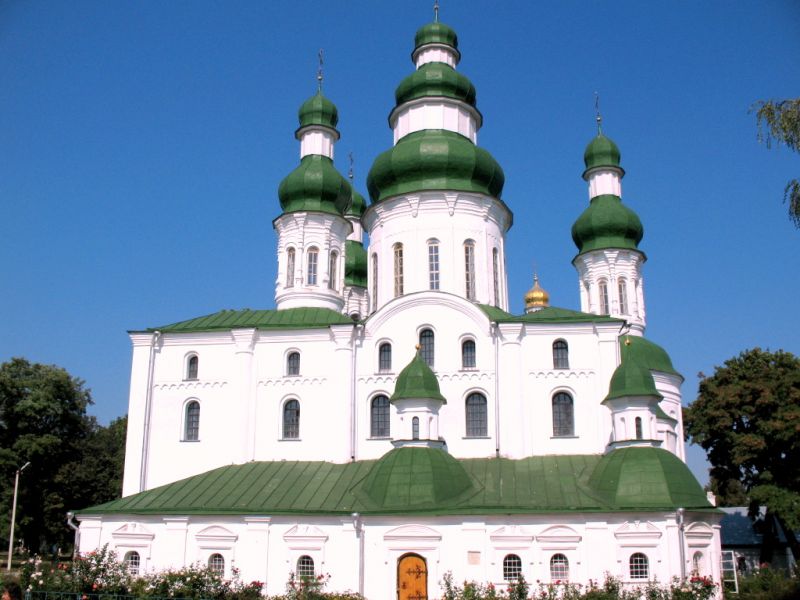
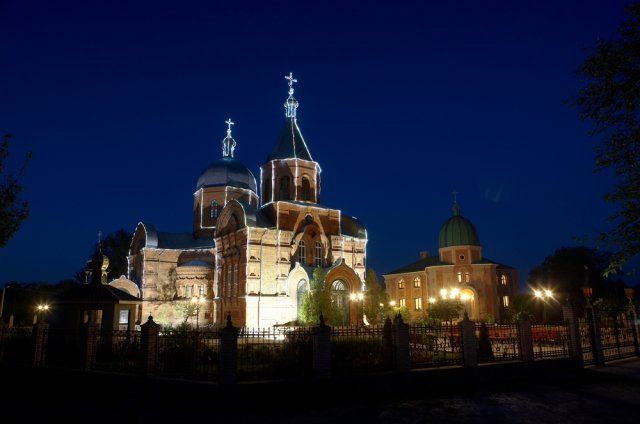
The year 1060 is considered the date of the establishment of the Yeletsk Monastery. Its founder was Prince Svyatoslav Yaroslavovich. There is a church legend that says the prince saw an icon of the Mother of God on an oak tree in the forest, and it was on this very spot that the monastery was built. As early as the 12th century, a Uspensky cathedral was constructed at the site where the icon was found. The history of this building is complex and shrouded in mystery and the passage of time. The cathedral often changed hands between different communities and nations. In 1239, the monastery was plundered by the Mongol-Tatars. In 1445, Prince I. Mozhaysky began to rebuild the sacred sites of Chernihiv, including the monastery. Later, the monastic community came under the control of Moscow, and then it fell into the hands of the Poles; it was repeatedly looted and destroyed throughout this period. In 1649, the building was returned to the Orthodox believers. Until 1786, the Yeletsk Monastery owned extensive lands and property, but Catherine II confiscated everything for the state treasury. In 1921, the monastery was closed and did not reopen until 1992. In 1941, the underground regional committee of the Communist Party was located here.
In the 11th century, the monastery housed the famous library of Prince Svyatoslav. In 1646, the first book was printed in Chernihiv within the walls of the Yeletsk Monastery.
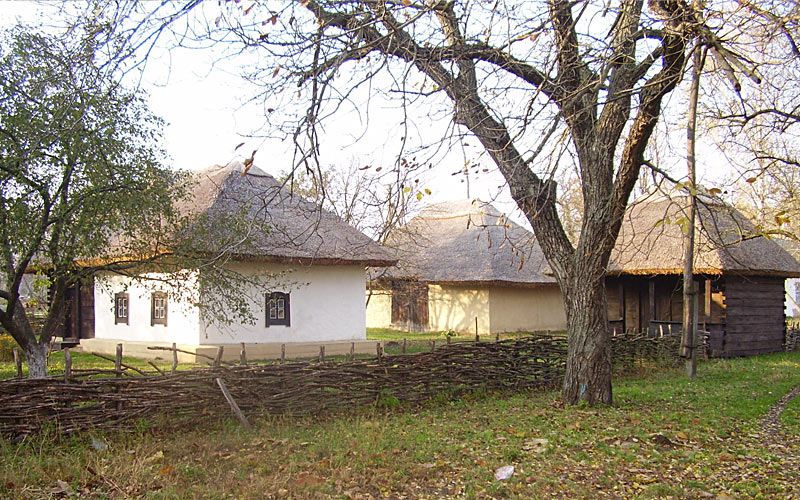
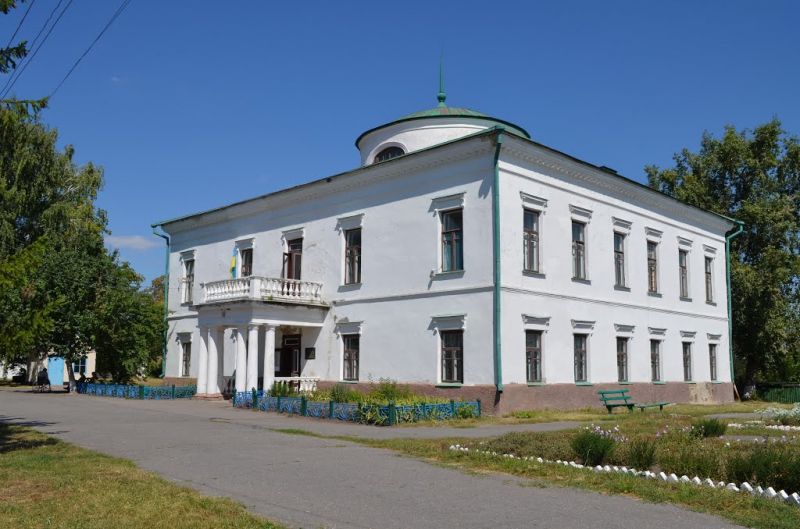
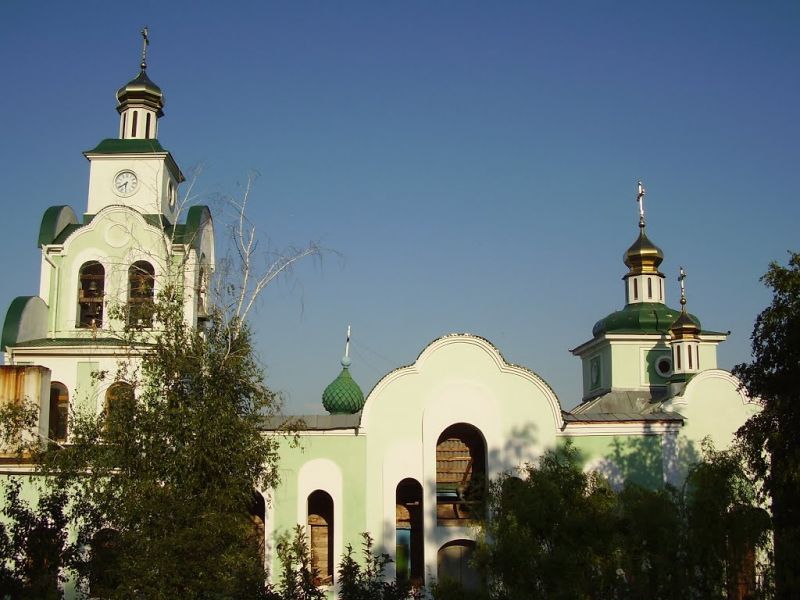
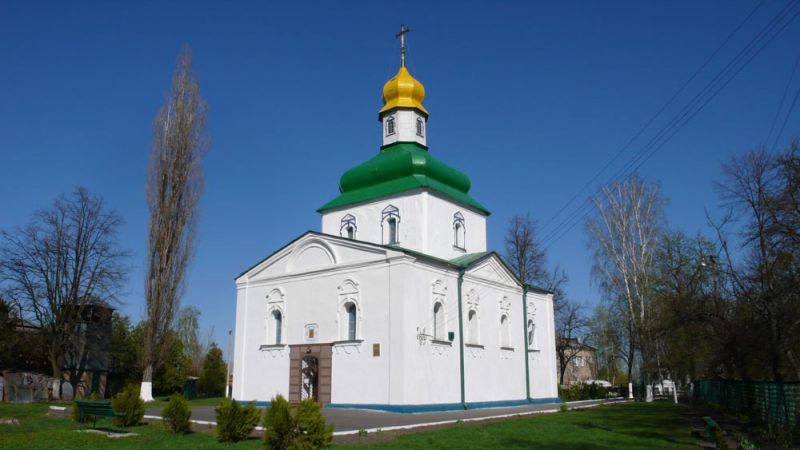
The Yeletsk Uspensky Monastery complex includes several buildings: the Uspensky cathedral, the Lizogub burial church, the bell tower, the refectory, the Peter and Paul Church, the abbot’s residence, remnants of the stone defensive walls, and the oldest wooden building in all of Left Bank Ukraine, which once belonged to F. Chernihovsky.
From the train station, you can take public transportation or walk across Popudrenka Street to reach the monastery.