Mgarsky Savior-Transfiguration Monastery
Articles
Let’s get to know Ukraine!

Mgarsky Savior-Transfiguration Monastery

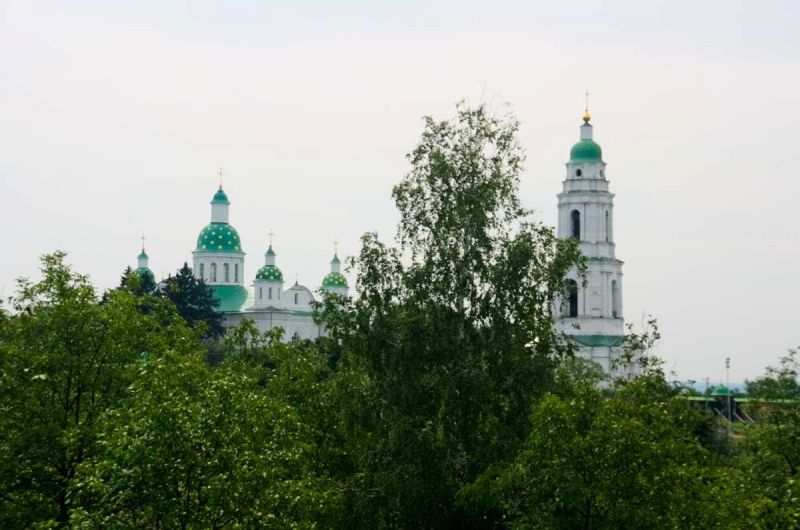
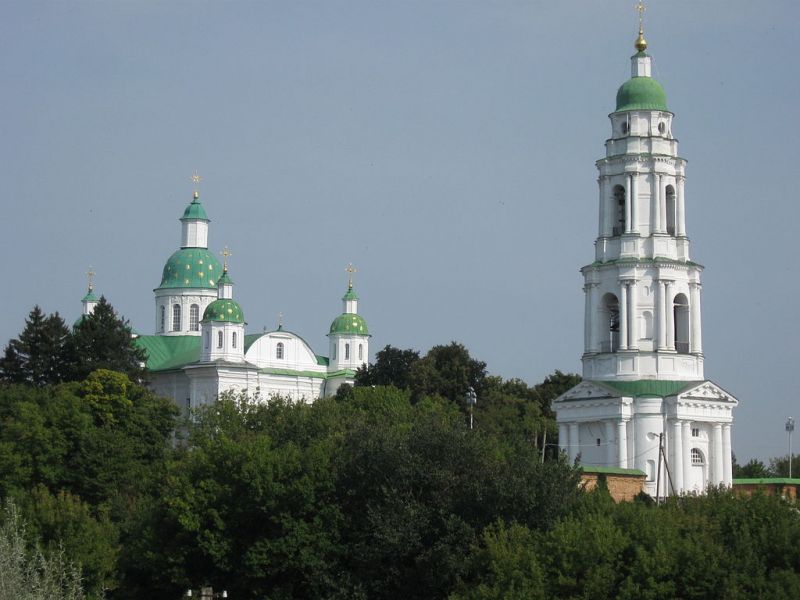
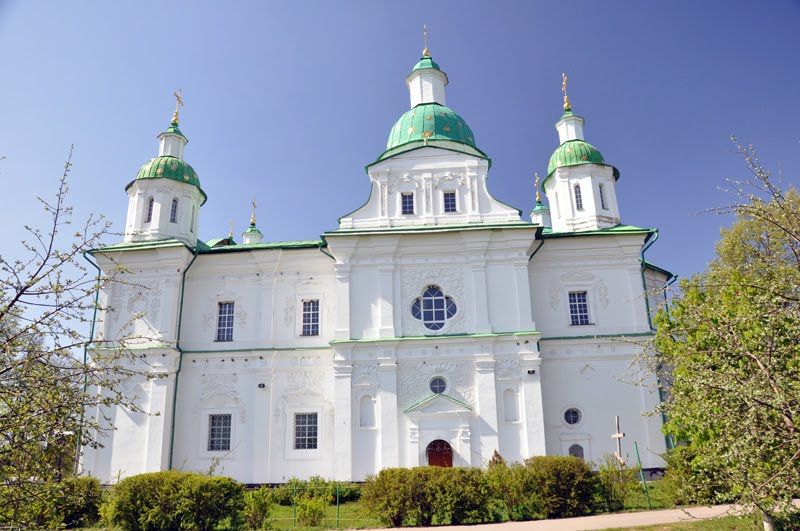
Mgarsky Savior-Transfiguration Monastery was founded by Metropolitan Isaiah in 1619 in the same forest, six kilometers from the city of Lubny, Poltava region. From a distance can be seen its golden domes, attracting many tourists to this amazing abode. Appearance of the first monks-hermits on the Mgar mountain ancient traditions are attributed to the 10-11 centuries, therefore the monastery is considered one of the most ancient in Ukraine.

Mgarsky Savior-Transfiguration Monastery was founded by Metropolitan Isaiah in 1619 in the same forest, six kilometers from the city of Lubny Poltava region. From a distance can be seen its golden domes, attracting many tourists to this amazing abode.

Appearance of the first monks-hermits on the Mgar mountain ancient traditions are attributed to the 10-11 centuries, therefore the monastery is considered one of the most ancient in Ukraine.

In 1654 the temple was visited by Patriarch of Constantinople Athanasius, following from Moscow to Constantinople. After a serious illness, the priest died in a monastery and was buried in the burial vault of the Transfiguration Cathedral. However, eight years later, his relics were found incorruptible. In 1662, the catholic order of the canonization of St. Athanasius was held.

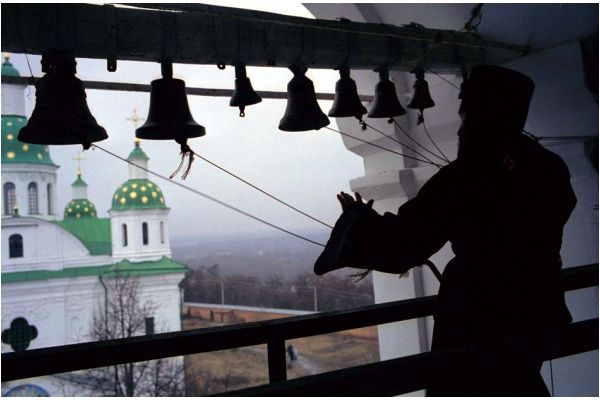
In 1692, a new stone cathedral was built on the site of an old wooden church designed by architect John the Baptist. In 1785, in the meadow, where the priest loved to pray, a bell tower was erected. Its construction lasted more than fifty years. During the Civil War, all of its bells were removed and melted down to weapons. After many years of persecution and disaster, in 1993 the monastery was transferred to the Orthodox Church. From this moment the flow of travelers to the monastery of St. Athanasius Lubensky considerably increases.

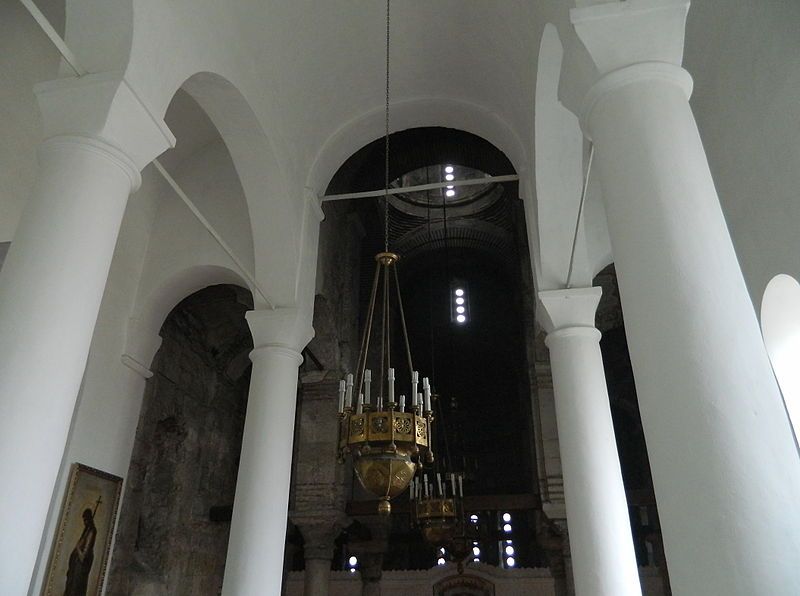
Be sure to visit the most ancient monastery, in the main temple of which talented artists restored an amazing painting of Nicholas the Wonderworker. The interior of the temple is not catchy and is distinguished by its cleanliness and modesty.

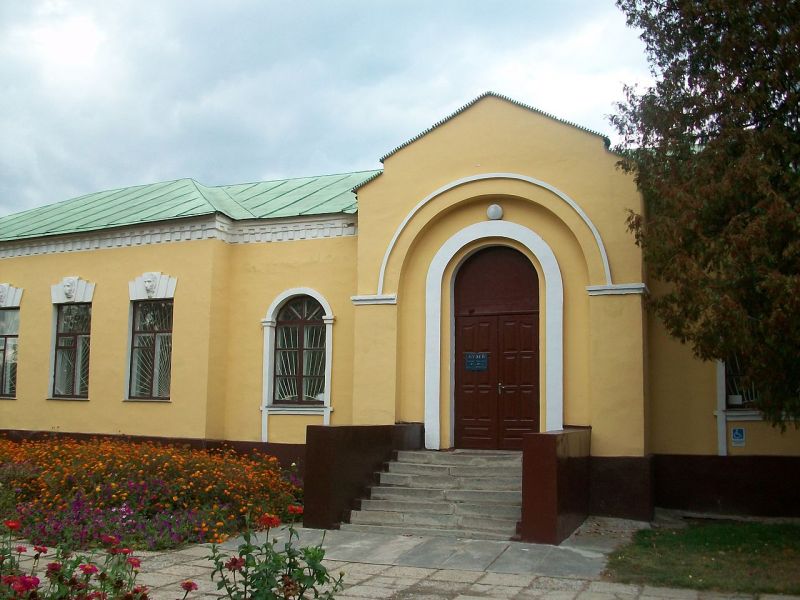
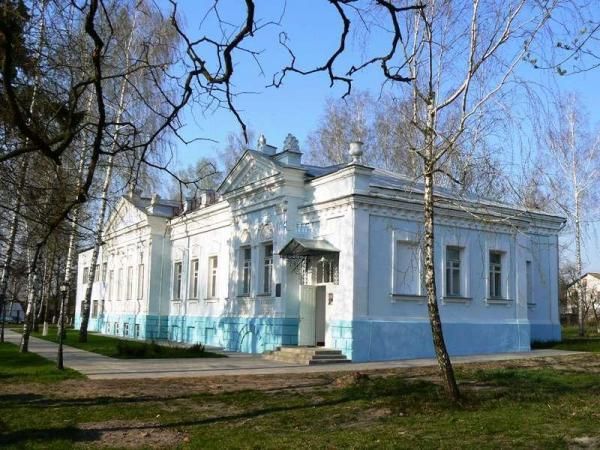
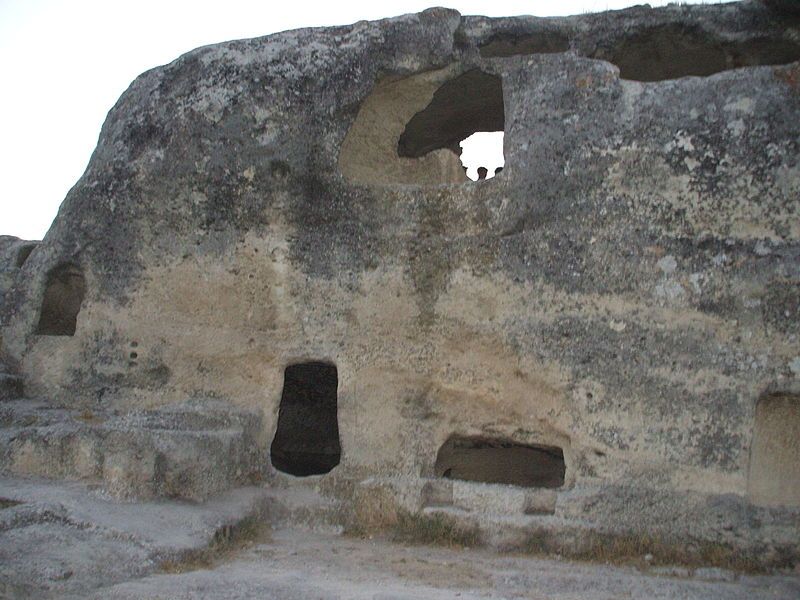
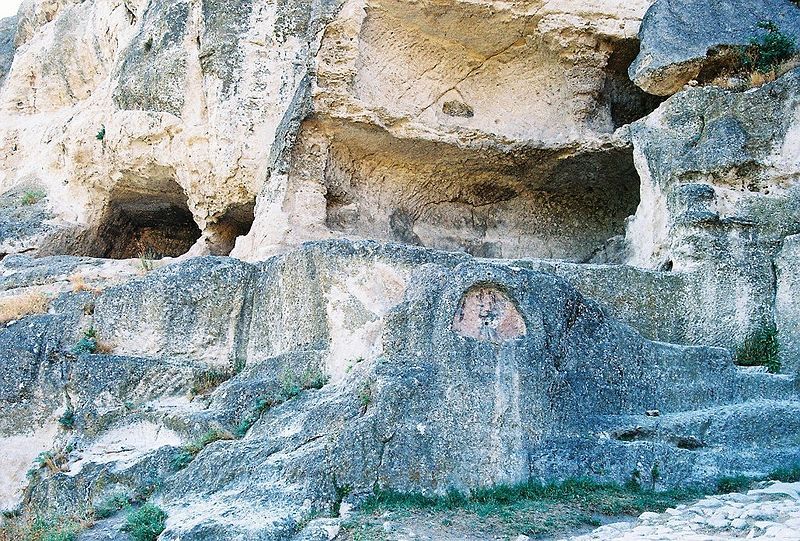
The external architecture of the monastery successfully combines features of ancient Russian architecture and Ukrainian baroque. Today the monastery complex includes the Transfiguration Cathedral, the Annunciation Church, the bell tower, the remnants of the parish complex, the monastery church of St. Athanasius, the cell building and part of the ancient fence that have survived from different times. Looking around these ancient places, pay special attention to the Mgar caves of the 11th century. They extend a few hundred meters to the Lubny Hill.

Walking along the monastery, you can visit the local icon shop and a small shop selling bread, butter, cottage cheese, honey and other products made by monks. Also, the monastery is famous for its ancient traditions of cultivation of herbs, has arable land, poultry and livestock farming. The monastic brotherhood is engaged in active publishing. The magazine "The Mgar's Bell", published in 2005, was recognized as the best magazine of the Ukrainian Orthodox Church.

From the railway station of the city of Lubny to the monastery, it is best to take a taxi, but you can also get there by regular buses to Luka and Mgar.
Мгарский Спасо-Преображенский монастырь

Мгарский Спасо-Преображенский монастырь

Мгарский Спасо-Преображенский монастырь

Мгарский Спасо-Преображенский монастырь

The Mgharsky Spaso-Preobrazhensky Men’s Monastery was founded in 1619 by Metropolitan Isaia in the forest of the same name, six kilometers away from the city of Lubny in the Poltava Oblast. From a distance, its golden domes are visible, attracting numerous tourists to this wonderful monastery.

According to ancient legends, the first hermits appeared on Mgharskaya Hill in the 10th or 11th centuries, making this monastery one of the oldest in Ukraine.

In 1654, Patriarch Athanasius of Constantinople visited the monastery on his way from Moscow to Constantinople. After a serious illness, the hierarch died in the monastery and was buried in the crypt of the Spaso-Preobrazhensky Cathedral. Eight years later, his relics were found to be intact. In 1662, a synodal ceremony was held to canonize Saint Athanasius.

In 1692, a new stone cathedral was built on the site of the old wooden church, designed by architect Ioann Baptist. In 1785, a bell tower was constructed on the clearing where the hierarch used to pray; its construction took more than fifty years. During the Civil War, all the bells in the tower were removed and melted down to make weapons. After years of persecution and hardship, the monastery was returned to the Orthodox Church in 1993. Since then, the number of visitors to this holy place has increased significantly.

Be sure to visit this oldest monastery. In its main cathedral, talented artists have restored the magnificent frescoes of Saint Nicholas the Wonderworker. The interior decoration is simple and unpretentious, yet exudes purity and humility.

The exterior architecture of the monastery successfully combines elements of ancient Russian architecture with Ukrainian Baroque style. Today, the monastery complex includes the Preображensky Cathedral, the Blagovещenska Church, the bell tower, remnants of the abbot’s residence, the St. Athanasius hermitage church, the monks’ living quarters, and parts of the ancient fortress wall. While visiting these historic sites, pay special attention to the 11th-century Mgar caves, which extend for several hundred meters towards the Lubensky Hill.

While touring the monastery, you can stop at the local icon shop and a small marketplace where you can buy bread, butter, cheese, honey, and other products made by the monks. The monastery is also known for its traditional practices of growing medicinal herbs and possesses farmland, as well as poultry and livestock farms. The monastic community is very active in publishing; the journal “Mgarsky Kolokol,” published here, was recognized in 2005 as the best journal of the Ukrainian Orthodox Church.

The easiest way to get from the Lubny train station to the monastery is by taxi, but you can also take scheduled buses that go to the villages of Luka and Mgar.

Mgarsky Spasо-Preображensky Monastery

Mgarsky Spasо-Preображensky Monastery

Mgarsky Spasо-Preображensky Monastery

Mgarsky Spasо-Preображensky Monastery

Recommended articles

Find the Best Professionals for Your Project

Expert repair, construction, and renovation specialists ready to help you right now