Lviv is attractive with its unique architecture. One of these attractions is Kamenica Mikolaevitschivska. "Kamenitsa" means a stone house, this name came from the medieval cities of Europe. Such a structure presupposed placement of craft premises at the bottom and living rooms on the upper floors. Lviv is the keeper of unique buildings of the Renaissance and Baroque.
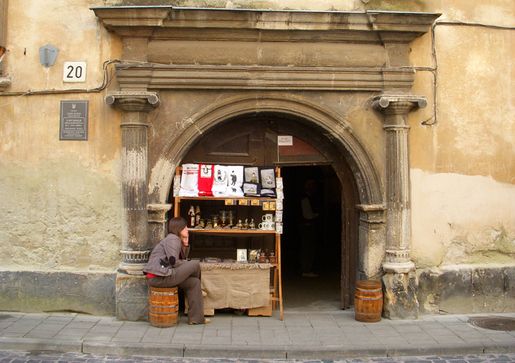
Kamenitsa Mykolaievichskaya is very well preserved up to now. This Renaissance dwelling housewas designed by an Italian architect from Lugano in the 16th century. The first thing that draws attention is the location of the windows, they are at different levels. There is a theory that this was due to the combination of neighboring houses with two and three windows. The entrance is decorated with original columns, it is not just a large monument, but a delicate combination of features of Doric and Ionic orders. The bottom of the columns is decorated with flutes, vertical grooves, in which the rollers are inscribed. Such an ornament is inherent in the architecture of the Cilician kingdom. Kamenitsa was reconstructed in 1898.
To understand the city, to plunge into its history and to feel the spirit of the past, it is necessary to see Kamenitsa Mykolaievichskaya with my own eyes. Nearby there is a monument to inventors of a kerosene lamp.