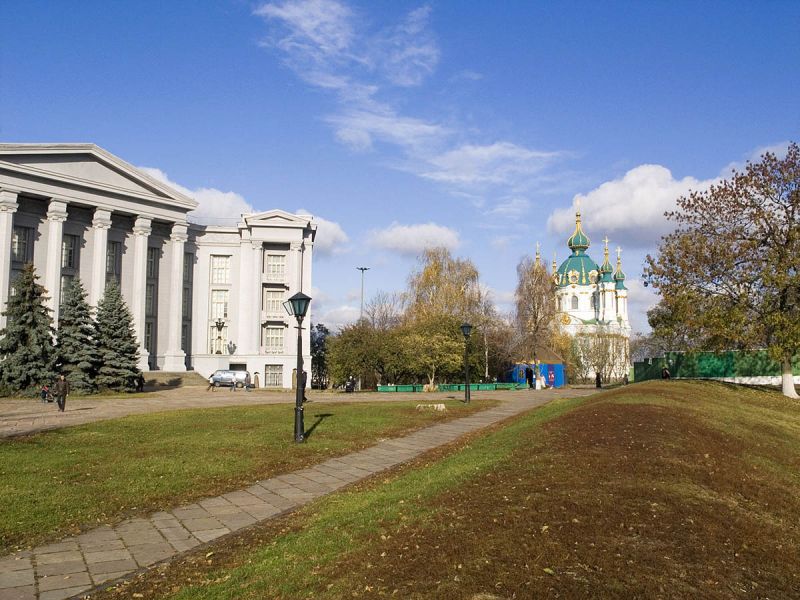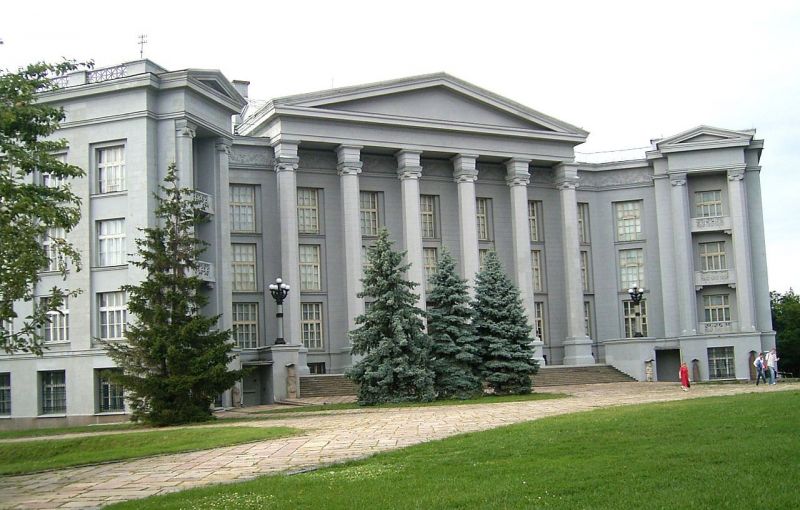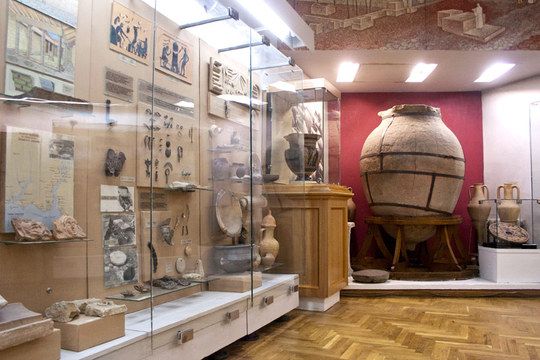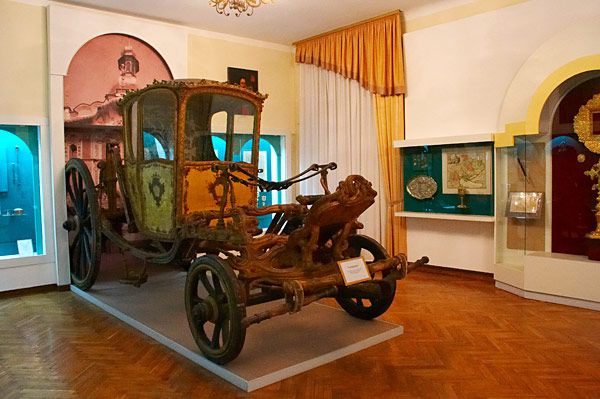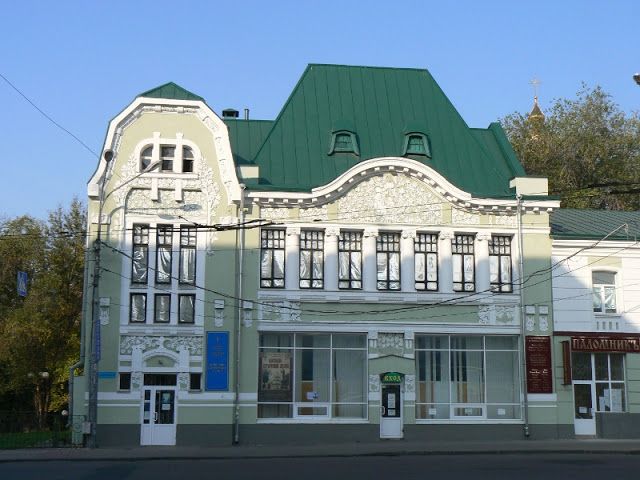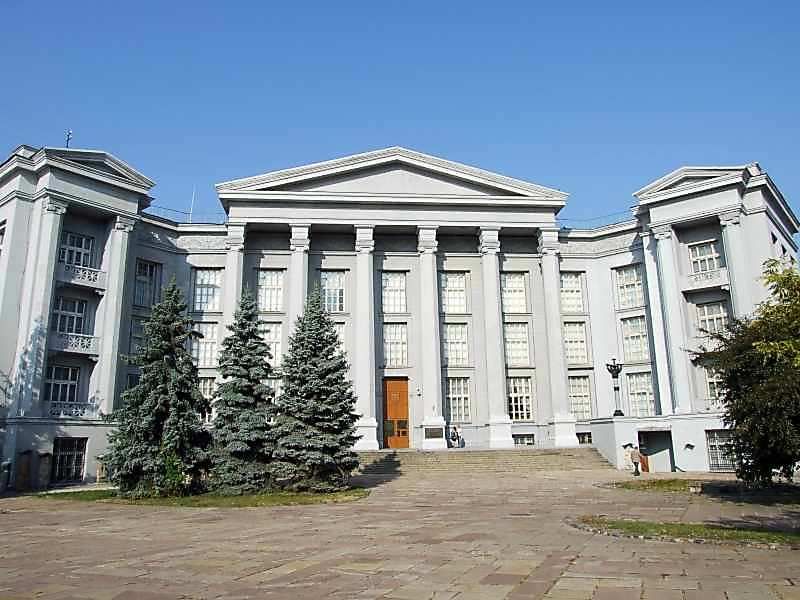
National Museum of Ukrainian History, Kiev
How the National Museum of Ukrainian History was Established
It was first opened as the Museum of Antiquities and Arts. Its founders were quite renowned scholars: D. Shcherbakovsky, V. Khvoika, and N. Beliachevsky. Initially, things were quite difficult because there was no funding for the museum; it relied on donations to operate.
The main supporters of the museum were two families: the Tereshchenkos and the Khanevks. It was they who helped the institution grow, acquire new exhibits, and ensure its ongoing operations. Many of the museum’s collections were donated by various individuals who valued antiquities.
In 1909, the museum received its first state subsidy. When World War I broke out, some of its staff were called up to serve in the army, and the museum had to suspend its activities. After the October Revolution, the number of exhibits increased significantly due to the nationalization of many private collections. When Soviet power was established, the museum became state property and was renamed the First State Museum.
In 1924, it was given its current name: the All-Ukrainian Historical Museum named after T. Shevchenko. During this period, the museum continued to grow rapidly, and its collection expanded with many new and unique items.
In the early 1930s, the museum moved into one of the buildings of the Kyiv-Pechersk Lavra. During World War II, the most valuable exhibits were taken to the city of Ufa, while the remaining items were transferred to the Pedagogical Museum. Many artifacts were stolen by the Germans in 1941 and 1943. The return of these museum treasures began in 1947, but not all exhibits were eventually recovered.
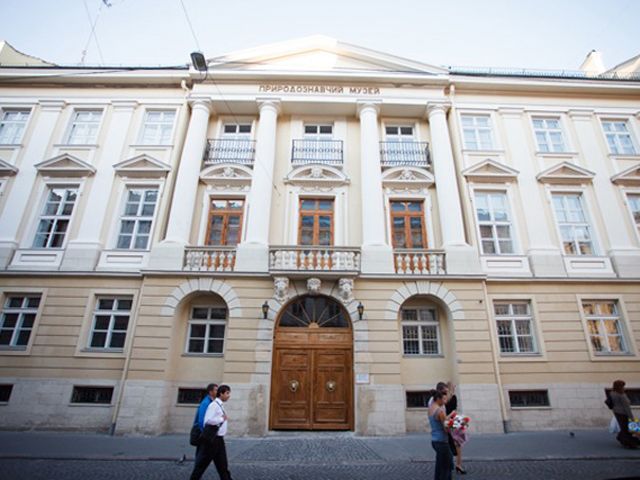
The museum reopened its doors as early as 1943, and a year later it obtained the premises it still uses today. Over the following years, its name was changed several times; it wasn’t until 1991 that it became the National Museum of Ukrainian History.
, which represent cutting-edge technology from the late 19th century.
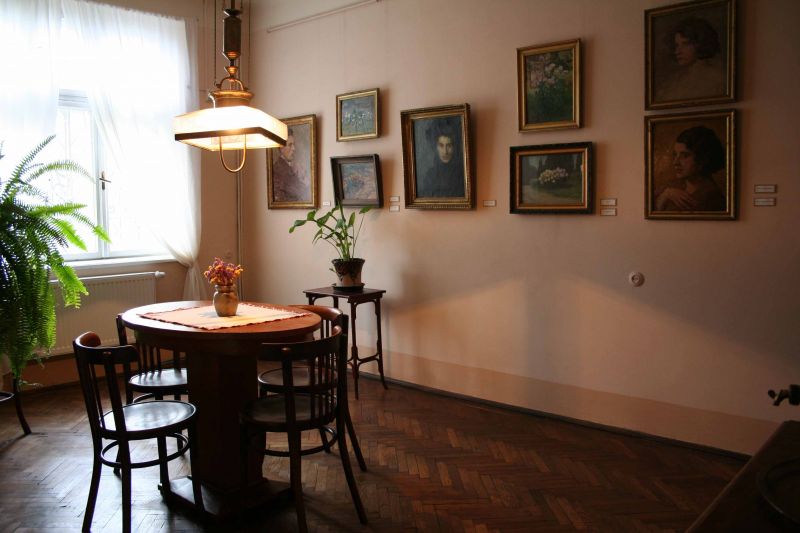
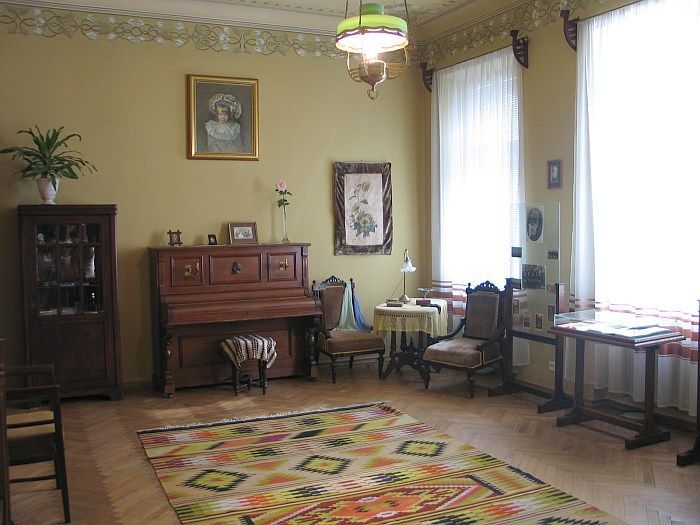
The museum also features unique furniture in the Victorian style, representing the interior of a 19th-century nobleman’s home, as well as many other exhibits that are worth exploring and that tell the story of Ukraine throughout different historical periods.