The world is full of many beautiful places worth visiting. But due to the fact that they are constantly visited by a huge number of people, many of them are gradually being destroyed, also climate change, pollution or even deliberate destruction contribute to it. These external forces can help to disappear to remarkable places. Although preventive measures have been taken for some of them, and something has been reinstated, we still put them at risk.
Famous places you should visit before they completely disappear (25 photos)
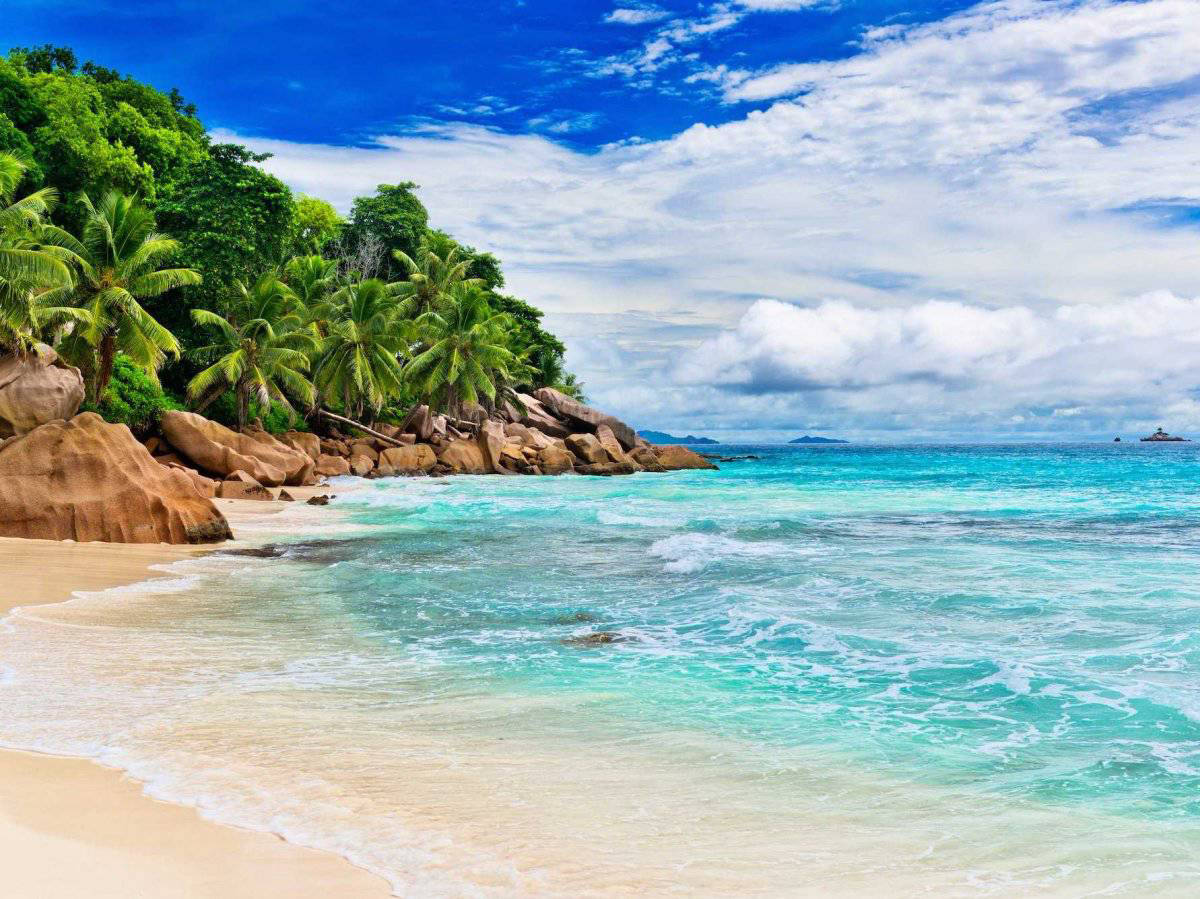
Seychelles
A popular place for honeymooners or beauty seekers, the islands of the Seychelles - located in the Indian Ocean off the coast of Madagascar - disappear due to erosion of the shores. They are threatened with a final disappearance in the next 50-100 years.
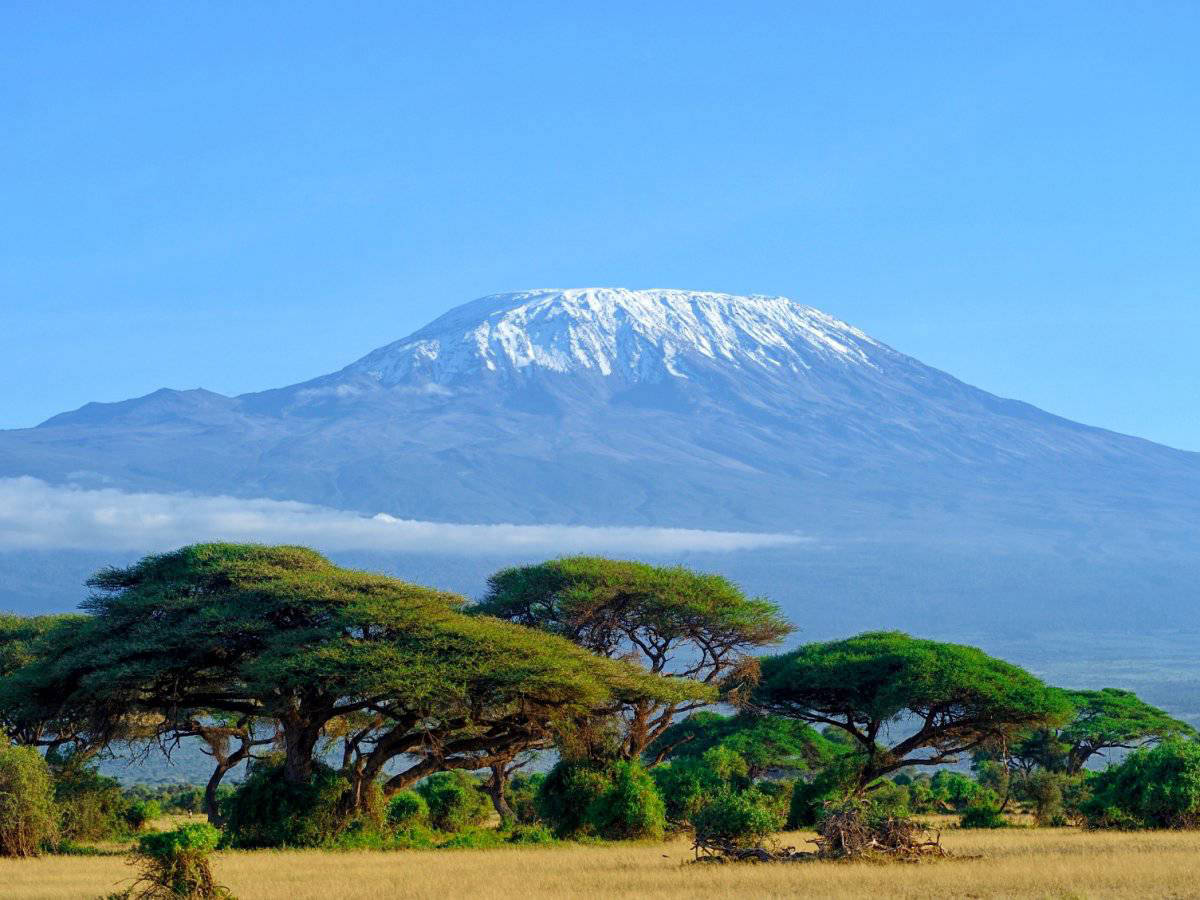
Mount Kilimanjaro, Tanzania
Picturesque snow peaks of Mount Kilimanjaro in Tanzania, probably soon melt away savsem. In the period from 1912 to 2007, the ice cover of Kilimanjaro fell by as much as 85%!
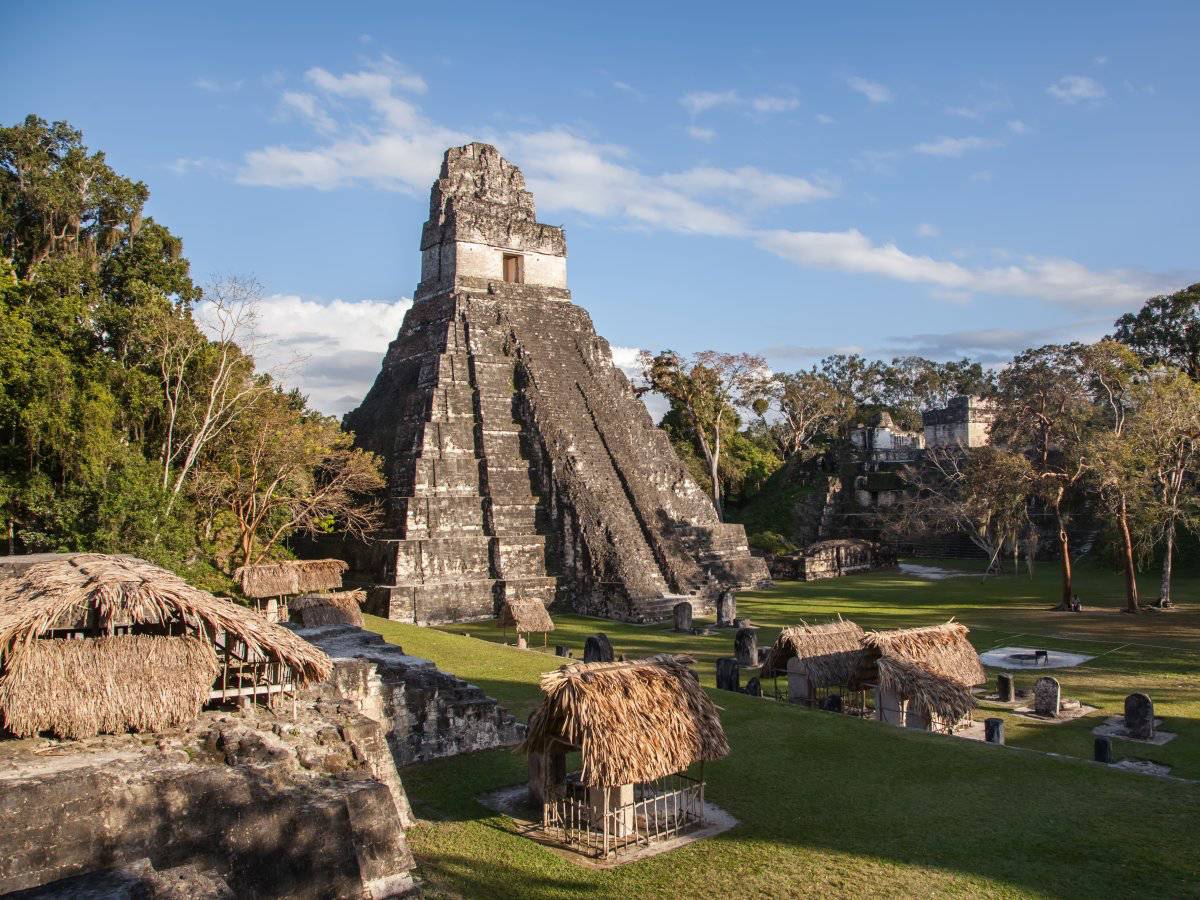
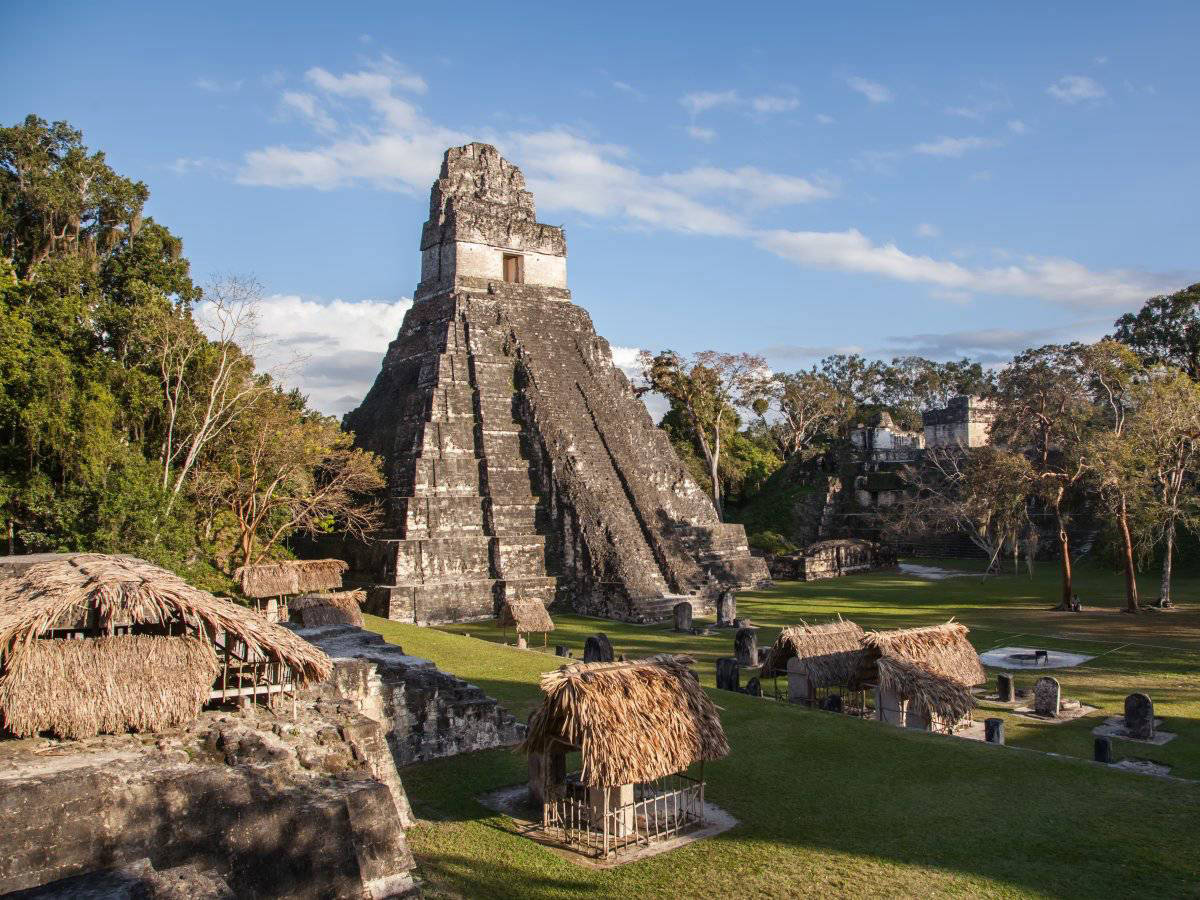
Mirador and Tikal National Park, Guatemala
In the Mirador basin and the Tikal National Park in Guatemala, there are mysterious ruins of the Mayan civilization. Illegal logging and burning of forests, however, can also destroy this piece of the history of civilization.
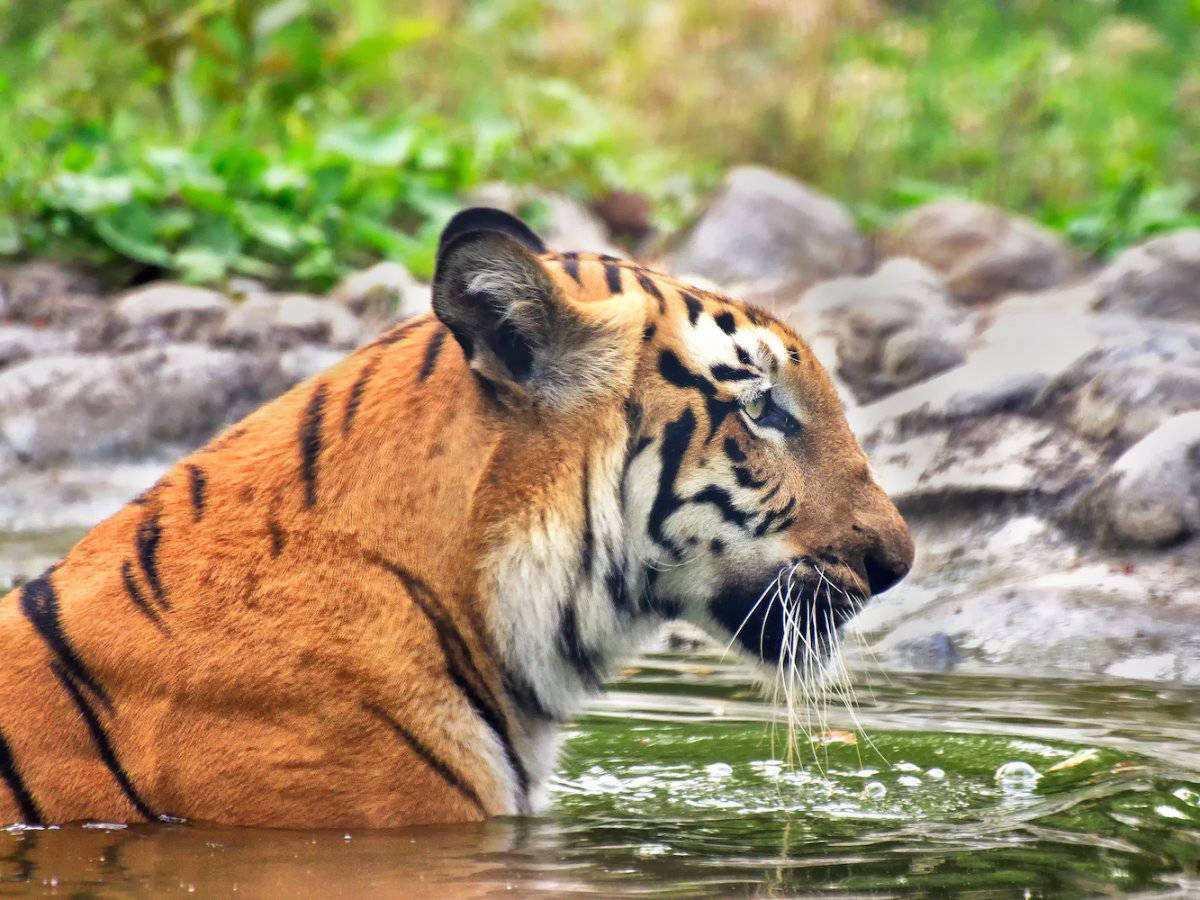
Sundarbans, India and Bangladesh
Sundarbans is about 4,000 miles of protected land in the Ganges delta. This place is home to the largest mangrove forests in the world. These forests serve as a refuge for a number of endangered species, such as tigers. Pollution and heavy dependence on fossil fuels cause a rapid rise in sea level in this area, which leads to the erosion of the precious coast.
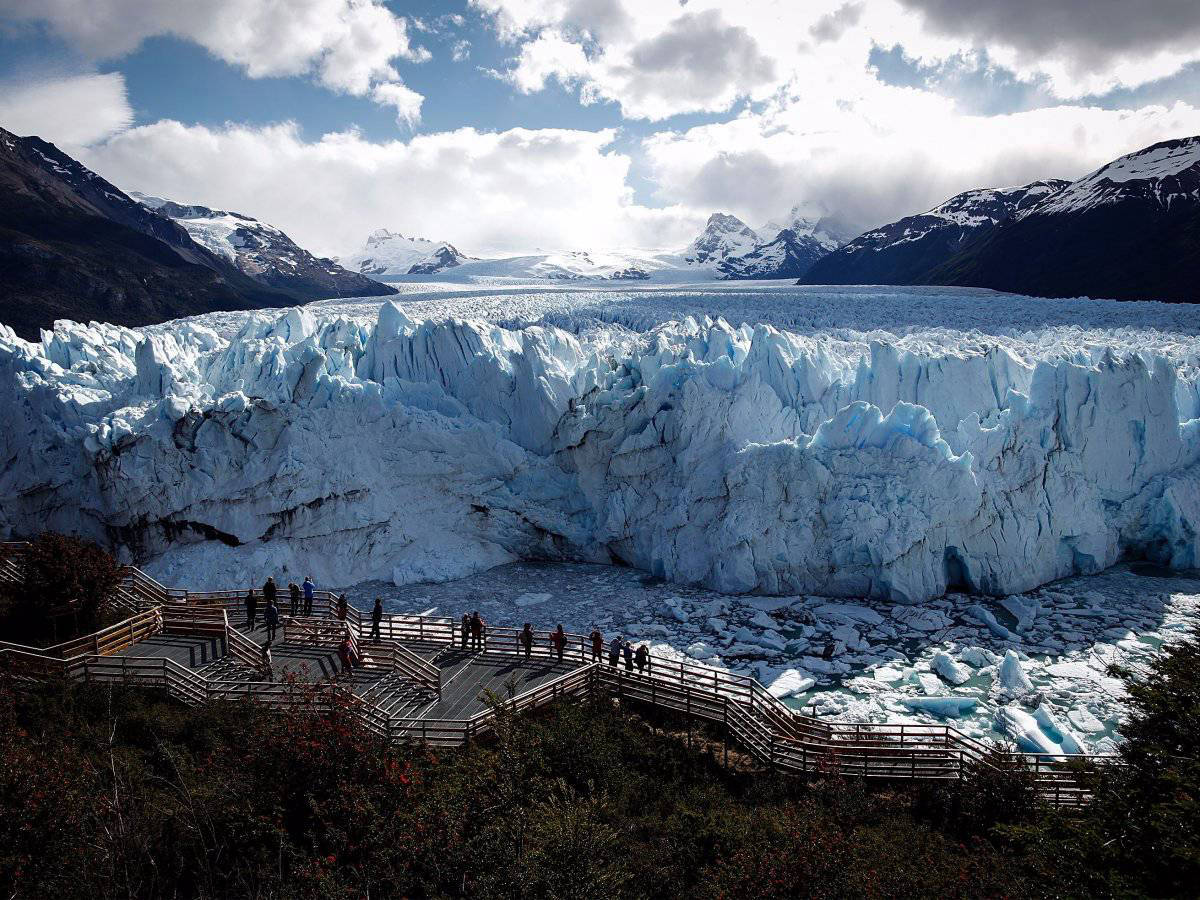
Glaciers of Patagonia, Argentina
The glaciers of Patagonia are probably one of the most beautiful tourist attractions in the world, but the reduction in precipitation in the region and the general warming of the climate make glaciers melt.
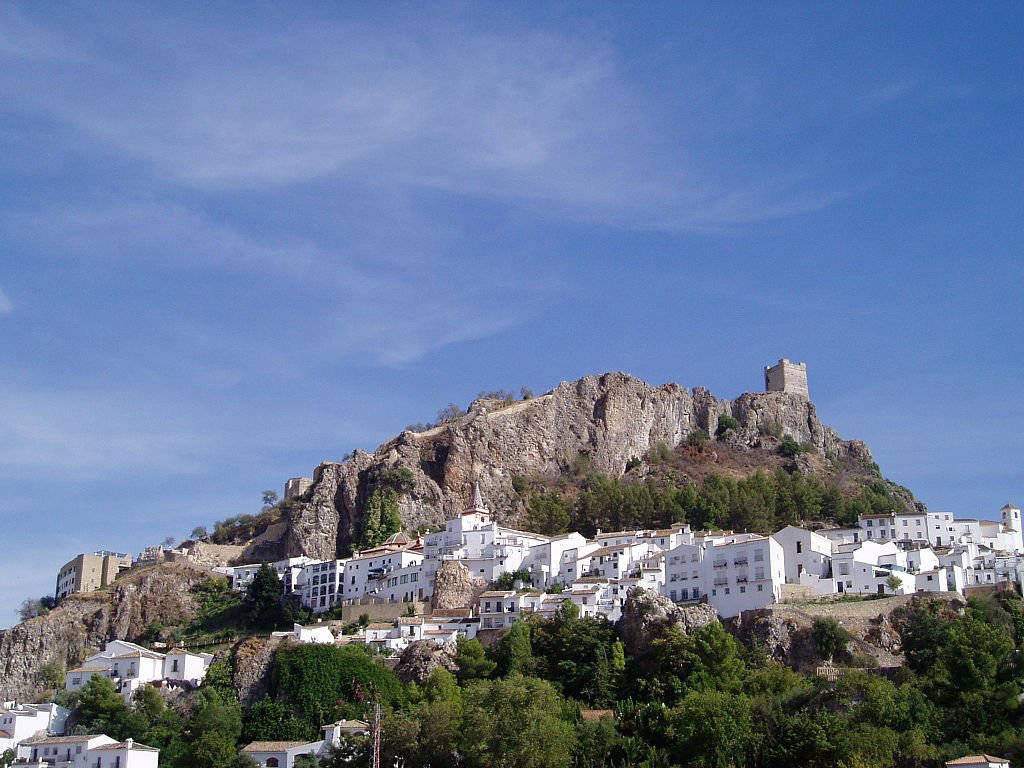
Zahara de la Sierra, Spain
The province of Cadiz, located in the mountains of Andalusia in the south of Spain, Zahara de la Sierra, also loses its surrounding wildlife and forest due to rising temperatures and decreasing precipitation in recent years.
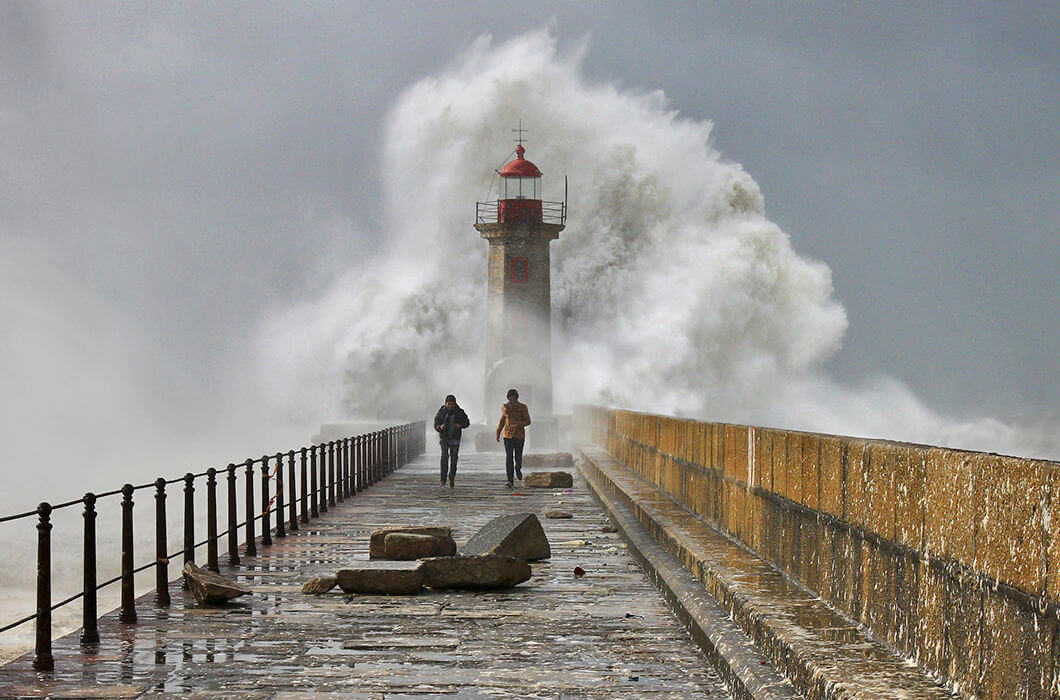
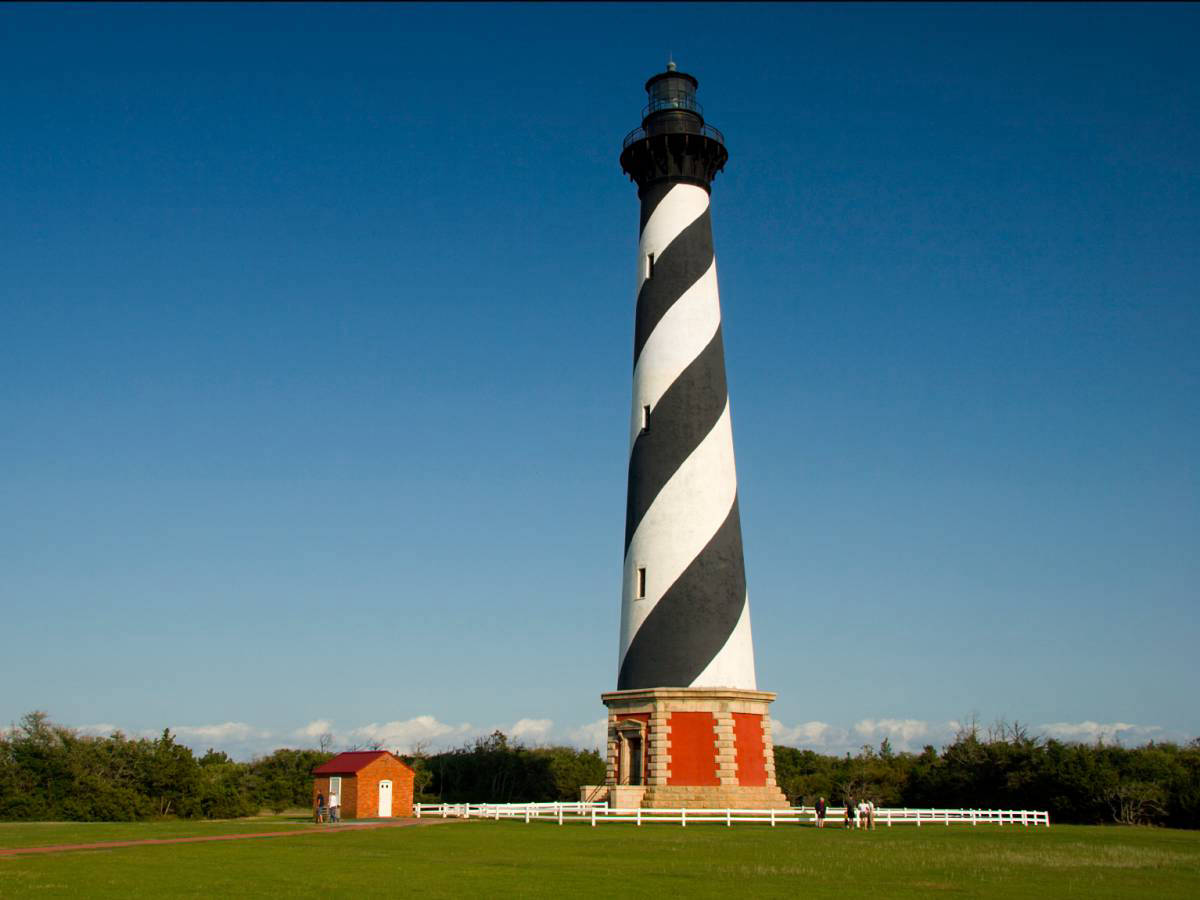
External shoals, North Carolina
The shores of the North Carolina Outer Banks are collapsing from erosion, such sights as the Hatteras Cape lighthouse, which dates back to 1870, are threatened.
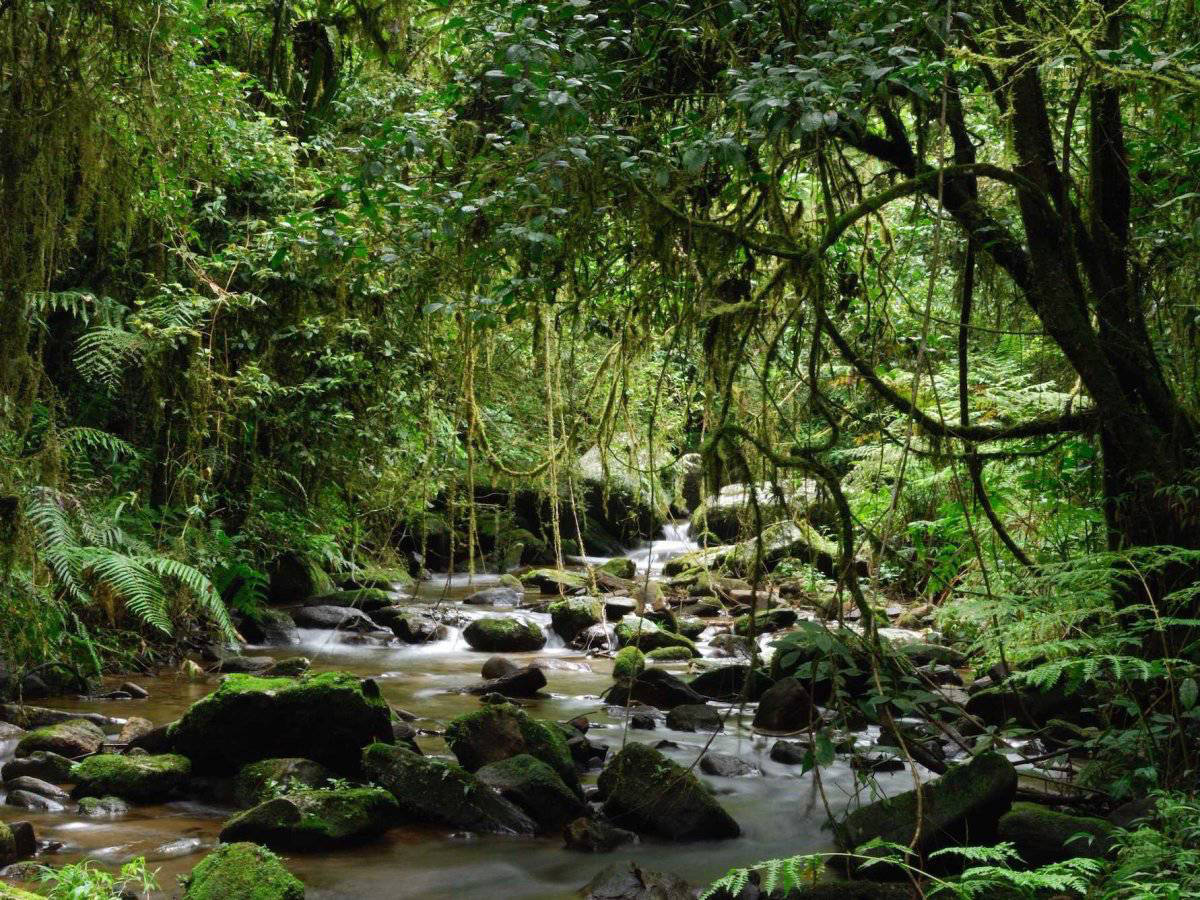
Forests of Madagascar
It is assumed that the forests of Madagascar will disappear in 35 years because of the many fires and mass deforestation.
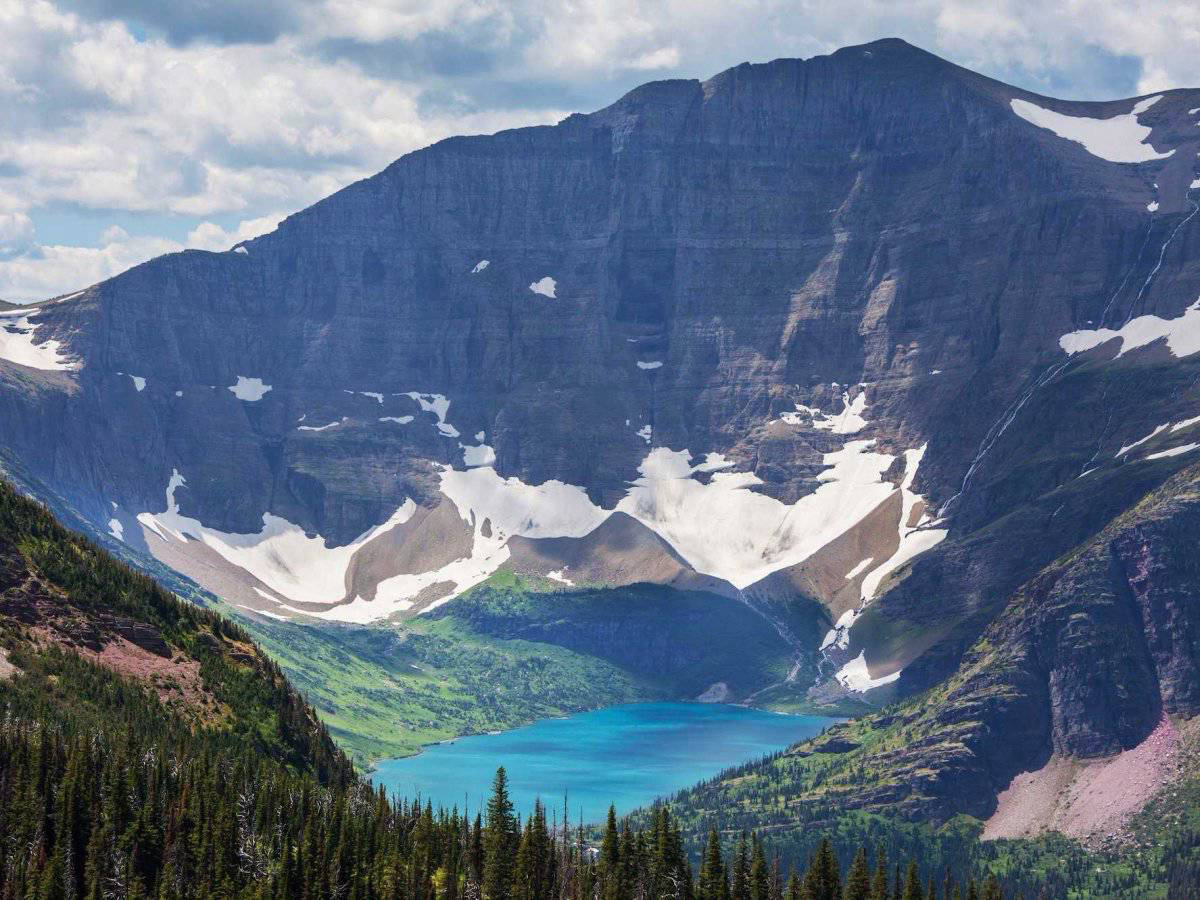
Glacier National Park, Montana
The number of glaciers in the National Park of the Montana Glacier has decreased from 150 to 25. In 15 years they may not be at all.
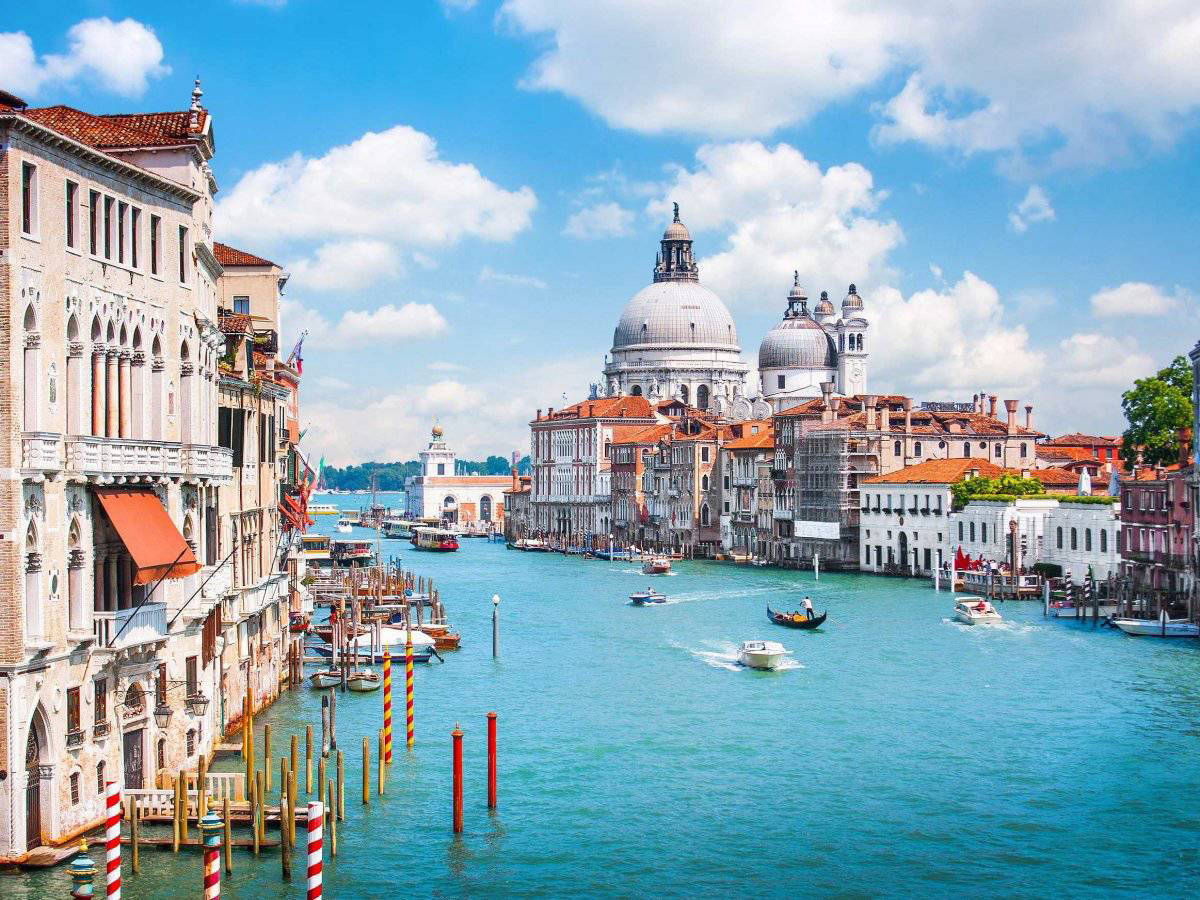
Venice, Italy
Venice is constantly drowning for several years, without signs of stopping this phenomenon. Increased large floods also contribute to this.
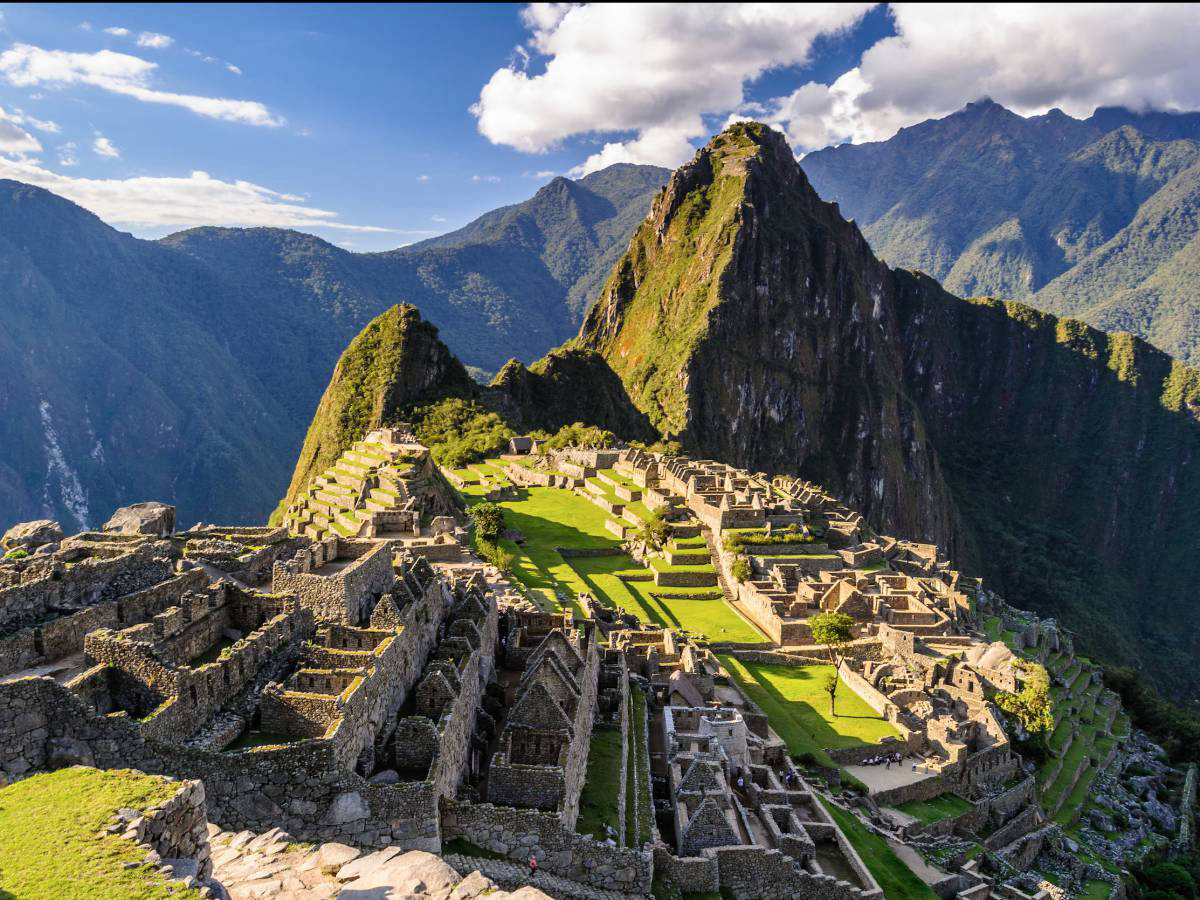
Machu Picchu, Peru
The ruins of the Inca empire attract millions of tourists a year, and exceed 2500 visitors a day. Many believe that this, along with natural landslides and erosion, can lead to the destruction of the ruins, unless new rules and restrictions are introduced.
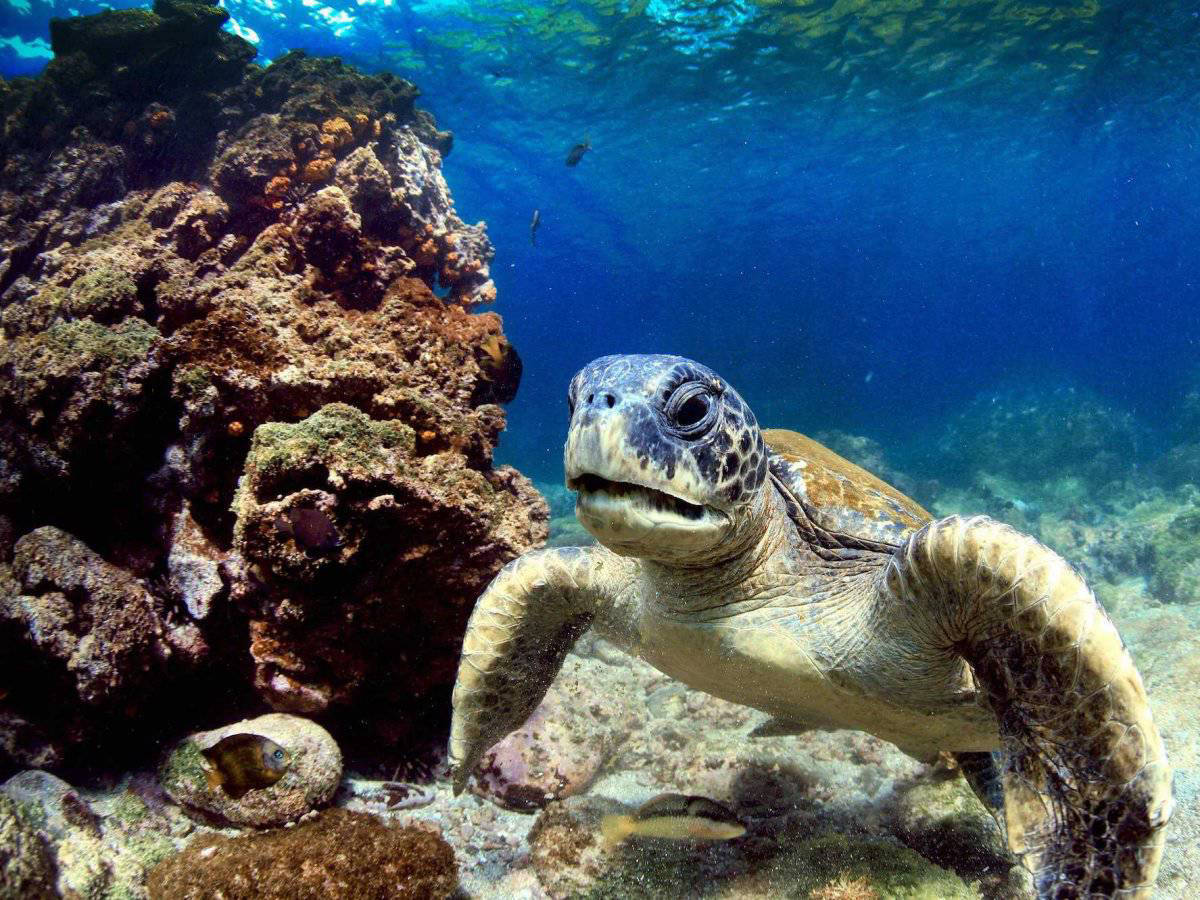
Galapagos Islands
The combination of too many tourists and new species of fauna threatens the ecosystem of the Galapagos Islands - a group of islands off the coast of Ecuador.
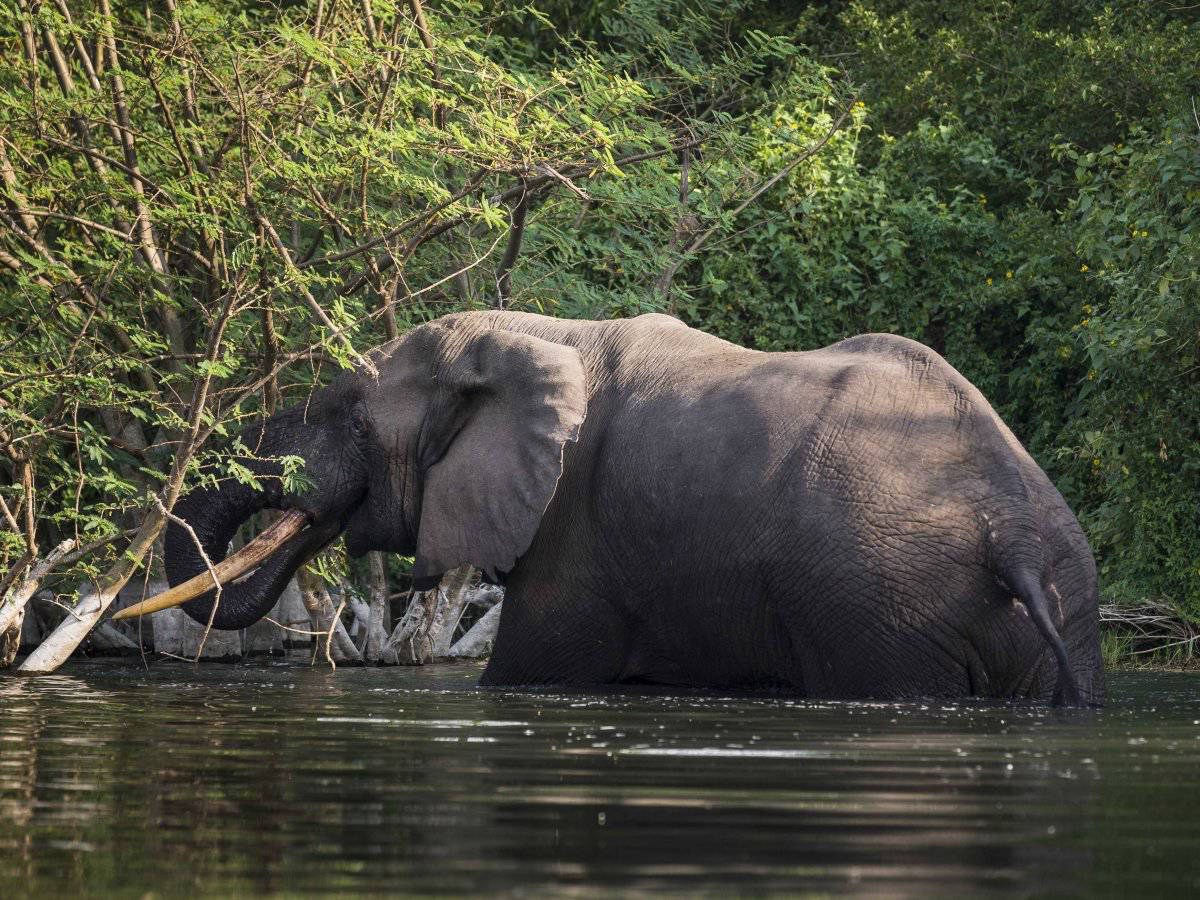
Congo River Basin, Africa
The Congo River basin in Africa, the second largest tropical forest in the world, is also one of the most biologically diverse regions of the world with more than 10,000 plant species, 1,000 bird species, and 400 mammal species. However, the United Nations predicts that two-thirds of these forests, including wildlife, may completely disappear by 2040.
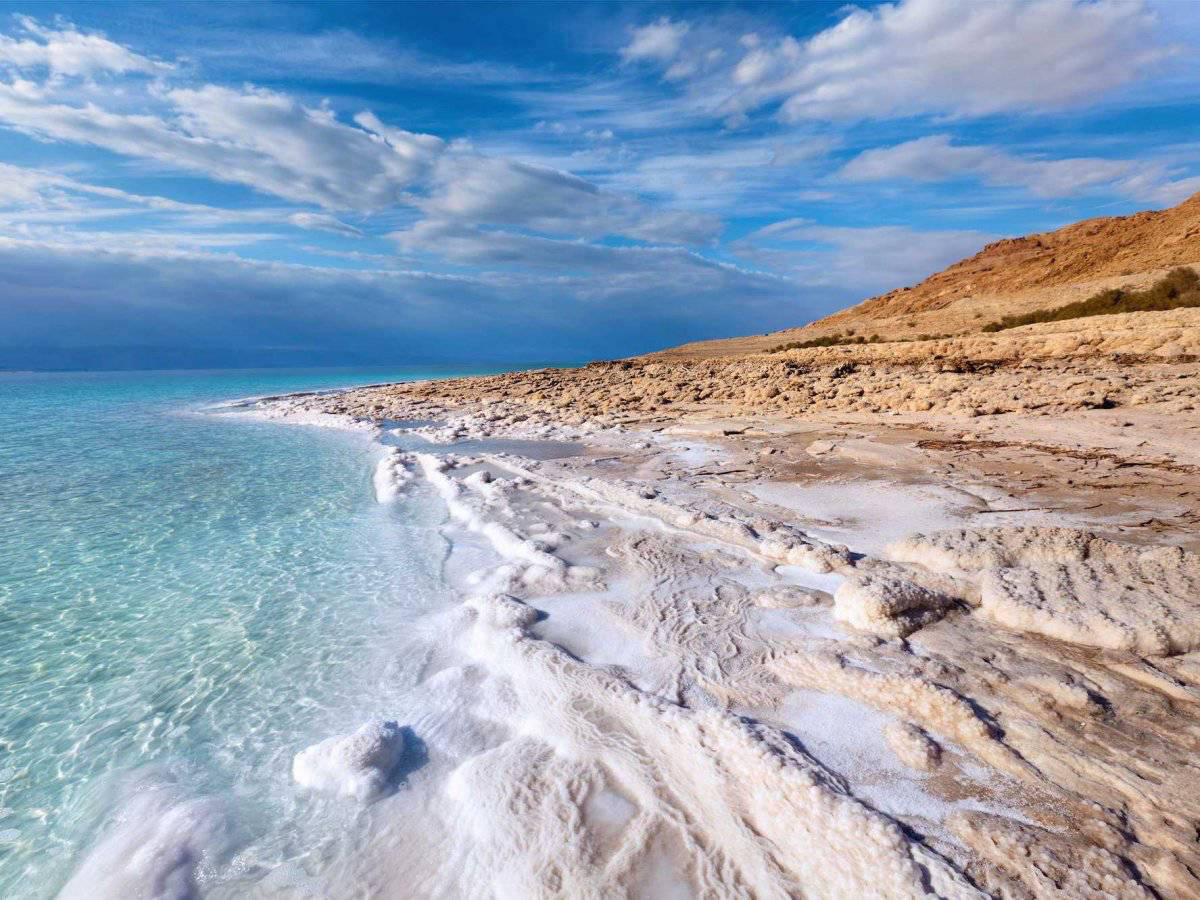
Dead Sea
The dead sea, which borders on Jordan and Israel, has decreased by a third over the past 40 years. While the countries around the sea continue to use water from the Jordan River (the only place where the Dead Sea feeds from), the sea can completely disappear in 50 years.
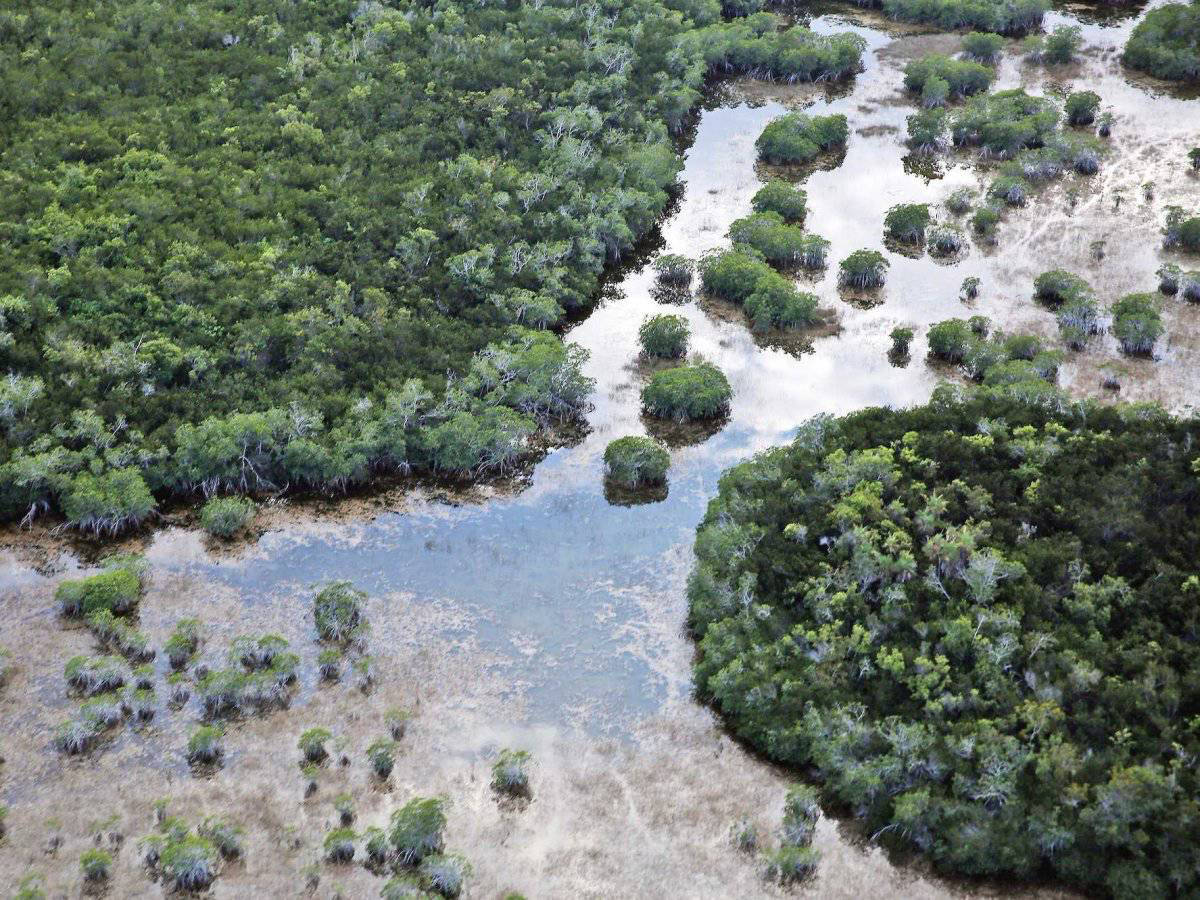
Everglades, Florida
A special tropical natural territorial complex, occupying the southern quarter of the peninsula of Florida, on the territory of the same state of the United States. The surrounding civilization and settlement, along with rising water levels, endanger this complex.
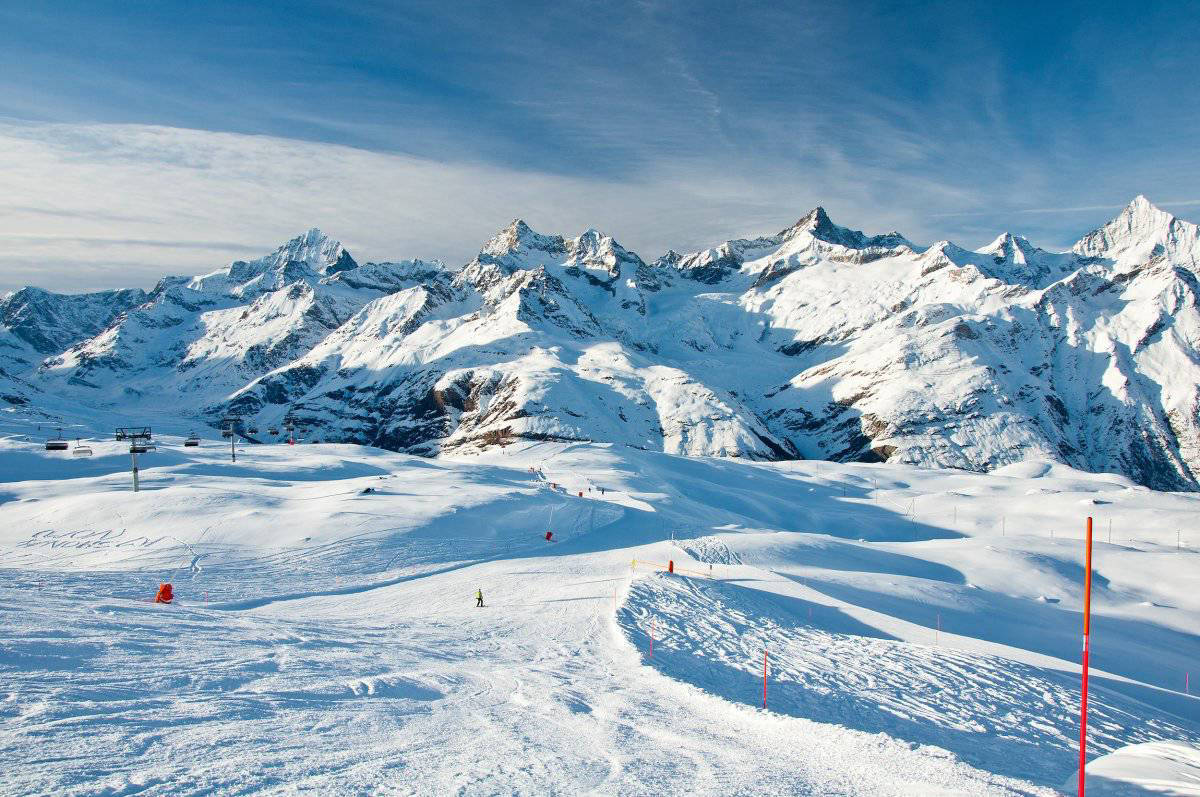
Alps, Europe
Bad news for tourists and winter sports fans: climate change strongly affects the Alps, because they are at a lower altitude than other mountain ranges, such as the Rocky Mountains. Each year the European mountain range loses about 3% of glacial ice, which means that by 2050 there will be no more glaciers.
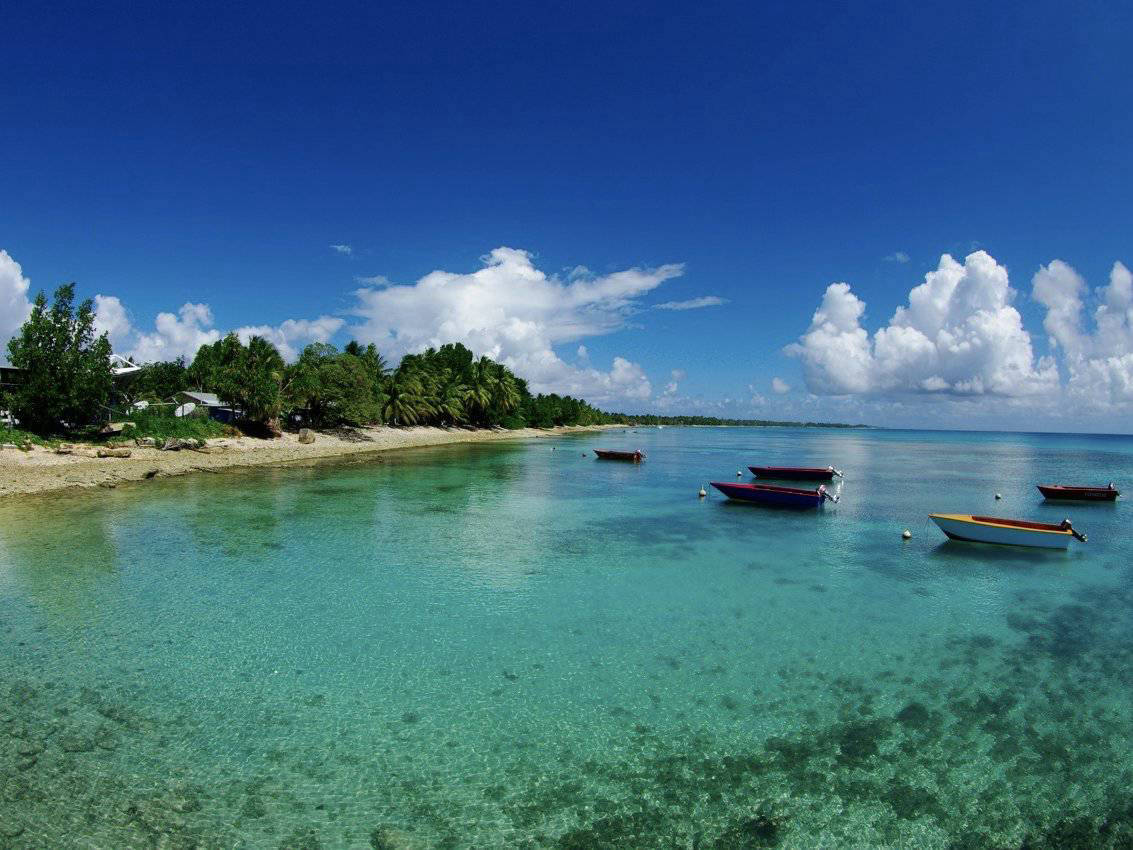
Tuvalu
Islands are threatened to be completely absorbed by the water that surrounds them.
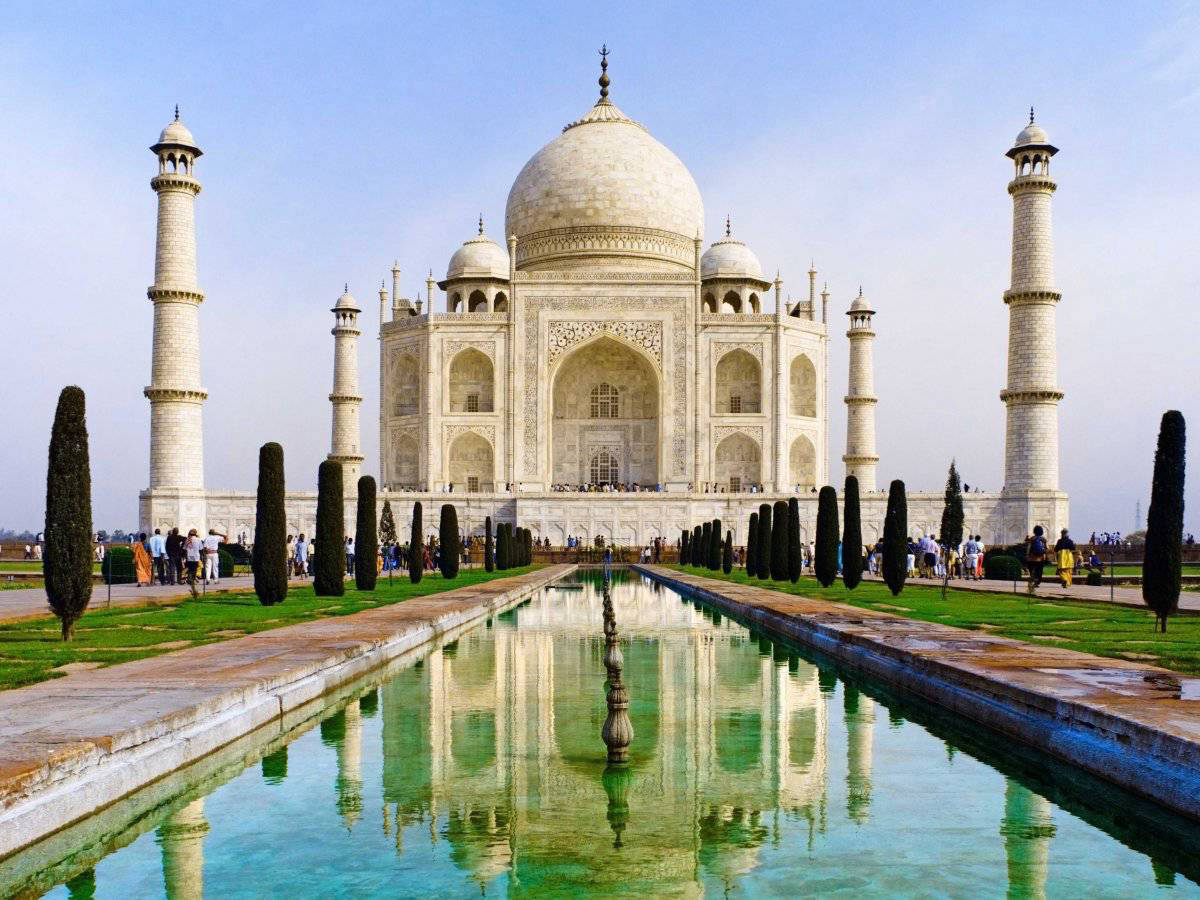
Taj Mahal, India
The Taj Mahal is one of the most iconic buildings in the world, but some experts fear that this place could collapse due to erosion and pollution.
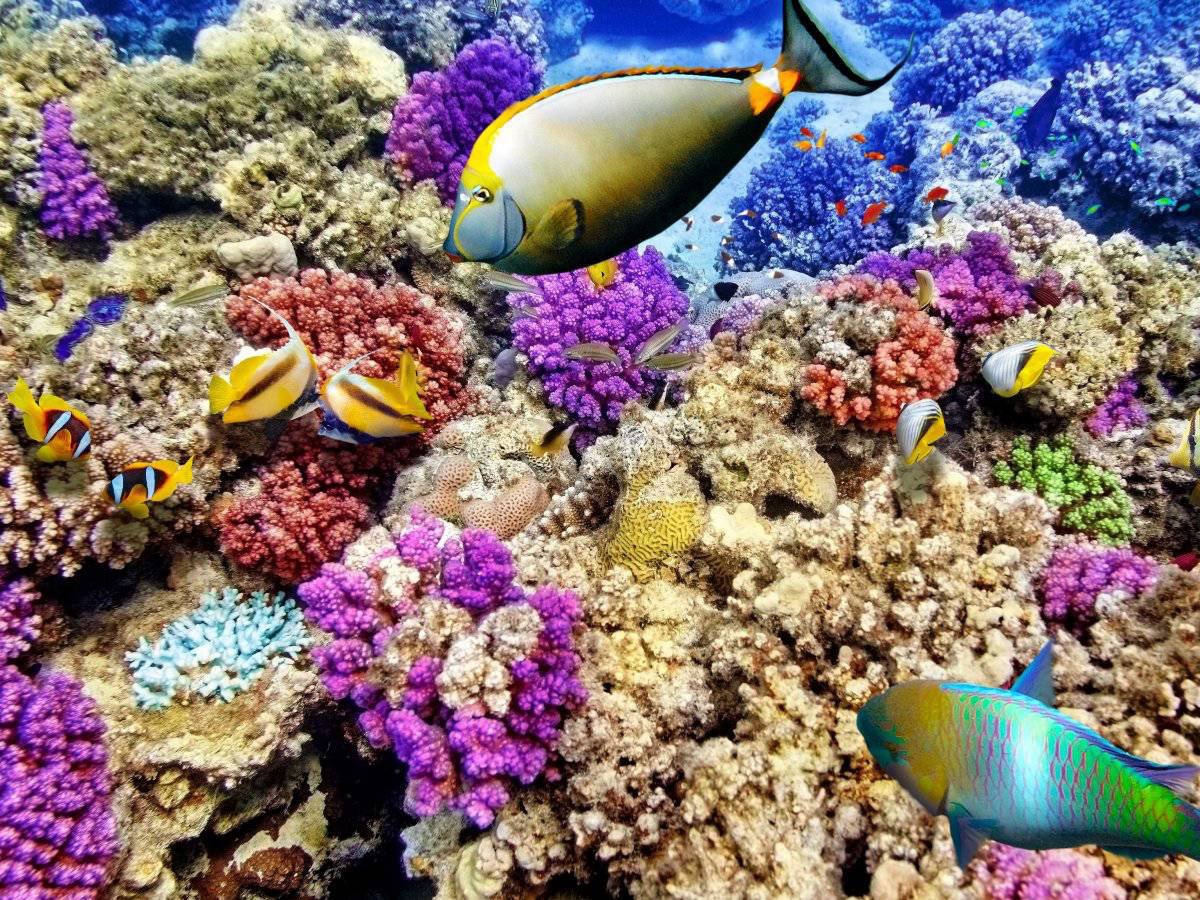
Great Barrier Reef, Australia
The world's largest coral reef, the Australian Great Barrier Reef, has shrunk by more than half its size due to a temperature increase in the last 30 years. The death of corals caused by acid pollution is another problem, and leading scientists predict that by 2030 reefs can disappear completely.
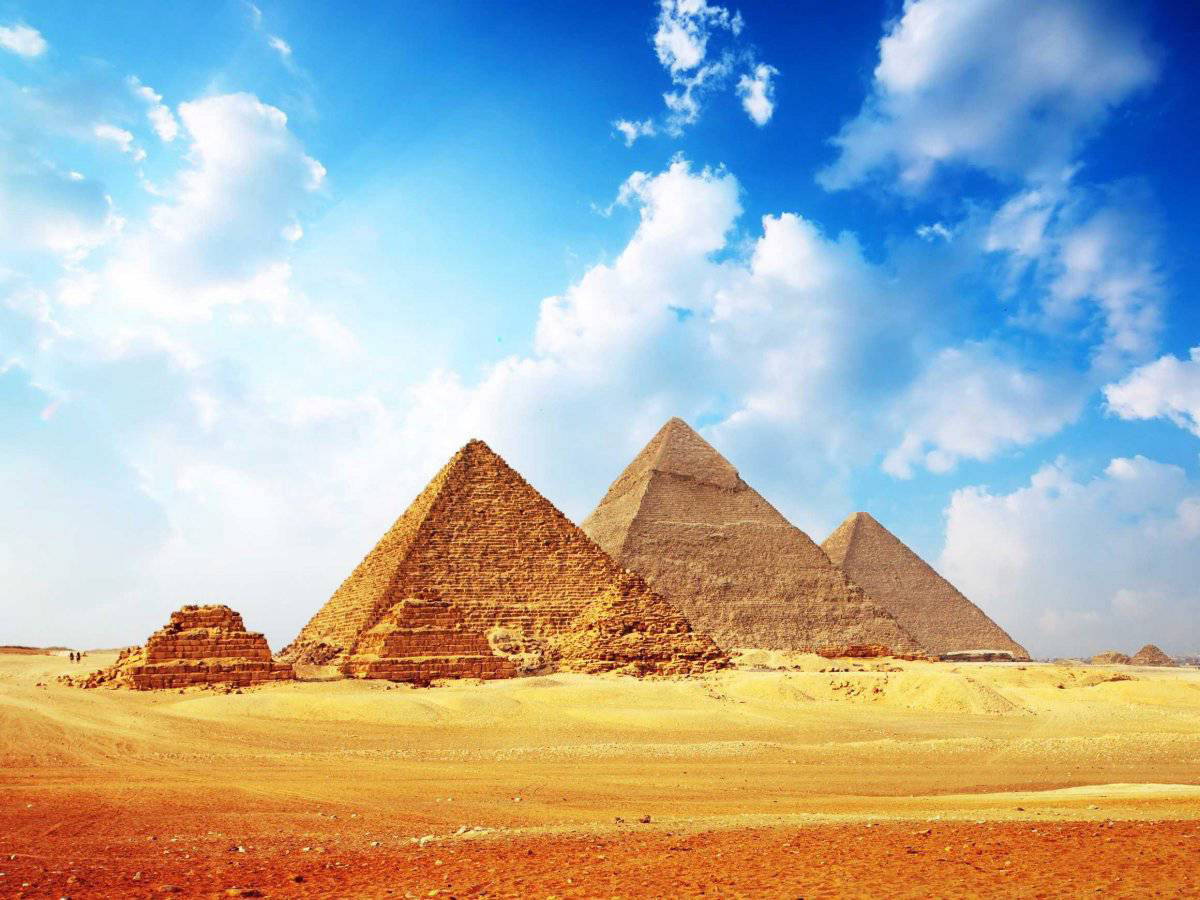
Pyramids, Egypt
The Egyptian pyramids and the Great Sphinx are struggling with erosion from pollution. Since wastewater weakens the foundation on which they stand, there are concerns that contamination can eventually lead to their complete destruction.
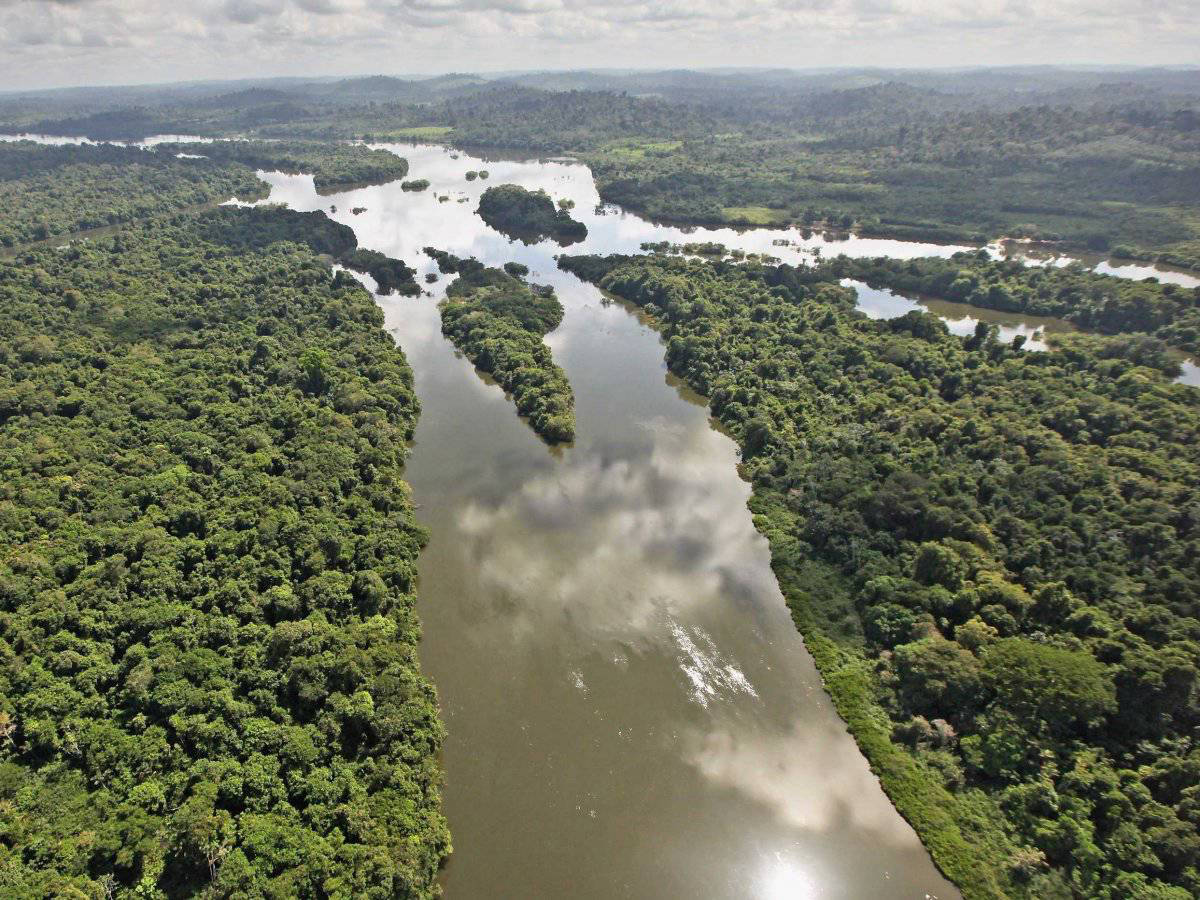
Amazon, Brazil
The Amazon, covering an area of 2.1 million square miles, is the largest tropical forest in the world. It is home to a variety of species in the world, but the expansion of agriculture can lead to the destruction of the rainforest.
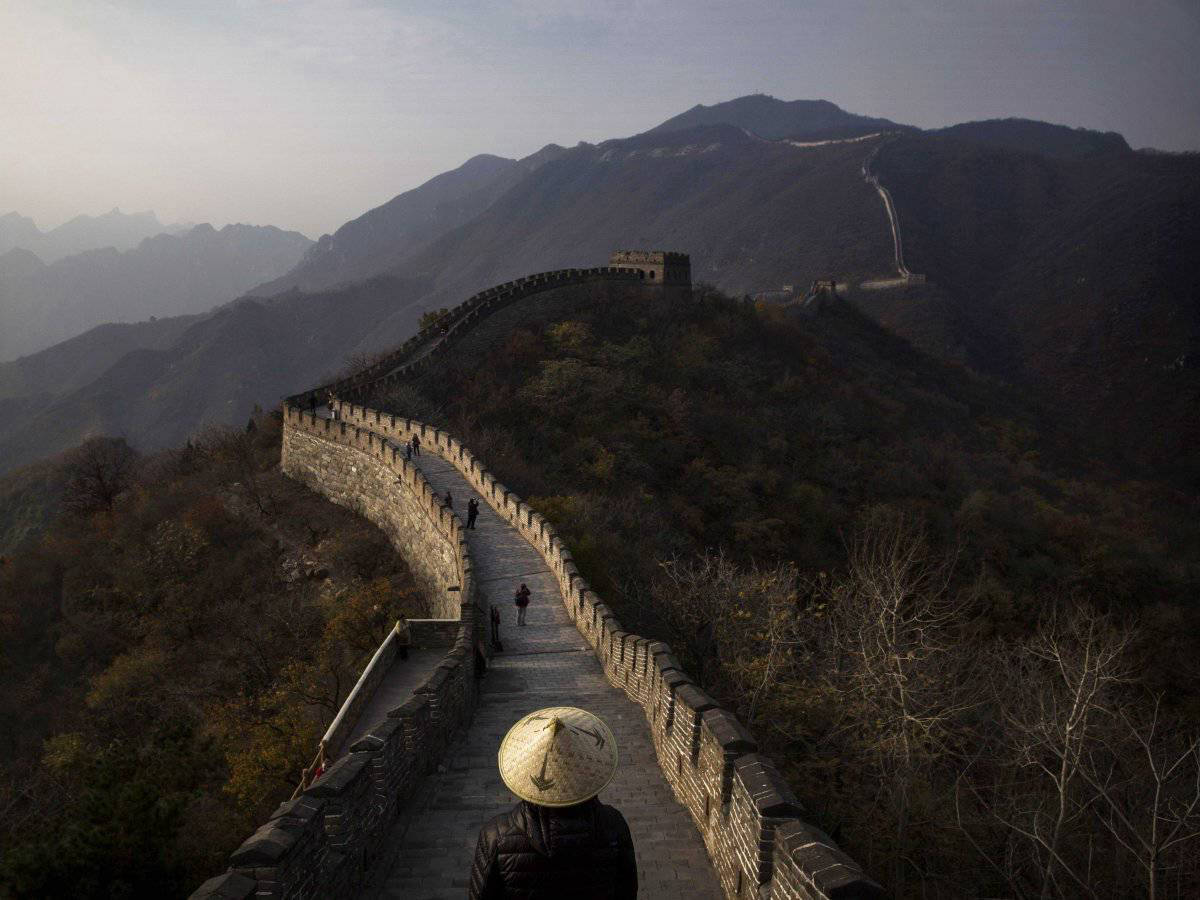
the great Wall of China
The largest anthropogenic structure in the world, the Great Wall of China survived 2000 years, but excessive farming caused damage or destruction of almost two thirds of the wall. Large sections of the Walls will turn into ruins in just 20 years.
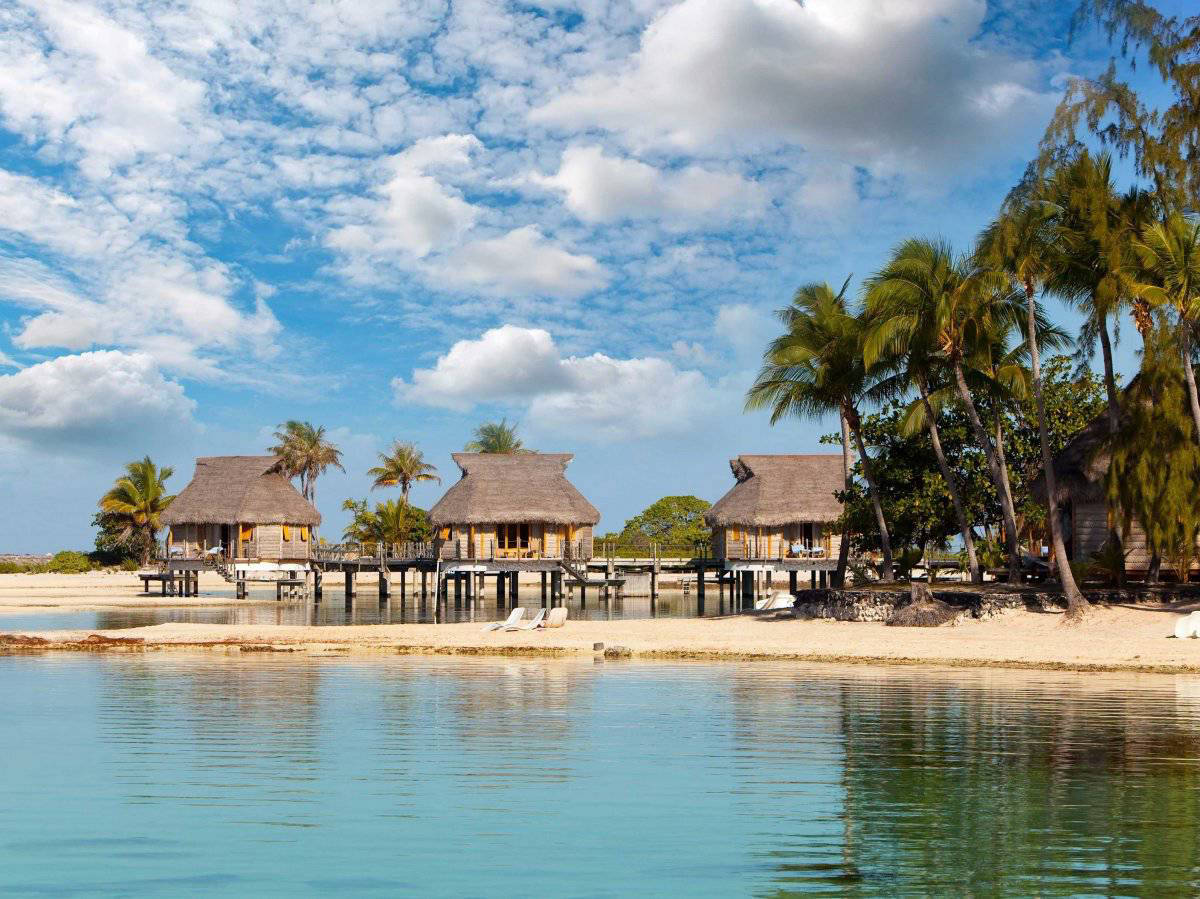
Maldives
Maldives, islands in the Indian Ocean, are slowly drowning because of climate change. Scientists predict that within 100 years they will be completely flooded.
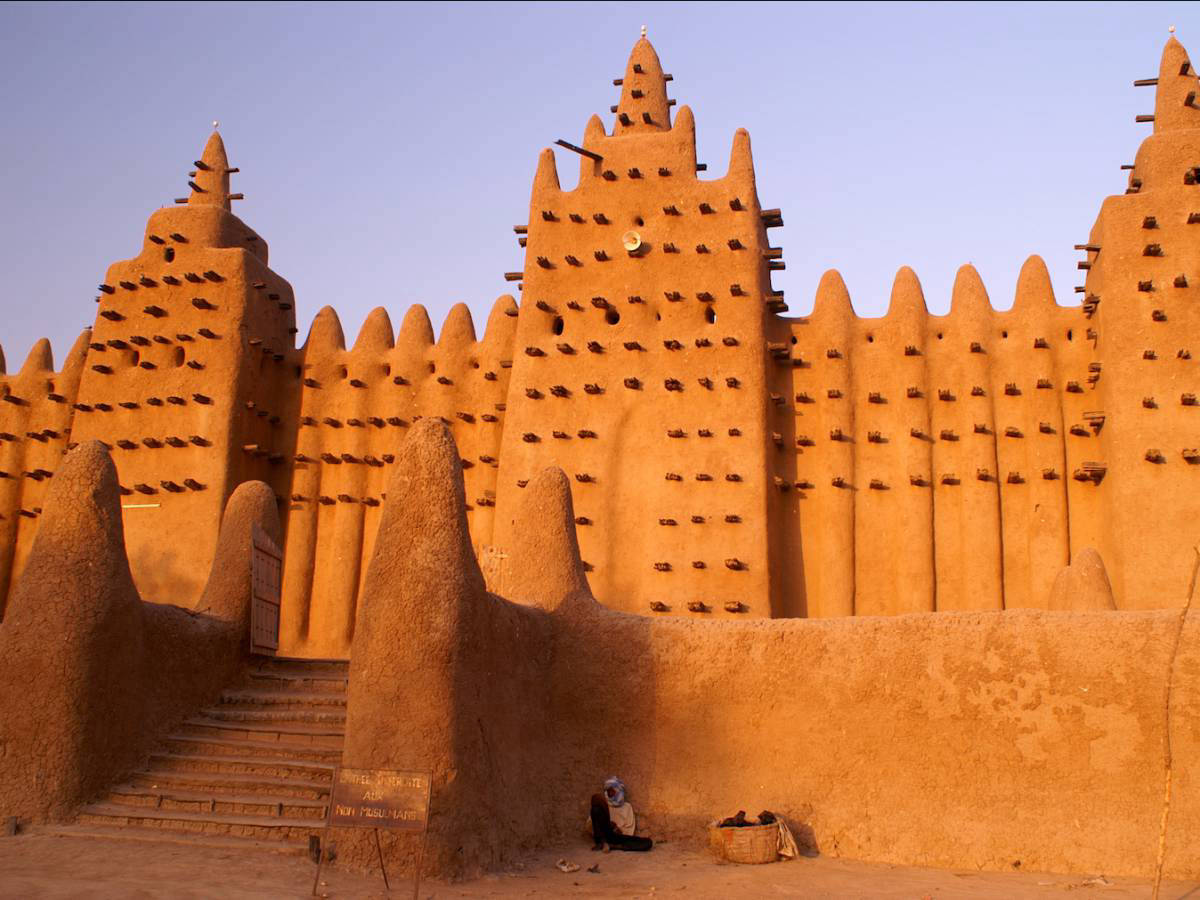
Timbuktu Mosque, Mali
The Timbuktu Mosque, built mainly of mud, dates back to the 14th-16th centuries and is a UNESCO World Heritage Site. But no protection can protect them from rising temperatures and precipitation, which threaten to completely destroy them.
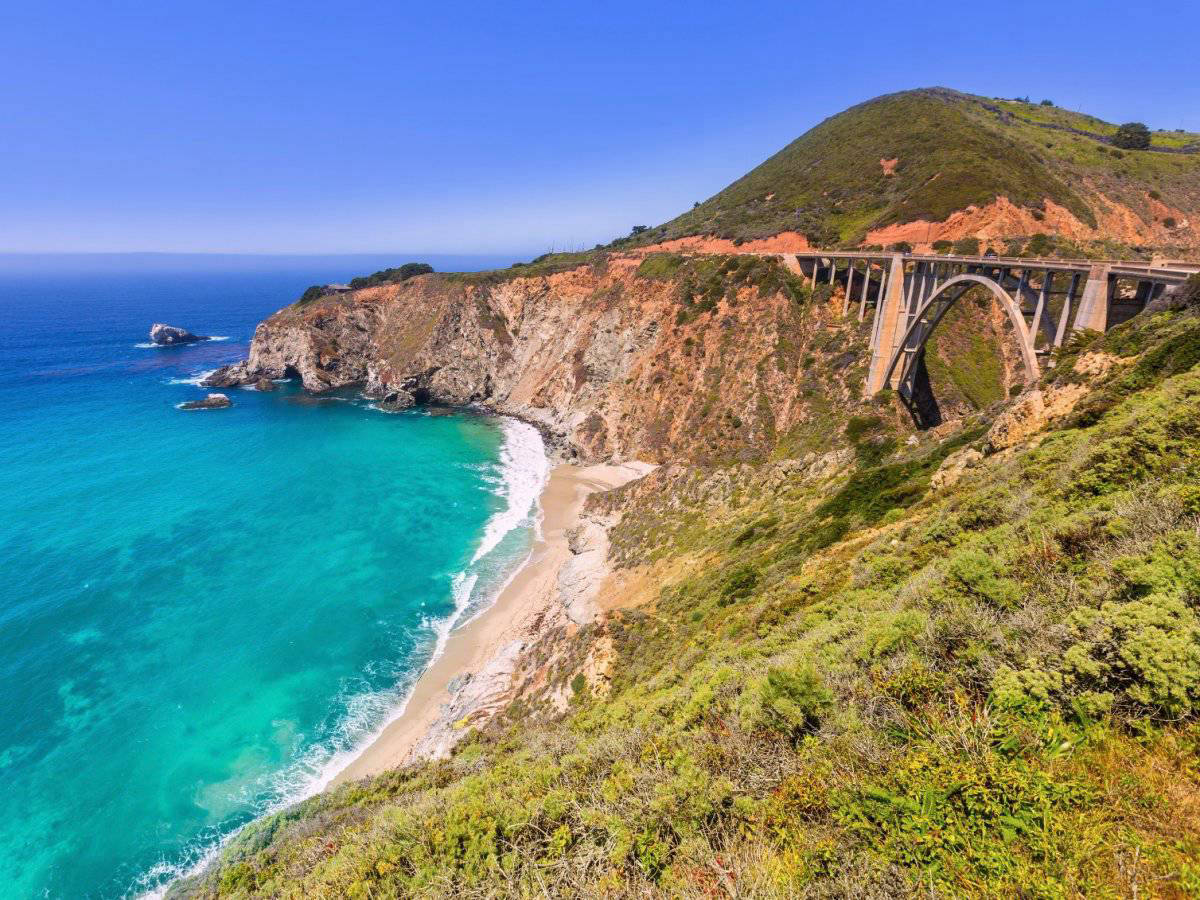
Big Sur, California
Big Sur in California is famous for watching whales, but recent drought and forest fires cause significant damage to the coastal region and lead to fewer occurrences of mammals each year.