Impressive technologies of ancient ancestors: the Shravanabelagol complex in India
In different countries around the globe there are unusual architectural buildings. If you look closely, then behind the walls and columns of many of them are hidden unique technologies of ancient builders.
And some of the abandoned architectural masterpieces can not be repeated even with the help of modern industrial equipment.
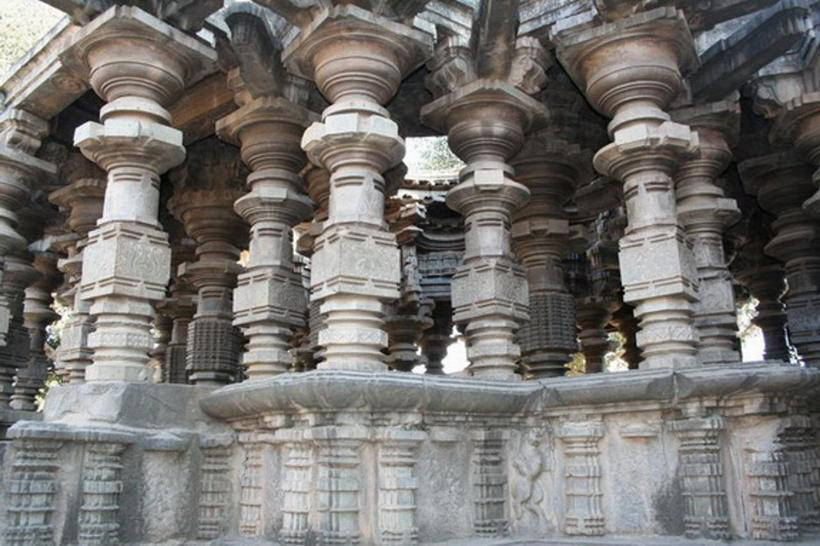
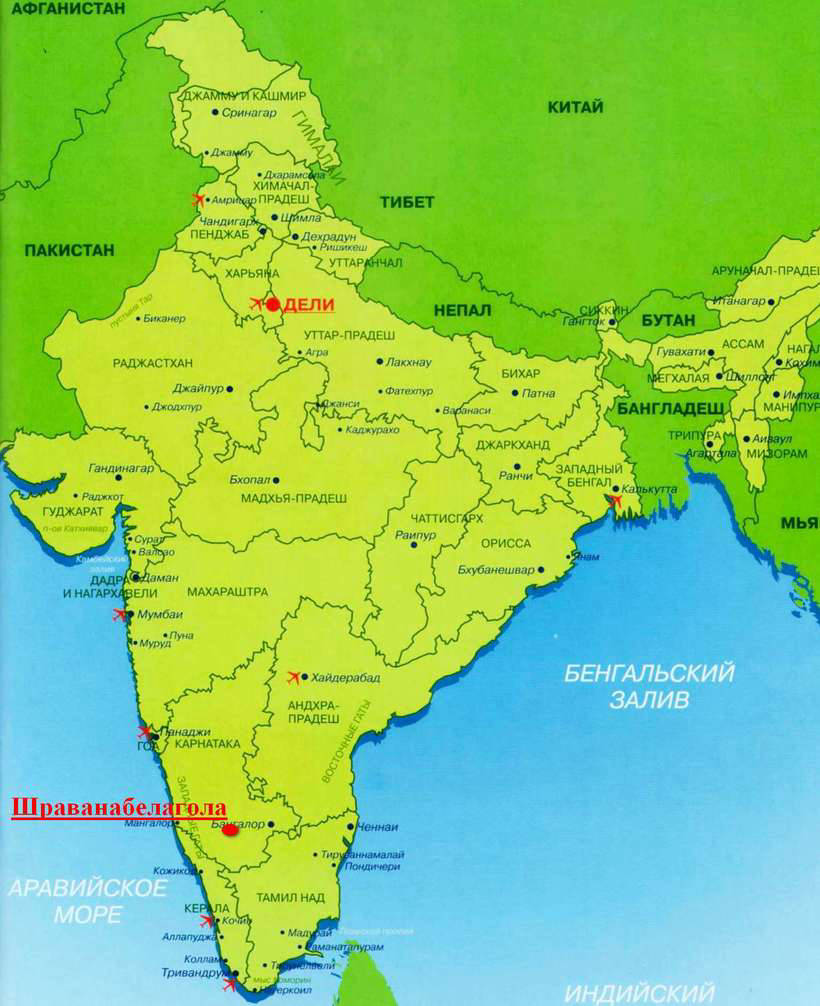
One such place is the Indian complex Shravanabelagol, which in translation means "a monk standing on the top of a hill". This temple complex is located in the city of the same name, in the state of Karnataka, and the specialists date it to the Xth century of our era.
Most of the temples and sculptural masterpieces of Shravanabelagol fall on the period of the Western Ganges dynasty, patronizing Jainism. These ancient Indian kings ruled in Karnataka from the IV to the XI century.
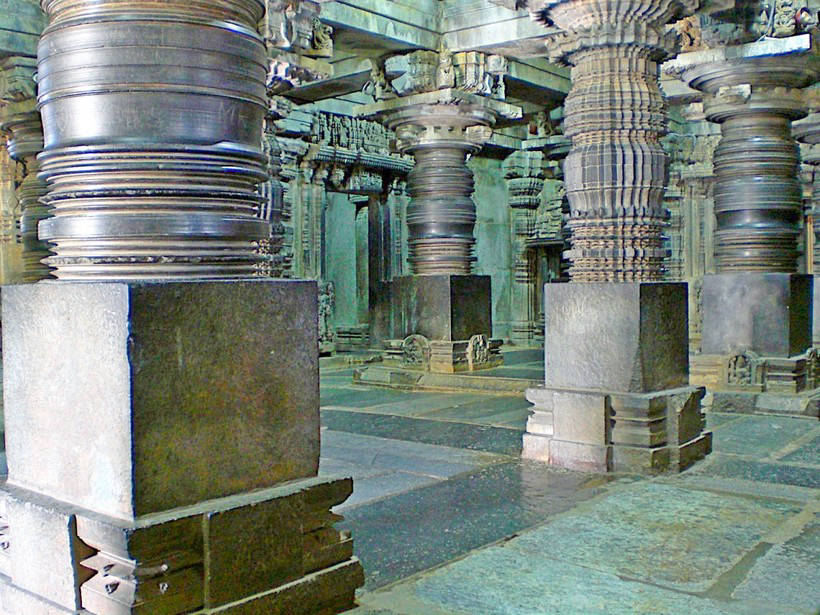
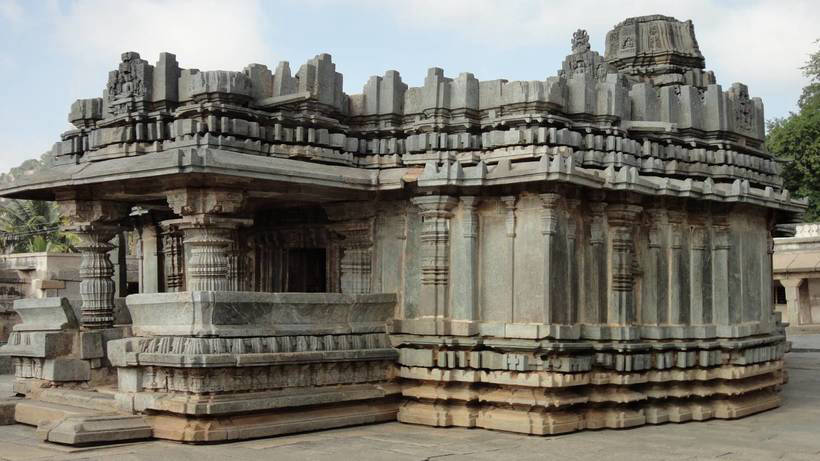
Most of all in this temple complex impress with its appearance numerous columns. They seem to be carved out of stone on a giant lathe. It is impossible to imagine how such a complex treatment can be performed in the 10th century by the forces of a highly developed, but still agrarian, medieval civilization. It is impossible to perform such architectural details with perfect geometry, and traces of equipment with which it would be possible to process such a stone with such precision have not yet been found.
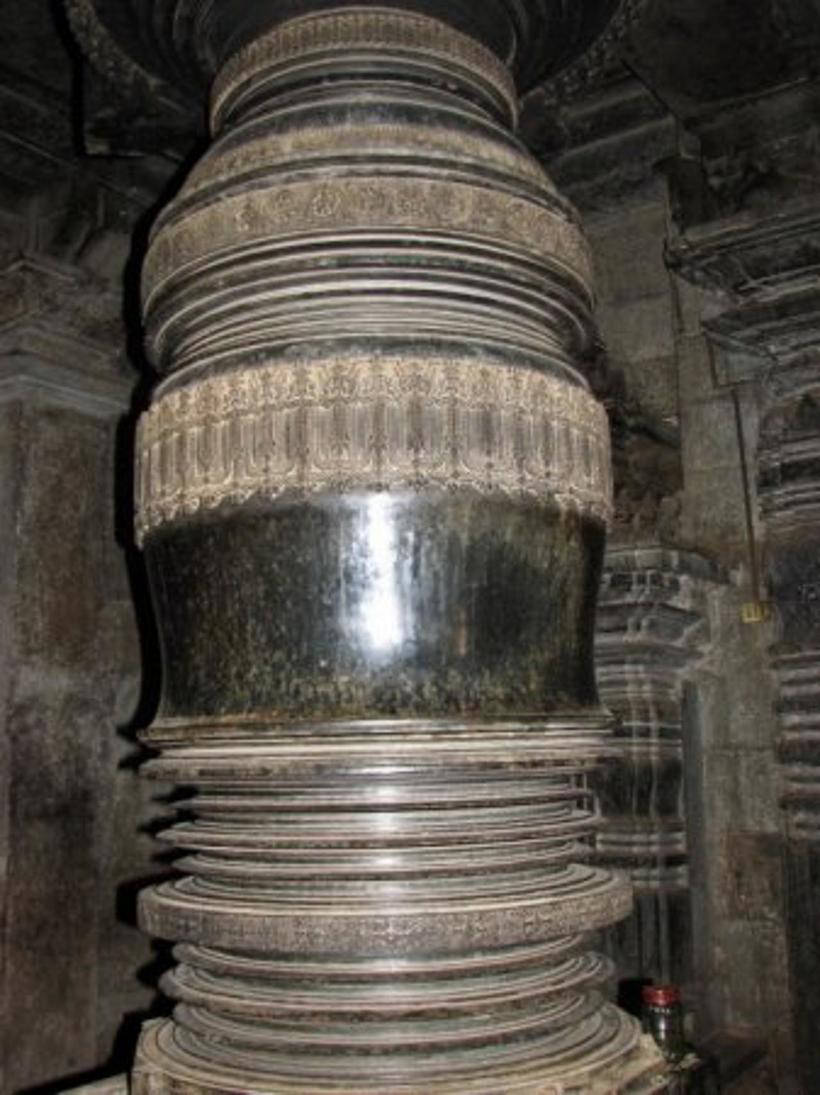
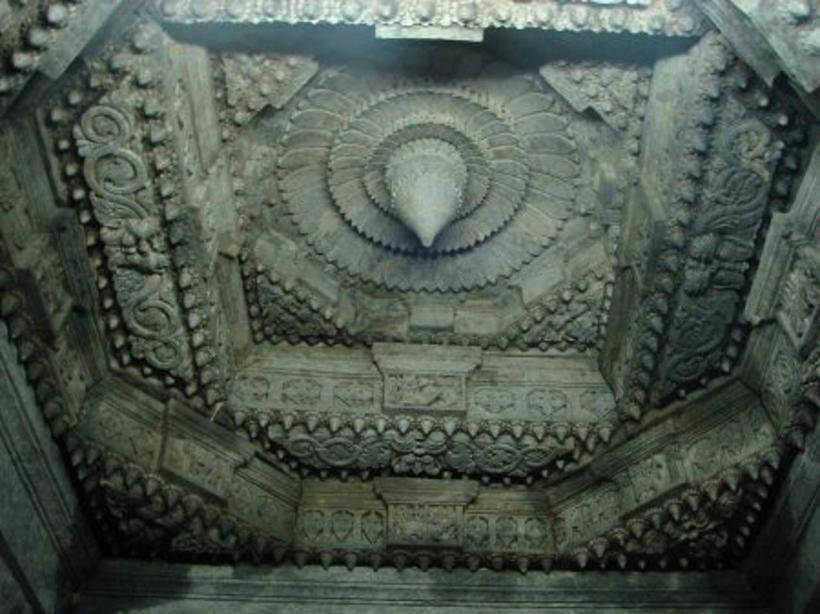
The vaults and walls of the Shravanabelagol temples, as well as the frames of the statues are decorated with exquisite plant and geometric ornaments.
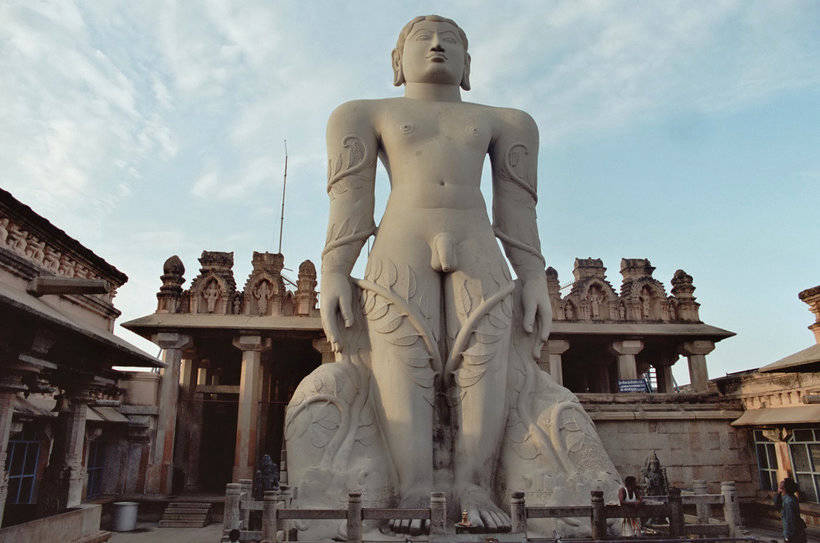
In addition to the impressive columns, near the town of Shravanabelagol there is another interesting object. This is Gomatesvara - a stone statue of the Jaina saint Bahubali, more than 17 meters high. For today it is the highest monolithic stone sculpture in the world. As the researchers believe, this statue, as well as the temple complex, was erected in the 10th century. It is interesting that in the lower part of the statue there are inscriptions in three Indian languages, made in 981. From this text it follows that the money for sculpture and erection of the statue was donated by the rajah from the Western Ganges dynasty, and the statue's maker is called General Chamundaray.
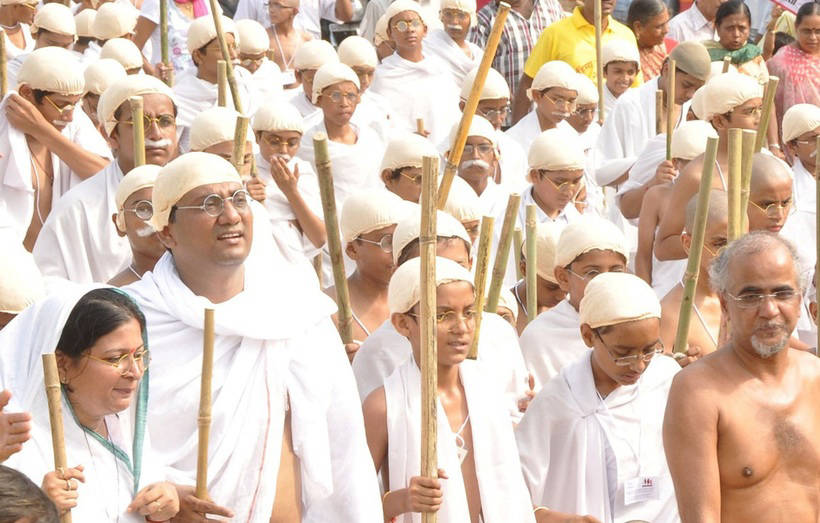
Every year, thousands of pilgrims from Jainism visit the Shravanabelagolu and the stone statue of Bahubali. And every 12 years there is a grand celebration of Mahamastakabhisheka, which ends with the ritual bathing of a giant statue.
If you are lucky enough to get to the south-western part of India, then be sure to visit Shravanabelagol, this is a very impressive place. In addition, it is quite easy to get here, because this route is very popular with tourists. The most convenient way to get here is by car from Goa County or from Hassan.
Find the Best Professionals for Your Project
Expert repair, construction, and renovation specialists ready to help you right now
Recommended articles
More articles:
 15 inspirational photos of Malaysia, after which you buy a ticket to this country
 The smallest inhabited islands in the world (10 photos)
 The solution of the phenomenon of motion of stones in the Valley of Death: voices of doubters are already heard
 Where is the most magical cave on Earth
 10 mysterious places, incidents in which scientists still can not really explain
 16 unparalleled landscapes from a 17-year-old photographer, from which you can not look away
 14 films in which actors played lovers so that after viewing it becomes a pity that this is just a movie
 Underwater city of Nan-Madol - the oldest civilization of the planet on the Pacific islands