Mysterious island: who built stone labyrinths in the White Sea
On one of the Solovetsky Islands, located in the White Sea, there are unusual stone buildings. Paths, boulders and earth mounds are combined in a bizarre way, forming mysterious objects resembling labyrinths.
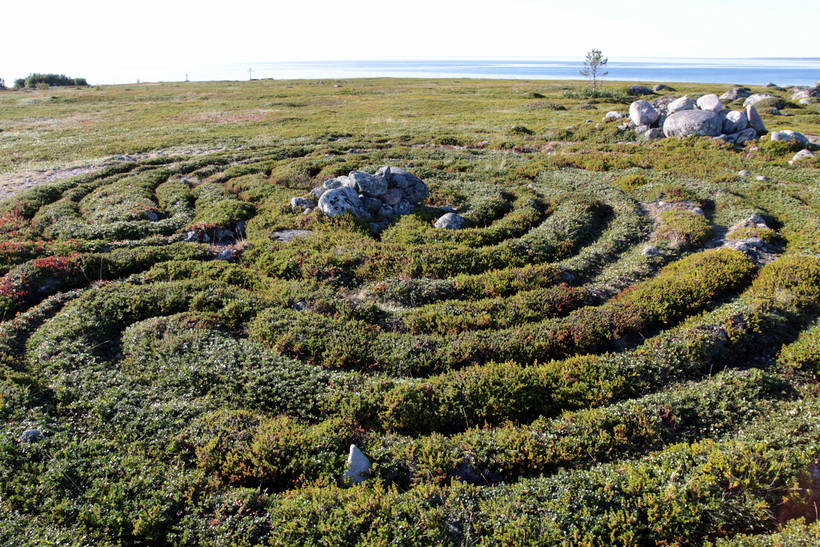
Similar stone labyrinths are found in several regions of northern Europe: Great Britain, Scandinavia, Novaya Zemlya and the Kola Peninsula. In total, there are more than 500 northern labyrinths in Europe, most of which are located in Sweden.
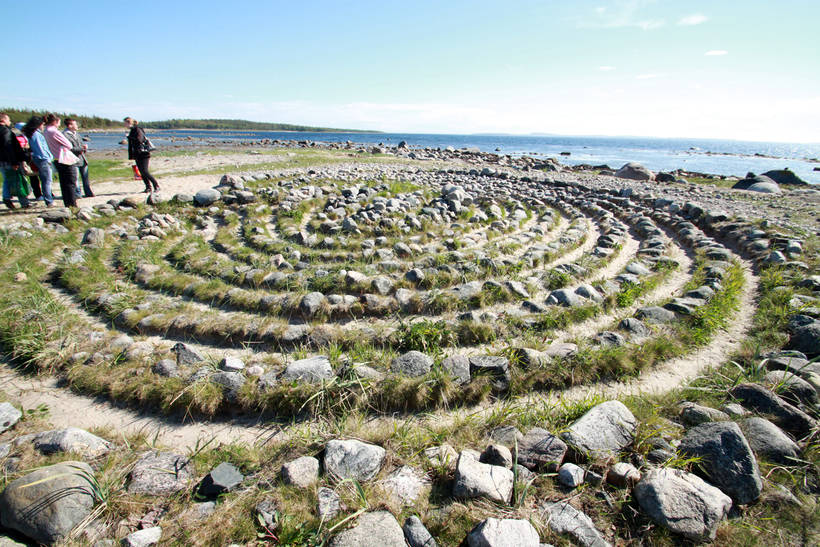
These stone structures have, as a rule, a symmetrical structure and a central structure made of boulders measuring 20-40 cm. The labyrinths are horseshoe-shaped, elliptical or round in shape and outwardly very similar.
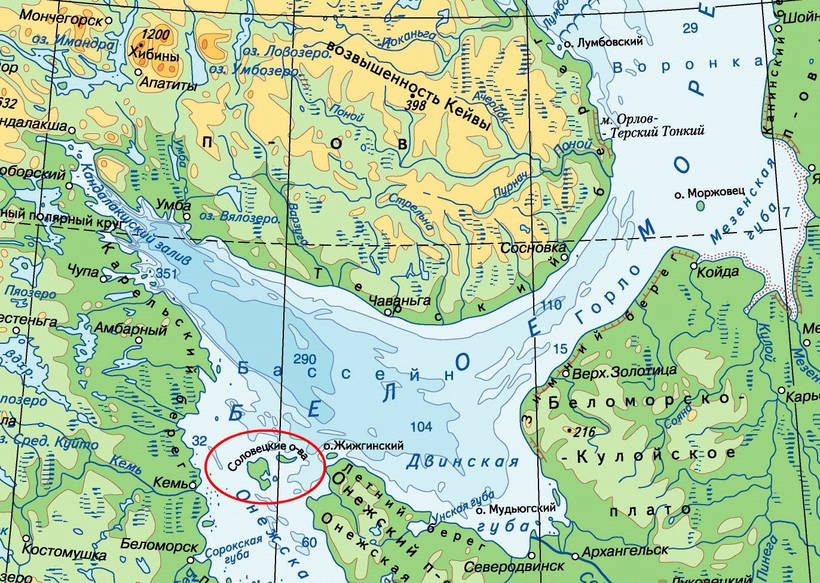
On the Solovetsky Islands, or rather on one of them called Bolshaya Zayatsky, is the largest cluster of such structures in Russia. In this case, the island itself is small, its area is about 1.25 km.kv. The diameter of the labyrinths varies from 3 to 25 meters. All labyrinths have one input, which is also an output. The entrances of the labyrinths are looking in different directions, the locations along the sides of the world are not observed.
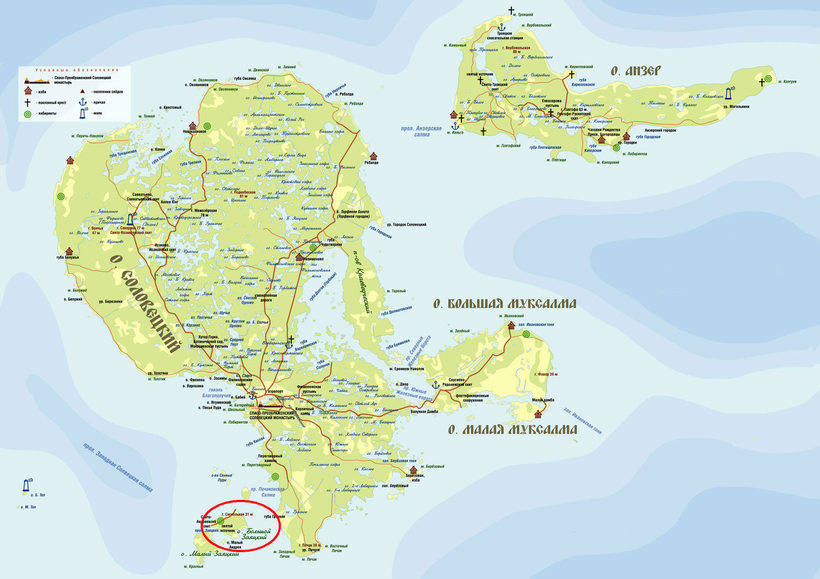
In addition to 14 stone labyrinths, the island has more than 600 mounds, various groups of stones and two dolmens. Scientists date these objects with a very long period: from 1,000 BC until 1500 AD. But the purpose of these objects is for certain unknown.
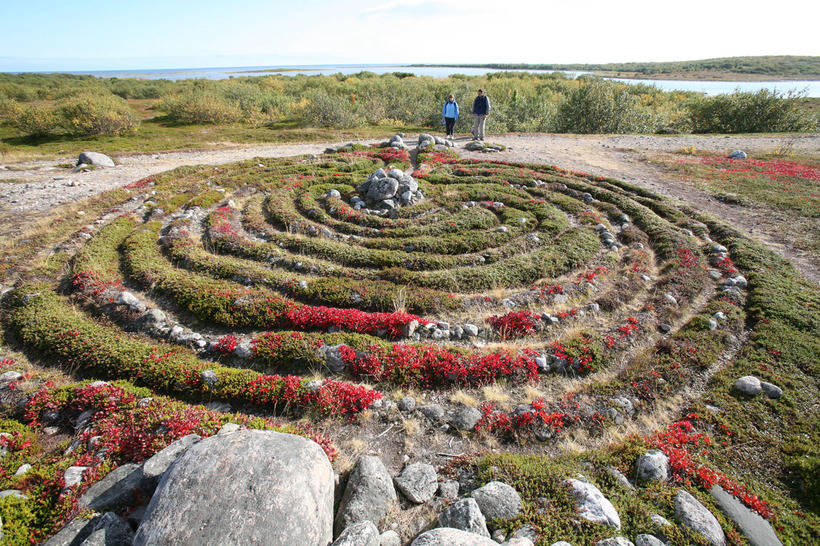
Most of the researchers of the labyrinths of the Greater Zayatsky Island believe that the buildings have a cult significance. Perhaps they participated in burial rituals and symbolized the line between the world of the living and the world of the dead. But the stone labyrinths could have been simply sacred places designed for pagan rituals.
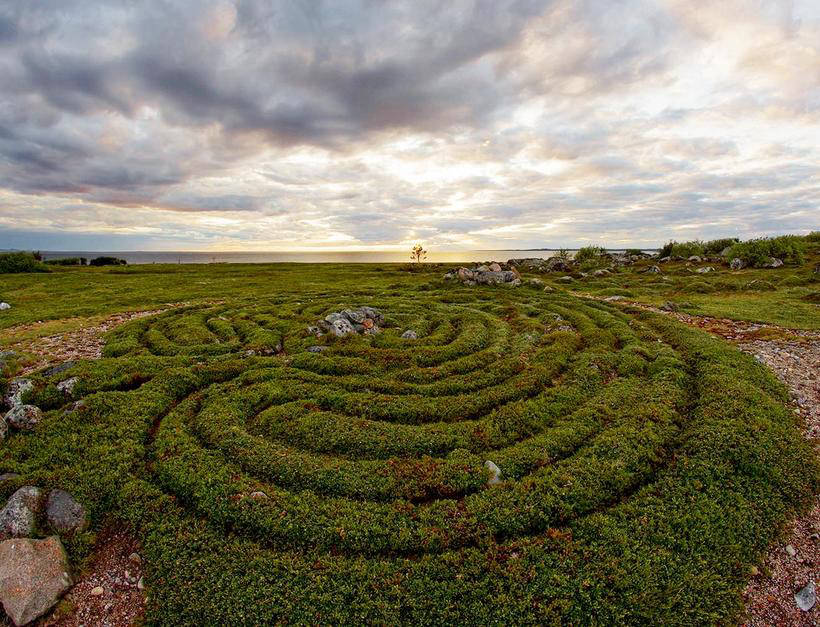
According to another version, the mysterious labyrinths served as a trap for fish. It is noteworthy that all the stone labyrinths, both in Europe and in Russia, are located in close proximity to the sea. At the time of the tide the land was turning into shallow water: the water filled the paths of the labyrinths, and with it the fish also penetrated. Later, at the time of low tide, the fish did not have time to leave the labyrinth, having lost its way in numerous spirals.
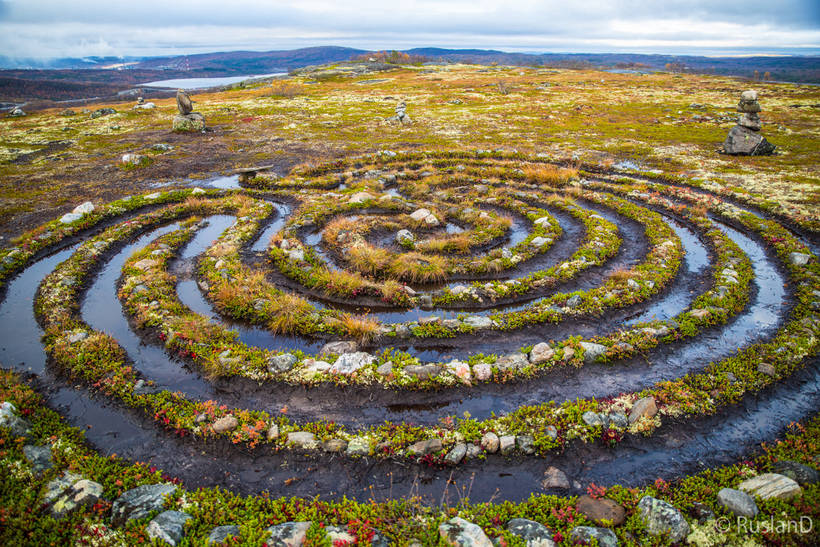
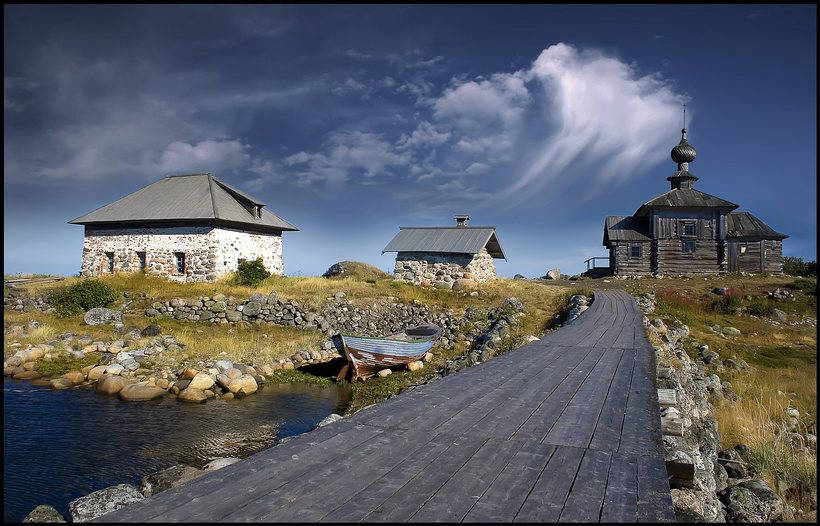
Today, the Great Hare Island is visited by travelers visiting the Solovetsky Islands. The stone labyrinths are quite well preserved to the present day, they are easy to spot. There are wooden trails on the island, along which you can walk to the labyrinths. The northern nature of the tundra does not contribute to the rapid growth of shrubby and grassy vegetation, because for hundreds of years the stone embankments have become covered only with a layer of moss.
Find the Best Professionals for Your Project
Expert repair, construction, and renovation specialists ready to help you right now
Recommended articles
More articles:
 5 grandiose and picturesque abandoned places, where it is better not to be alone for nothing
 Top 10 places where you can see the northern lights
 Why rice fields are flooded with water, when rice grows well and on ordinary soil
 The 7 most remote islands in the world
 How does the crocodile breeding farm in Thailand live and work
 30 cool photos from Project Van Life about what leads to a passion for travel
 Kalashi is a mysterious people living in the mountains of Pakistan
 Traveling in Malaysia - tips for tourists