Balls of the gods: from where came perfectly smooth stone balls in different corners of the world
Despite the fact that the XXI century is beyond the window, and scientific knowledge has reached unprecedented heights, there are still many objects and phenomena on our planet whose scientists are breaking their heads. One of these mysteries is the stone balls, which have a perfectly round shape, which are found in different parts of the world. This, for example, is the Russian island of Champ, where the giants reach more than 2 meters in diameter, or Costa Rica, where about 300 such stones were found. Most experts believe that stone spheres have a natural origin, although there are exceptions. We propose to look at these mysterious entities that supporters of non-natural origin call balls of the gods.
Champ Island, Franz Josef Land Archipelago
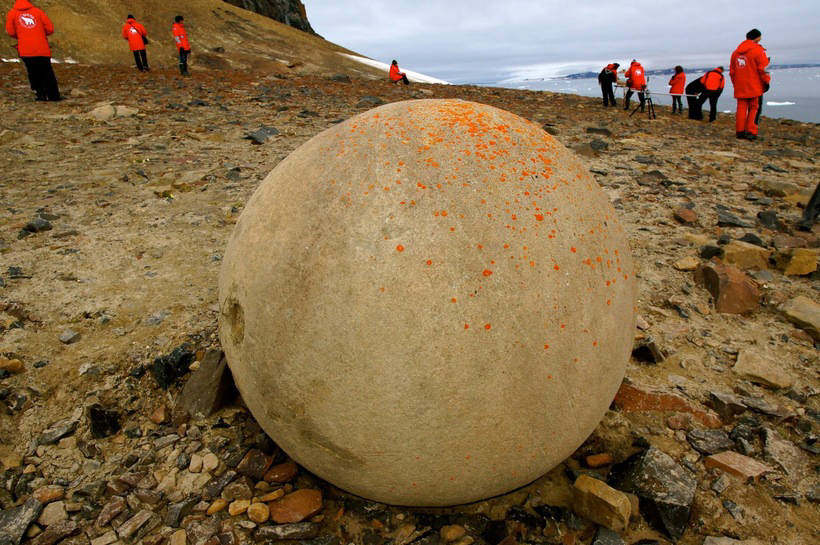
The Franz Josef Land archipelago is located in the Arctic Ocean and is the northernmost possession of Russia. In the central part of the archipelago is a small island Champ, where an area of 374 square kilometers. scattered large stone balls of ideal shape. Especially a lot of them on the coast of this uninhabited island, and the size of the largest of them is simply amazing.
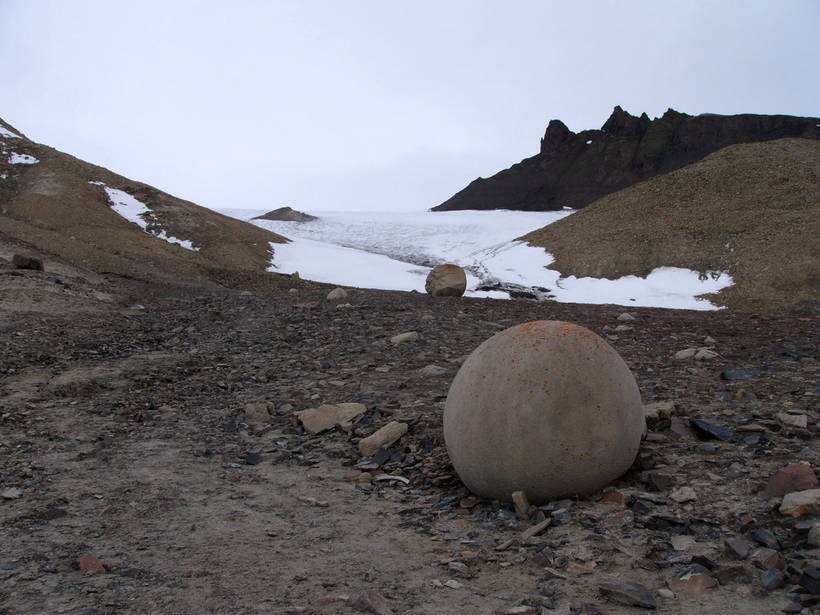
In addition to Champ Island, stone balls are found on other islands of the archipelago, but it is here that they are the most. According to scientists, these are globular concretions, which were formed by layering of cemented layers around the center of growth. Although there are some who disagree with this version, but to date it is the most believable. Despite the incredible distance, the island of Champ is popular with tourists who come to admire the unusual stone balls.
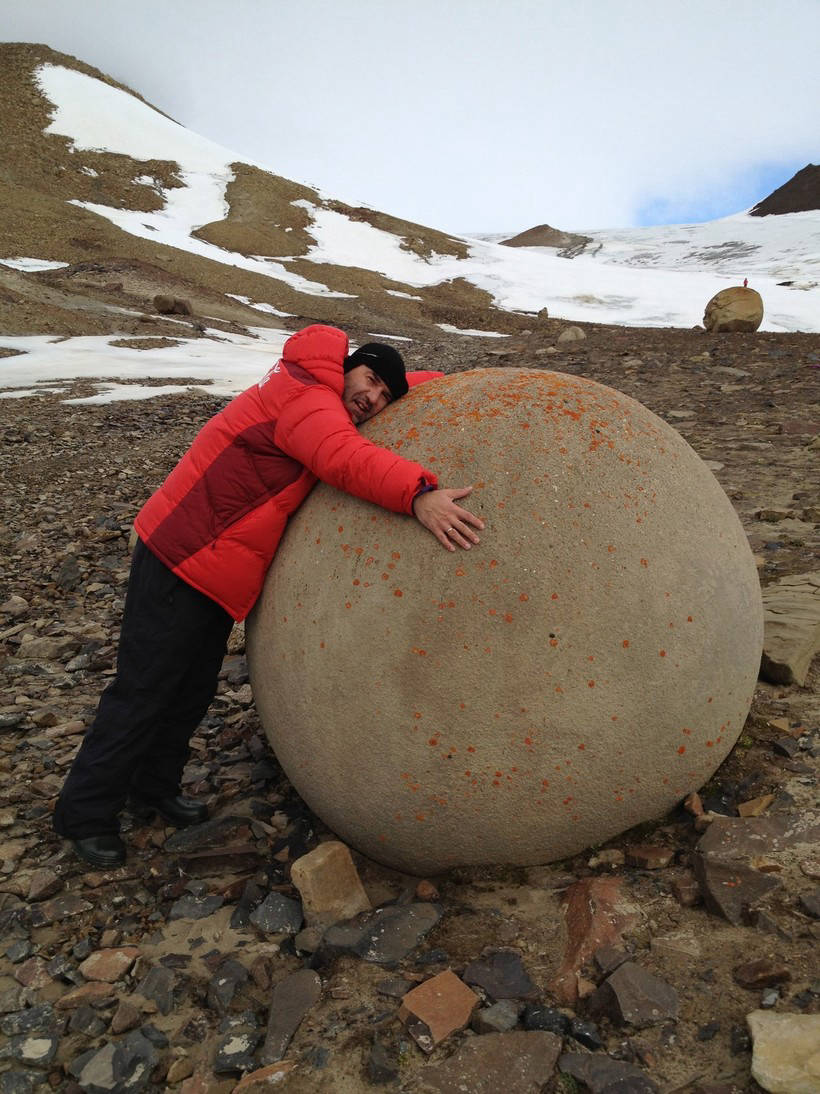
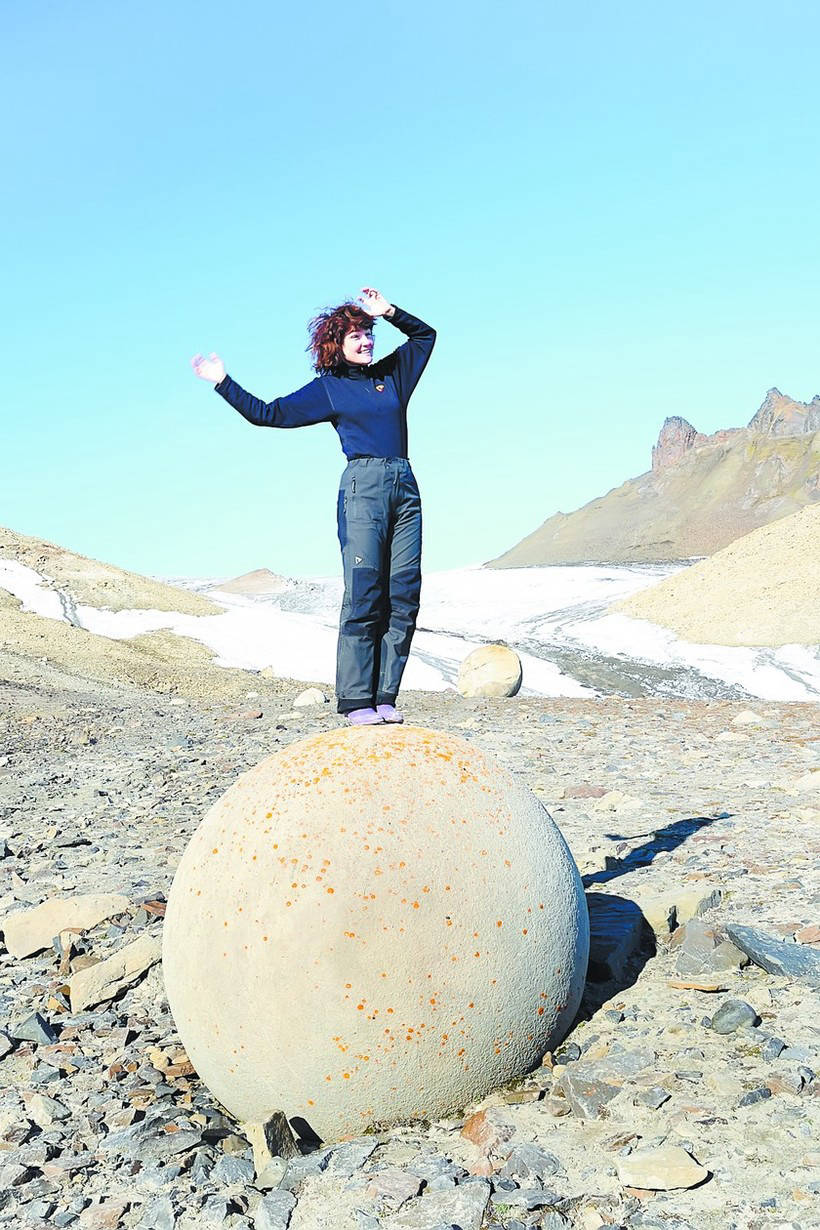
Costa Rica, Central America
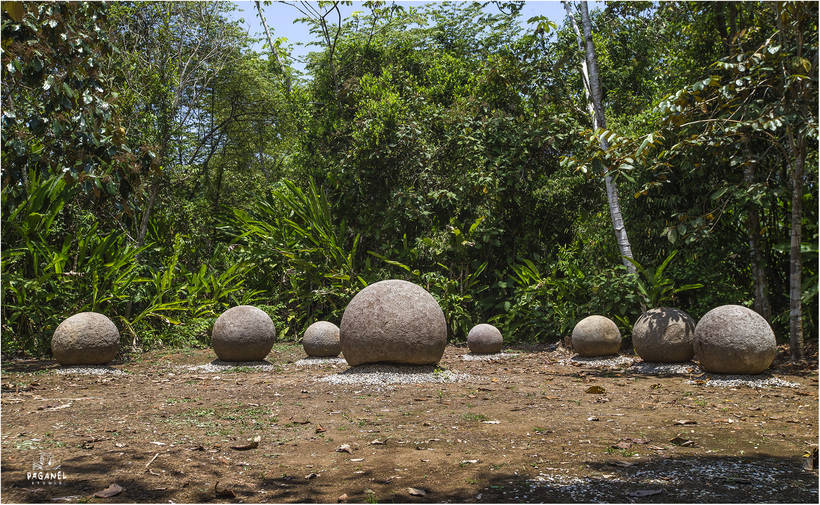
Stone balls in this American country were discovered in the 30s of last century. In the valley of the river Dikvis and on the Pacific island of Caño, owned by Costa Rica, there were about 300 perfectly round balls, which here are called petrospheres. Why was it located? Because most of the balls to date have been taken from the detection sites to different corners of the world: from the museums of Costa Rica to the British Cambridge. Despite the external similarity with the stone balls of other regions of the planet, the Petrospores of Costa Rica are usually referred to objects of non-natural origin. Most researchers tend to believe that they were made by human hands, although their exact purpose is unknown.
Western Kazakhstan
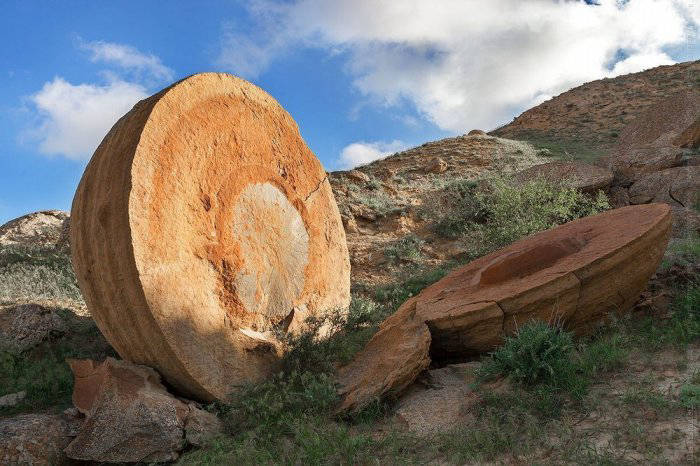
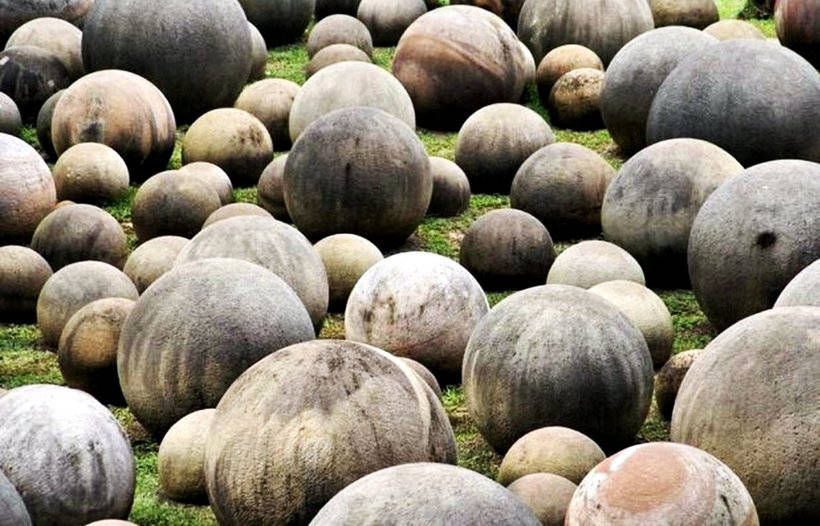
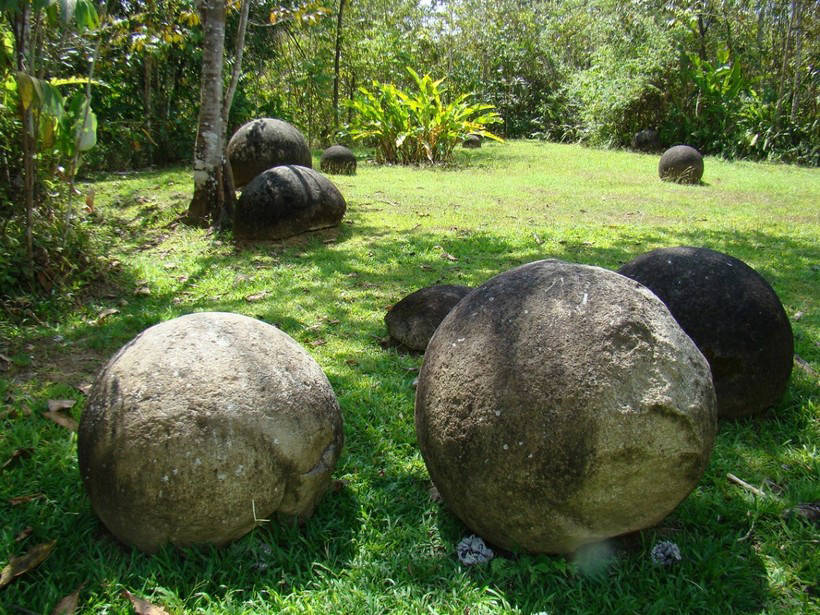
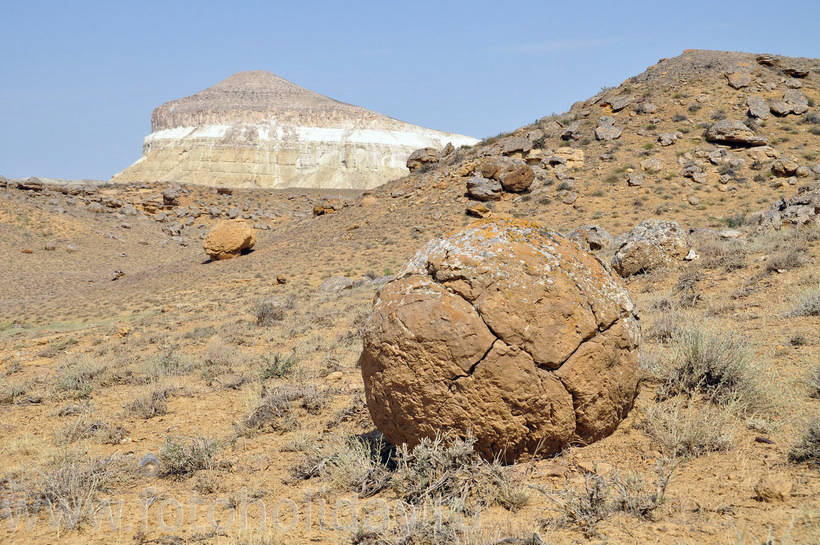
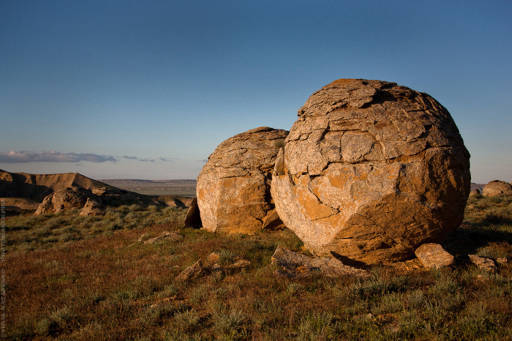
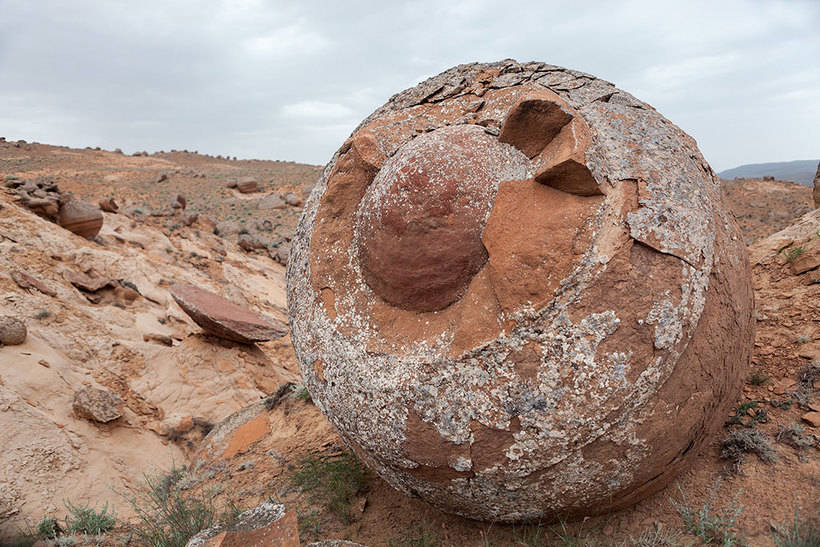
These stone balls, located on the coast of the Caspian Sea in the hot semi-desert regions of Kazakhstan, are not very well preserved. They are covered with cracks or even split into several parts. The main version of their origin is natural: just like the concretions of Champ Island, they were formed as a result of geological processes. On the cleavage of some spheres, it can be seen that the material inside is in layers, which indicates a long time of deposition of sedimentary rocks.
Bosnia and Herzegovina, Europe
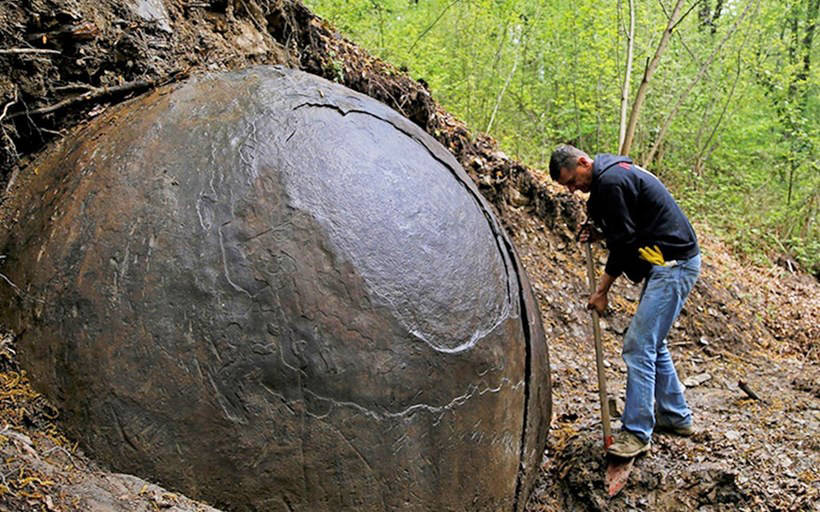
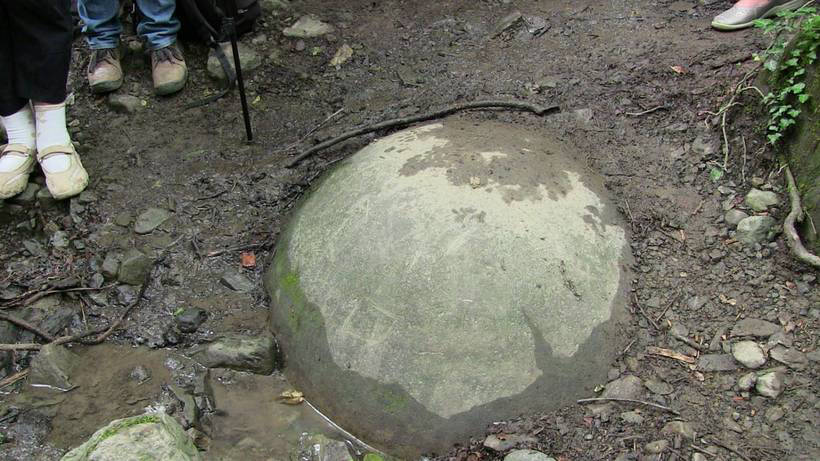
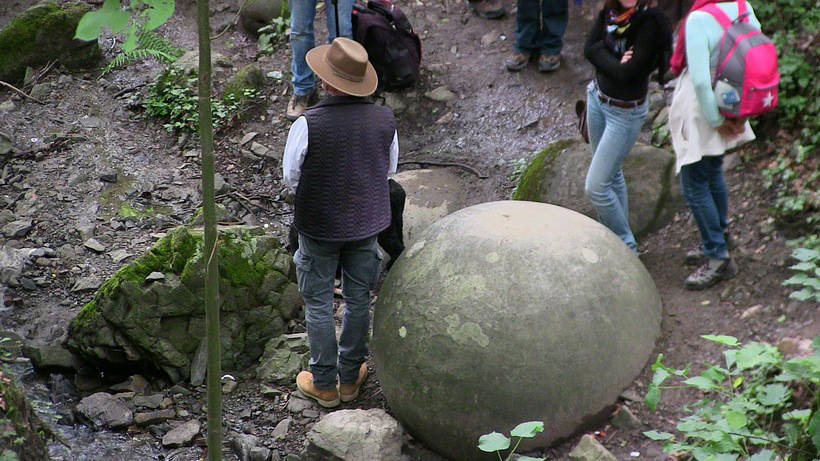
In Europe, in the territory of Bosnia and Herzegovina, stone balls were also found. In the mountainous wooded area, not far from the village of Zavidovichi, in the strata of rocks were found flat stone balls. On the surface, as a rule, a small part of the stone spheres is visible, but it also allows one to judge their size and shape. The largest of them has a diameter of about 2.5 meters. A local enthusiast and researcher of the Bosnian spheres, Semir Osmanagich, is sure that these stones are not of natural origin, although some scientists categorically disagree with him and do not see anything supernatural in these spheres.
Volgograd region
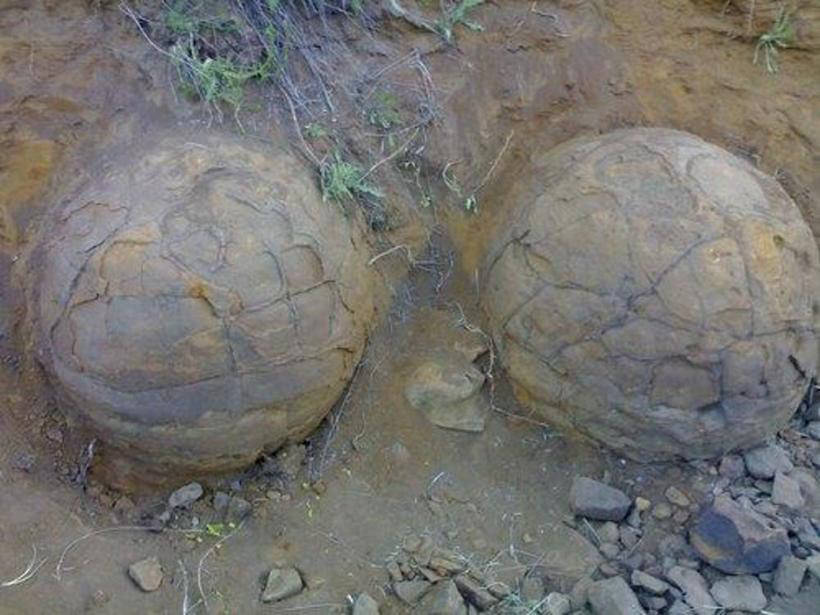
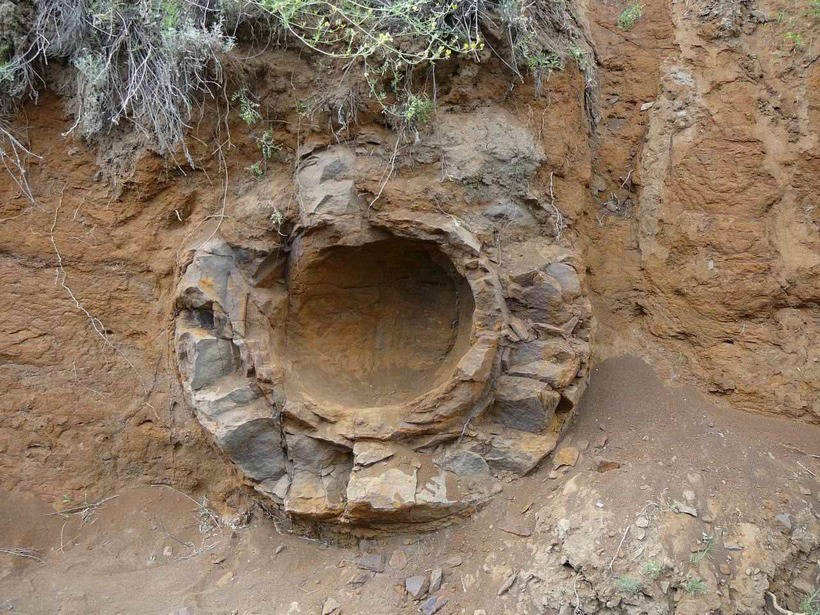
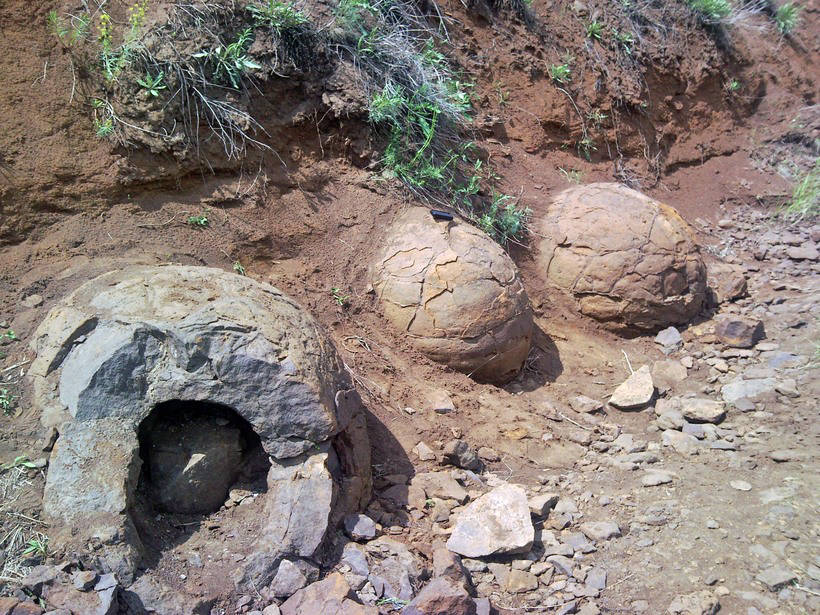
Another place on the territory of Russia, where you can see the stone balls - the Volgograd region. Here in the area of the village of Mokraya Olkhovka (Kotovsky district), in the thickness of sedimentary rocks after heavy rains stone balls were discovered. Their surface is uneven, dotted with chips and cracks. A distinctive feature of the stone balls of the Volgograd region is that they are hollow inside and located in a certain order. Some spheres from which the upper layers have broken off have a central hollow part inside. Most experts agree that this is a variety of nodules that have cavities when the substance of the central part dies. Along with this version, opinions are heard about extraterrestrial origin, since in their arrangement a certain regularity is observed: they are on the same line at the same distance from each other. There are versions that it could be eggs of large dinosaurs unknown to science. But such hypotheses have not yet been confirmed.
New Zealand
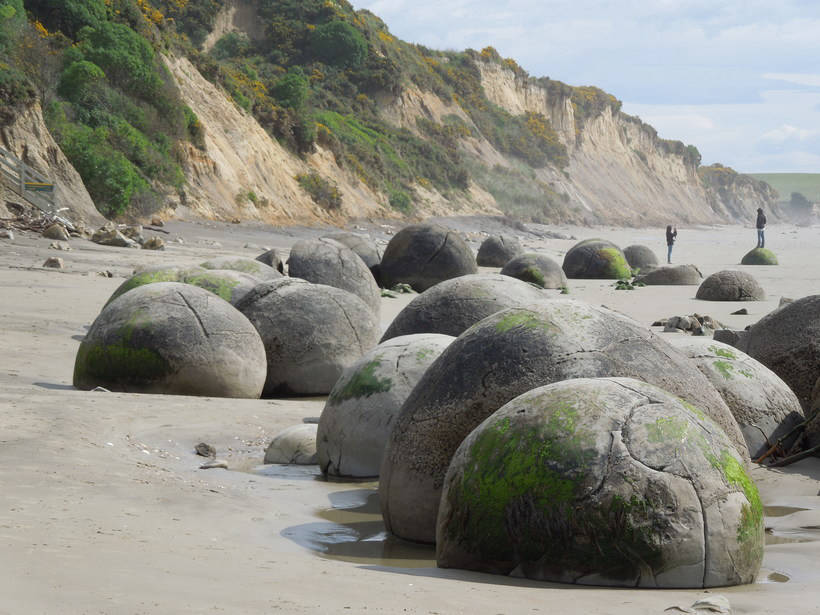
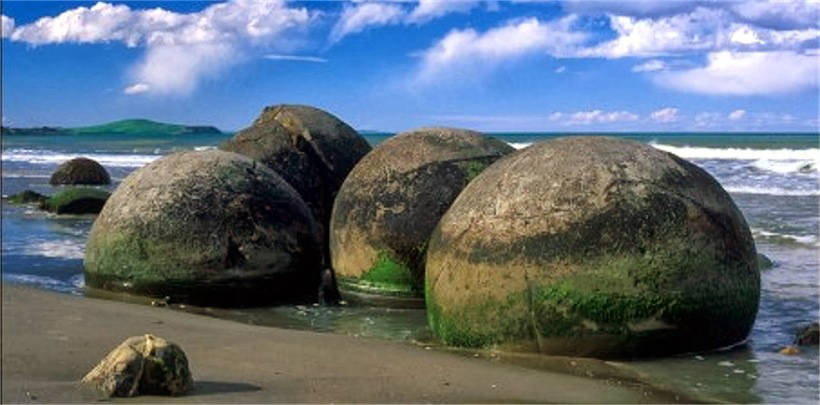
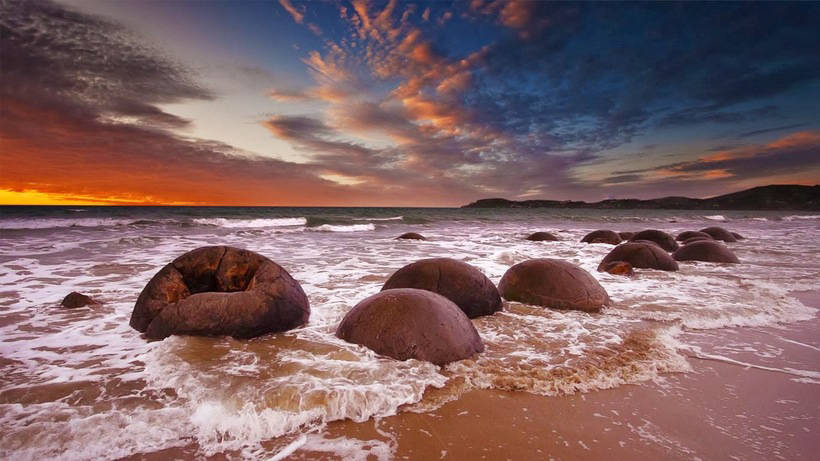
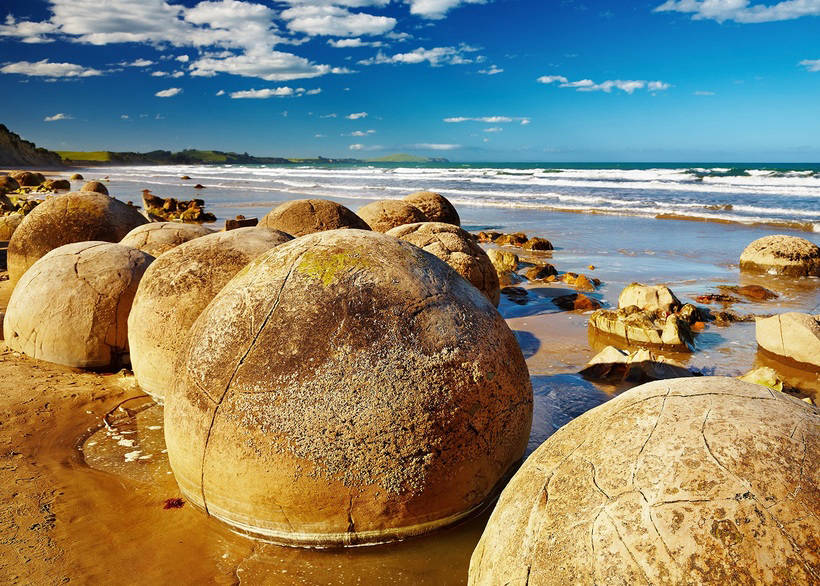
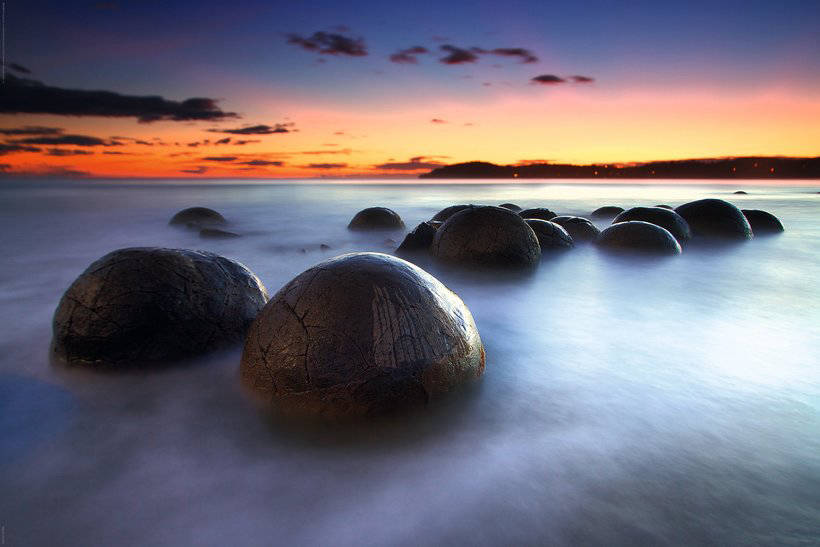
New Zealand is also famous for its stone balls, which here are called Moeraki boulders. These balls, lying on the sandy beach of Koekohe (South Island), look particularly picturesque. In total, in the coastal strip with a length of about 300 meters, there are several hundred stone balls, diameter from half a meter to two. There are the same stones that are also recognized as concretions, and on other islands of New Zealand, but in smaller quantities.
North Dakota State, USA
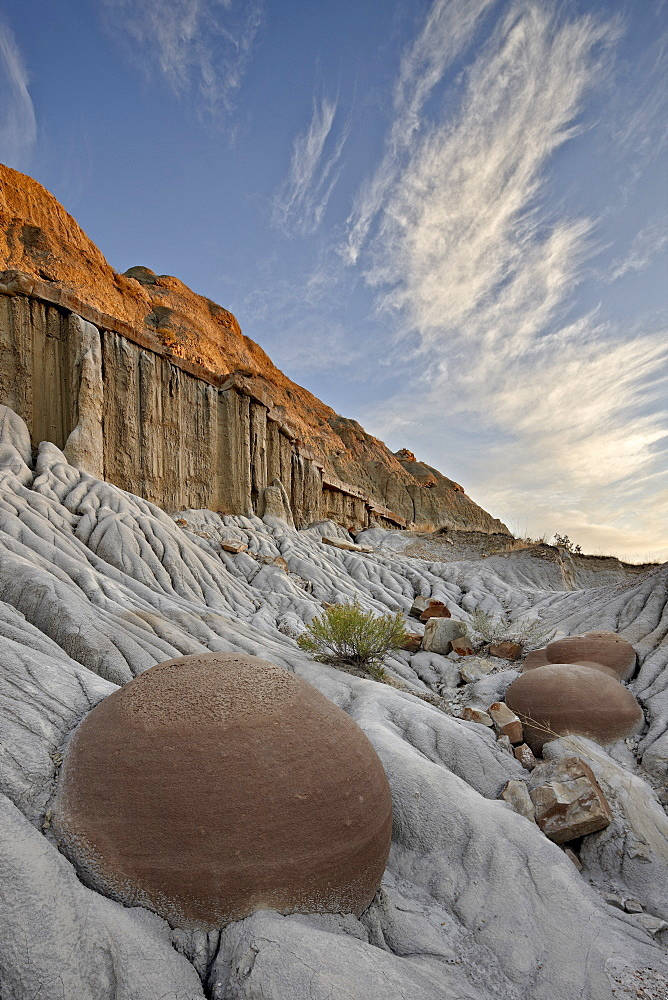
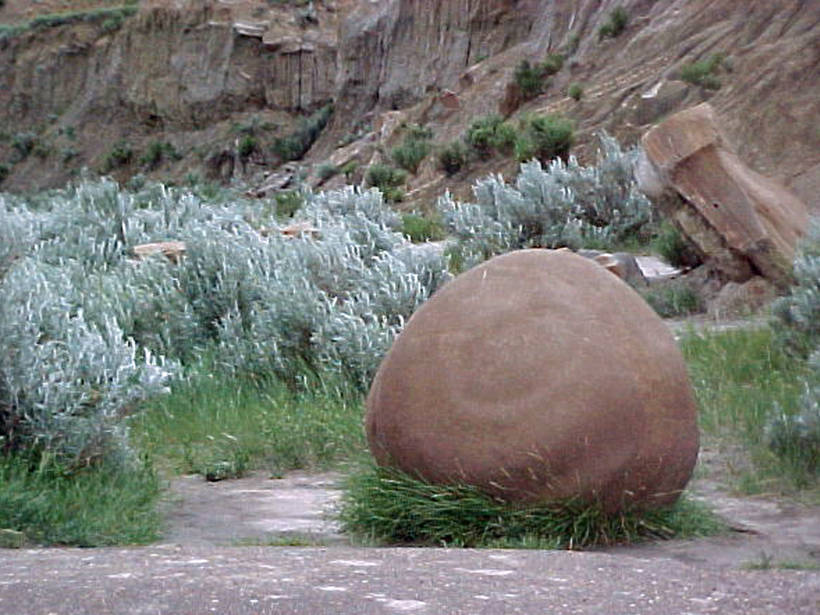
In the National Park of Theodore Roosevelt, which is located in the state of North Dakota, along with bison and quaint rocky landscapes, you can see the stone balls. There are not so many here as in other regions, but they also deserve a separate place on our list.
Find the Best Professionals for Your Project
Expert repair, construction, and renovation specialists ready to help you right now
Recommended articles
More articles:
 9 самых странных изобретений доктора Келлога, придумавшего кукурузные хлопья
 Почему на Венере гораздо жарче, чем на Меркурии, ведь она находится дальше от Солнца
 Kharkov of the times of German occupation in color
 Scientists sound the alarm: super bacteria are resistant to all known science antibiotics
 20 photos on which it is not clear where the reflection is, and where the reality is
 10 heavenly places where it's easy and quite inexpensive to start a new life
 Невероятные тайны, скрытые в стенах секретного архива Ватикана
 Мраморные пещеры на озере Хенераль Каррера