The nature of Evpatoria

Evpatoria can not boast picturesque landscapes.
# ##

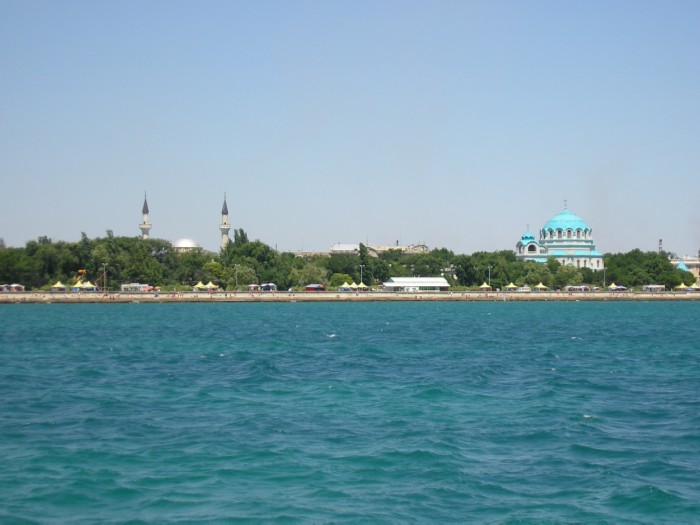
The infinite plain spreads around the city. The green outfit of the Evpatoria steppe pleases the view only in the spring, with the onset of hot days the vegetation burns out, the landscape is becoming dull and monotonous. The main decoration of these places is the sea: gentle blue, gently crouching at the feet in the morning, playfully filling, flashing with millions of sunlight globes during the day, tired of the setting sun in the evening, dark calm with a golden moonlit night.
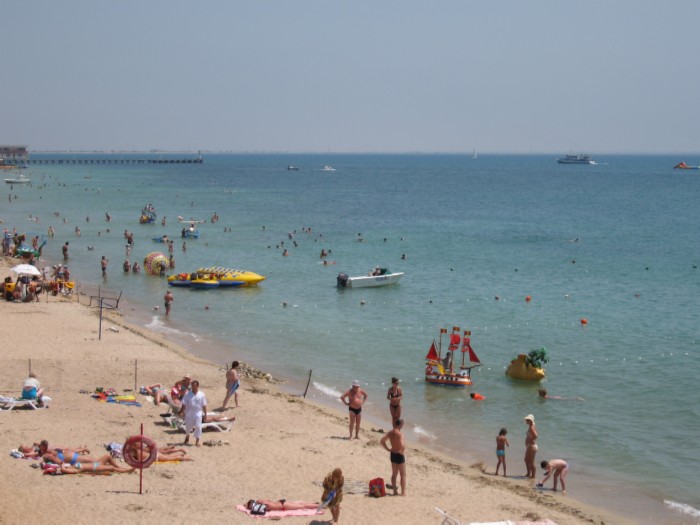
It is the sea and the beautiful Evpatoria beaches that attract tourists to Evpatoria. Evpatoria beaches are known far beyond the Crimea. The beaches of Evpatoria are famous for pure and soft golden sand, clear clear water and a gentle bottom (especially convenient are the beaches of Evpatoria for recreation with young children). The shallow-water Kalamitsky Gulf near the city of Evpatoria deeply & quot; pruned & quot; west coast of the Crimea. The strip of Evpatoria beaches stretched for almost 50 km. The swimming season on the beaches of Evpatoria is favorable for adults from May 20 to October 14 and is almost not complicated by storms (on average 9 days per season) or temperature drops below 17 degrees (only 14 days per season). Above 20 degrees the water temperature in Evpatoria is held from June 20 to September 13.

A special feature of the Evpatoria landscape was the small lakes remaining after the departure of the sea. Two large lakes of Evpatoria - Sasyk-Sivash, located in the northeast, and Moinak, lying in the city - are famous for their healing properties of brine and silt. In Evpatoria there are several sources of healing mineral water. One of the main medical resort factors of Evpatoria is mud. Historically, mud formation in Crimea went in three lakes Saksky, Moynak and Chokrazhsky. These lakes belong to the group of seaside lakes (as well as the Odessa estuaries). Dirt is the mud of saline water bodies, formed as a result of the decomposition of flora and fauna, microorganisms containing hydrogen sulphide and sulphurous iron. In the mud are also iron, potassium oxide, calcium, magnesium, sulfur-potassium, sulfur-calcium salts, ammonium and other elements. The composition of mud includes 15 microelements (lead, iodine, copper, beryllium, molybdenum, manganese, titanium, etc.), biogenic elements (carbon, sulfur, iron, phosphorus, silicon, nitrogen), biologically active organic substances such as female sex hormones folliculin, synestrol).

Microorganisms in the mud emit substances like antibiotics (penicillin-streptomycin-like), which promote self-cleaning of the mud. Organic acids are found in the mud - formic, acetic, resin, etc. The content of organic substances in such mud is usually small (1-3%), so the largest balneological value is the content of sulfides, the mineralization of the mud solution (brine) and its ionic composition. Such mud is called sulphide-silt. To organize a certain regime of therapeutic mud in special pools, the Moinak mud is mixed with Sakska. To lovers of exotic tourism advertising among other amazing places offers to visit the Red Sea, where you can not drown - so great is the concentration of salt in it. Wishing to bathe in the water, which itself "keeps & quot; afloat, do not necessarily go to the Middle East. In the estuaries of Yevpatoria or in the Saki salty lake, the waters are as salty and "dense", as in the outlandish sea. In addition, they have pronounced therapeutic properties. Under the scorching rays of the Crimean sun, the water in the shallow estuary strongly evaporates and as a result it turns into a brine-a concentrated solution of various salts contained in it. Salt solution of the Moinak lake rip consists of sodium chloride, potassium chloride, calcium sulphate, calcium bicarbonate. Most of all in the brine table salt (on average with potassium chloride 78-80%).

Rapa is much denser than sea water, and therefore even a person who does not know how to swim can freely hang on the surface of the estuary. Bathing in the lake has a stimulating effect on connective tissues, muscles, bones, joints, peripheral nervous system, enhance metabolic processes in the body, which contributes to anti-inflammatory, resorptive and analgesic effects.

The mild climate of Evpatoria allows you to spend your holidays and treatment at any time of the year. Evpatoria is one of the sunniest cities. In Evpatoria, the sun shines 258 days a year, in especially sunny years 289 days.

Stretching beyond the city lies an endless plain, a vast expanse of green that delightfully awakens the senses in spring. But as the scorching heat arrives, the vegetation withers and the landscape becomes monotonous and dull. The true beauty of this region lies in its sea: its gentle blue hues, which embrace the feet in the morning and transform into a dazzling spectacle of shimmering light during the day, before fading into a tranquil dark surface at night.

The very sea and the exquisite beaches of Evpatoria attract millions of tourists every year. These beaches are renowned far beyond the borders of Crimea. They are celebrated for their clean, soft golden sand, crystal-clear water, and gentle slopes, making them especially suitable for families with children. The shallow Kalamitsky Gulf near Evpatoria deeply indents the western coast of Crimea, creating a coastline that stretches nearly 50 kilometers. The swimming season here is ideal for adults, lasting from May 20th to October 14th, with hardly any disruptions due to storms or temperatures dropping below 17 degrees Celsius (only 14 days throughout the season). Water temperatures remain above 20 degrees Celsius from June 20th to September 13th.

\"\"

The distinctive feature of the landscape in Yevpatoria is the small lakes that remained after the sea retreated—these are known as limans. Two major lakes in Yevpatoria, Sasyk-Sivashskoye, located in the northeast, and Moynakskoye, within the city limits, are renowned for the therapeutic properties of their mud and silt. Yevpatoria also boasts several sources of mineral water. One of the key healing factors in this region is the mud itself. Historically, mud formation in Crimea took place in three lakes: Saksky, Moynakskoye, and Chokrazhsky. These lakes belong to the group of coastal lakes, just like the Odessa limans. Mud is essentially silt from saltwater bodies, formed through the decomposition of flora, fauna, and microorganisms, and it contains hydrogen sulfide and ferrous sulfate. It also contains elements such as iron, potassium oxide, calcium, magnesium, sulfur-potassium salts, sulfur-calcium salts, ammonia, and others. The mud contains 15 trace elements (such as lead, iodine, copper, beryllium, molybdenum, manganese, titanium, etc.), biogenic elements (carbon, sulfur, iron, phosphorus, silicon, nitrogen), and bioactive organic substances like female sex hormones (folliculin, synestrol). The microorganisms present in the mud release substances resembling antibiotics, such as penicillins and streptomycin-like compounds, which help to purify the mud itself. Organic acids like formic acid, acetic acid, and resinous acids are also found in the mud. Although the concentration of organic substances in these muds is usually low (1-3%), it is the sulfur compounds, the mineralization level of the mud solution, and its ionic composition that hold the greatest therapeutic value. Such muds are referred to as sulfide-silt muds. To create a specific therapeutic effect, Moynakskoye mud is mixed with Saksky mud in special pools. For those seeking an exotic experience, travel advertisements often highlight the unique Red Sea—where the water is so salty that it’s impossible to drown in it—and suggest that visitors don’t necessarily have to travel to the Middle East to enjoy such waters. The limans of Yevpatoria and the Saksky Saline Lake have water just as salty and “dense,” with similar therapeutic properties. In fact, under the scorching sun of Crimea, the water in these limans evaporates rapidly, turning into a concentrated salt solution known as “rapa” – a highly saline liquid containing various salts. The rapa from Moynakskoye Lake contains sodium chloride, potassium chloride, calcium sulfate, and calcium bicarbonate. Sodium chloride is the predominant substance in it.
The mild climate of Yevpatoria allows for leisure and treatment activities throughout the year. Yevpatoria is one of the sunniest cities; in this city, the sun shines for 258 days a year, and in particularly sunny years, up to 289 days.

Recommended articles

Find the Best Professionals for Your Project

Expert repair, construction, and renovation specialists ready to help you right now