Perpignan: Catalan France at the foot of the Pyrenees
History and Context: The Border Between Worlds
Perpignan is the capital of the French region of Roussillon, located just 6 kilometers from the Spanish border and 50 kilometers from the Mediterranean Sea. It is more than just a French city; it embodies the soul of Catalonia, which for centuries has been passed back and forth between Spanish kings and French monarchs.
The history of Perpignan begins in the 12th century when Count Raymond Berengar V established a fortress on the banks of the Têt River. By the 14th century, the city had become the capital of the Kingdom of Majorca, an independent state that controlled the trade routes of the Mediterranean. In 1659, according to the Pyrenean Treaties, Roussillon finally came under French rule, but the Catalan spirit within the city has never faded. Even today, its inhabitants speak Catalan, celebrate Catalan national holidays, and prepare dishes from Spanish cuisine. Perpignan is a French city that yearns for Spain and will never forget its roots.
After experiencing economic decline in the mid-20th century, the city underwent a cultural renaissance. The surrealist Salvador Dalí called Perpignan’s train station a “cosmic center”; the philosopher Jean-Luc Godard filmed avant-garde films here; and tourists from around the world come to experience the true spirit of Catalonia—a place that, while officially French, remains deeply Spanish in its heart.
How to Get There: Direct Flights and Regional Routes
From Russia and Europe:
There are no direct flights from Russia. The usual route is via Moscow to Barcelona or Geneva to Perpignan, followed by bus or train.
By Air: The nearest major airport is Barcelona-El Prat (145 km, 1.5–2 hours by car). From Barcelona, you can reach Perpignan by:
- ALSA direct bus: 8–9 EUR per ticket, 2 hours and 30 minutes. Departures every 3–4 hours.
- : Barcelona-Sants → Perpignan: 25–35 EUR, 3 hours and 15 minutes. Frequent departures every 1–2 hours.
From Toulouse (195 km): SNCF train costs 30–45 EUR, takes 2 hours and 45 minutes; this is the most popular route. From Lyon (470 km): train costs 50–70 EUR, with a 6–7-hour transfer in Toulouse. From Marseille (300 km): train costs 35–50 EUR, takes 3 hours and 30 minutes.
From Spain: From Girona (110 km): ALSA bus costs 6 EUR, takes 2 hours. From Madrid (900 km): bus costs 40–50 EUR, takes 12–14 hours (rarely; Barcelona is a better option).
Within the city: Perpignan is a compact city with a population of around 120,000; the entire historic center can be explored on foot. Public transportation includes trams and buses (CTPM): single ticket costs 1.60 EUR, daily pass costs 4.50 EUR. The train station is located within 15 minutes’ walk of the center or just one stop away on tram T1.
What to see: castles, museums, and Catalan architecture
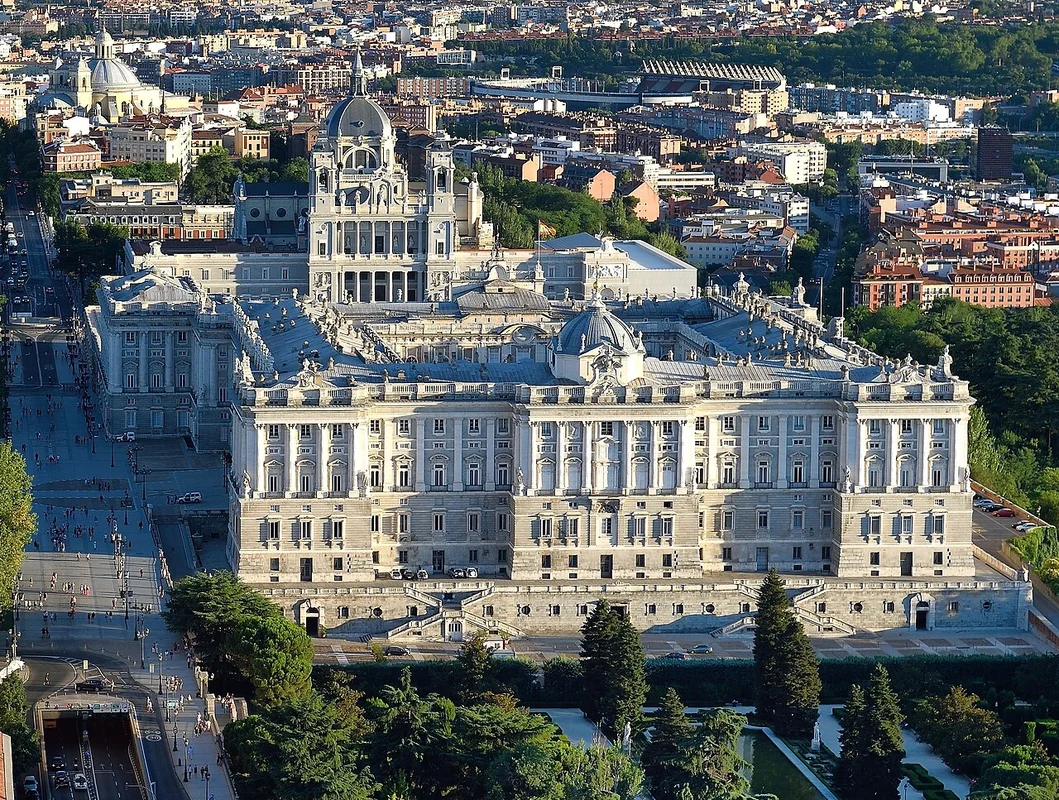
Palais des Rois de Majorque {GOOGLE=42.7026,2.8952}
This massive brick castle dominates the historic center of Perpignan. Built in the 14th century by the kings of Majorca, it was later reinforced by French military engineer Voban. The palace is open from Tuesday to Sunday, 10:00 AM–6:00 PM (17:00 PM in winter). Admission costs 8 EUR for adults and 4 EUR for students and youths. A visit takes about 1.5–2 hours. Inside, you can see grand halls, a chapel with stained glass, and walls offering views of the city and mountains. In summer (May–August), concerts and theater performances are often held in the courtyard; please reserve tickets in advance at perpignan-tourisme.com.
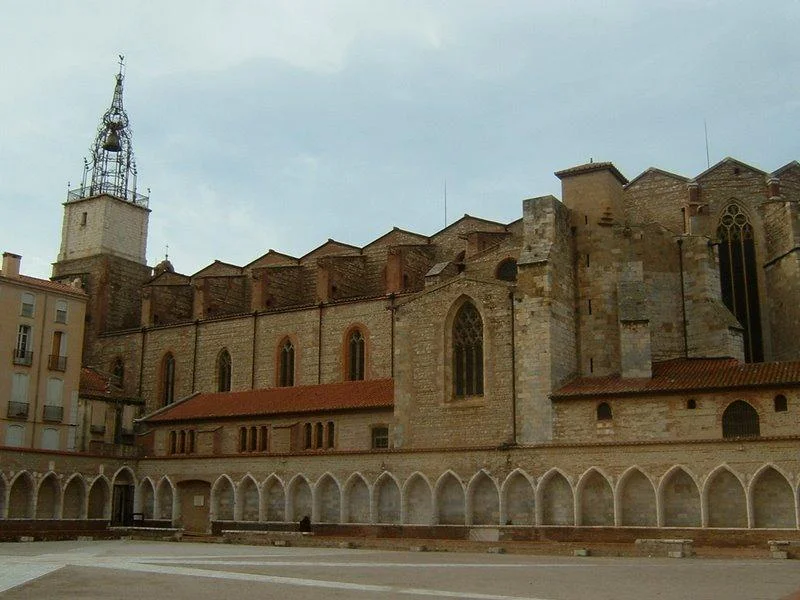
Cathedral of Saint John the Baptist (Cathédrale Saint-Jean-Baptiste) {GOOGLE=42.7021,2.8941}A Gothic masterpiece from the 14th century, featuring one of the narrowest spire tips in the world (5 meters at the base, 68 meters in height). Admission is free, open Monday to Saturday from 10:00 AM to 6:00 PM, and all day Sunday. Inside, you’ll be amazed by the huge stained-glass window, the ancient wooden choir, and the Dalvater chapel. Be sure to climb up to the bell tower (an additional fee of 3 EUR); from there, you can enjoy views of the Pyrenees.
Museum of Modern and Contemporary Art (MAMCO — Musée d'Art Moderne et Contemporain) {GOOGLE=42.7030,2.8905}
A bold museum dedicated to the avant-garde of the 20th century and contemporary art. It displays works by surrealists (Perpignan has a special connection to this movement), abstract artists, and modern creators. Open Monday to Friday from 11:00 AM to 6:00 PM, and all day Sunday; closed on Tuesdays. Admission fee is 6 EUR. The exhibition takes about 1.5 hours to visit. The museum is located in a beautiful building near the Têt River.
Le Castillet {GOOGLE=42.7044,2.8956}
A medieval brick gate from the 14th century, a symbol of Perpignan. More than just an architectural monument, it serves as the entrance to the city’s historic center. Inside, you’ll find a museum dedicated to Spanish crafts and Catalan culture (admission fee: 3.50 EUR, open Monday to Saturday from 10:00 AM to 5:30 PM). The architecture itself is truly remarkable: three towers covered in red bricks in the Catalan style. In the evening, light shows are held here.
Perpignan Railway Station (Gare de Perpignan) {GOOGLE=42.6978,2.8925}
An architectural masterpiece built in 1858, featuring pink brick facades adorned with sculptures and frescoes. This is not just a railway station—it’s like a palace for travelers. Salvador Dalí once described it as the “cosmic center of the world.” Admission is free; you can simply enter as a passenger or tourist to admire its architecture and take photos. The station building also houses cafes and a luggage storage service (an additional fee of 3 EUR per item).
Têt River and Citadel Park (Parc de la Citadelle) {GOOGLE=42.7010,2.8850}
The Têt River and the surrounding Citadel Park are popular spots to enjoy nature in Perpignan.
A walk along the river, from the Kings’ Palace to the city center, takes only 40 minutes – it’s the perfect way to admire the architecture from a distance. The entrance is free, and the park is open from 8:00 AM until sunset. Here, you can see romantic couples, attend outdoor concerts (for free in the summer), and buy ice cream from local stalls.
Musée Rigaud {GOOGLE=42.7031,2.8929}
This art gallery is located in the former home of the hyperrealist painter Rigaud. It opens Monday to Friday from 11:00 AM to 6:00 PM, and on Saturdays and Sundays from 2:00 PM to 7:00 PM; it is closed on Tuesdays. The entrance fee is 5 EUR. The museum displays portraits of French aristocracy, religious paintings, and works by contemporary artists. The visit takes about 1 hour.
Practical Information: Prices, Hours, and Travel Tips
Best Time to Visit: May to June, and September to October. In the summer (July to August), it’s hot (35°C+) and crowded, so prices tend to be higher. In winter (December to February), the weather is mild (8-12°C), making it ideal for leisurely walks. Important holidays include St. John’s Day (June 24) – a vibrant celebration with concerts, fireworks, and traditional food – and Catalonia’s National Day (September 11), marked by parades, Catalan music, and flag displays.
Where to Stay:
- 3-star hotels: 70-100 EUR per night (Hotel Le Parc, Hotel Majestic)
- Budget-friendly hostels: 20-30 EUR per person (Banhola Hostel, Le Central)
- Airbnb apartments: 50-80 EUR per night in the center of town
Museum Passes: A pass that allows access to 3 museums (Kings’ Palace, Cathedral, MAMCO) costs 20 EUR instead of 25 EUR. You can purchase it at the tourist information center (Place Arago, open Monday to Saturday from 9:00 AM to 6:00 PM, and on Sundays from 10:00 AM to 2:00 PM).
Food and Prices:
- A full meal at a local restaurant: 12-18 EUR (soup, main course, bread)
- Paella at the traditional restaurant Caña Brava: 16 EUR per portion
- A glass of Catalan wine in a bar: 4-6 EUR
- Ice cream at a café on the square: 3-4 EUR
- A decent dinner at a good restaurant: 25-35 EUR including drinks
Monthly Weather: May: 18–22°C, sunny; July: 32–35°C, hot; October: 15–20°C, pleasant autumn; December: 8–10°C, occasional rain.
Tips for Visitors: What to Bring, Where to Eat, What to Avoid
What to Bring:
- Sunscreen (SPF 50+) – the sun in southern France is intense even for locals.
- Comfortable sneakers for walking on the cobblestones of the old town.
- A bank card that doesn’t charge fees when used outside Russia (Visa/Mastercard are accepted everywhere).
- A mobile phone with roaming capabilities or a local SIM card (Orange, SFR, Bouygues – starting from 5 EUR for the SIM + 10 EUR on the account).
- An adapter for French E-type sockets.
- A camera or a smartphone – both options are worth it.
Where to Eat (near Attractions):
- L'Assiette du Coin (1 Place de la Loge): Traditional French cuisine. Lunch costs 15 EUR. Very close to the museums. Open Monday–Sunday 12:00–14:30, 19:00–22:30.
- Casa Iberia (5 Rue Lanerie): Spanish paella and tapas. Portion prices range from 4–5 EUR. Catalonian atmosphere. Open daily 12:00–23:00.
- L'Aragon (4 Rue de la Barre): Bread baskets, organic cheese, local wines. Great for picnics. Open Monday–Sunday 9:00–19:00.
- Boucherie du Peche (Place du Verdun): Meat delicacies, sausages, hamon (Spanish-style). Open daily 8:00–19:00.
- Café Viennois (Place Arago): Coffee and croissants, with views of the royal palace. Coffee with pastry costs 3 EUR. Open 7:00–19:00.
What to Avoid:
- The Mediterranean beaches (50 km south of the city) – it’s better to visit the coastal village of Collioure (30 km away), as it’s more picturesque.
For a walking tour: Start at the Le Castellet gates, walk through the historic Place Arago (where you should have dinner), then climb up to the Kings’ Palace (about 20 minutes), followed by a walk down to the Têt river and back through the park to the center. The whole route takes 3–4 hours at a leisurely pace, including time for photos and coffee.
For a one-day visit: If you only have one day: 9:00 AM – breakfast at Café Viennois, 10:00 AM – visit to the Kings’ Palace (2 hours), 12:30 PM – enter the cathedral (30 minutes), 1:30 PM – lunch at L’Assiette du Coin, 3:00 PM – visit the modern art museum or Musée Rigaud (90 minutes), 5:00 PM – walk along the river and have dinner at a local bar.
How to communicate: About 60% of the people here speak French; tourists will also understand Spanish/Catalan. Google Translate on your smartphone is your best friend. Locals are friendly and speak slowly when they see you’re a foreigner. Learn a few phrases: “Bonjour” (hello), “Merci” (thank you), “Un café, s’il vous plaît” (a coffee, please).


Find the Best Professionals for Your Project
Expert repair, construction, and renovation specialists ready to help you right now
Recommended articles
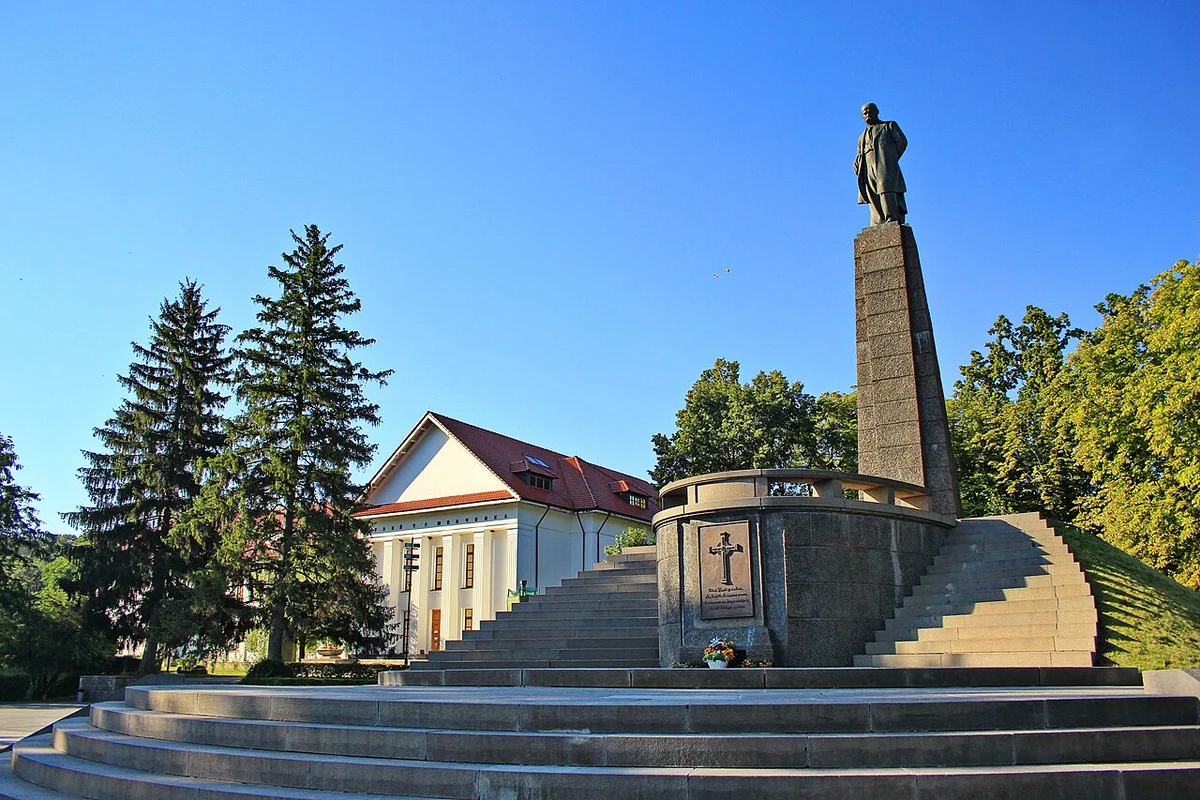
Tarasova Hora in Kanev: Shevchenko's grave overlooking the Dnieper – how to get there, what to see, practical tips
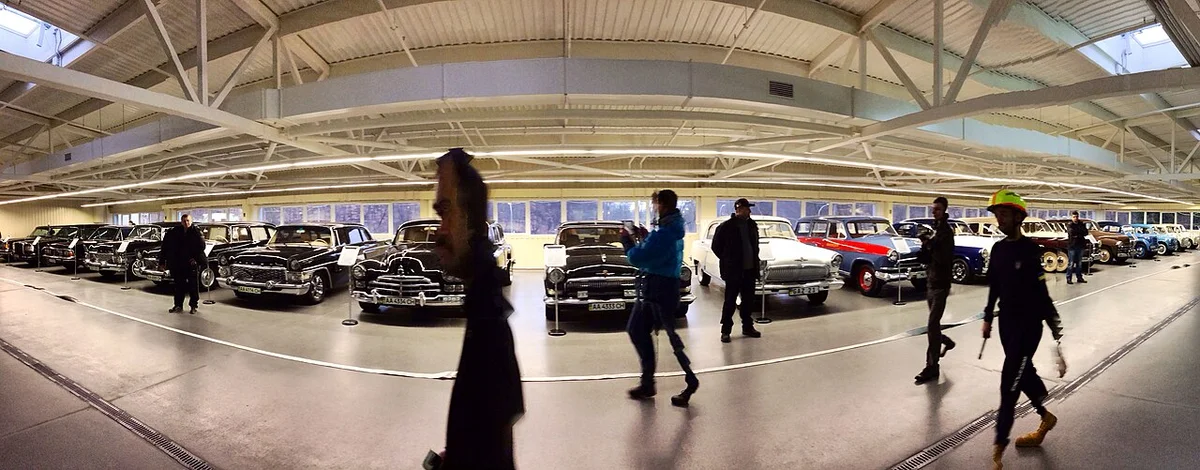
Mezhigorye: A Museum of Corruption Near Kiev – How to Get There, What to See, and How Much It Costs
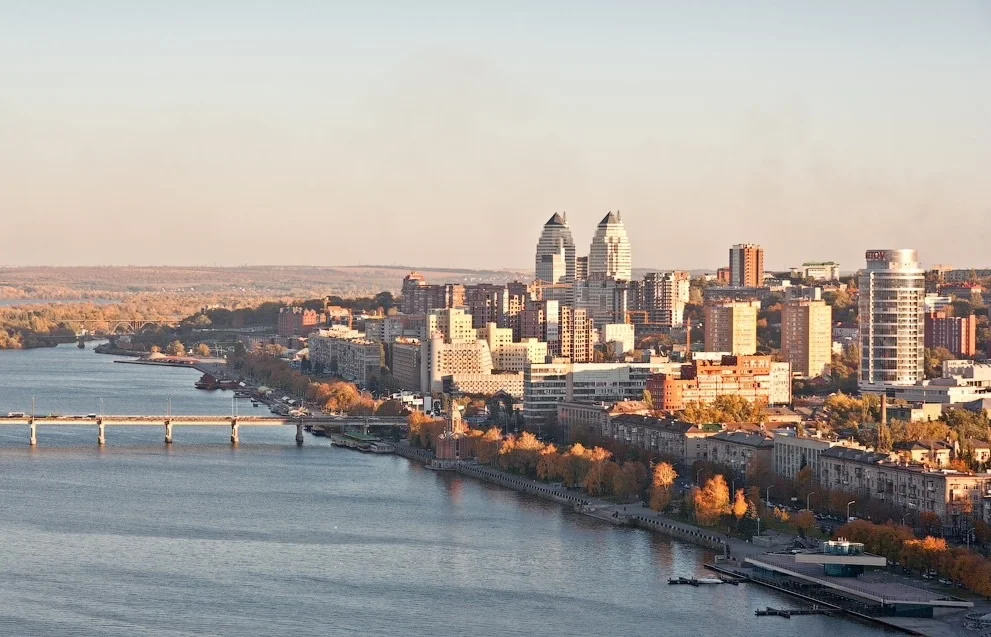
Dnieper Promenade and the monastery on the island: walks by the water in the city of Dnipro
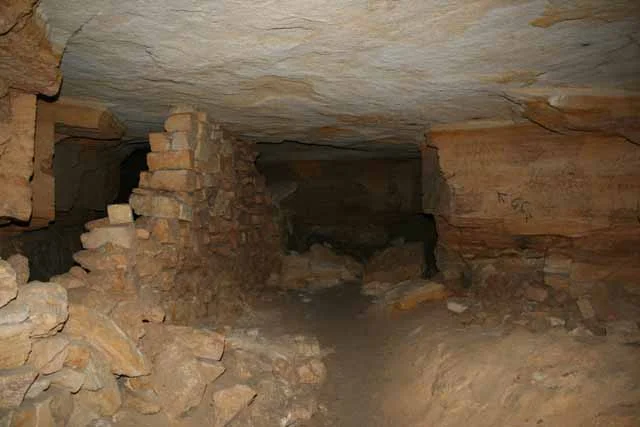
The Odessa Catacombs and Privoz Market: an underground world with a vibrant market atmosphere
More articles:
- Tarasova Hora in Kanev: Shevchenko's grave overlooking the Dnieper – how to get there, what to see, practical tips
- Mezhigorye: A Museum of Corruption Near Kiev – How to Get There, What to See, and How Much It Costs
- Dnieper Promenade and the monastery on the island: walks by the water in the city of Dnipro
- The Odessa Catacombs and Privoz Market: an underground world with a vibrant market atmosphere
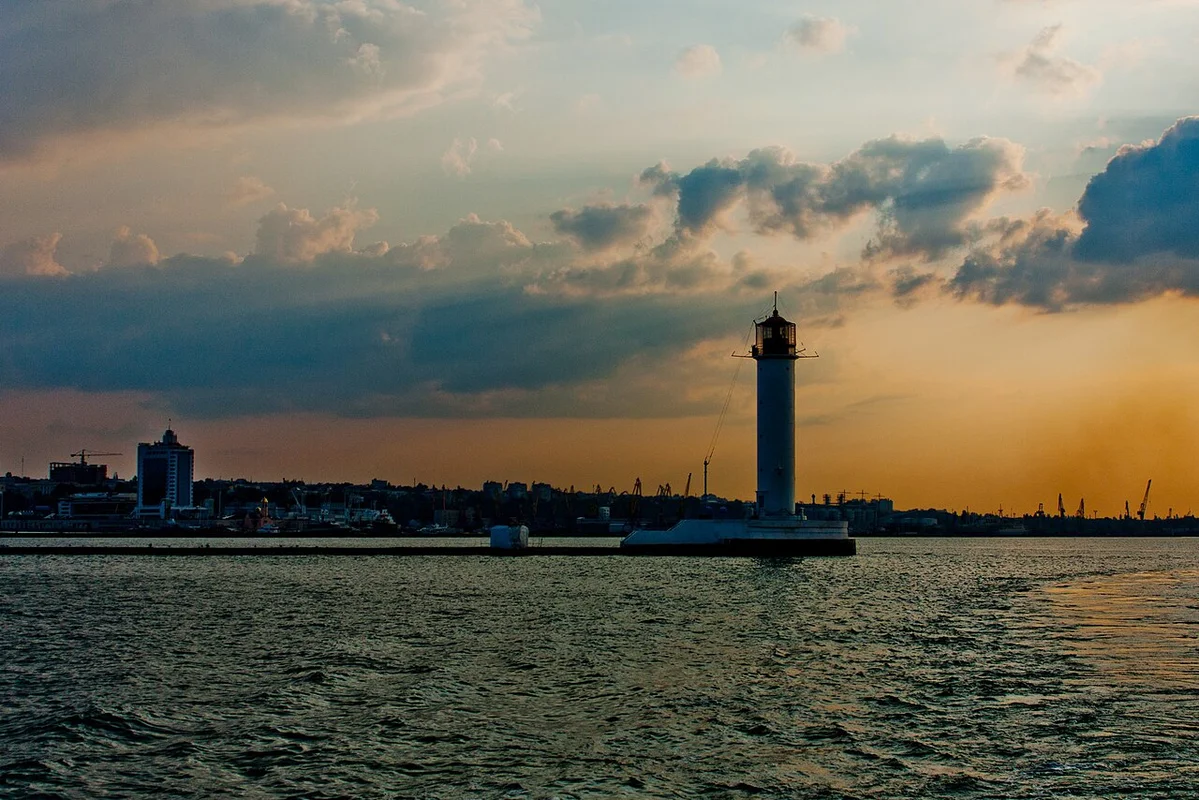 Odessa: Deribasivska Street and the Opera House – a city of cinema and humor
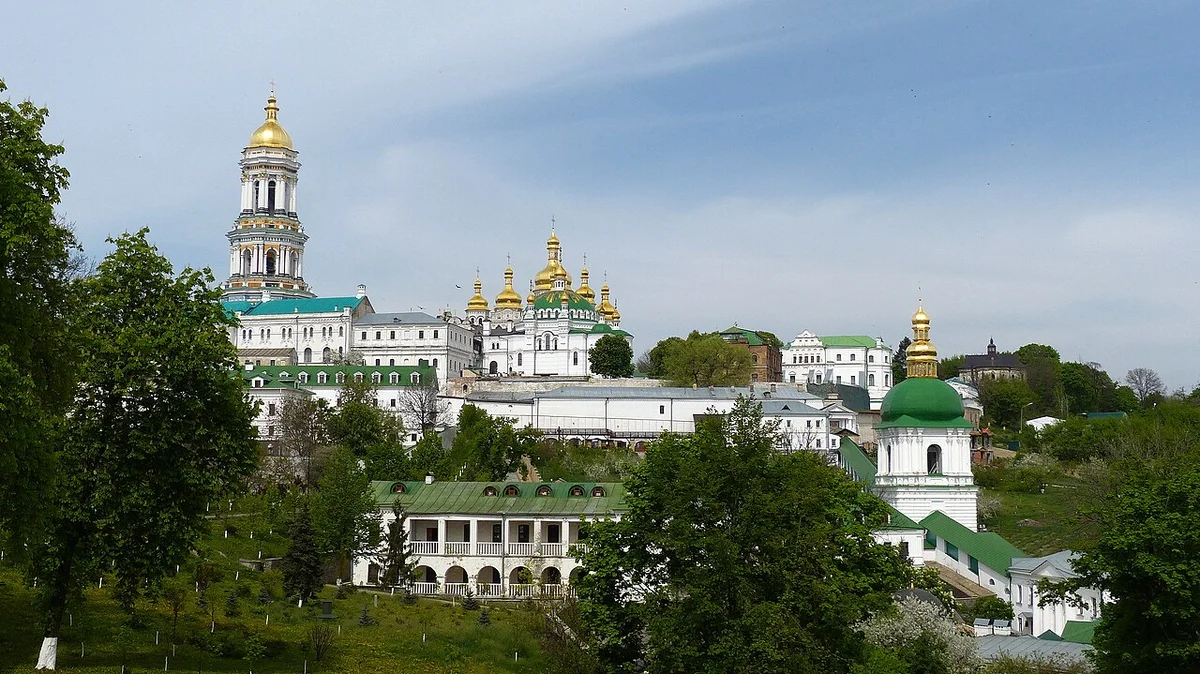 Gastronomic Kiev: Vareniki, Borsch, and Craft Beer – Where to Eat Like a True Ukrainian
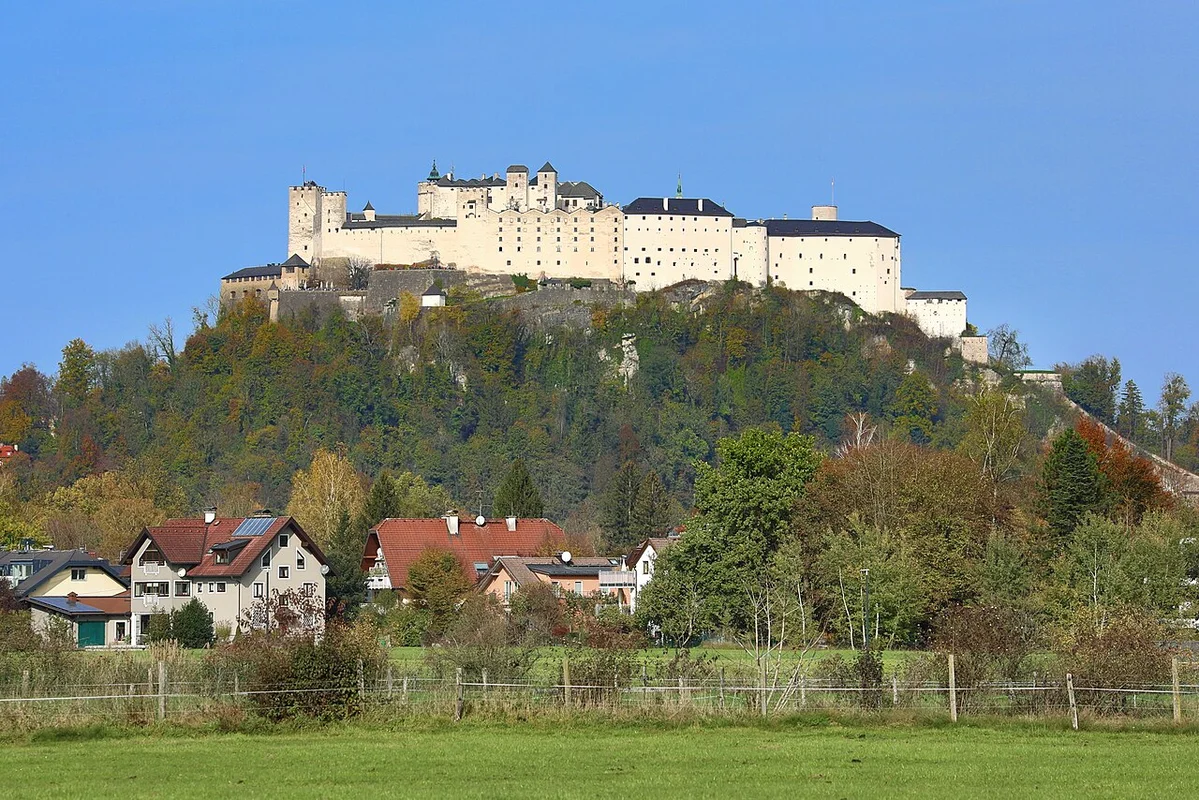 Mönchsberg and the cable car: a panorama over Salzburg that takes your breath away
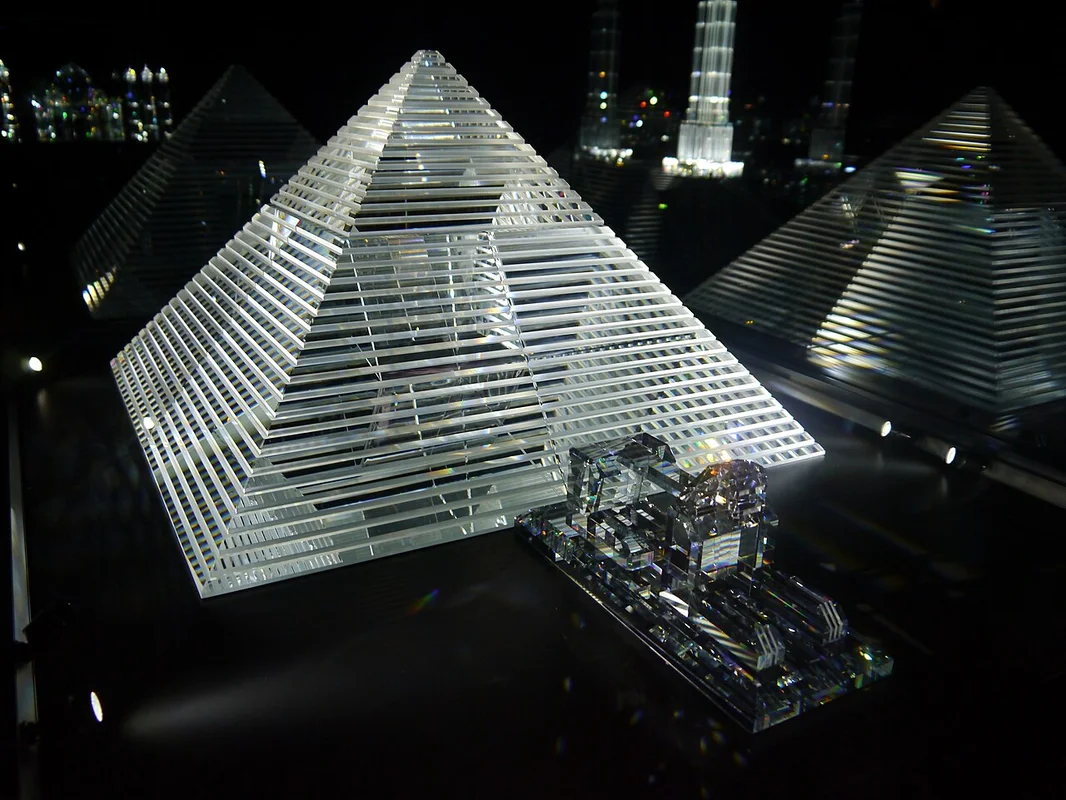 Swarovski’s Crystal World in Wattens: A comprehensive guide to Austria’s most dazzling museum