Athens after sunset: taverns near the Syntagma and the city's musical life
History and Context
Athens’ nightlife is not about clubbing until dawn (though such places do exist). It’s about having a long dinner at a tavern, where a neighbor sitting next to you suddenly starts singing, and a musician with a bouzouki joins in. The area around Syntagma Square {GOOGLE=37.9755,23.7348} has been the heart of urban life for centuries: in the 19th century, the first cafes and restaurants for Athens’ elite were established here. Today, within a 10-minute walk from the square, there are dozens of taverns, rebetiko bars, and other venues.
Rebetiko is a Greek urban blues that originated in the 1920s among refugees from the Middle East; it is still performed in small clubs in Psirri and Monastiraki today. In Greece, having dinner late at night is not a whim but a way of life: Greeks sit down to eat between 9 p.m. and 10 p.m., and restaurants stay open until midnight or later. That’s why Athens becomes a completely different city after sunset—lively, warm, and welcoming.
How to Get Here
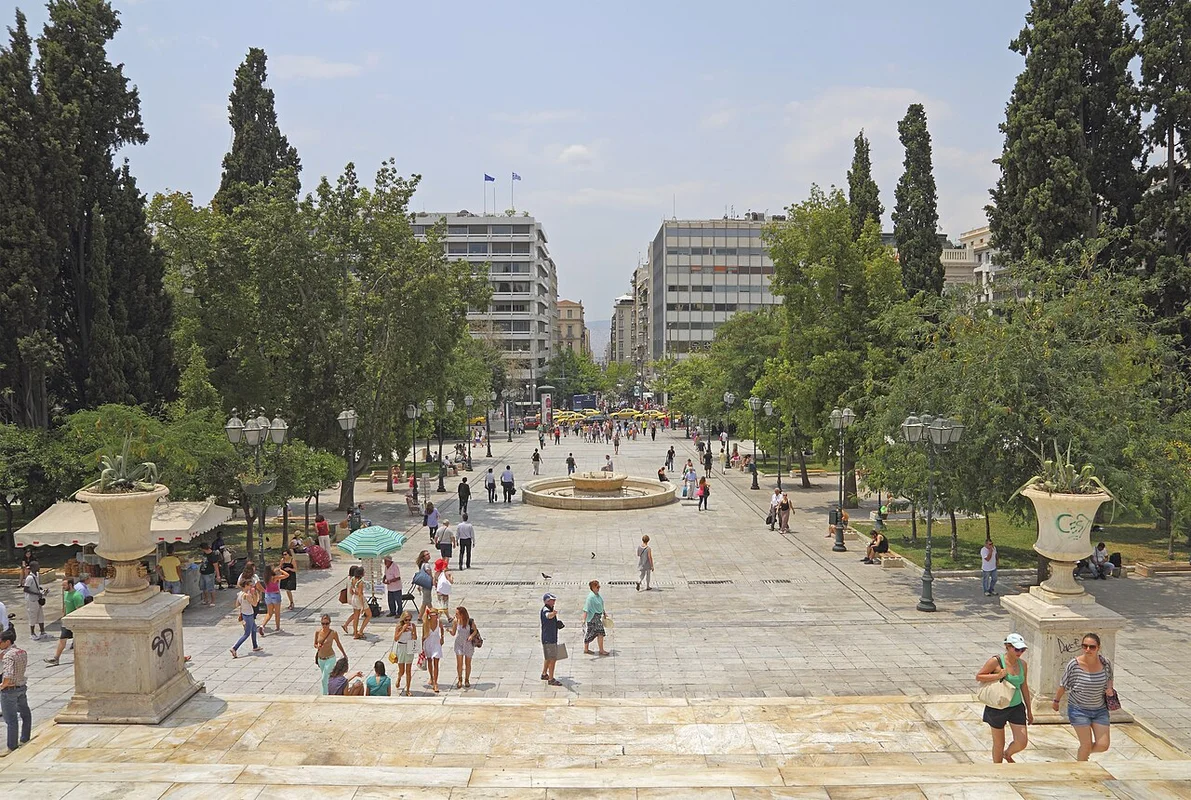
Syntagma Square is the main transportation hub in Athens. The easiest ways to get here are:
- Metro: Syntagma Station (Lines 2 and 3). From the airport, take the blue Line 3 directly; the journey takes about 40 minutes, and the ticket costs 9 EUR one-way or 16 EUR for a round-trip.
- Airport Bus: The X95 express bus runs nonstop from the airport to Syntagma; the fare is 6 EUR, and travel time varies depending on traffic, ranging from 50 to 70 minutes.
- Tram: Lines T6 and T7 connect the coastal areas of Glyfada and Paleo Faliro with the city center; the Syntagma stop is on these lines.
- On Foot: It takes 8 minutes from the Monastiraki Metro Station, or 15 minutes via Plaka Street from the Acropolis.
A one-time ticket for the metro, bus, and tram within the city costs 1.20 EUR and is valid for 90 minutes. A daily pass costs 4.10 EUR. After midnight, when the metro closes (at 00:30), night buses operate, but taking a taxi from Syntagma to most hotels in the center costs around 4–7 EUR.
What to See
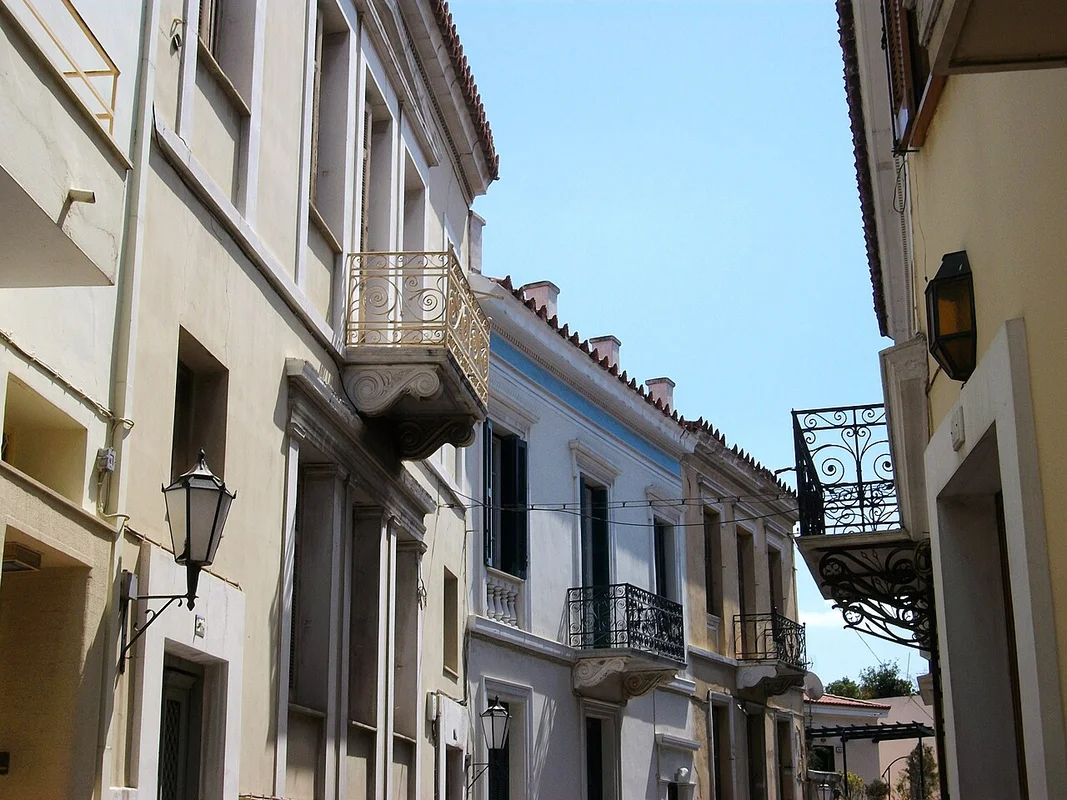
Taverns near Syntagma and Plaka
Tzitzikas kai Mermigas {GOOGLE=37.9762,23.7340} — One of the most popular taverns located right on Mitropoleos Street, just steps away from the square. It offers a modern interpretation of Greek cuisine: stifada (stewed beef with onions) costs 11 EUR, dzadziki costs 4.50 EUR, and a 500-mL glass of homemade wine costs 7 EUR. It opens until midnight, and on Fridays and Saturdays until 1 a.m. Reservations are recommended; waiting in line outside at 9 p.m. is common.
Scholarchio {GOOGLE=37.9770,23.7290} — The oldest tavern in Athens, having been open since 1932 on Tripodon Street in Plaka. It serves classic Greek dishes without compromise: stifado costs 12 EUR, and giant tomatoes stuffed with beans cost 7 EUR. Live guitar music is played on Fridays and Saturdays starting at 9:30 p.m.
Avocado {GOOGLE=37.9782,23.7298} — For those who prefer vegetarian options, this tavern in Plaka offers a variety of dishes: falafel bowls cost 9 EUR, and smoothies cost 5 EUR. It closes at 11 p.m.
Psirri District: Rebetiko and Live Music
The Psirri neighborhood {GOOGLE=37.9783,23.7240} is the heart of live music in Athens. During the day, it serves as an outdoor graffiti gallery; at night, it becomes a labyrinth of bars with live performances.
Klimataria {GOOGLE=37.9790,23.7245} — a legendary tavern that has been in business since 1927. Musicians play every evening from Thursday to Saturday, starting around 10:00 PM. The average bill is 20–25 EUR per person, including wine. The venue is small, so arrive by 8:30 PM to secure a seat.Kavouras {GOOGLE=37.9787,23.7232} — a bouzouki bar located in an alley behind Irun Square. Live performances start at 11:00 PM; entry is free, but reservations are recommended. Prices are as follows: beer – 5 EUR, ouzo – 4 EUR, meze – 6–10 EUR. The atmosphere is thick and dense, reminiscent of the smoke in an old cinema.
Rooftop Bars with Views of the Acropolis
A for Athens {GOOGLE=37.9762,23.7253} — a rooftop bar right across from the Monastiraki metro station. The view of the illuminated Acropolis is one of the best in the city. Cocktails cost 10–14 EUR, and beer is 6 EUR. The bar is open until 3:00 AM. Arrive before 8:00 PM or after 11:30 PM to avoid waiting for the elevator.
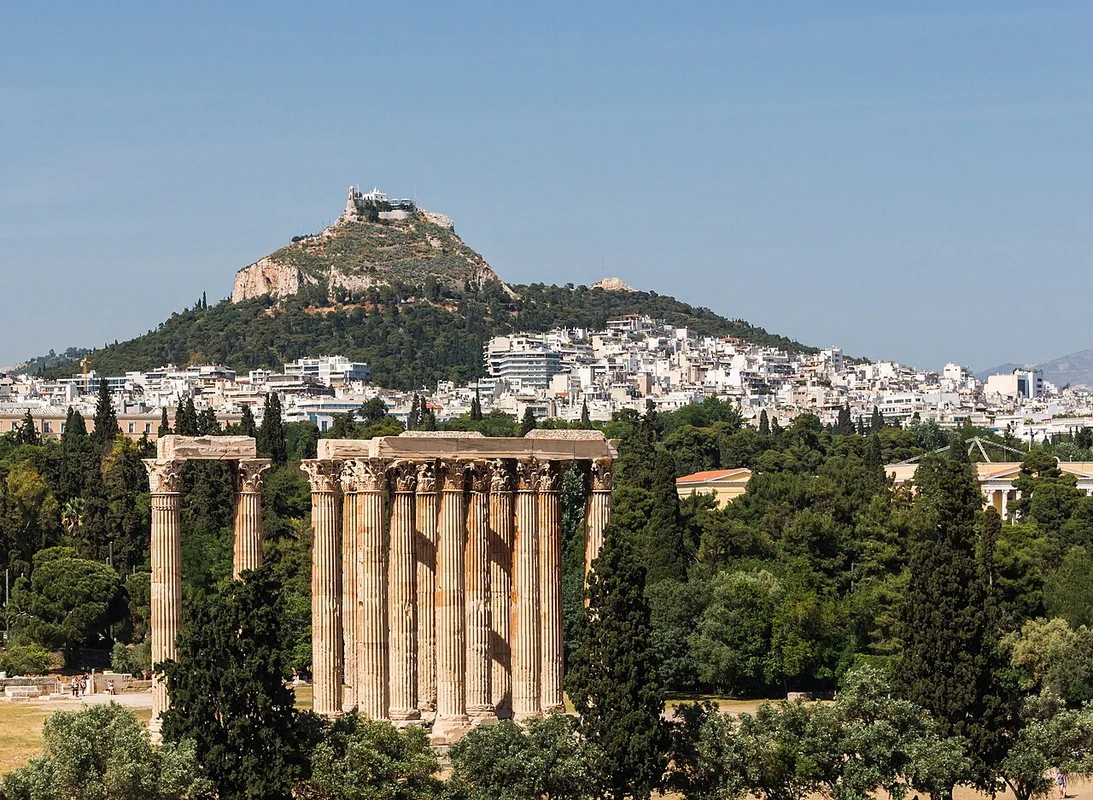
360 Cocktail Bar {GOOGLE=37.9767,23.7260} — a panoramic bar located at the corner of Ifestou and Monastiraki. The “Acropolis Sour” cocktail costs 12 EUR. It is open from 10:00 AM to 3:00 AM. The roof offers a 360-degree view, allowing you to see both the Lycabettus Hill and the Acropolis.
Monastiraki Square and the Night Market
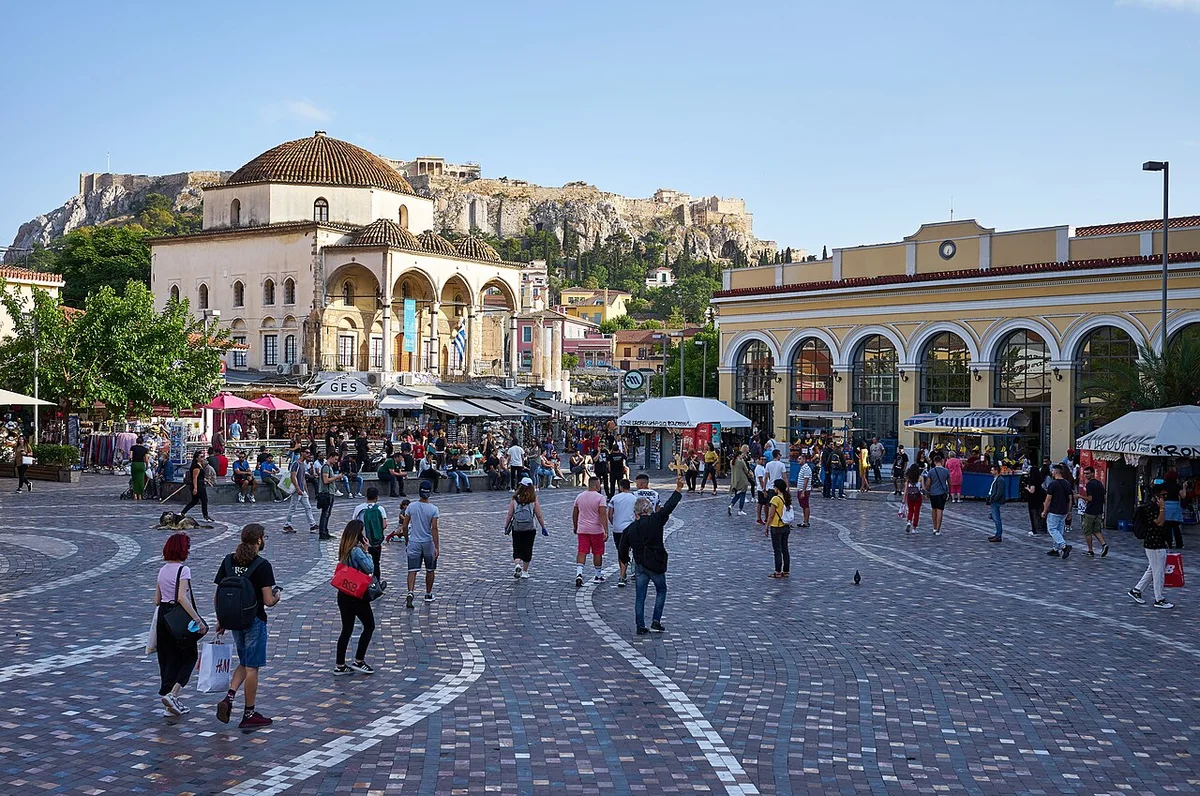
Monastiraki Square {GOOGLE=37.9764,23.7256} transforms into a vibrant street scene in the evening, with musicians, jugglers, and vendors selling chestnuts in winter and corn in summer. Along Ifestou Street, you can find antique shops that are open until 10:00 PM during the tourist season. Here, you can purchase vintage Greek vinyl records (5–15 EUR) as great souvenirs.
Practical Information
| Place | Opening Hours | Average Bill | Music |
|---|---|---|---|
| Tzitzikas kai Mermigas | 12:00–00:00 (Friday–Sunday until 1:00 AM) | 18–25 EUR | No live music |
| Scholarchio | 11:00–11:30 PM | 15–22 EUR | Friday–Sunday from 9:30 PM |
| Klimataria | 1:00 PM–1:00 AM | 20–25 EUR | Thursday–Sunday from 10:00 PM |
| A for Athens | 10:00 AM–3:00 AM | 12–20 EUR (for drinks) | DJ on weekends |
Best time to visit: From May to October, taverns set up tables outside, and the street bars are at their busiest. The peak season is June–August, but during these months, the heat can reach 38–40 °C by evening, so nightlife usually starts later, around 22:00. Late September and October are ideal: temperatures are more comfortable (around 22–26 °C at night), there are fewer tourists, and prices are lower.
Currency: Euros. Cards are accepted almost everywhere, but in the smaller bars in Psirri, it’s better to bring cash—the payment terminals might not work on certain days. Tips for Visitors 
- Reserve your table in advance, especially on Fridays and Saturdays. You can do this using Google Maps by selecting the restaurant’s location.
- Don’t dine at 19:00—taverns are usually empty at this time, and the kitchen is just starting to get busy. Arrive around 21:00 to experience the real Greek atmosphere.
- Bring a light jacket—even in summer, the sea breeze can be quite chilly after midnight on the streets of Plaka or Psirri.
- Wear comfortable shoes: The cobblestone streets in these areas get slippery after rain; high heels are not recommended.
- Avoid the “tourist menu”—if a restaurant has a menu with photo illustrations, it’s often more expensive for tourists. Choose places where the menu is written on a blackboard or is only available in Greek.
- Tipping: 5–10% of the total bill, or round up to the nearest whole amount. Leave your tip in cash, even if you pay by card.
After sunset, Athens becomes a city that finally slows down. Lit-up ruins on the hills, the sound of bouzouki music from around the corner, the smell of grilled octopus, and laughter at neighboring tables… Sit down, order a glass of homemade red wine, and take your time – Greeks really know how to enjoy life.
Find the Best Professionals for Your Project
Expert repair, construction, and renovation specialists ready to help you right now
Recommended articles
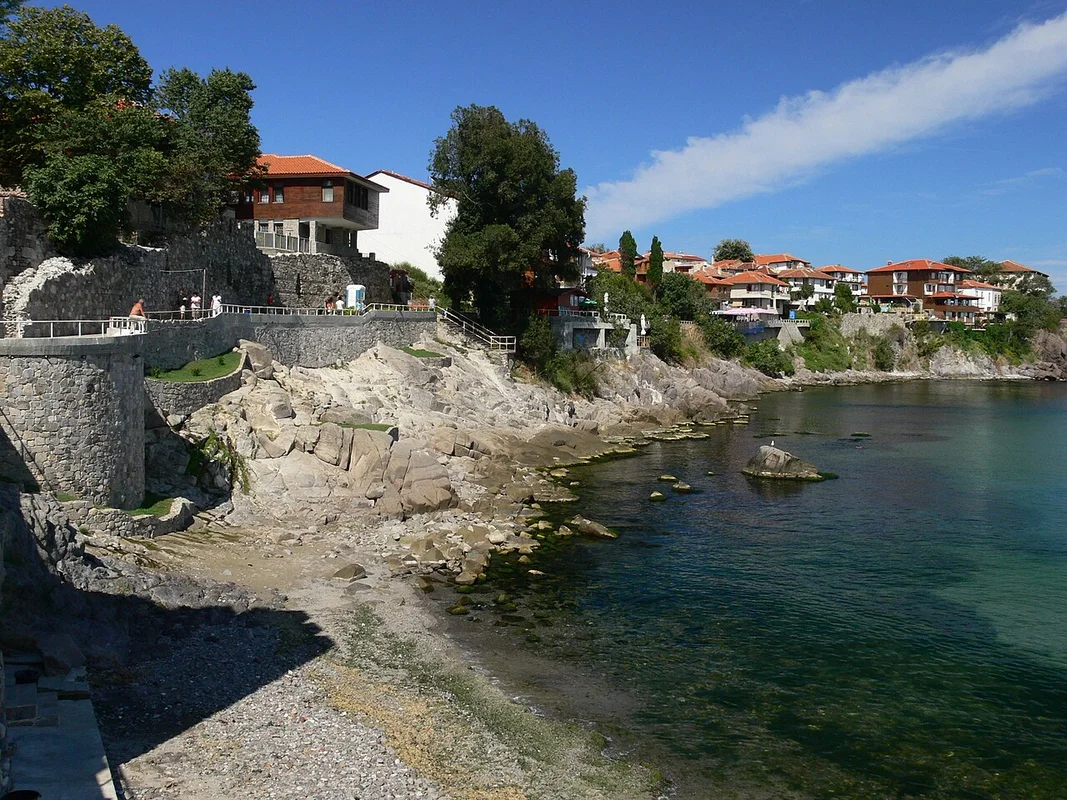
Sozopol: Tiles Roofs and the Island of Saint Ivan
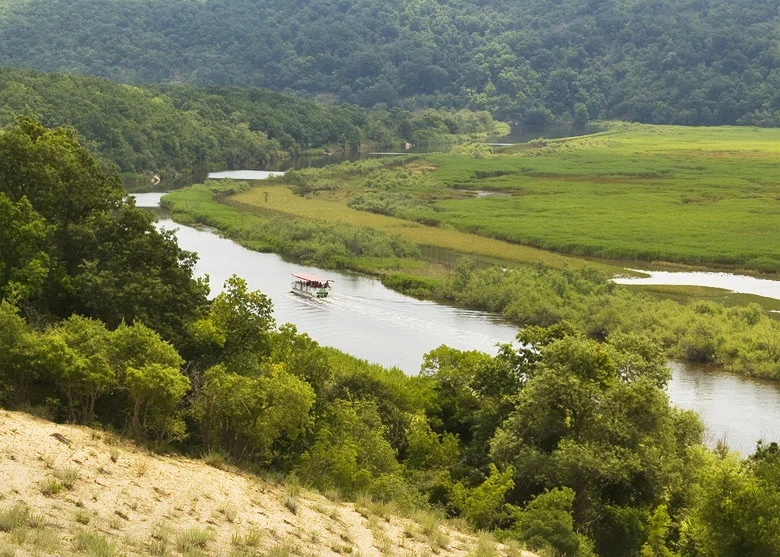
Ropotamo: riverine lagoons, sand dunes, and a nature reserve by the sea near Primorsko
Thracian Tombs in Bulgaria: Alexandrovо, Kazanlыk, and the Secret Crypts Surrounding Sviilengrad
Rila: A trek around seven lakes, including a night stay in a mountain cabin.
More articles:
- Sozopol: Tiles Roofs and the Island of Saint Ivan
- Ropotamo: riverine lagoons, sand dunes, and a nature reserve by the sea near Primorsko
- Thracian Tombs in Bulgaria: Alexandrovо, Kazanlыk, and the Secret Crypts Surrounding Sviilengrad
- Rila: A trek around seven lakes, including a night stay in a mountain cabin.
 Bulgarian thermal resorts: Velingrad, Hisarya, and Sandanski – hot springs and spa facilities in the Balkans
 Kutna Hora: The Silver City and the Horrible Bone House – A Complete Guide for 2025
 Prague during the Soviet era: Žižkov, Stalin’s bunker, and its industrial heritage
 Maslenica in Český Krumlov: Baroque, Carnival, and Traditional Czech Sleds