Heidelberg: a castle in ruins that is worth more than an entire city.
If you ever thought that German romance was just a myth created by travel brochures, come to Heidelberg in the fall. Get up early and watch the castle from the banks of the Neckar River through the morning mist. You’ll get an adrenalin rush for free. The city is located 80 km south of Frankfurt, at the confluence of the Neckar and Rhine rivers – and it’s truly one of the most Germanic places where you can feel the spirit of European scholarship mixed with discussions about history.
Few people know that Heidelberg has survived seven sieges and two major fires, with the last one occurring in 1689 during the War of the Spanish Succession. French troops completely destroyed the city, but the castle miraculously remained intact – though it ended up in the state of ruins we see today.
Heidelberg Castle: Ruins That Are More Valuable than Restoration
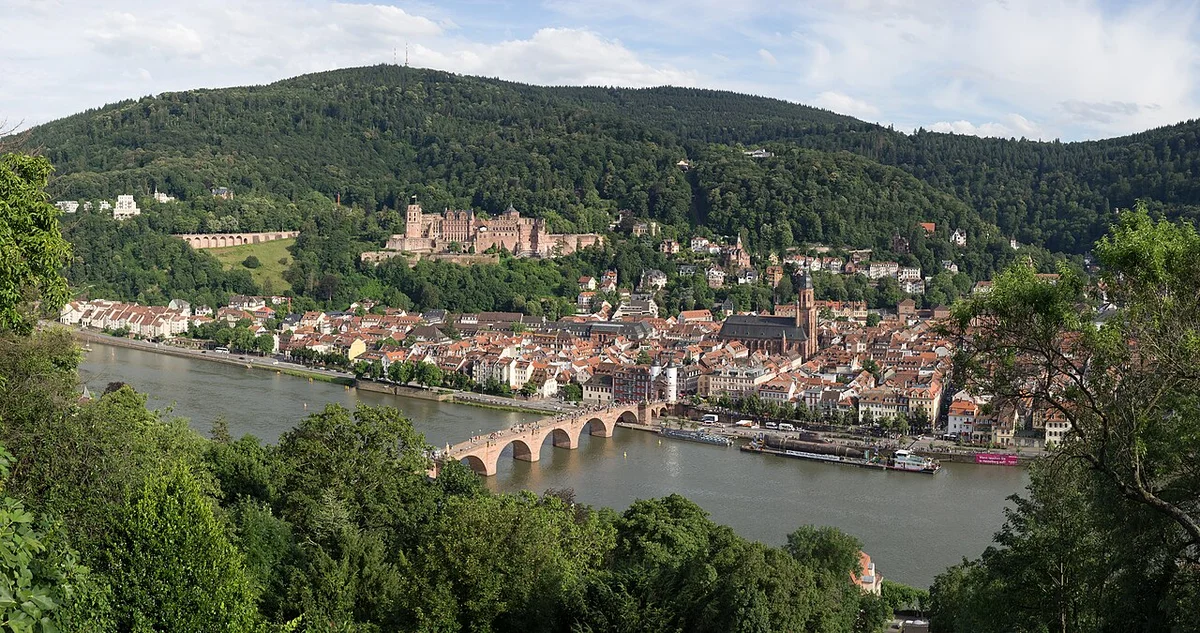
The castle stands 80 meters above the city and can be reached in three ways: on foot along a forest trail (35 minutes), by cable car (7 minutes, round-trip ticket costs 4 EUR) or by driving up a winding road.
Entrance to the castle ruins is free. You can walk around, enjoy the sunset over the Neckar River, and come down again without anyone stopping you. However, if you want to visit the Deutsches Apothekenmuseum inside the castle or climb to the observation tower, you will need to buy a ticket for 5.50 EUR. The combined ticket for cable car + museum is 11.50 EUR.
Interesting Fact: The dimensions of this castle are truly impressive – its walls extend for 400 meters from north to south, and its eastern wing, built in the 16th century, is considered one of the finest examples of German Renaissance architecture. Frederick V, known as “The Winter King,” invested vast sums of money in its expansion, but history has taken another course.
Little Known Fact: Heidelberg University, founded in 1386, is far more than just a name in a history book. It is a living entity, where students in red caps wear their traditional student organizations’ uniforms every day. Germany’s Oldest University: Where Revolutionaries and Scientists Learned

- The output must be in English only.
- Translate the1 only the visible text within the HTML tags.
- Preserve all HTML tags, attributes, and paths exactly as they are.
- Do not add, remove, or modify any elements.
The main building of the university (Akademisches Schloss) is located on Universitätsplatz and looks just like a real palace. It isn’t some hidden corner spot, but rather one of the city’s most prominent landmarks. It can be viewed from the outside, but what’s truly interesting is the old university prison (Studentenkarzer), where students used to be punished for misbehavior in the 19th century. Students who were found guilty of drunkenness or dueling would be confined there for up to four weeks. This was considered an effective way of discipline. Entering the prison costs 3 EUR, and it is open from Monday to Friday from 10:00 AM to 4:00 PM, and on Saturdays from 11:00 AM to 4:00 PM, with closed Sundays.
Interesting Fact: Some famous people who studied in Geydelberg included Bismarck (who later became the Chancellor of Prussia), Hegel and Schelling. Although they never spent time in this prison, they were certainly influenced by its atmosphere. In the 20th century, the German writer Anna Zegers studied here.
Old Town: Markets, Cafés, and Narrow Alleys of Hauptstrasse
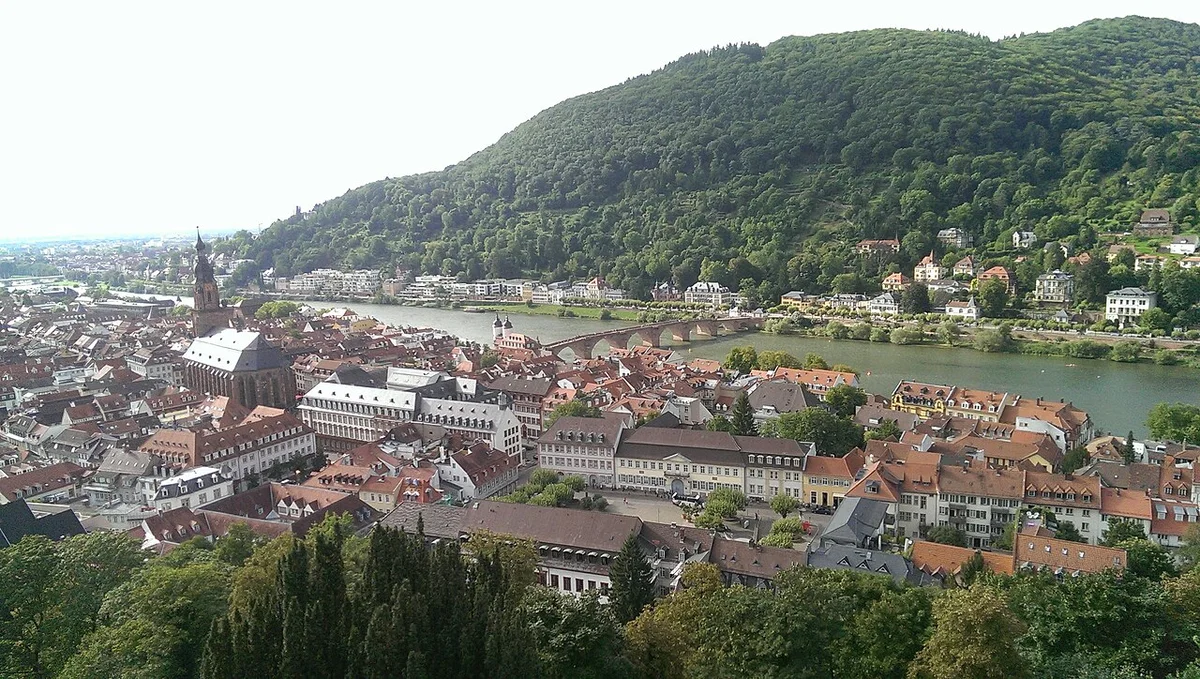
The Hauptstrasse in Geydelberg is 1.6 kilometers long and offers a perfect tourist experience with shops, cafes, and businesses offering various goods and services. Along the way, you’ll find souvenir shops, cafes with pastries in their windows, and pubs with names like “Zum Roten Oxen”. But if you take a side street, you’ll discover hidden treasures: small galleries, bookstores, and cafes where you might find a coffee pot that once belonged to a philosophy professor.
How to Get There, Transportation, Accommodation, and Prices
Heidelberg is located on the main railway line between Frankfurt and Stuttgart. From Frankfurt, regional trains depart every 30 minutes; the journey takes about 1 hour, and a one-way ticket costs 30-40 EUR. Faster but more expensive are the direct regional express trains (50 EUR). The bus from Frankfurt costs 25-30 EUR and takes 1.5 hours, but services are not regular.
Within the city, public transportation consists of trams and buses. For tourists, the best option is tram number 5, which runs from the train station up Hauptstrasse straight to the castle (stop: Schloss). A one-way ticket costs 2.60 EUR, while a daily pass for the whole city is 6.80 EUR. Bicycling is also possible, but the streets have many twists and turns, so it requires some physical fitness.
Night accommodation in the city center: budget-friendly hostels (bed in shared rooms) cost 18–25 EUR; cheap 2-star hotels (single rooms) cost 45–65 EUR; decent 3-star hotels cost 90–130 EUR. Adding breakfast (5–10 EUR in a cafe) and dinner (15–25 EUR in an average pub), the cost for a day in the city amounts to 80–120 EUR.
When to go, how to avoid crowds, and what to bring
Heidelberg is not a secret destination. In July and August, the castle is crowded with tourists, especially Americans and Spaniards who visit in groups led by guides. June and September are the ideal months: it’s still warm but not sweltering, there are fewer students, and the photos turn out better. If you plan to visit in April or May, come on a weekday; avoid Fridays and Sundays.
A practical tip: go up to the castle on foot in the morning (if you’re physically fit) and come down via the cable car. It’s not about the romantic experience of descending, but rather the speed—it will allow you to arrive at the castle around 8:30–9:00 AM, before the tourist buses arrive with breakfast. This way, your photos will have a more empty and atmospheric background.
Bring comfortable sneakers (the streets are medieval and paved with cobblestones), a windbreaker (the air at the castle is noticeably colder), a camera, a bottle of water, and enough cash—not all cafes accept cards.
Interesting fact: The Neckar River, along which Heidelberg is located, flows in a northwestern direction and eventually merges into the Rhine. It is 367 km long, making it the second-longest river in Germany after the Rhine. Tourist boats operate on the Neckar; a one-day cruise costs 25–35 EUR.
Find the Best Professionals for Your Project
Expert repair, construction, and renovation specialists ready to help you right now
Recommended articles

White Timok in Rgotina: Fishing and canoeing on this Serbian river – a comprehensive guide for tourists

Studenitsa and Monasteries of Rask: A Pilgrimage Route from Kraljevo
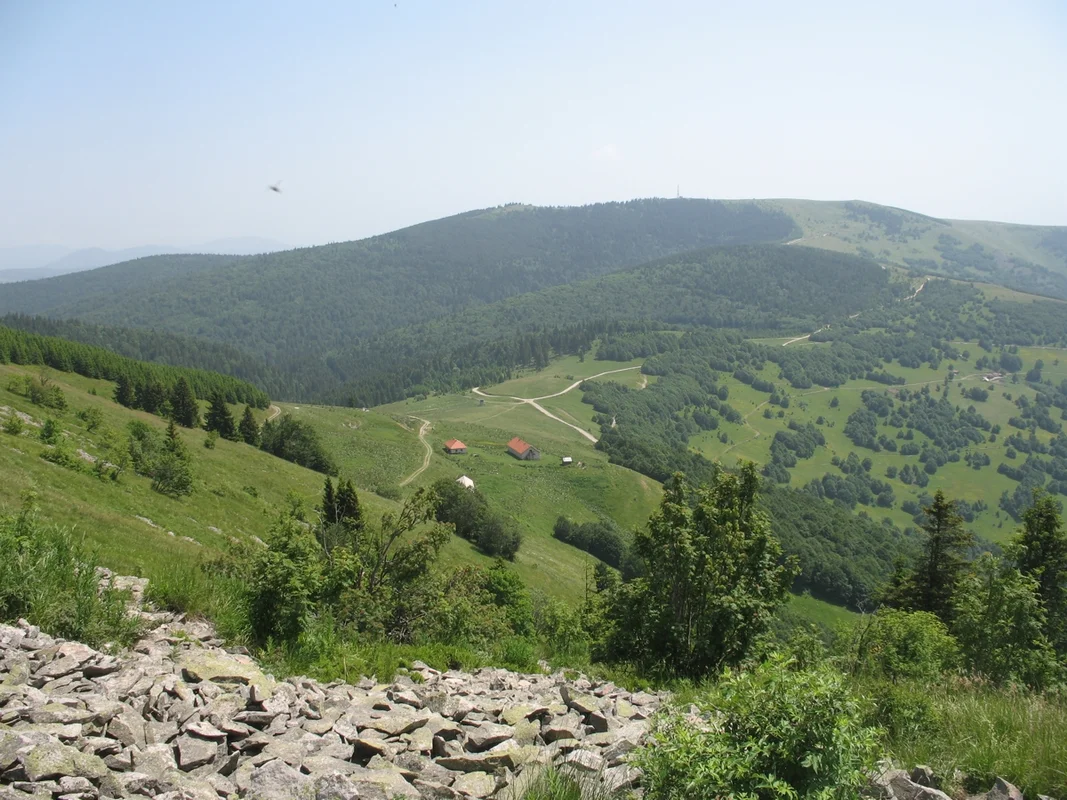
Golija: a virgin forest in the heart of mountainous Serbia – a UNESCO Biosphere Reserve
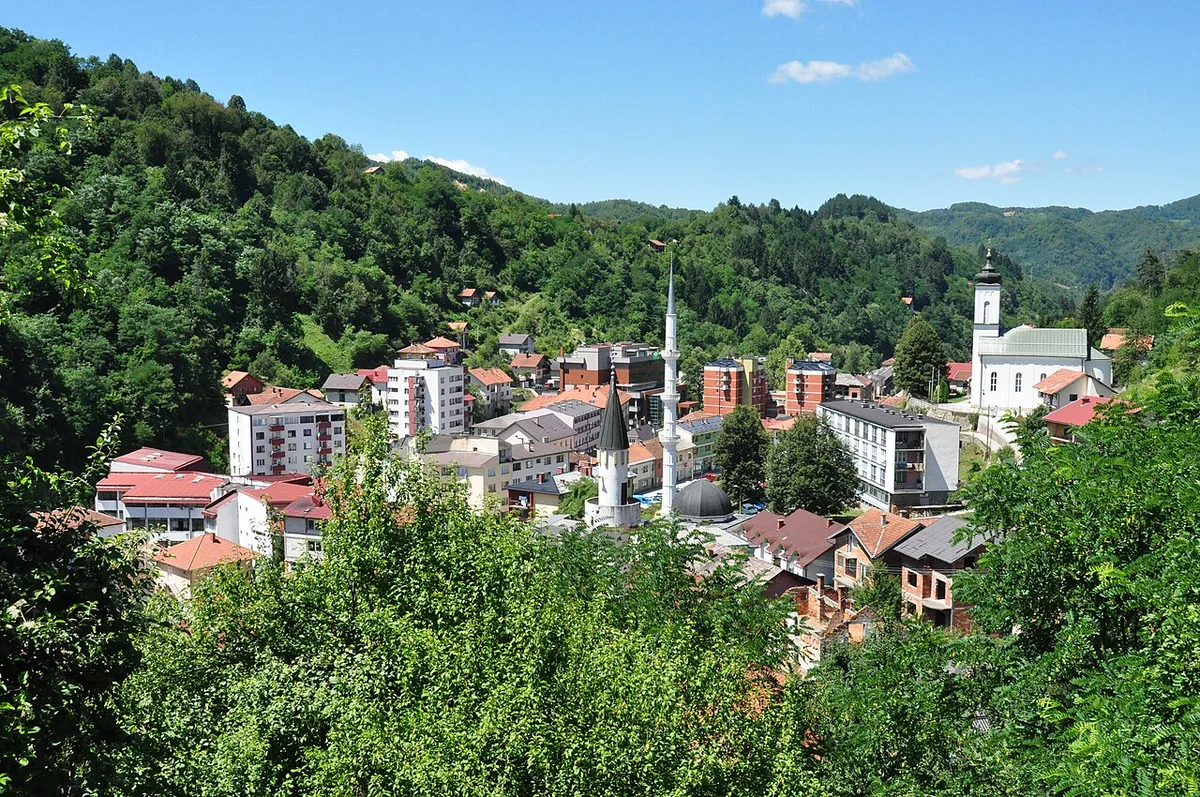
Silver Coin: A Memorial and a Published History of the Balkans
More articles:
- White Timok in Rgotina: Fishing and canoeing on this Serbian river – a comprehensive guide for tourists
- Studenitsa and Monasteries of Rask: A Pilgrimage Route from Kraljevo
- Golija: a virgin forest in the heart of mountainous Serbia – a UNESCO Biosphere Reserve
- Silver Coin: A Memorial and a Published History of the Balkans
 Serbian hospitality: a night at a kafana with rakia and live music
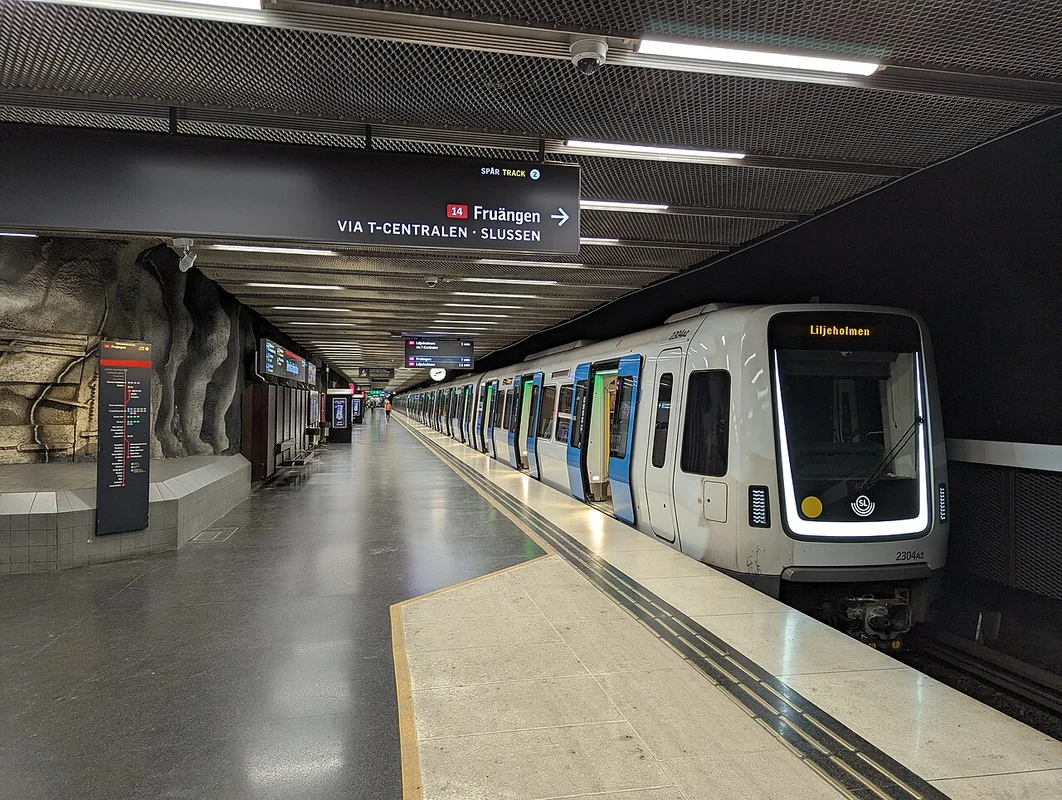 The Stockholm Metro is the longest art gallery in the world.
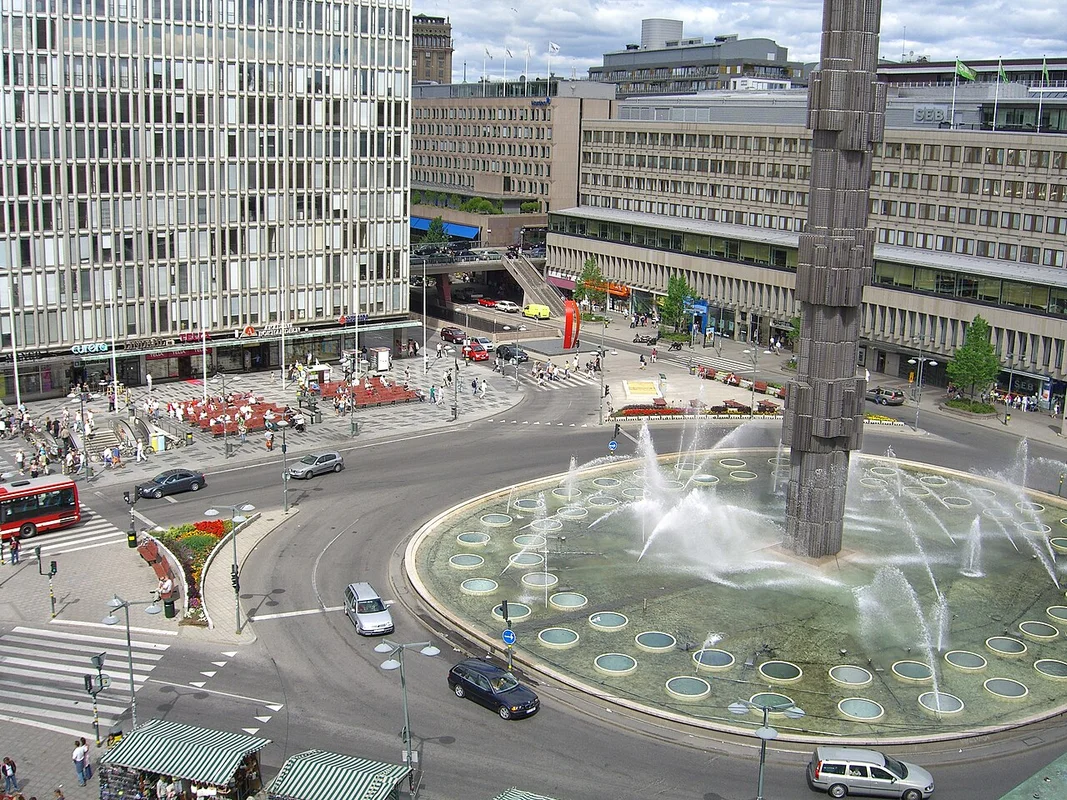 Sergeltorget and Drottninggatan: Stockholm's main shopping areas
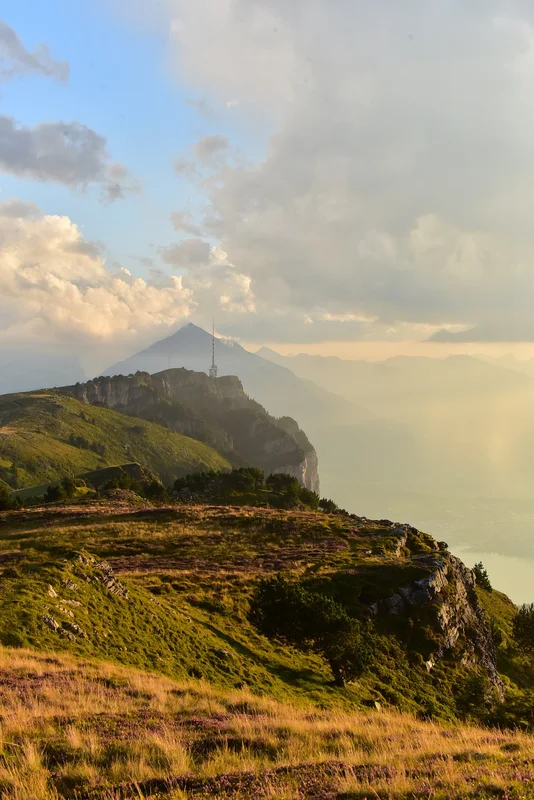 The Niederhorn cable car in Beatenberg: a panoramic view of Lake Thun from a height of 1963 meters.