Serbian hospitality: a night at a kafana with rakia and live music
History and Context: What is a Kafana and Why Are They Needed for Serbians
A kafana is not just a place where food and drinks are served. It is an institution deeply rooted in Serbian life, originating from the Ottoman Empire in the 16th century. The word itself derives from the Turkish "kahve" (coffee). Although in the past kafanas were primarily places for drinking coffee and smoking hookahs, today they have evolved into full-fledged nightclubs with live music, food, and strong alcoholic drinks.
In a kafana, people gather together to forget their worries. They sing, dance, drink brandy (a plum brandy with an alcohol content of 40-50%), eat grilled meat and hot snacks. Music is an essential element; typically, there is a guitarist, an accordionist, and a singer who perform traditional Serbian folk music or modern hits.
<**Note:** The above text contains some cultural specificities that may not be directly translatable. Therefore, the translation has been adapted to maintain its original meaning while being understandable in English.Plum trees are considered sacred in Serbia. From them, brandy is made, which is proudly referred to as "liquid gold". Serbia produces brandy on an industrial scale, and almost every family prepares its own homemade version at home. When tourists visit, they are often offered this brandy as a sign of respect and hospitality.
How to Get to a Serbian Kafana<
The best place to start is Belgrade, the capital of Serbia. There is a high concentration of kafanas in the areas surrounding the Danube River and the historic center of the city.
From Belgrade Nikola Tesla Airport (Aerodrom Nikola Tesla Beograd
• Bus A1 — operates every 20 minutes from 5:00 am to 11:00 pm, with a travel time of 45 minutes and a fare of 300 Serbian dinars (~2.5 EUR).
Taxis should be reserved in advance through services like Uber or local apps. The cost is approximately 1500-2000 RSD (~13-17 EUR).In Belgrade itself, there are no public transportation options such as metro (which is only in the planning stage), so the main modes of transport are walking, trams, buses, and taxis. Most local restaurants, known as kafanas, are easily accessible on foot from the city center.
To reach a traditional Serbian kafana by the Danube, for example in the Zemun or Palilula areas, you can take bus number 78 from the city center. The journey takes about 15-20 minutes, and the ticket cost is 150 RSD (~1.3 EUR). Alternatively, you can take a taxi for around 800-1200 RSD (~7-10 EUR).
Recommended Attractions: Famous Serbian Kafanas


Kafana Tri Šešira is one of the oldest traditional Serbian kafanas in Belgrade. It has been operating since 1945 and is located in the historic district of Stari Grad, right on the main pedestrian street.Here, you can experience a genuine traditional atmosphere: wooden tables, simple dishes like grilled meat, fish, or brinza, and live music every evening from 9:00 PM. Traditional Turkish music and folk songs are played, and prices are reasonable: beer is around 300-400 RSD (~2.5-3.3 EUR), rakia is 200 RSD per glass, and main dishes range from 800 to 1500 RSD. It is open daily from 11:00 am to 2:00 am, and on weekends from 11:00 am to 4:00 am.
2. Kafana Tri Volta
3. Balkan House
4. The cafe by the Danube in Zemun is located in the historic district of Zemun 5. The legendary Kafana Spajz 6. Kafana Korovnik
• Beer: 300–500 RSD (~2.5–4 EUR)
• Home-made rakia: 150–250 RSD (~1.3–2 EUR) per shot
• Premium rakia: 300–500 RSD (~2.5–4 EUR)
• Main dishes (meat, fish, čevapci): 700–1500 RSD (~6–12 EUR)
• Salads and cheese: 300–600 RSD (~2.5–5 EUR)
• Music fee: in some cafans, it’s 500 RSD per person per hourOpening hours: Most cafans open between 6 pm and 11 pm and close between 3 am and 5 am. On weekends, they stay open longer, especially on Sundays. Sunday is usually a quiet day, with many places closing by 11 pm or earlier.
Best times to visit:< • Best season: • <**Avoid:**** December to February. It’s cold, boring, and there are few tourists, so locals tend to stay home. • Best days of the week: Best time at night: What to bring:< • Cash — not all cafans accept credit cards.<• <**Bring a charger for your phone** • Water> Note: This is also essential.Tips for Visitors: How to Have a Great Time in a Cafan
• Wear a waterproof jacket in summer – it can be damp and cool early in the morning in outdoor cafes.
• Leave tips – In Serbia, giving 10-15% as a tip is considered polite if you enjoyed the music.
Things to avoid:
-
• Do not go to a cafe alone as a man after 1:00 AM – this may attract unwanted attention. It’s better to go in groups.
• Do not refuse rakia when offered – it’s considered impolite. However, you can say, “Thank you, but I already have a drink.” Serbians respect honest refusals more than pretenses.
• Do not try to sing in English – perform 80s hits or modern pop in your native language. Serbians will appreciate the effort and laugh kindly.
• Do not take photos of people without permission – in authentic cafes, people come to relax, not for Instagram. Ask for permission first.
• Do not drink rakia on an empty stomach – it’s a strong liquor. Drink it in small sips, with beer or mineral water, and eat some bread and meat.
Where to eat nearby during the day:
-
• Pekara Markova
-
• How to hire musicians for your event – …
If you come to the club or want a special evening, please contact the administrator in advance. The musicians can perform specifically for you from 10 p.m. to 2 a.m. or longer if necessary. The cost is usually between 150 and 300 EUR per evening for one band of musicians (guitar, accordion, singer). This fee is divided equally among the number of people at the table.
How to behave after the third glass of rakia: After drinking your third glass of rakia, you will likely feel like you are everyone’s best friend at the bar. This is completely normal. Serbians love people who enjoy themselves, who laugh and forget about being modest. But remember: rakia is powerful. If you start to feel dizzy, drink some water, eat some bread with cheese, and then switch to drinking beer.
Find the Best Professionals for Your Project
Expert repair, construction, and renovation specialists ready to help you right now
Recommended articles
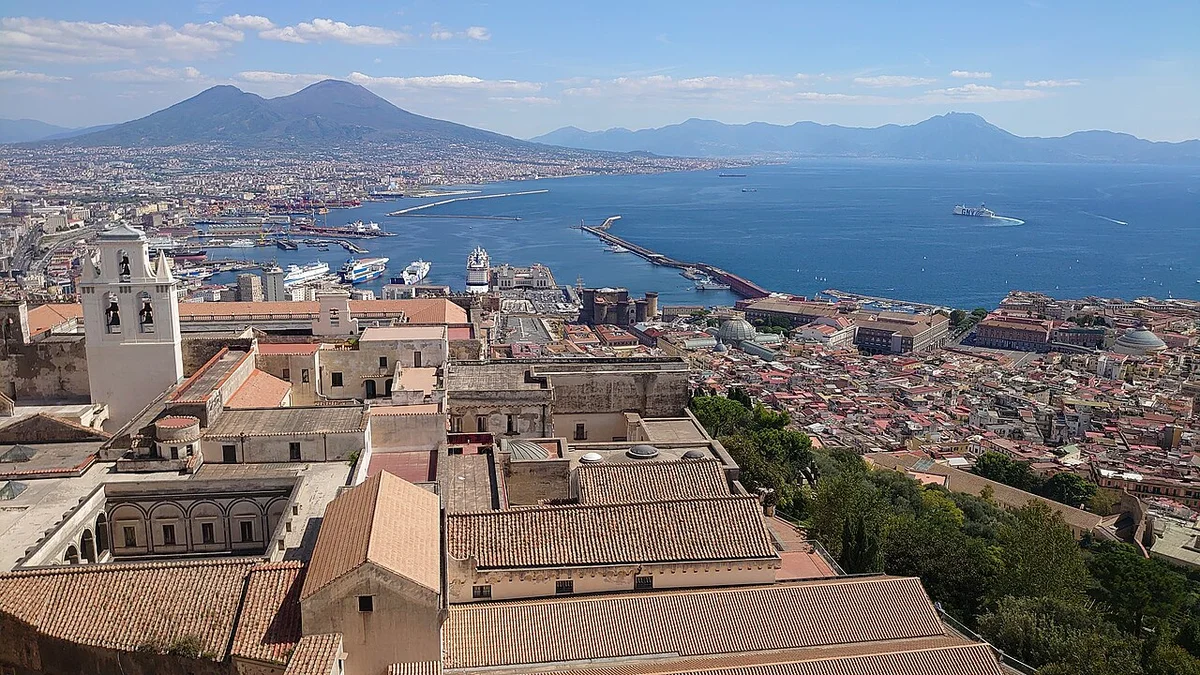
Naples in 1 day: from the port through Spaccanapoli to the legendary Marinara pizza
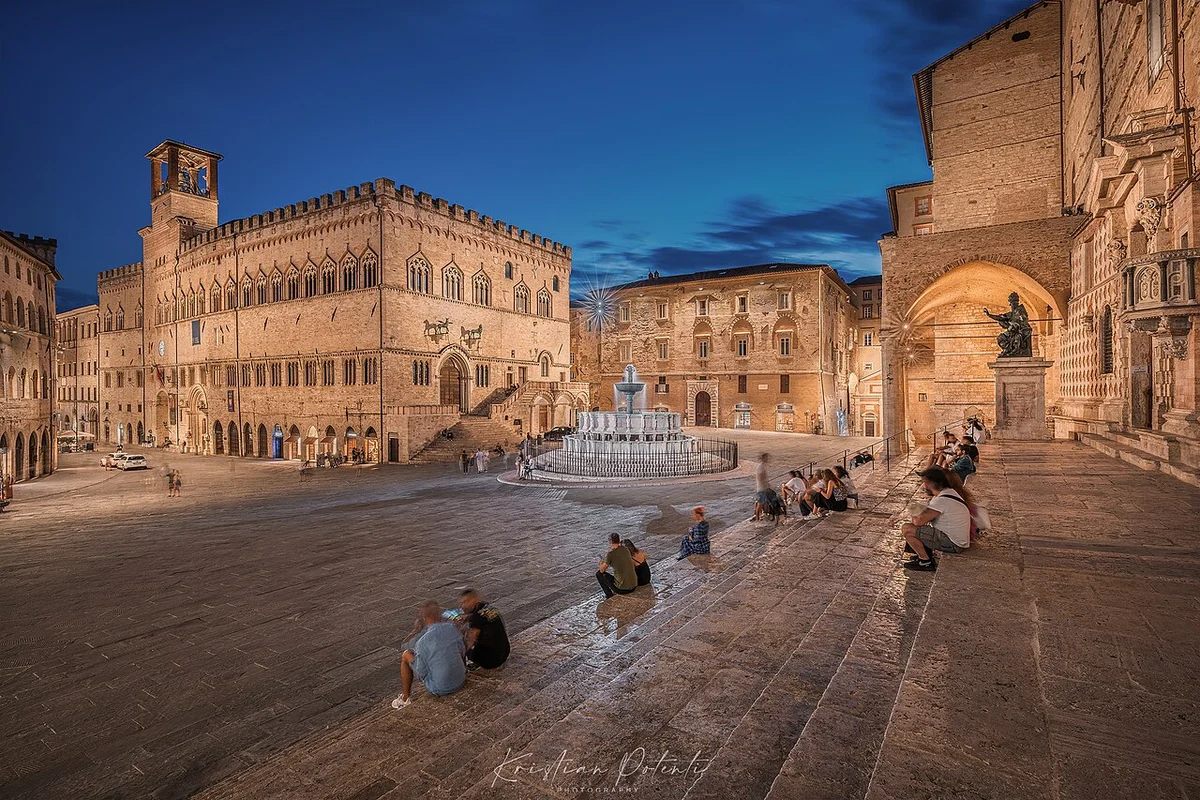
Perugia: The Eurochocolate Chocolate Festival and Umbria's Musical Evenings
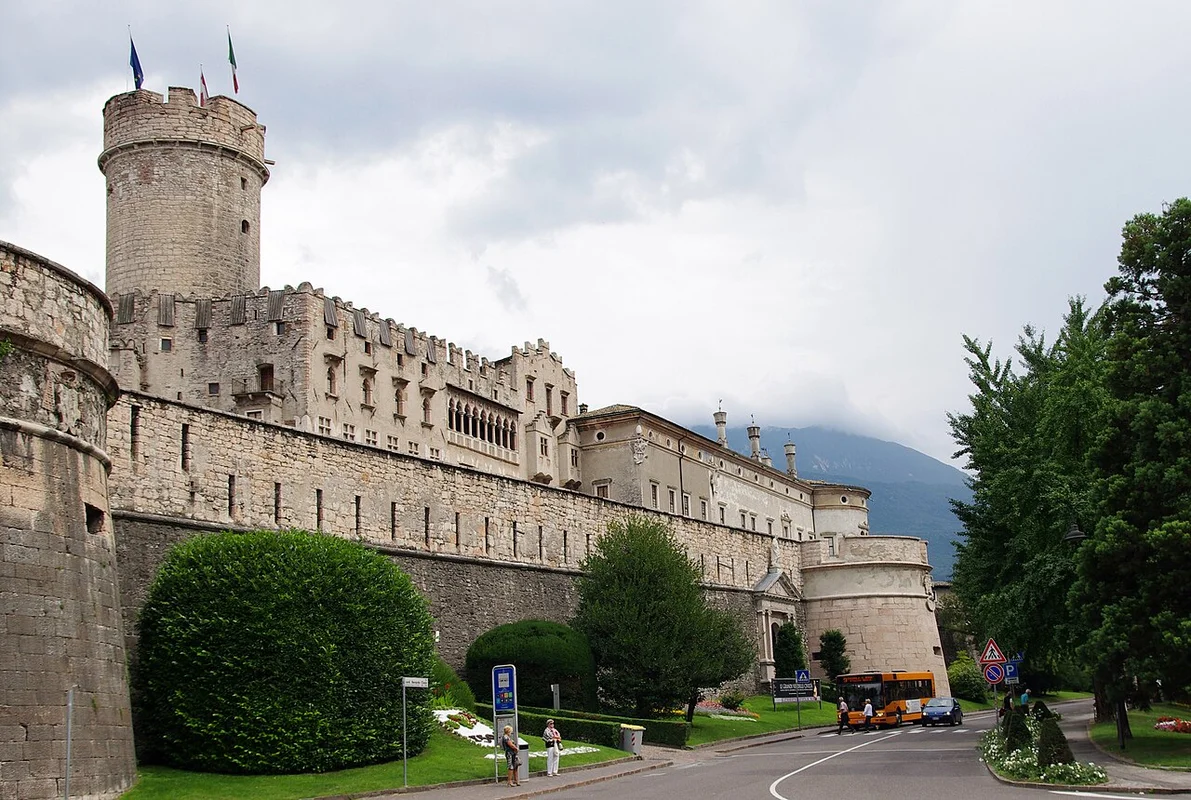
Trentino: The Castle of Bonconsiglio and the tranquil Dolomite villages – a comprehensive guide
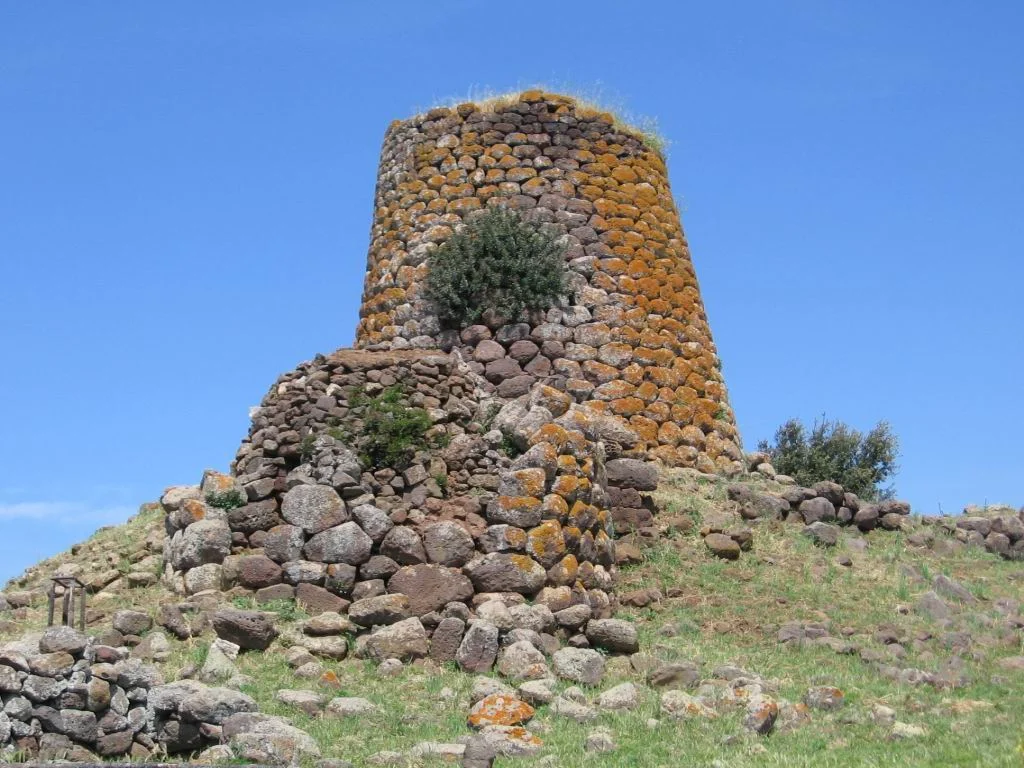
Sardinia: Nuraghi, the Gennarargentu Mountains, and the wild beaches of Ogliastra
More articles:
- Naples in 1 day: from the port through Spaccanapoli to the legendary Marinara pizza
- Perugia: The Eurochocolate Chocolate Festival and Umbria's Musical Evenings
- Trentino: The Castle of Bonconsiglio and the tranquil Dolomite villages – a comprehensive guide
- Sardinia: Nuraghi, the Gennarargentu Mountains, and the wild beaches of Ogliastra
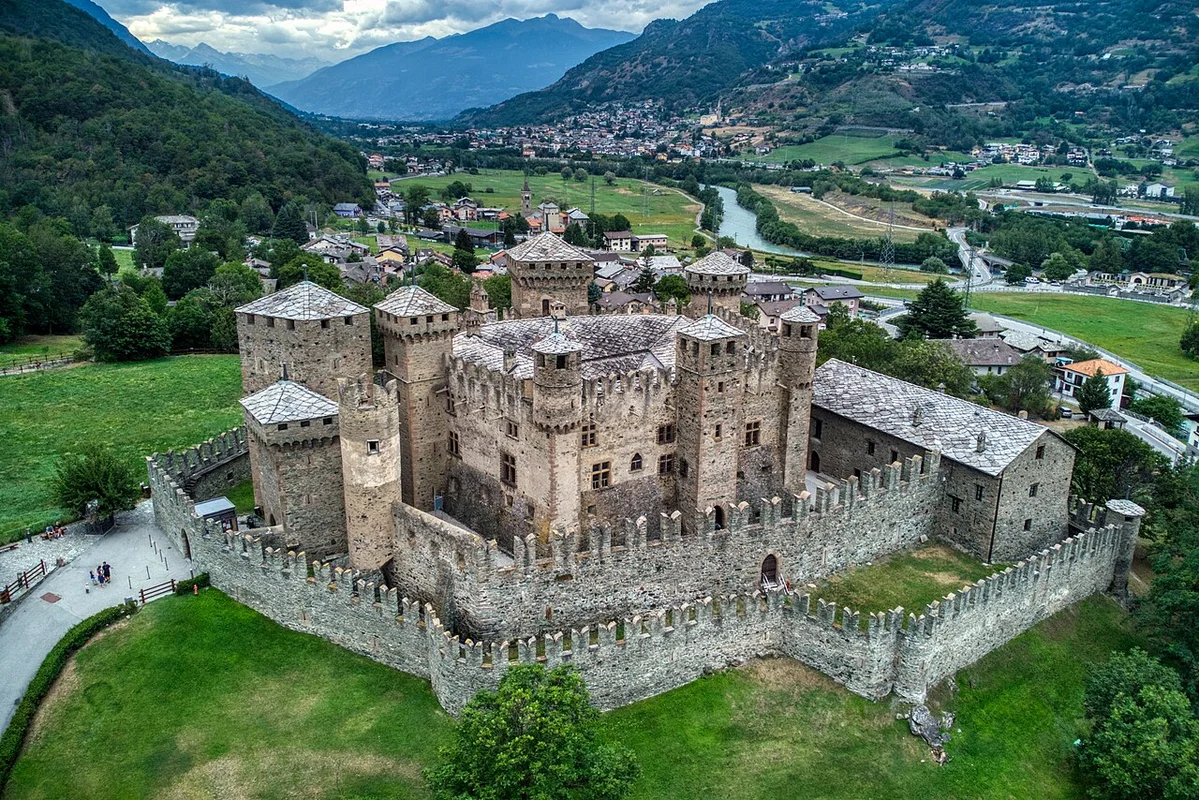 Aosta Valley: Italy's castles against the backdrop of Mont Blanc
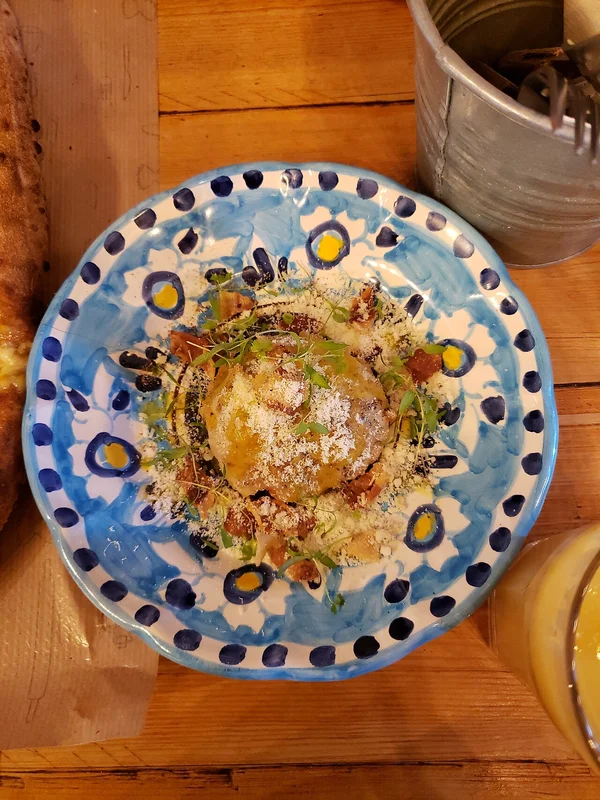 Italian cuisine by region: where to taste authentic carbonara, risotto, and straciatella
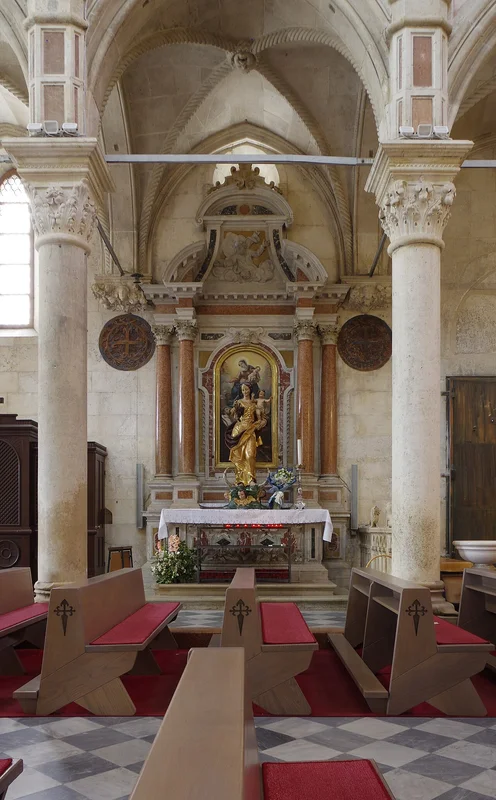 Šibenik and the Cathedral of Saint James: Renaissance along the Adriatic Coast
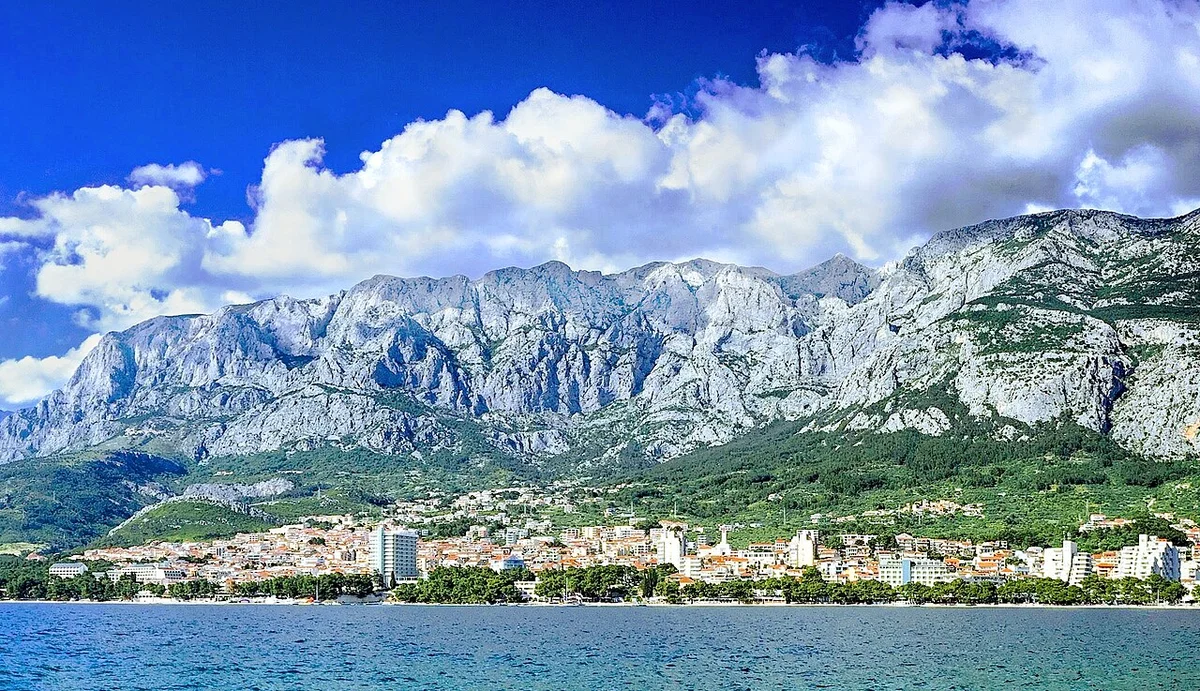 Skypevo Bioovo: a glass platform overlooking the Adriatic Sea at an altitude of 1228 meters