With this material we open a kind of triptych, in which we will talk about the techniques and technologies of the First World War. Why her? This was the first global war, where technology was a major trump card. Most of the technologies used today were actually born during the First World War. Perhaps you will be surprised, but by the summer of 1914 many of the European states still saw their army on horseback and with spears. By the end of the war, many were armed with bombers, chemical weapons, quick-firing cannon, tanks and much more.
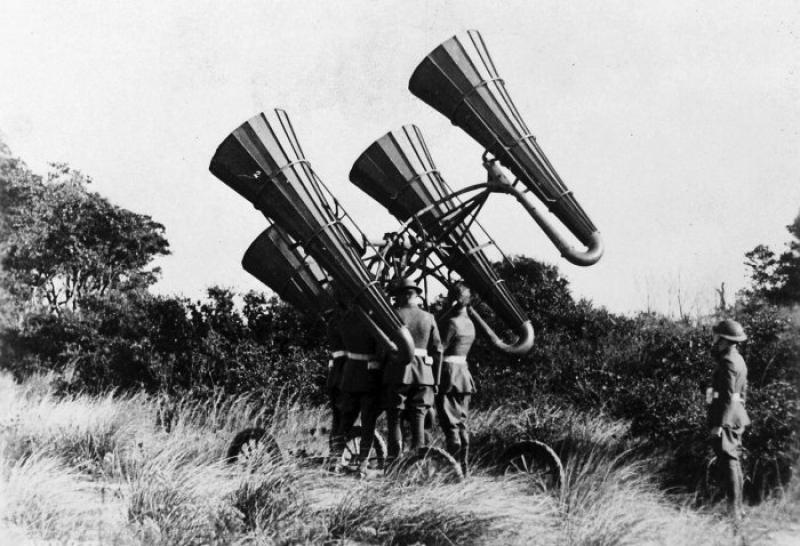
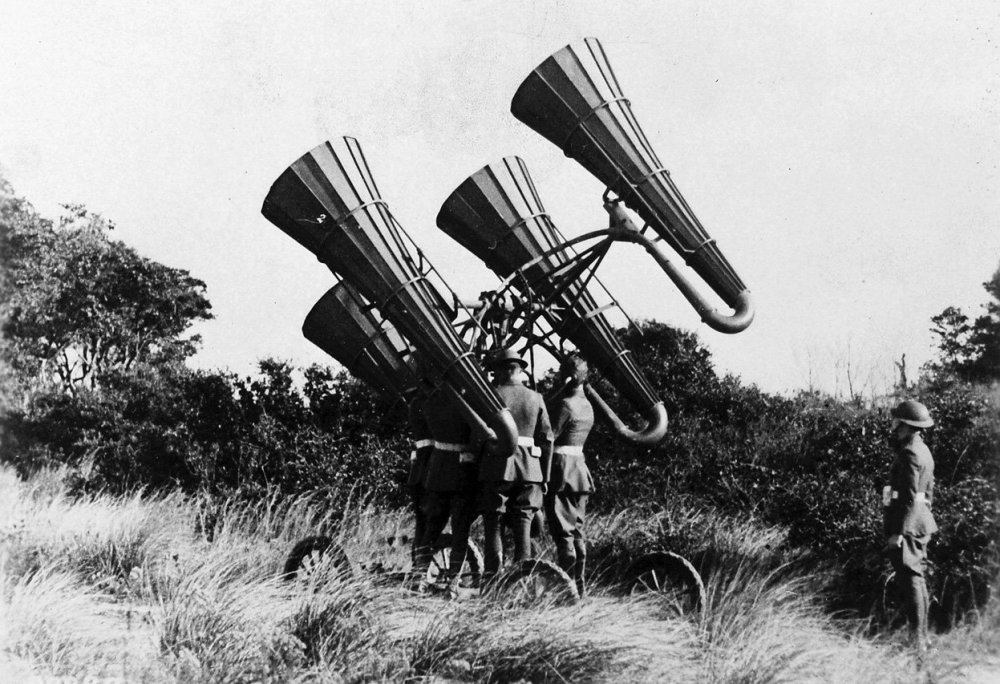
Americans use an acoustic locator on wheels to determine the distance to flying planes. The prototype of the future radar.
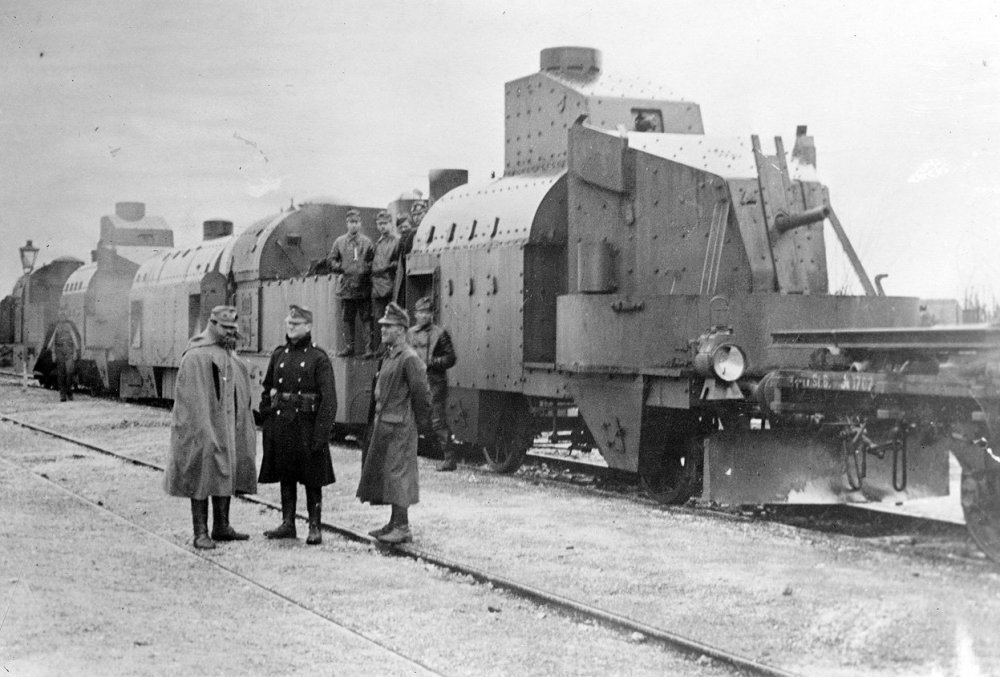
Austrian armored train in Galicia, 1915.
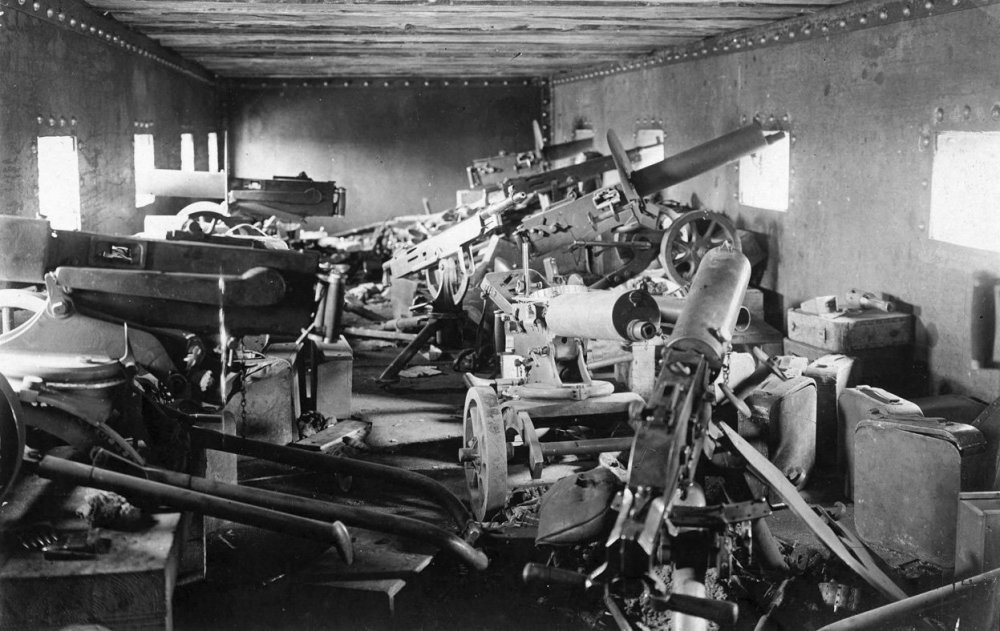
A look inside the armored train, station Chaplino, Dnepropetrovsk region, 1918.
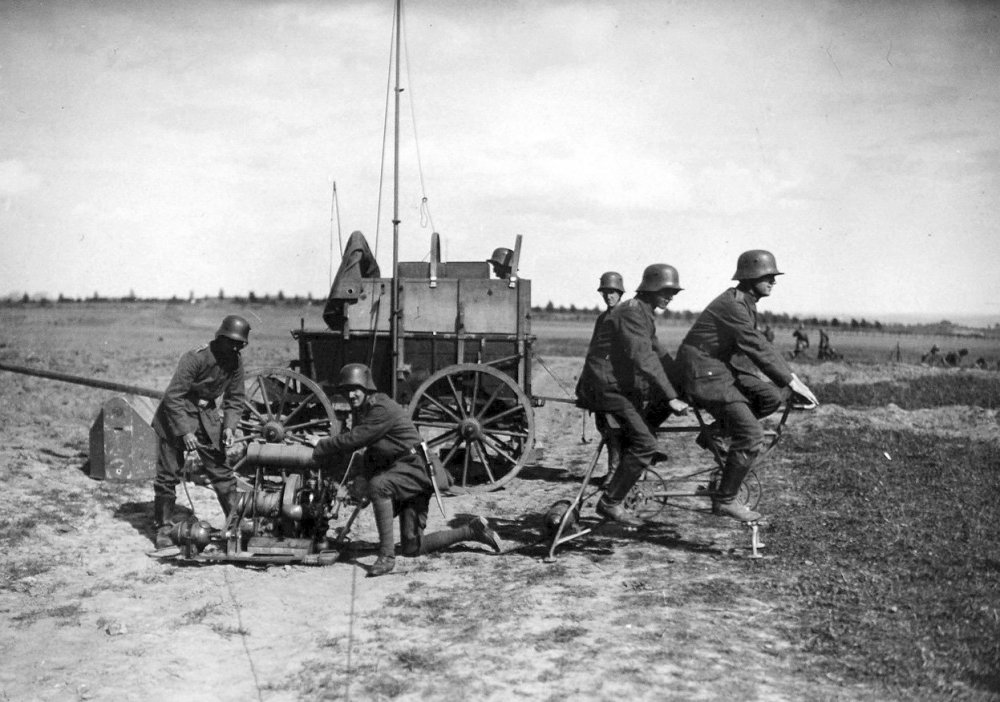
German soldiers with a mobile radio station. With the help of bicycles, they produce the necessary electricity, 1917.
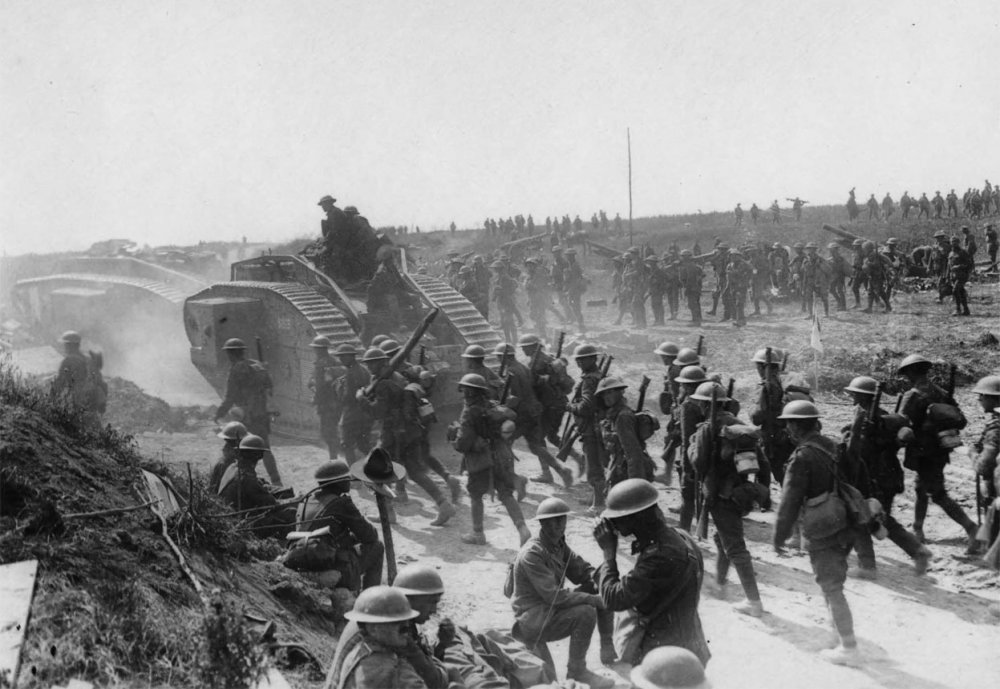
The attack on the French commune Bapom, two tanks and many mortars at the infantry, 1917.
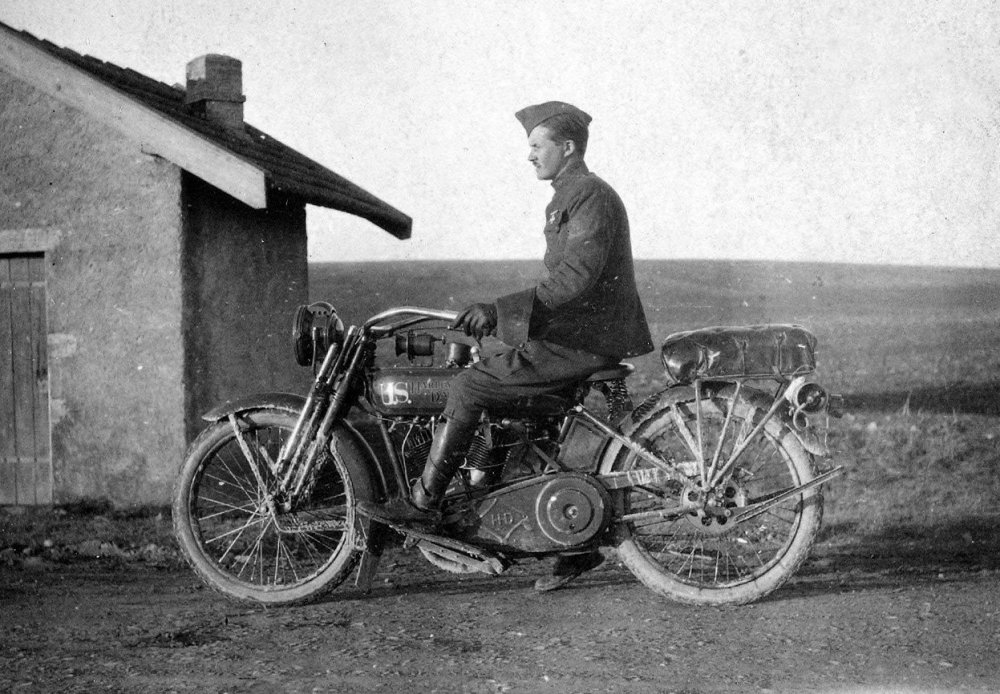
A soldier on an American Harley-Davidson motorcycle. During the First World War, Americans supplied to Europe over 20 thousand motorcycles.
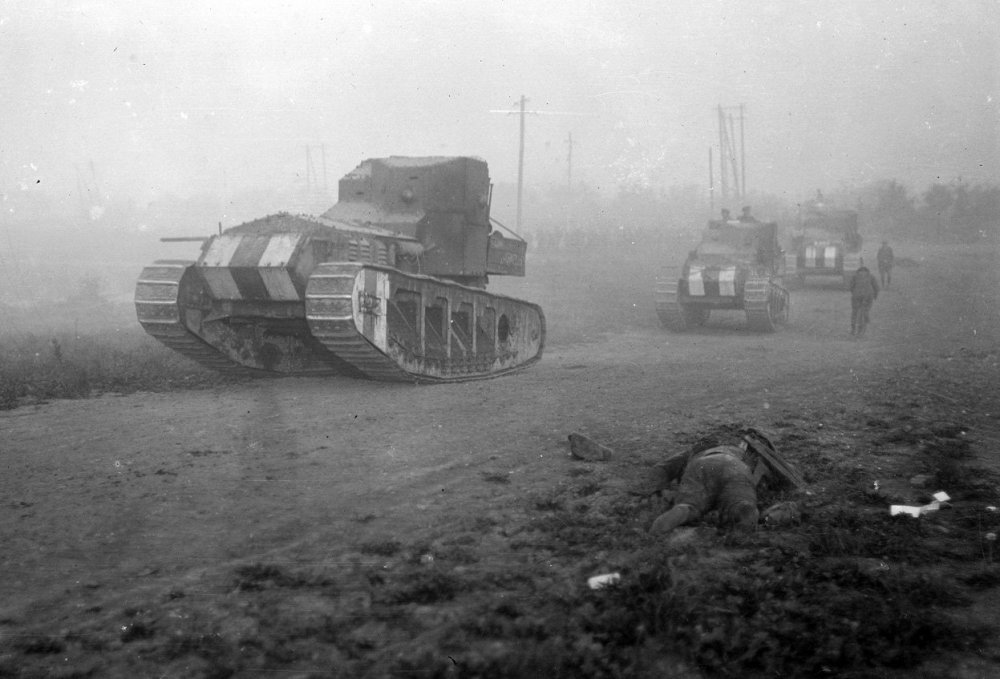
British tanks Medium Mark A Whippet in the vicinity of Ashei-le-Petit, France, August 22, 1918.
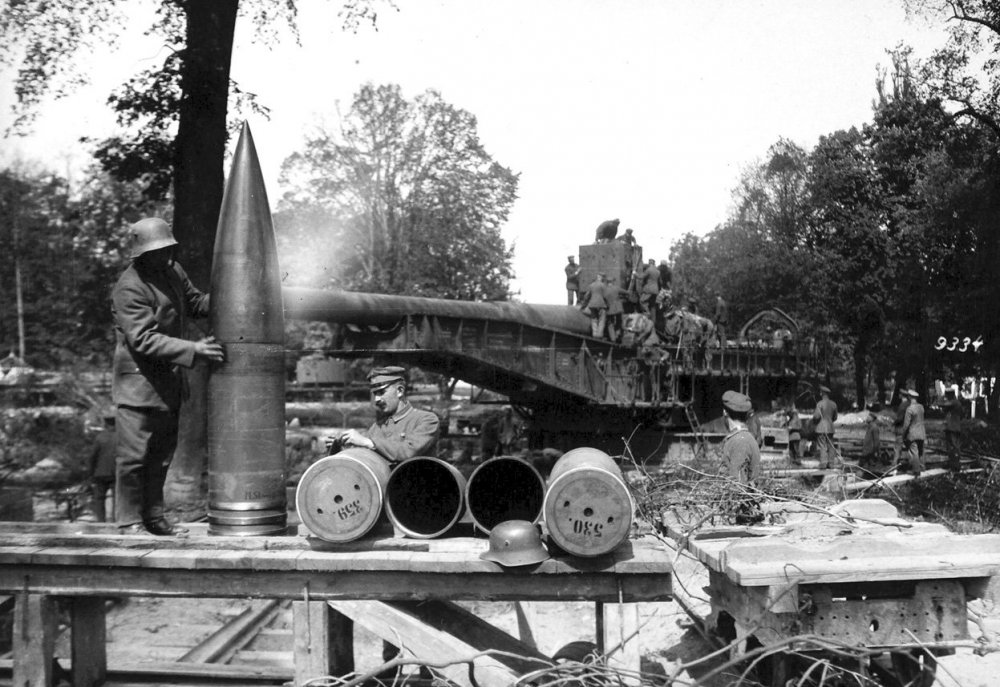
380mm cannon & laquo; Langer Max & raquo; was considered the most powerful weapon of the First World War. She was able to & llquo; deliver & raquo; shells weighing up to 750 kg at a distance of 34 kilometers.
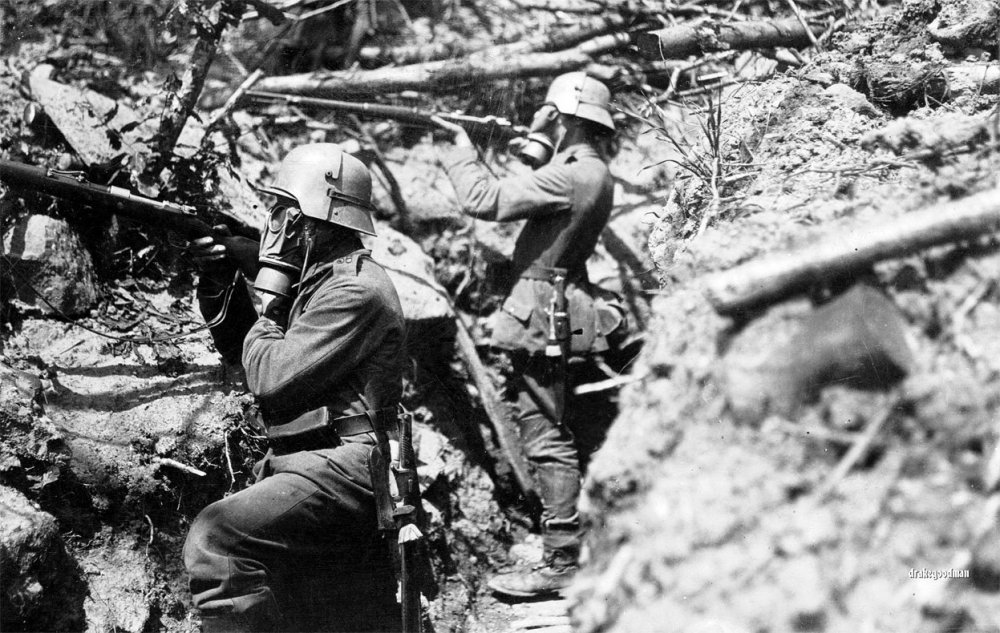
German infantrymen wearing gas masks and nalobniki, to protect them from firing at trenches, 1918.
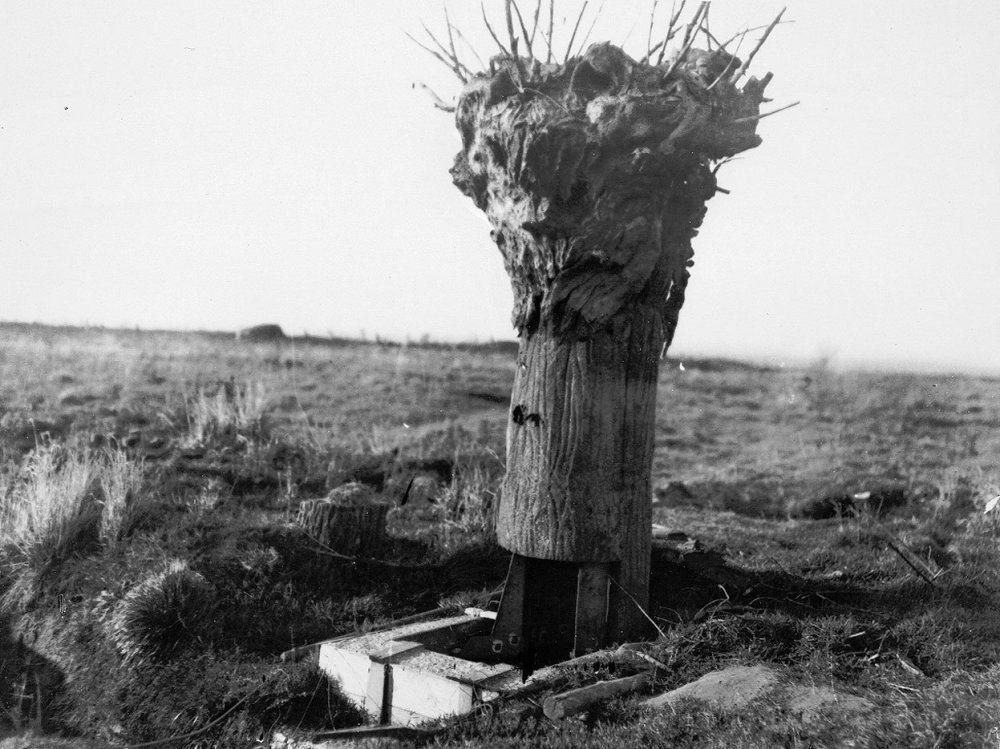
A pseudo tree established by the British military to monitor the enemy.
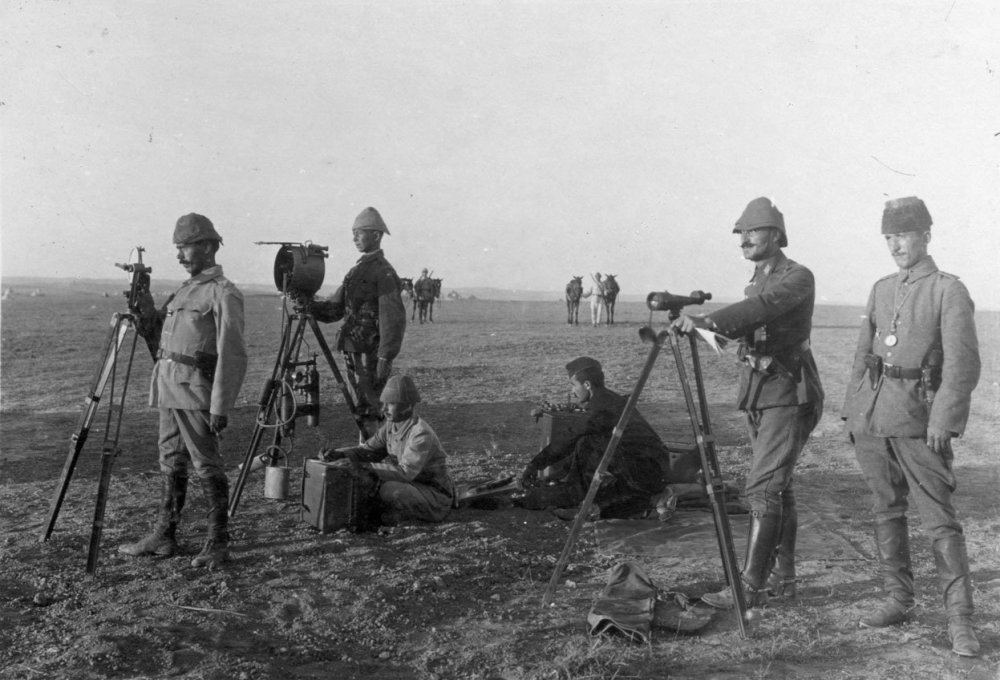
Turkish troops use heliographs & ndash; a communication device called a wireless solar telegraph, 1917.
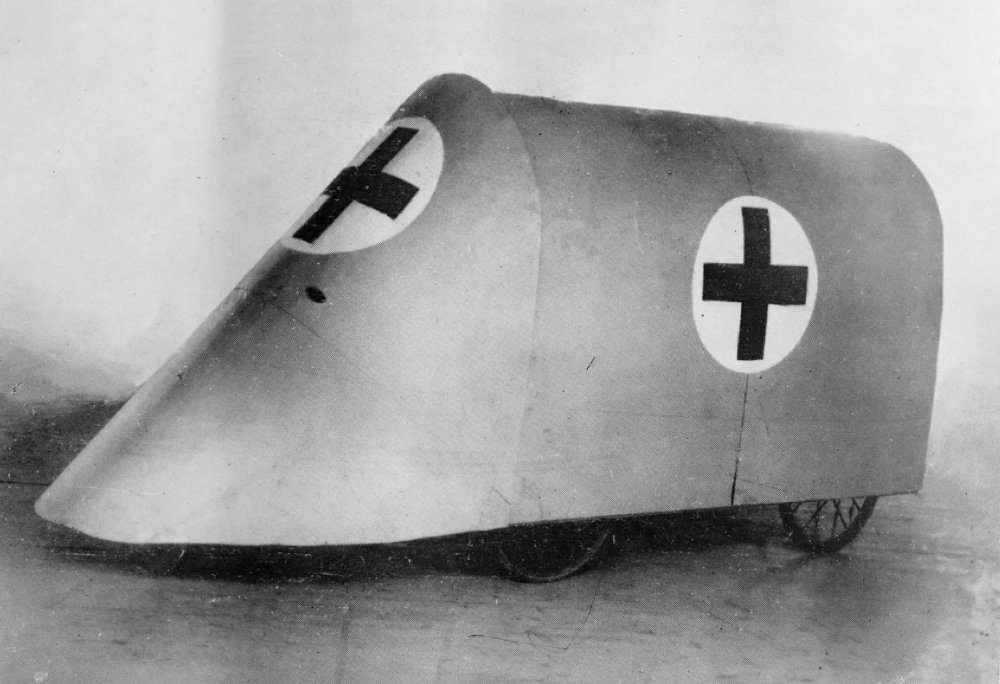
An experimental armored car for doctors who collected the wounded at the front line. Narrow wheels and low ground clearance made thistransport inefficient, in 1915.
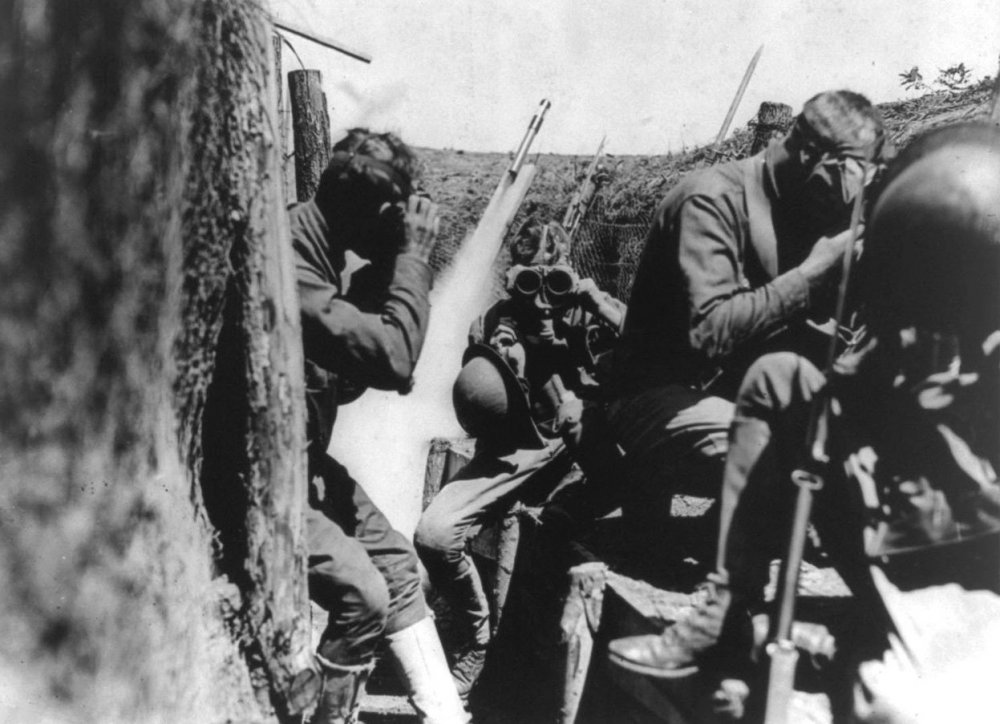
US soldiers hurriedly put on gas masks, in anticipation of a chemical attack. Signal rockets and gongs warned of a possible danger.
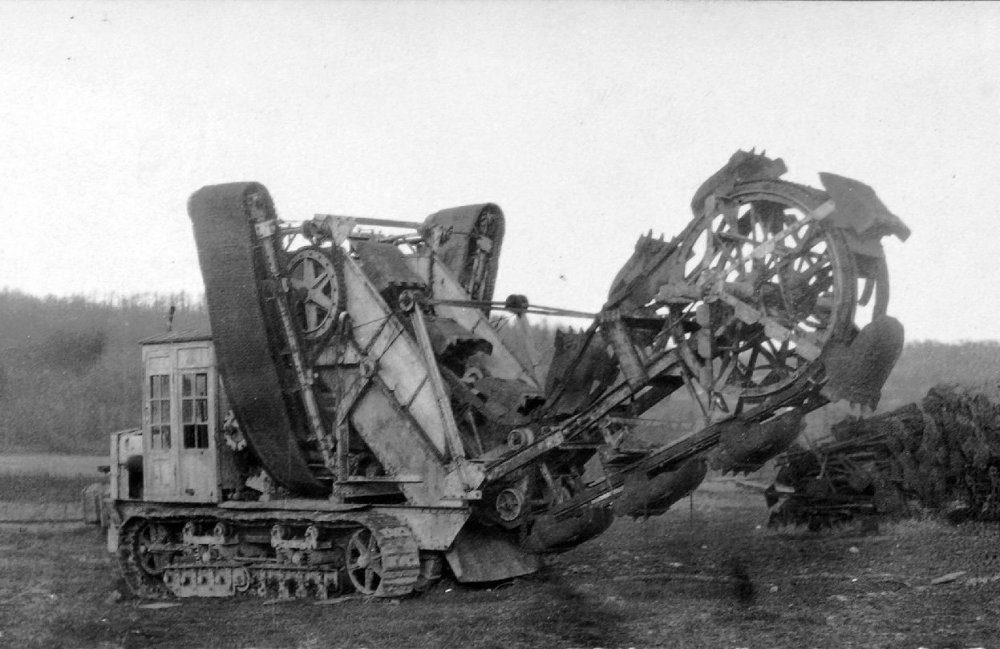
Abandoned German excavator, digging trenches. Most of the trenches in the First World War were dug by hand, but there were some that were created by the machinery.
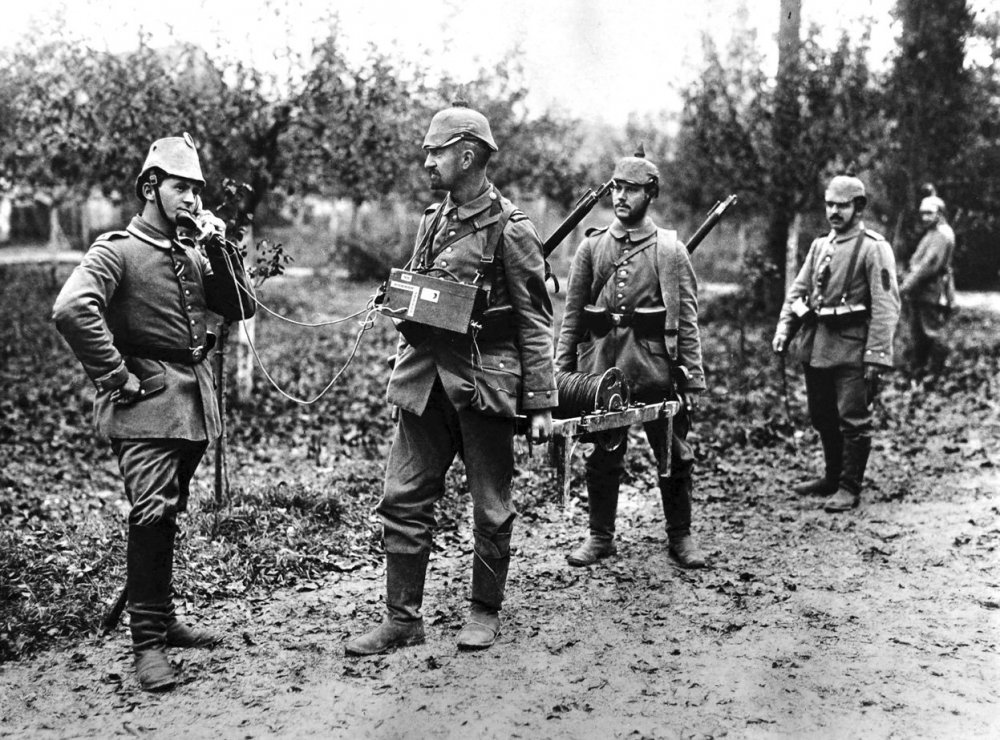
A German officer holds a corded wire telephone, while the other two hold a coil with a cable in his hand.
See continuation tomorrow.