First World War technologies (part one)
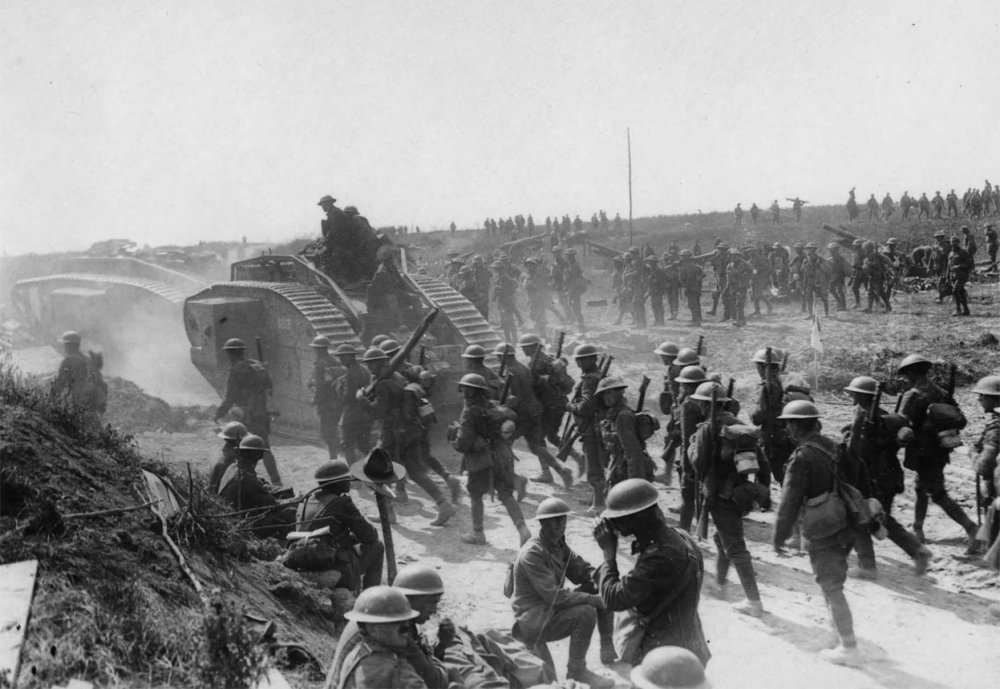
With this material we open a kind of triptych, in which we will talk about the techniques and technologies of the First World War. Why her? This was the first global war, where technology was a major trump card. Most of the technologies used today were actually born during the First World War. Perhaps you will be surprised, but by the summer of 1914 many of the European states still saw their army on horseback and with spears. By the end of the war, many were armed with bombers, chemical weapons, quick-firing cannon, tanks and much more.
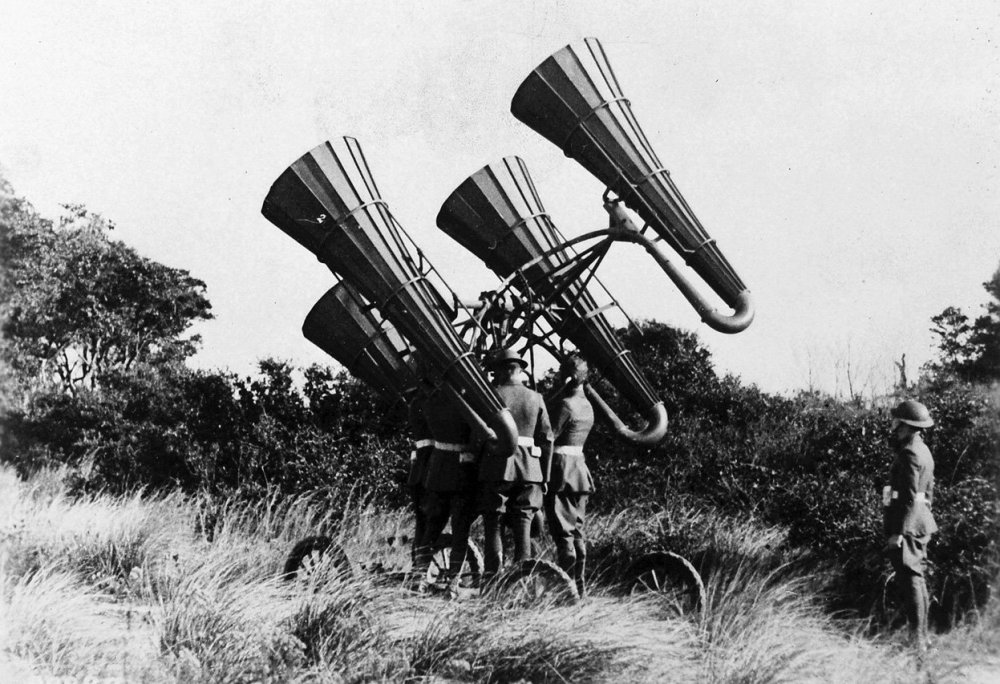
Americans use an acoustic locator on wheels to determine the distance to flying planes. The prototype of the future radar.
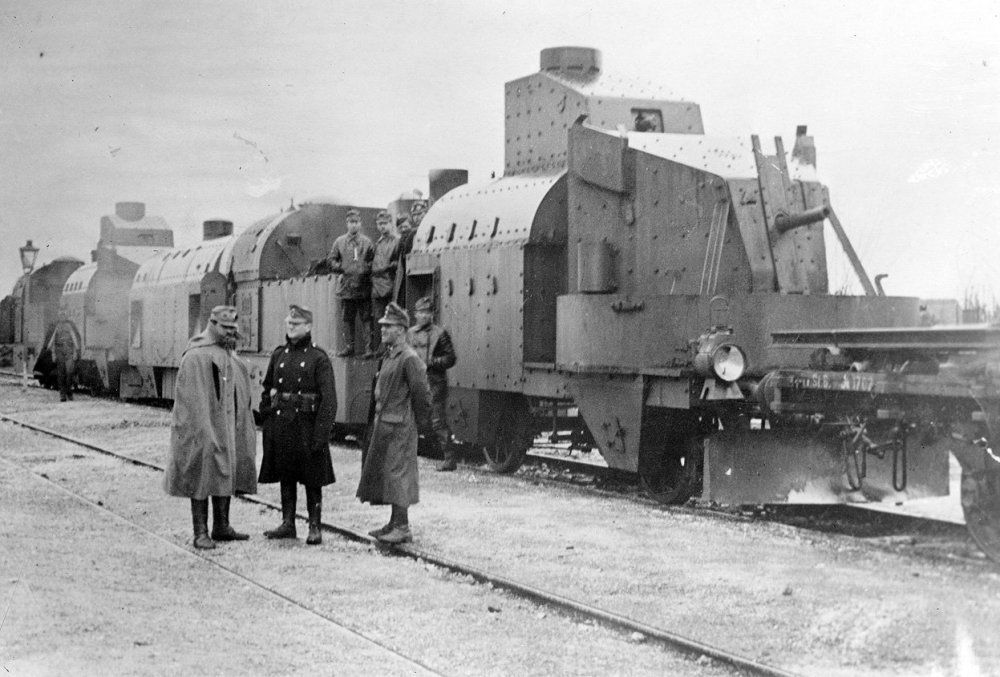
Austrian armored train in Galicia, 1915.
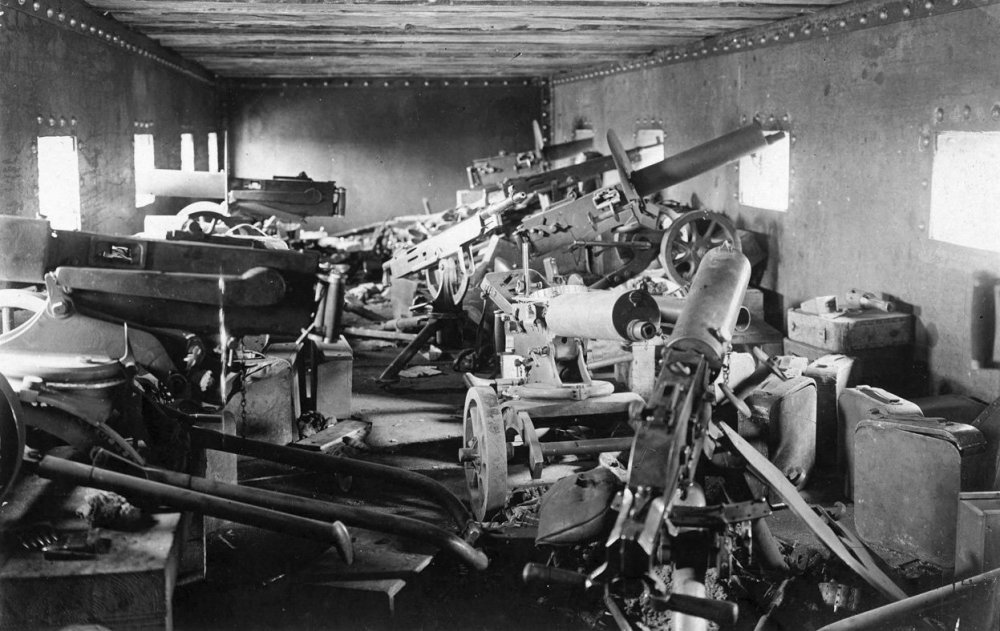
A look inside the armored train, station Chaplino, Dnepropetrovsk region, 1918.
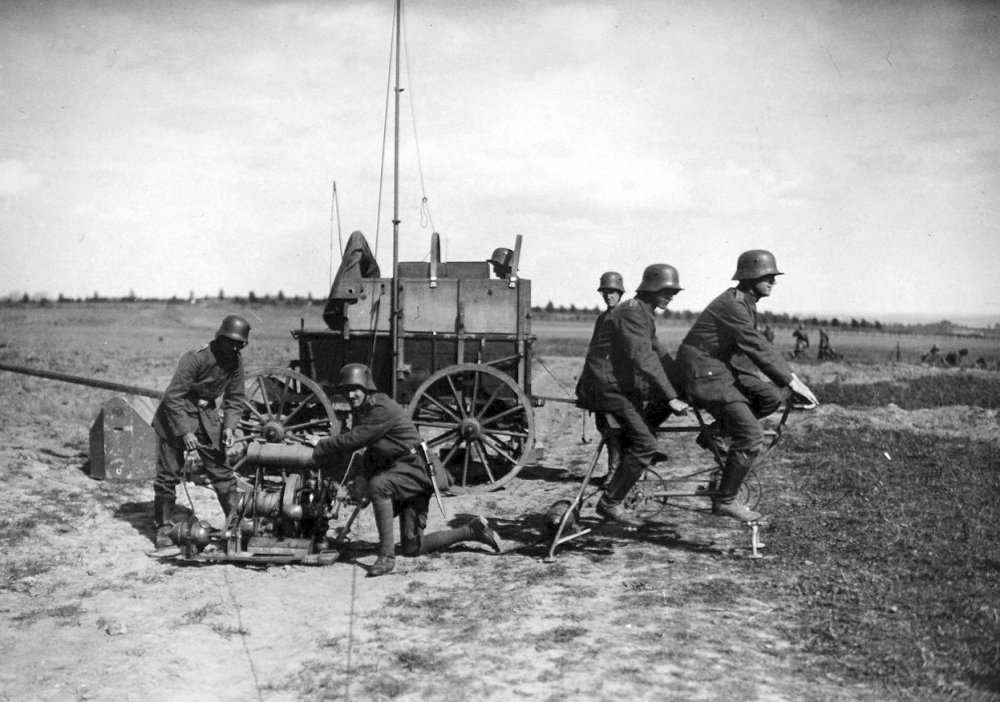
German soldiers with a mobile radio station. With the help of bicycles, they produce the necessary electricity, 1917.
The attack on the French commune Bapom, two tanks and many mortars at the infantry, 1917.
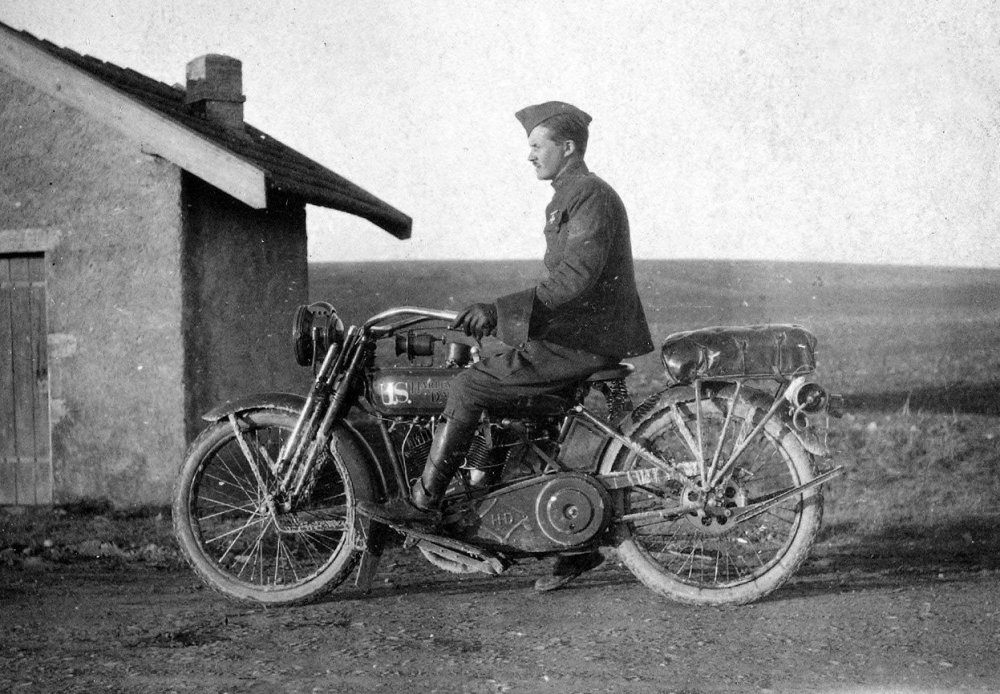
A soldier on an American Harley-Davidson motorcycle. During the First World War, Americans supplied to Europe over 20 thousand motorcycles.
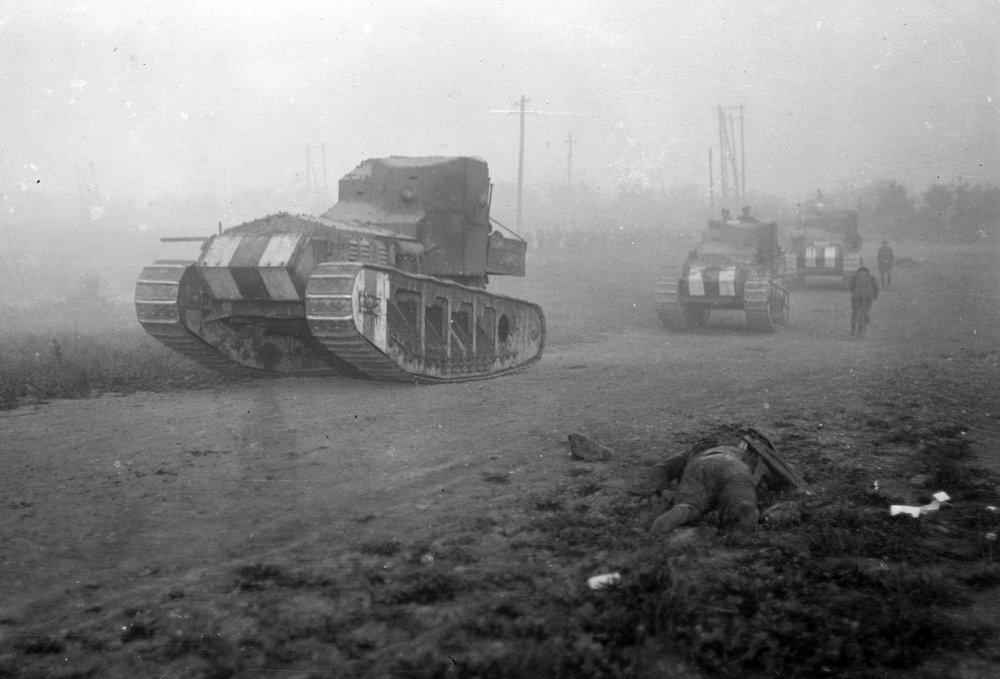
British tanks Medium Mark A Whippet in the vicinity of Ashei-le-Petit, France, August 22, 1918.
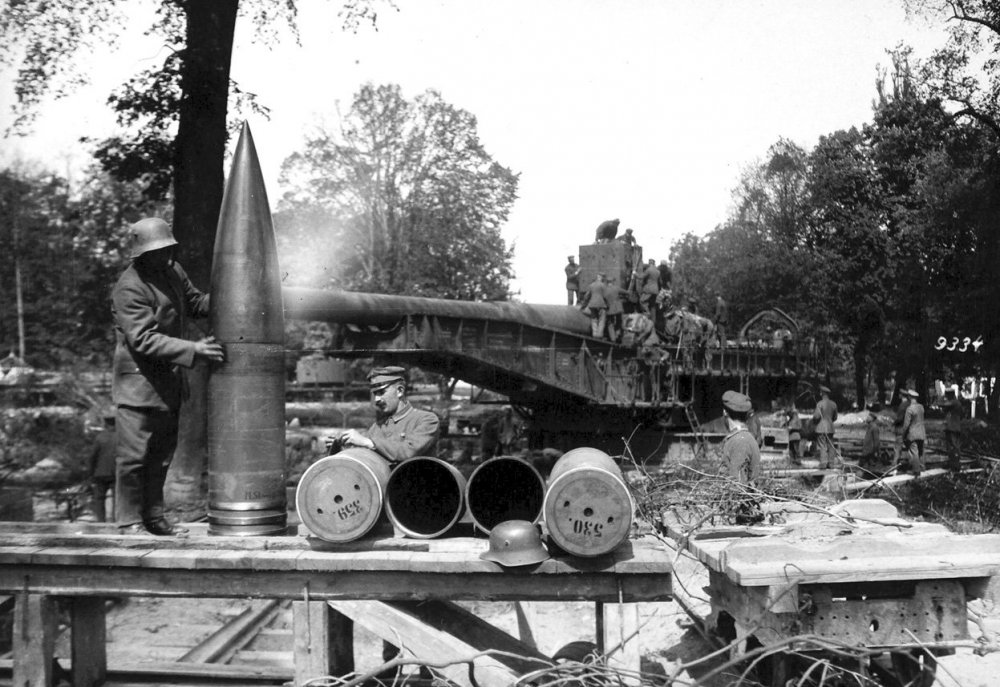
380mm cannon & laquo; Langer Max & raquo; was considered the most powerful weapon of the First World War. She was able to & llquo; deliver & raquo; shells weighing up to 750 kg at a distance of 34 kilometers.
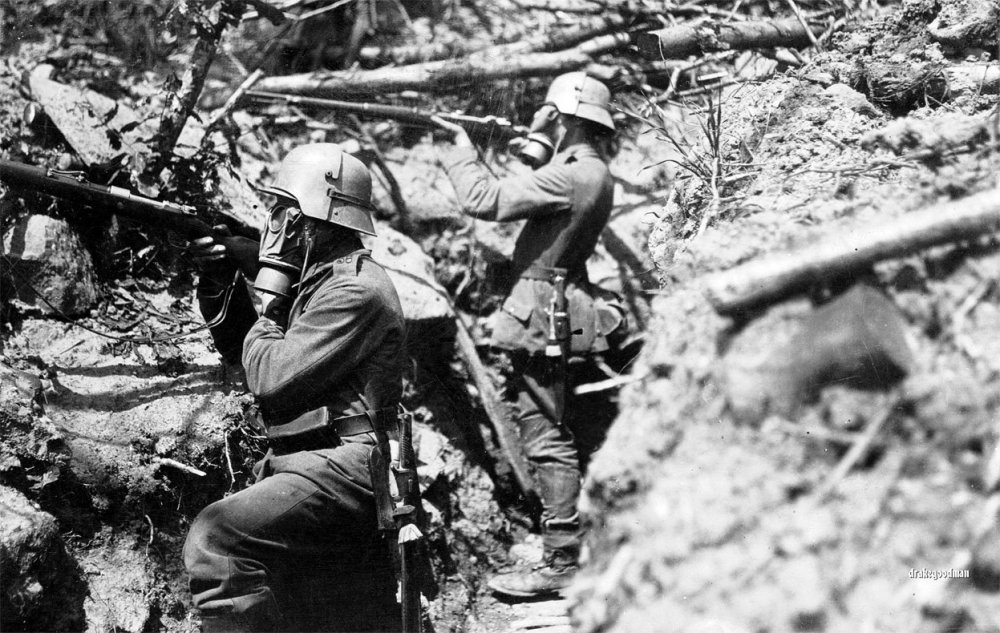
German infantrymen wearing gas masks and nalobniki, to protect them from firing at trenches, 1918.
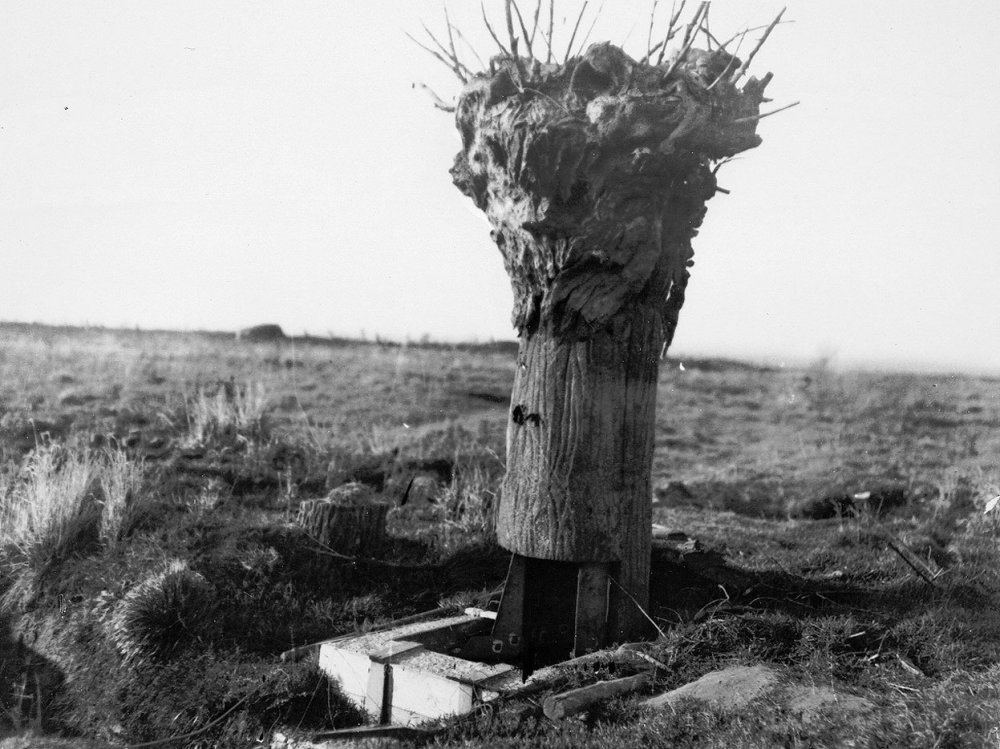
A pseudo tree established by the British military to monitor the enemy.
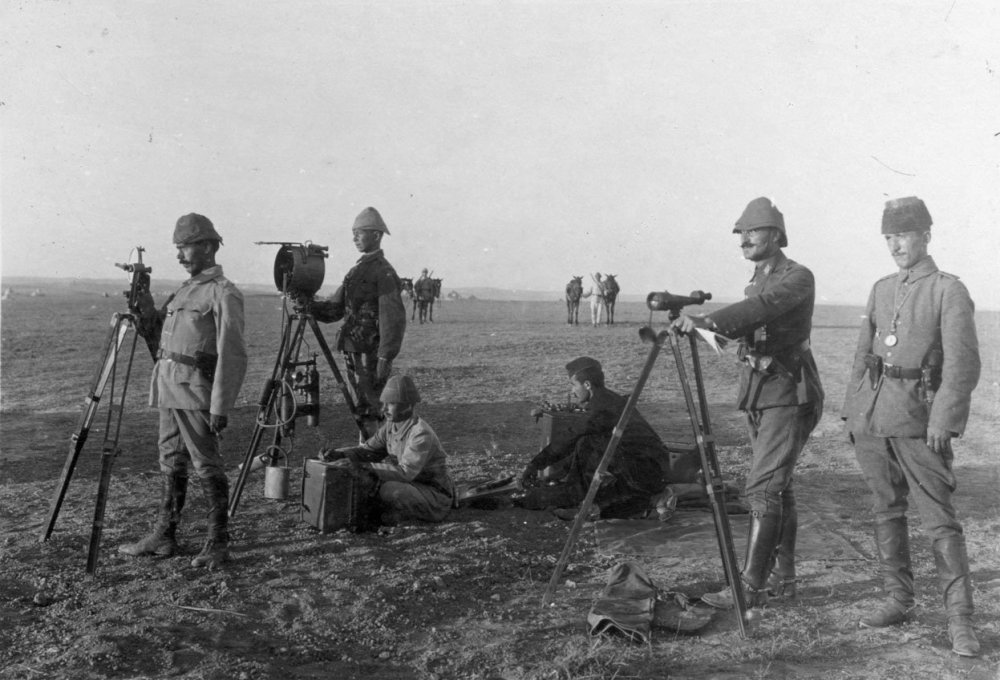
Turkish troops use heliographs & ndash; a communication device called a wireless solar telegraph, 1917.
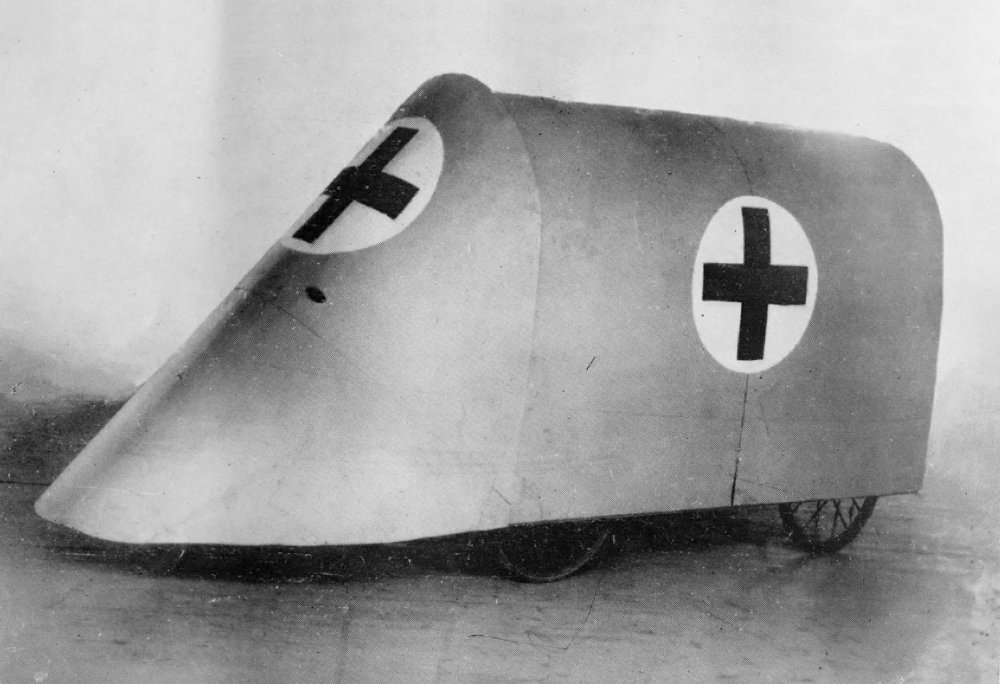
An experimental armored car for doctors who collected the wounded at the front line. Narrow wheels and low ground clearance made thistransport inefficient, in 1915.
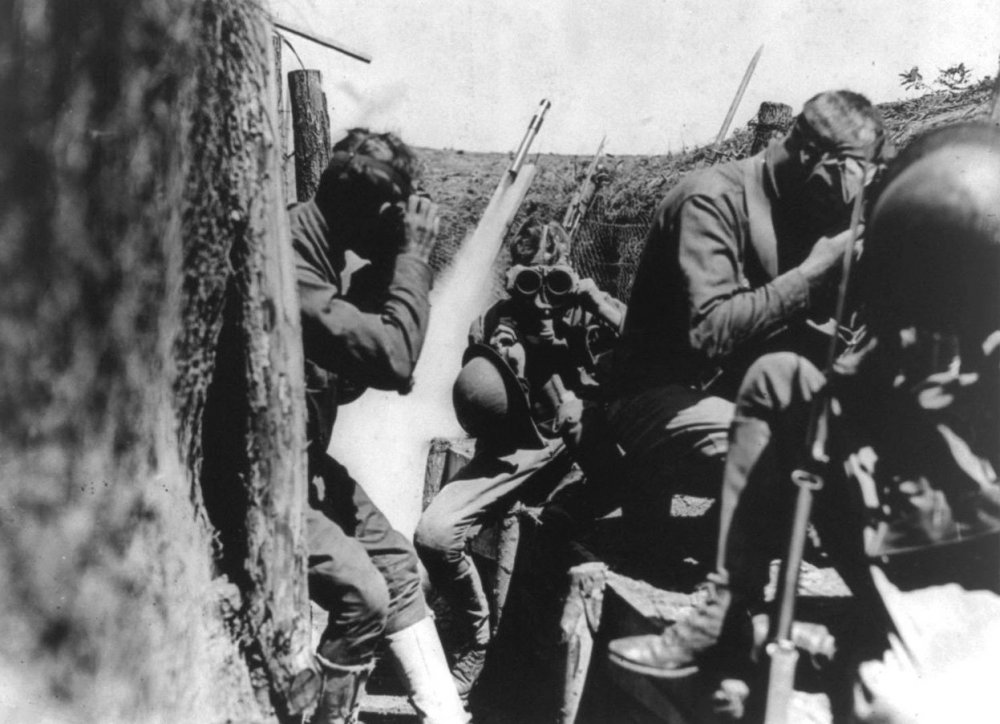
US soldiers hurriedly put on gas masks, in anticipation of a chemical attack. Signal rockets and gongs warned of a possible danger.
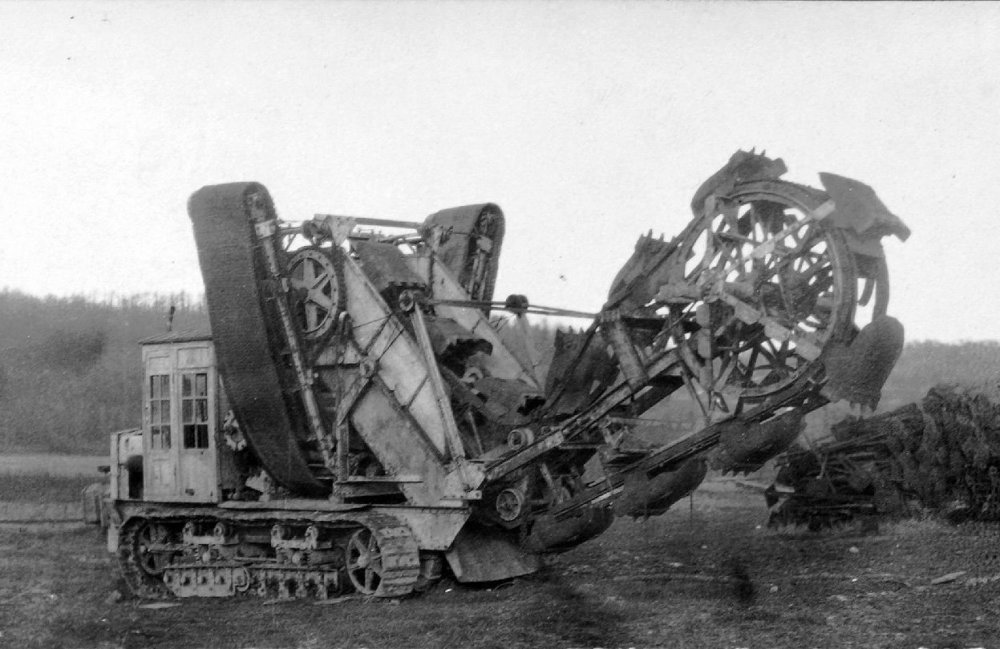
Abandoned German excavator, digging trenches. Most of the trenches in the First World War were dug by hand, but there were some that were created by the machinery.
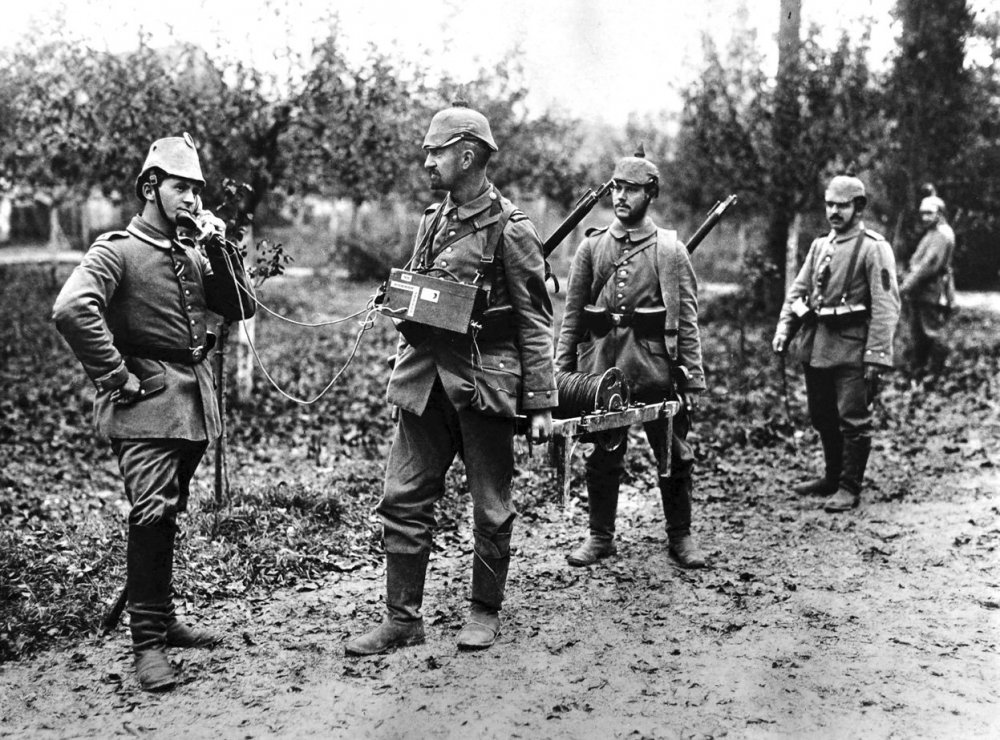
A German officer holds a corded wire telephone, while the other two hold a coil with a cable in his hand.
See continuation tomorrow.
Most of the technologies that are still in use today actually originated during World War I. You might be surprised to learn that by the summer of 1914, many European countries were still relying on armies equipped with horses and spears. By the end of the war, however, many nations had begun using bombers, chemical weapons, rapid-fire guns, tanks, and much more.
Americans employed acoustic radar systems mounted on wheels to determine the distance to flying aircraft—this was the precursor to modern radar technology.
Austrian armored train in Galicia, 1915.
View from inside the armored train, Chaplino station, Dnipropetrovsk Oblast, 1918.
German soldiers using a portable radio station; they generated electricity using bicycles, 1917.
Attack on the French town of Bapom; two tanks and numerous mortars were used by the infantry, 1917.
Soldier on an American Harley-Davidson motorcycle; during World War I, the United States supplied over 20,000 motorcycles to Europe.
British Medium Mark A Whippet tanks in the vicinity of Asseile-Petit, France, on August 22, 1918.
The 380-millimeter “Langer Max” gun was considered the most powerful weapon in World War I. It was capable of firing projectiles weighing up to 750 kilograms over distances of up to 34 kilometers.
German infantry wearing gas masks and headgear for protection against trench warfare fire, 1918.
A dummy tree set up by British troops for observing the enemy.
Turkish troops using heliographs—a communication device known as a wireless solar telegraph, 1917.
An experimental armored vehicle designed for medics to carry wounded soldiers on the front line. Its narrow wheels and low ground clearance made it inefficient, 1915.
American soldiers hurriedly putting on gas masks in anticipation of a chemical attack. Signal rockets and bells served as warnings of potential danger.
A German officer holds a handheld telephone, while two others carry coils of cable.
Watch the continuation tomorrow.
Find the Best Professionals for Your Project
Expert repair, construction, and renovation specialists ready to help you right now
Recommended articles
Easter craft

Sarah Sampaio in the summer collection of swimsuits Calzedonia Portugal's top model Sara Sampaio (Sara Sampaio), has already collaborated with a trademark that is known all over the world for her swimwear. This time, the girl advertises to us the new summer collection of the brand.</p></p><p><p><img
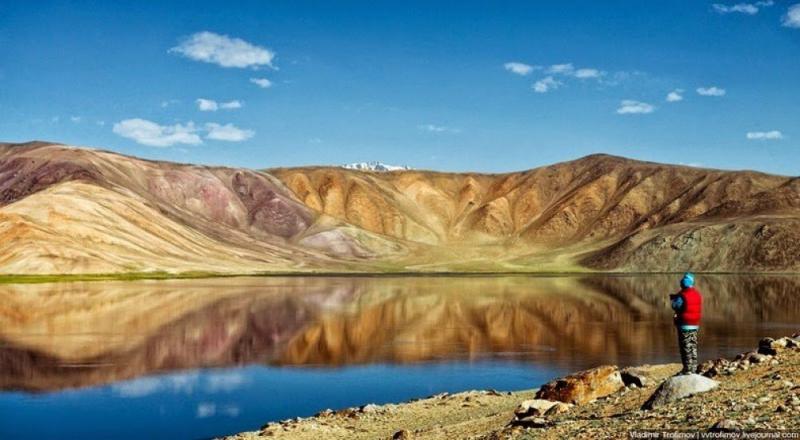
Lake Karakul

Spring Rampage of the Earth
More articles:
- Easter craft
- Sarah Sampaio in the summer collection of swimsuits Calzedonia Portugal's top model Sara Sampaio (Sara Sampaio), has already collaborated with a trademark that is known all over the world for her swimwear. This time, the girl advertises to us the new summer collection of the brand.</p></p><p><p><img
- Lake Karakul
- Spring Rampage of the Earth
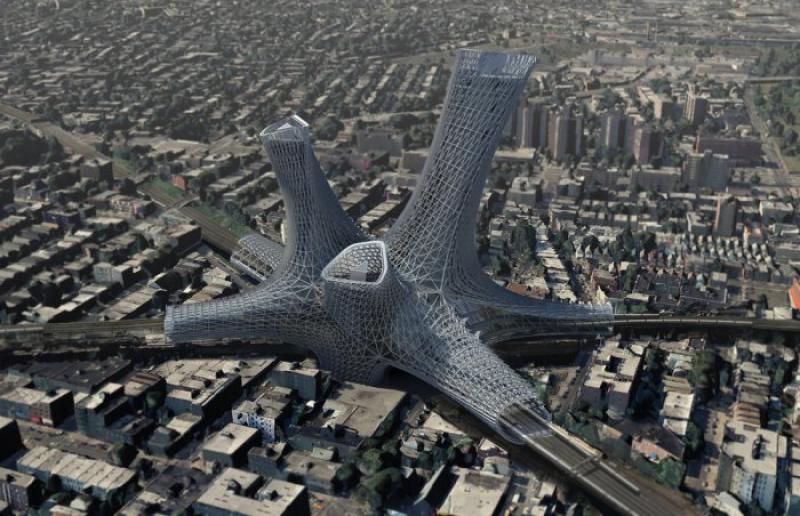 Urban Alloy mobile transport tower
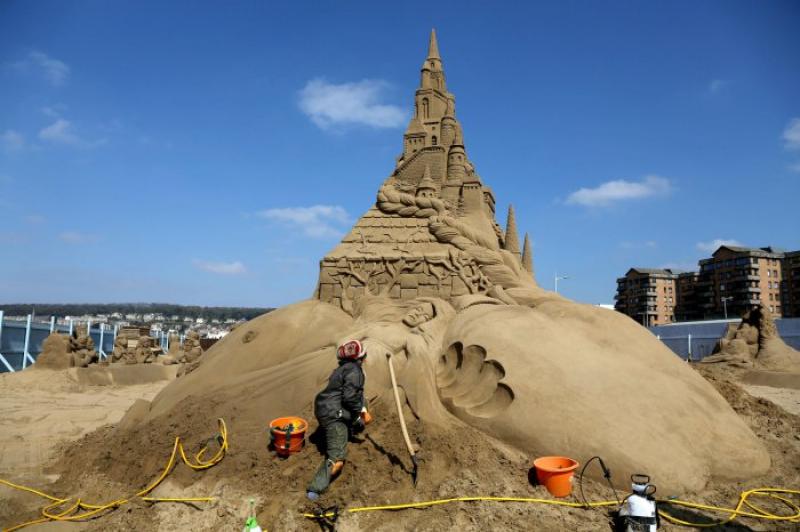 Sand sculpture festival in the UK
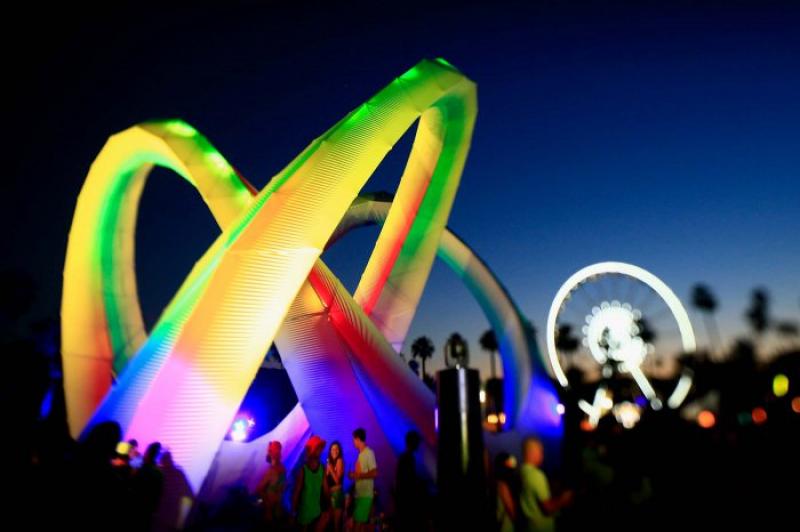 Music festival Coachella 2014
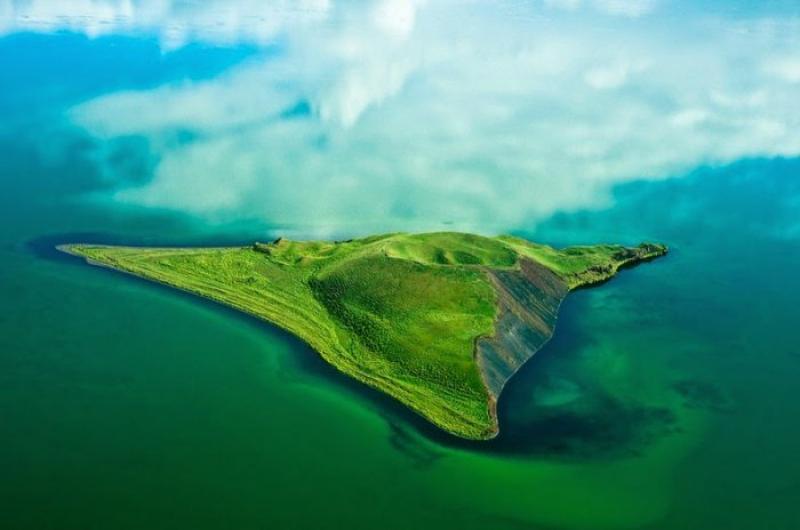 Icelandic pseudo-craters