Pinhão: a castle above the Coa Valley and a route through medieval border fortresses.
When you stand at the walls of Pinhel Castle
Why Pinhel Matters Now
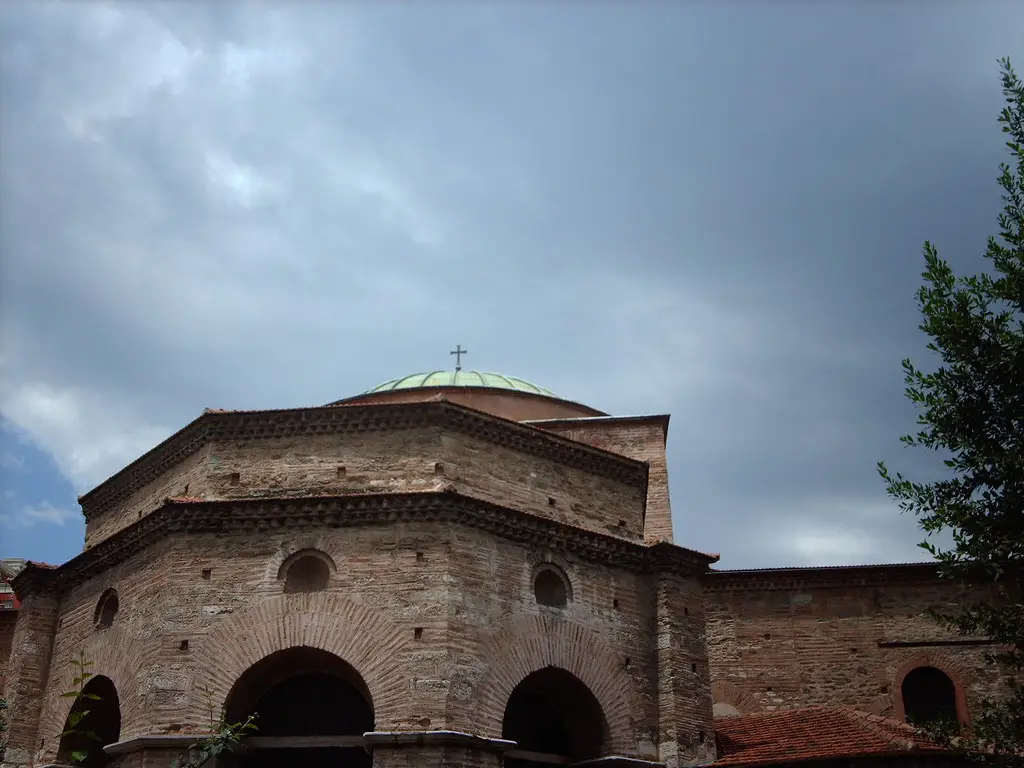
Pinhel Castle is experiencing a second birth. After restoration in the 2010s, a museum was opened here, and the town itself was designated as a priority cultural route. If you are interested in medieval military architecture, this place will broaden your perspective. There is no romance in the castles here like in fairy tales — only calculation, geometry, and survival.
Few people know that the Castle of Pinhel was part of a unique defense system called the “Line of Royal Castles” (Síntura de Castelos Reais). Over 50 fortifications were built along the Portuguese-Castilian border, and most of them still stand today. Some are abandoned, while others have been restored, but all together they form a necklace of medieval fortifications.
Fun fact: The Coa Valley is one of Europe’s most biodiverse river systems. Endemic fish species listed in the Red Book live in the same waters that were once crossed by Castilian troops. UNESCO recognized the entire Coa Valley complex as a World Heritage site not only for its fortresses but also for its Paleolithic rock paintings, which are over 20,000 years old.
Castle of Pinhel: What to See Inside

The entrance fee to the castle
The exhibition is divided into three levels. On the first level are artifacts from excavations: pottery, coins, and arrowheads. On the second level are interactive models that show what the border looked like during the 13th–15th centuries. On the third level is an observation platform from which almost the entire Koa Valley and nearby fortified villages can be seen.
Few people know that beneath the ruins of the castle lies an underground passage leading to the Koa River. This was a route used to supply the garrison with water during sieges. Until 2015, the passage was flooded and inaccessible, but after the water was drained, fragments of 15th-century pottery were discovered there—remnants of the final defensive operation before the castle surrendered.
Route through Border Fortresses: 3 Days on the Medieval Frontier


Pinheiro is the starting point. From here, you can plan a route through other fortifications in the Coa Valley. The distances are short: most fortresses are 15–40 km apart by road.
Day 1: Pinheiro – Almeida (40 km, 45 minutes by car) Almeida
Day 2: Almeida — Monforte da Beira (38 km, 50 minutes) Monforte da Beira
Day 3: Pinhão – Castelo Rodrigo (25 km, 35 minutes) Castelo Rodrigo
Fun fact: Portugal’s chain of border castles was one of the first examples of a comprehensive defensive system in Europe. Each castle could see two or three neighboring fortifications. In case of fire or an alarm signal (later, a bell ring), information about an invasion could be transmitted along the border within hours. This was the medieval internet.
Food in Pinhão and surrounding areas

The town is tourist-oriented but not overcrowded. The local cuisine is based on hunting, fish from Coa, and corn. The main restaurant is “O Castelo”
An alternative is the hospitality of local residents. The town has a network of home guesthouses (4–6 EUR for breakfast if you stay overnight). There is a bulletin board at the museum entrance with the contacts of the hosts. Breakfast usually includes fresh bread, jam, goat cheese, and milk.
Few people know that a rare variety of wild pomegranate (Runіса grаnаtum subsр. nаnа) grows around Pinhão. Locals make jam from it, which is sold in markets. If you visit in September or October, you can buy a jar for 7–9 EUR. This is not a tourist souvenir — it’s an authentic medieval delicacy.
Practical information: how to get there, prices, best time
Pinhão is 220 km from Lisbon and 140 km from Porto. By car, it takes 2.5–3 hours from Lisbon via the A25 and A6 highways. Public transportation is limited: the Redе Ехrrеssоs bus departs from Lisbon once a day (departure at 8:00, arrival at 11:30), returning at 16:00. The round-trip ticket costs 32 EUR. Renting a car is recommended (25–35 EUR per day through Nеrtz or Sіхt at Porto airport).
Accommodation in Pinhão is inexpensive. The three-star hotel “Rosa da Vera Interior” costs 70 EUR for a double room with breakfast (a buffet breakfast featuring local cheese, honey, and eggs). Smaller guesthouses cost 45–55 EUR. Camping by the Coa River (Samorino Sortelha) is 20 EUR per site with a tent.
Best time to visit: May–June and September–October. It’s hot in summer (July–August, 35–38°C), and there are more tourists. Winter (December–February) is cold and damp, but the roads are passable. In spring, the Coa Valley blooms with wild flowers, creating a visually unforgettable scene.
Interesting fact: There are no McDonald’s or similar chains in Pinhão. It’s a place where tourism meets authenticity. The town deliberately avoids large chains to preserve its medieval character. This decision is supported by the municipality and UNESCO.
Hiking and cycling routes

A footpath leads from Pínhel Castle to the Coa River (4 km one way, 1.5 hours, easy level). The path descends a rocky slope, parallel to an old road from the 14th century. Swimming is possible on the riverbank (the water is clean but cold even in summer).
The bicycle route “Boundary in Stones” (21 km, moderate difficulty) connects Pinhel, Monforte da Beira, and Castelo Rodrigo. Bicycles can be rented at the Pinhel tourist office for 12 EUR per day. There are two snack bars and three fountains with drinking water along the entire route.
A tour of the rock paintings in the Coa Valley (Arqueológico do Vale do Coa) costs 8 EUR, takes 2.5 hours, and is scheduled daily at 10:00 and 14:30. The guide explains the Paleolithic paintings and discusses why this valley has been so important since prehistoric times.
Tips from travelers who have been there
Wear comfortable shoes: the path between the castle and the museum is an unpaved rocky road. It can be wet even in summer due to water seeping from rock cracks. Bring water with you, as there are only two sources of drinking water in the town (both located near the church).
If you plan to spend several days in the area, pick up an English-language guide at the Pinhela tourist office (free of charge). It lists all safe hiking routes and attractions that are open to visitors.
The castle looks best in the early morning (6:30–8:00) or before sunset (18:30–20:00). During these times, the sun is at a low angle, casting orange and golden light on the castle stones. During the day, the contrast is weaker.
What few people know is that in the nearby village of Sórtela