The Holy Dormition Kiev-Pechersk Lavra
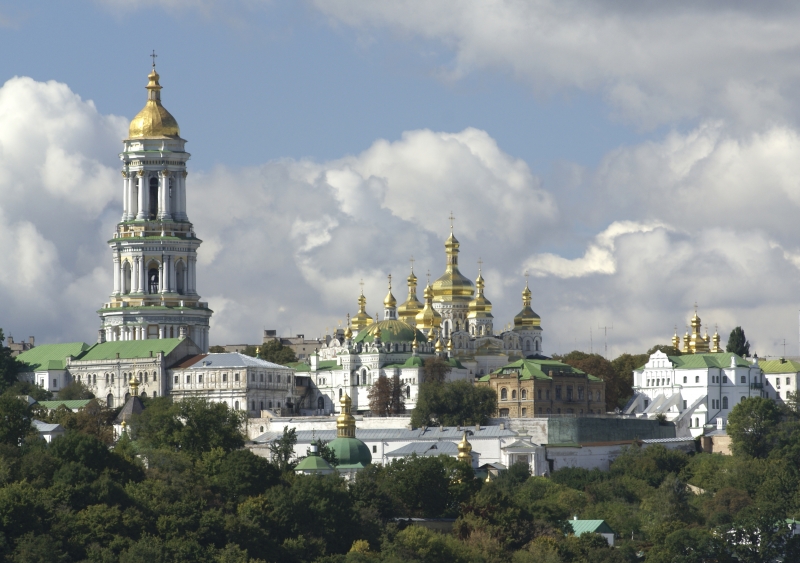
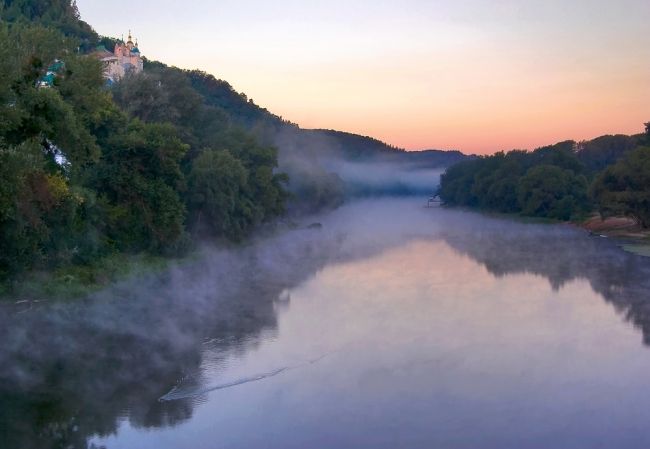
The greatest shrine of monasticism, the cradle of Orthodoxy, the spiritual treasury, the largest monastery in Eastern Europe. All this is the Uspenskaya Kiev-Pechersk Lavra, which rises majestically on the high banks of the Dnieper and on golden days it flashes with golden domes. On the territory of the Upper Lavra there is the National Kiev-Pechersky Reserve.
Kiev-Pechersk Lavra is a true masterpiece of Ukrainian and world architecture, it is included in the UNESCO World Heritage List. Today, the Lavra receives thousands of people from all over the world who come to pray and look at its wonders. One of such mysterious phenomena is the preservation of the bodies of the saints imperishable. Throughout the centuries in the semi-darkness of the dungeons in the tombs of the cypress tree, the bodies of the saints are kept. A truly mysterious phenomenon, known far beyond Ukraine, is the washing of the relics of the saints: from the dry flesh, a myrrh-streaming substance that contains 80 percent of the living protein is released. Believe it is difficult! You only need to see with your own eyes.
On the walls of the labyrinthine caves, there are ancient frescoes, unique icons, many of which are miraculous.
Kiev-Pechersk Lavra is a place of holiness and silence. It feels a special atmosphere, reigns its laws, customs, its way of life. Thousands of years ago the monastery was founded by the first monks. The very name "Pecherskaya" comes from the word "Pecheri", in Russian - caves.
According to the chronicles that have survived to this day, the first small cave was dug by the priest Hilarion on the bank of the Dnieper River. She was a great place for him to pray. When Hilarion became a metropolitan, he did not visit the cave any more. In this mountain settled hermit Anthony, who returned from Mount Athos. The ascetic way of life surprised and admired. Other monks began to come to him. The number of them has grown steadily. It became tight for the monks to live in caves, they built the church of the Assumption of the Blessed Virgin and the cells. And later Prince Izyaslav, at the request of Hilarion, gave monks a mountain over the caves where the wooden church was built. The caves turned into a burial place for Orthodox saints, and the church itself became the largest monastery in all of Kievan Rus. We can say that modern Kiev is a city of caves created not by nature, but by human hands. After all, under ground temples and buildings there are many kilometers of caves labyrinths, many of which have not been explored to date.
All monks were distinguished by high morality and selflessness, it attracted many educated and noble people. Boyars and princes tried to support the monks, gave them gold, silver, land, lands with serfs. The Lavra became an important spiritual, cultural and educational center. In the 11th century a chronicle is born here. Famous chroniclers Nikon, Nestor, Sylvester worked in the Lavra. Monk-chronicler Nestor was written an outstanding chronicle of Kievan Rus "The Tale of Bygone Years." And in the 13th century the Kiev Pechersk Patericon was compiled, an important source of the history of Kiev. In the monastery there was a library, a publishing house, where liturgical and polemical books were printed.
On the territory of the monastery developed fine art. Icons, which the first chronicler of Kievan Rus' Alipius wrote, became miraculous. There is a school, which in the future becomes known to the Kiev-Mohyla Academy. Until now, unique manuscripts of old books, icons, as well as collections of fabrics and embroideries, robots made of precious metals, works of contemporary artists and ancient engravings, ancient oriental gold decorations of the queen of Sarmatians, a golden diadem have survived to this day. All this can be seen in the museums located on the territory of the Kiev-Pechersky Reserve:Museum of Book and Printing, Museum of Ukrainian Folk Decorative Arts, Museum of Historical Treasures of Ukraine, Museum of Theater, Music and Cinematography of Ukraine.