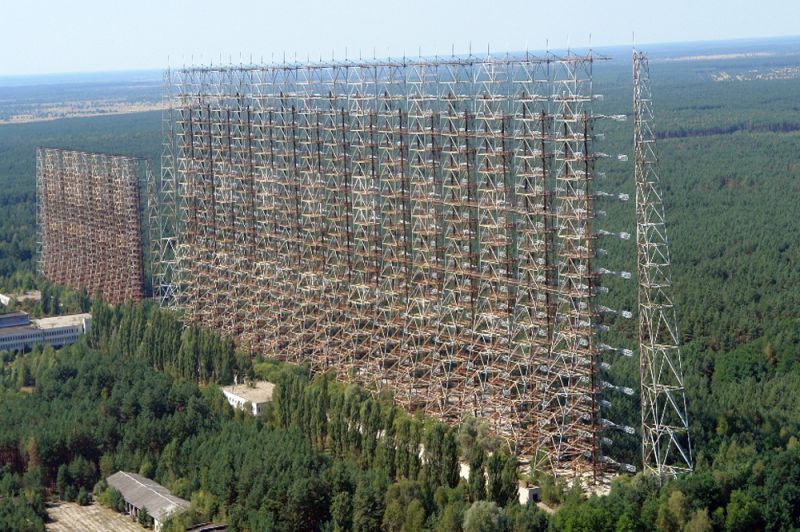
Radar station Duga, Chernobyl
History of the radar
The purpose of its creation is the fastest and accurate detection of the launch of intercontinental ballistic missiles far beyond the country. With its help, the launch of the missile could be traced even at the stage of the start-up torch ignition. This development played a huge role in the defense and defense industries of the USSR. This object was created to prevent a nuclear attackby the United States of America.
The principle of the station was based on the reflection of radio signals by the ionosphere. The incoming signals were captured using the Chernobyl-2 antenna, and then processed on a computer. The station worked very noisily, making a characteristic tap on the air, for which she received a colorful nickname - "Russian Woodpecker". After the Chernobyl accident, the radar station was mothballed. But over time it became clear that its operation in the conditions of alienation is impossible, therefore the station was closed, thereby making it one of the objects of excursion routes.
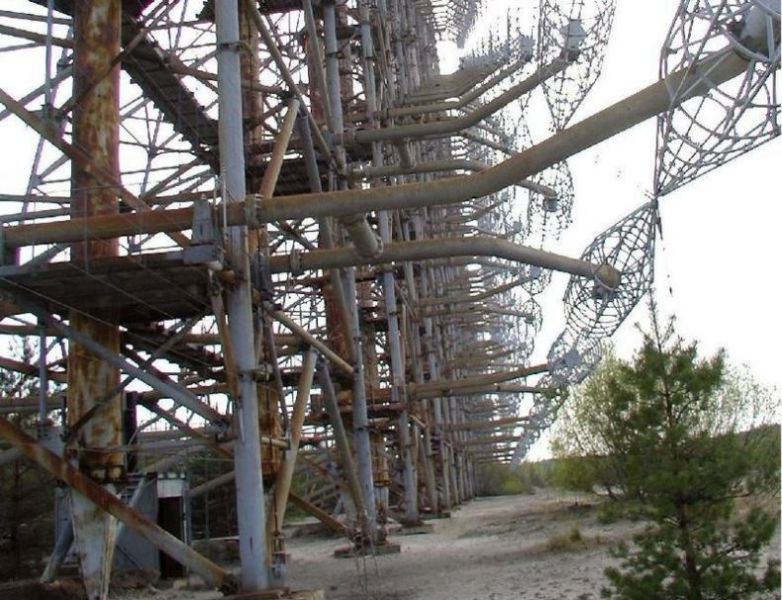
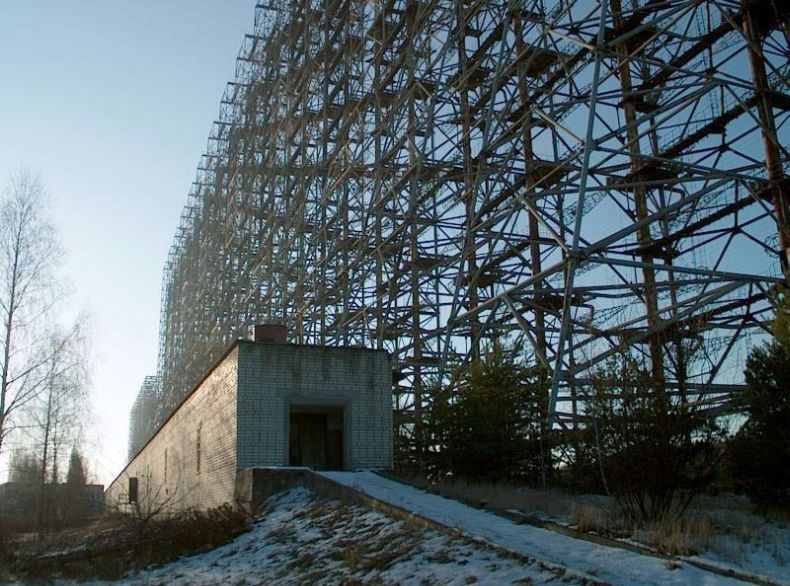
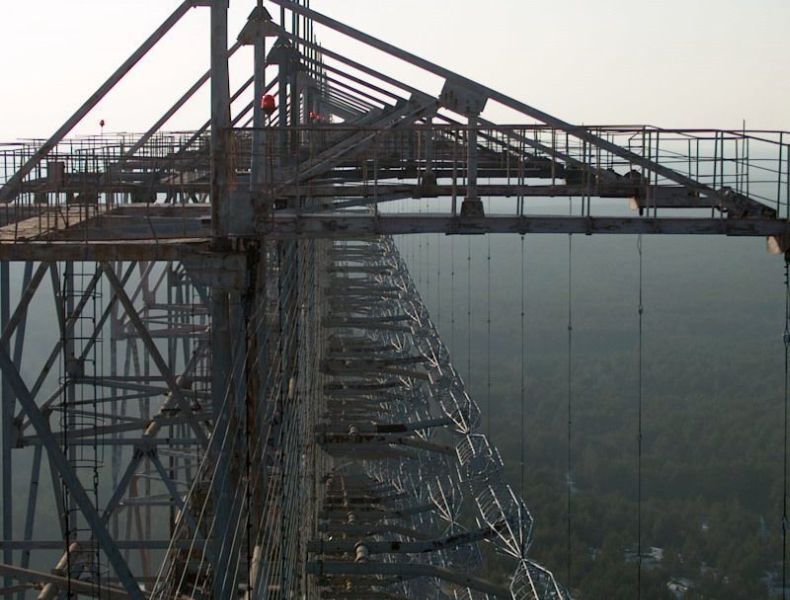
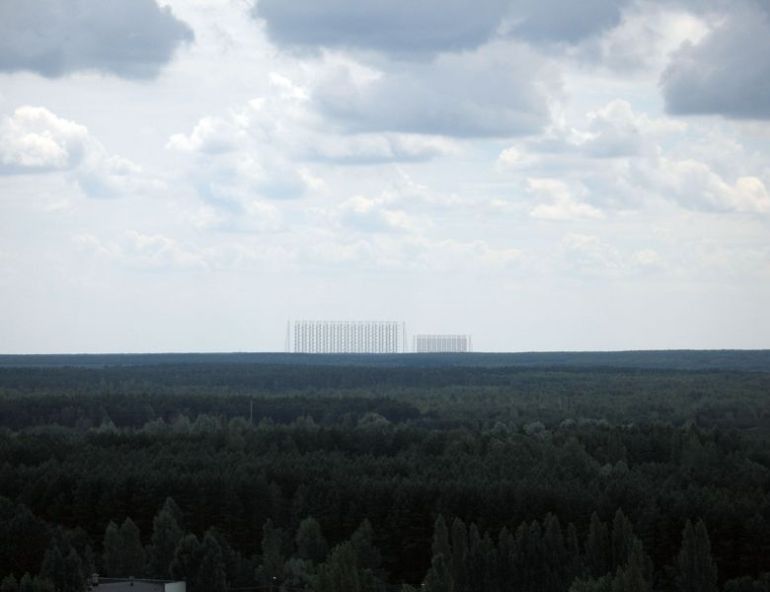
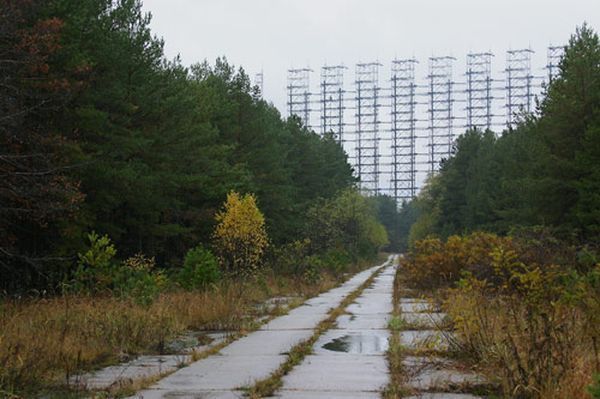
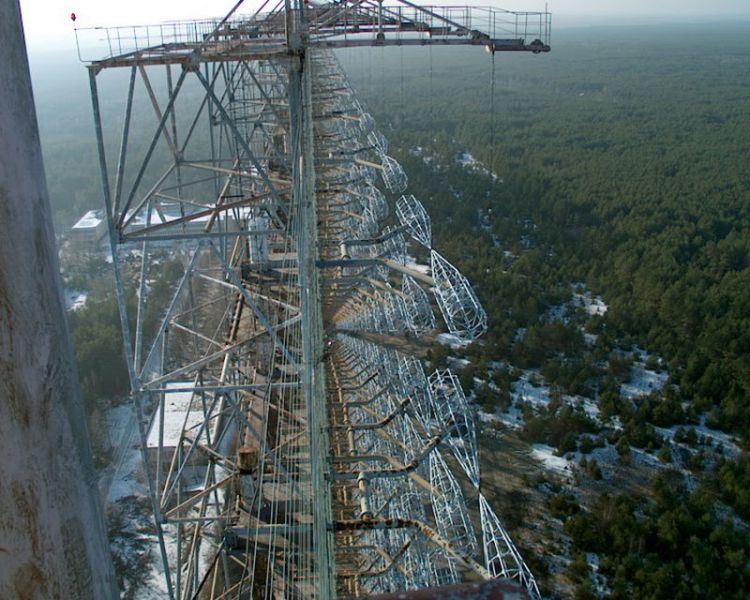
The station includes two huge antennas - receiving and transmitting. The height of the receiving antenna is 135 m, the width is 300 m, the height of the transmitting antenna is 210 m and the width is 85 m. In addition to these antennas, 26 transmitters are included in the stationary complex of the radar, each of which has quite impressive dimensions - practically from a two-/p>
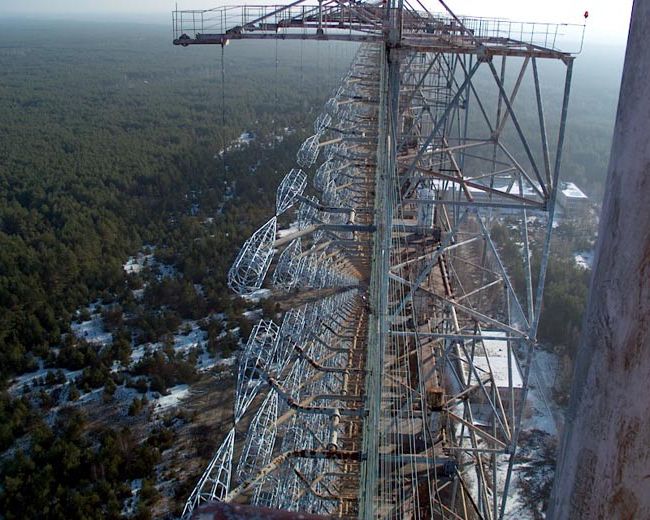
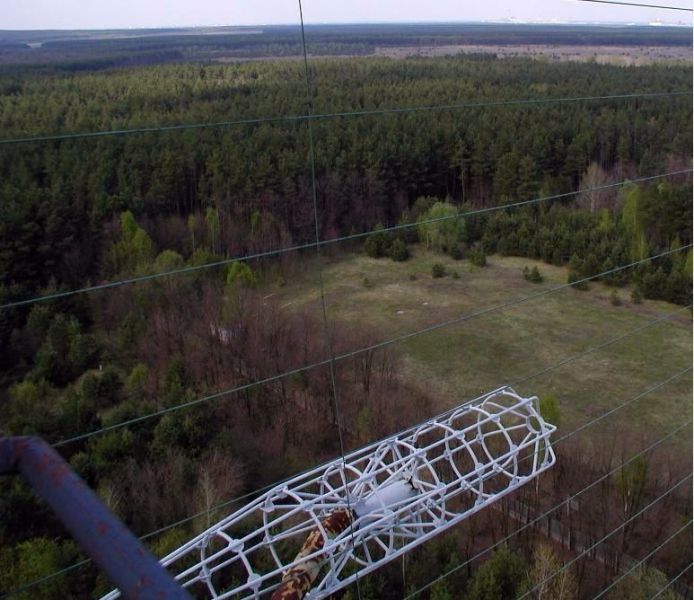
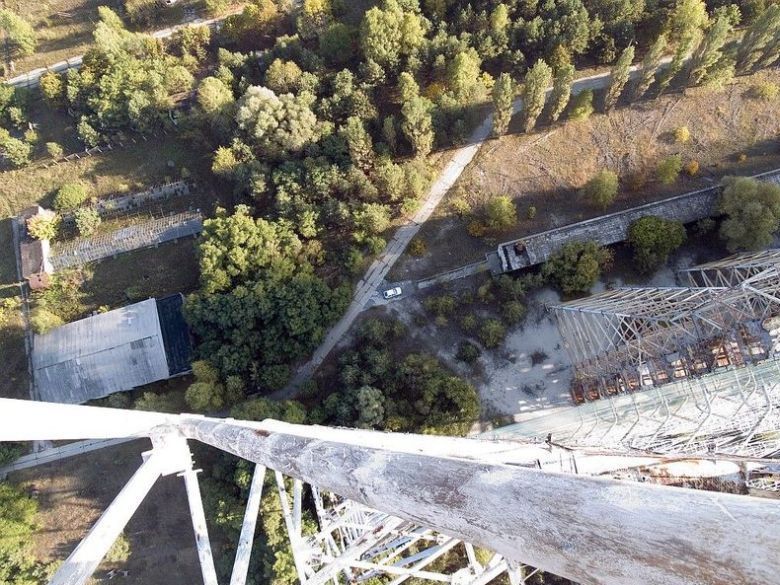
Until now, the radar station "Duga" has been preserved almost in its original form. Even today there are brave men who risk climbing 135 meters high and look at the nearby territory.
Find the Best Professionals for Your Project
Expert repair, construction, and renovation specialists ready to help you right now