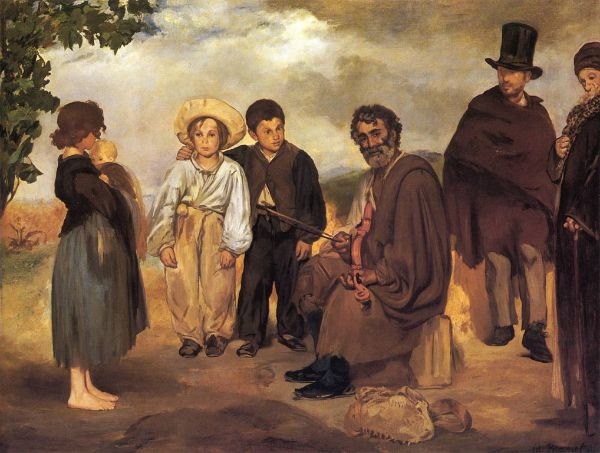
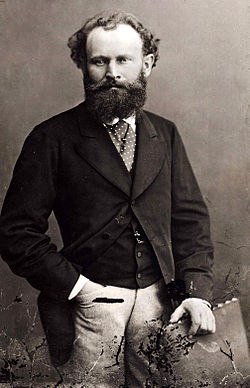
Edouard Manet was born on January 23, 1832, in Paris into the family of a high-ranking official. He began drawing while still in college. Defying the legal career that was expected of him, he decided to enroll in a naval academy instead. In 1848, he embarked on a voyage aboard a ship bound for Rio de Janeiro.3 photos
In the early 1850s, Manet studied at the École des Beaux-Arts in Paris. He traveled extensively, visiting the Netherlands, Austria, Italy, and later Germany, Spain, and England. He was fascinated by the "secrets" of the painting techniques of ancient masters such as Rembrandt, Rubens, Van Dyck, Goya, El Greco, Velázquez, Halss, Watteau, and Chardin, as well as the works of newer artists like Delacroix. Manet often created copies of his favorite artworks, sometimes in a rather free-form manner.
Manet's first significant work was the painting "The Absinthe Drinker" (1858-1859), which depicted, in the tradition of Velázquez, a drunkard embodying the spirit of romantic vagrants. The "Portrait of His Parents" (1860), also executed in the genre style, followed this same tradition.
At the same time, Manet pursued the "Spanish" theme in his artwork, creating works such as "Lola from Valencia" (1862), "Guitarero," and "Victorina Meran in a Spanish Costume."
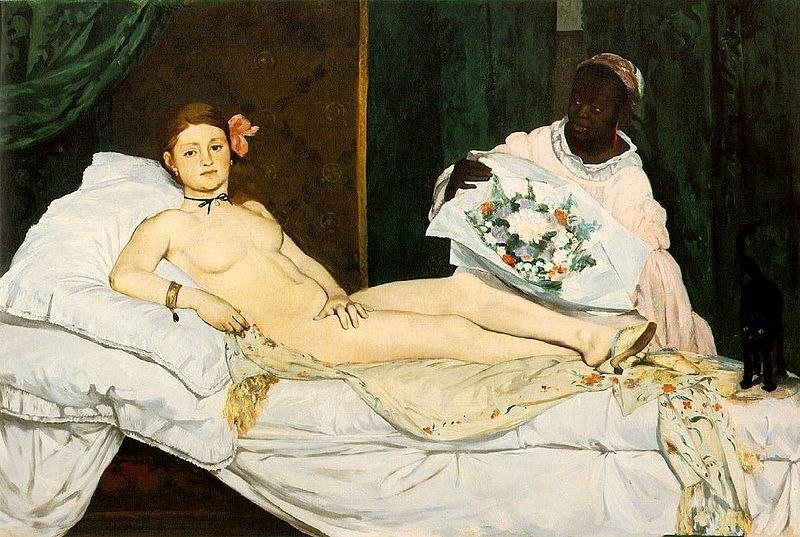
In 1863, Manet painted "Breakfast on the Grass" and subsequently "Olympia." These paintings featured a nude woman lying on a bed, a style that echoed the traditions of Giordano, Titian, Velázquez, Goya, and Ingres. However, they also incorporated elements of the new era, such as features resembling those of a puppet or a fetish. These two works faced harsh criticism from critics.
Manet's innovative artistic approaches, which provoked resistance among the public, attracted young artists seeking new ways to express themselves through painting. Around him began to gather a group of artists including Degas, Pissarro, Claude Monet, Renoir, and Sisley. They were impressed not only by Manet's innovation but also by his education, his profound knowledge of art history, and his mastery of various painting and graphic techniques. Manet's direct students included B. Morizot, E. Gozales, and M. Cassette, but he exerted a significant influence on the entire Impressionist movement.
Manet believed that it was their duty to embrace everything that their era could offer them, while also remembering the achievements of those who had come before them. He explored a wide range of subjects, creating portraits, still lifes, and landscapes. He excelled as a draftsman, lithographer, and printmaker as well. Manet's art brought new vitality to 19th-century French art and profoundly shaped the future directions of artistic development.
Edouard Manet died on April 30, 1883, in Paris.
Find the Best Professionals for Your Project
Expert repair, construction, and renovation specialists ready to help you right now
Recommended Galleries
Recommended articles


More Galleries
 The Construction of the Eiffel Tower. Paris, France. 1887-1889
 Lightnings Over Albuquerque
 Space Invader: The French Artist Who Aimed to Cover the World with Pixel Art from the Iconic Video Game
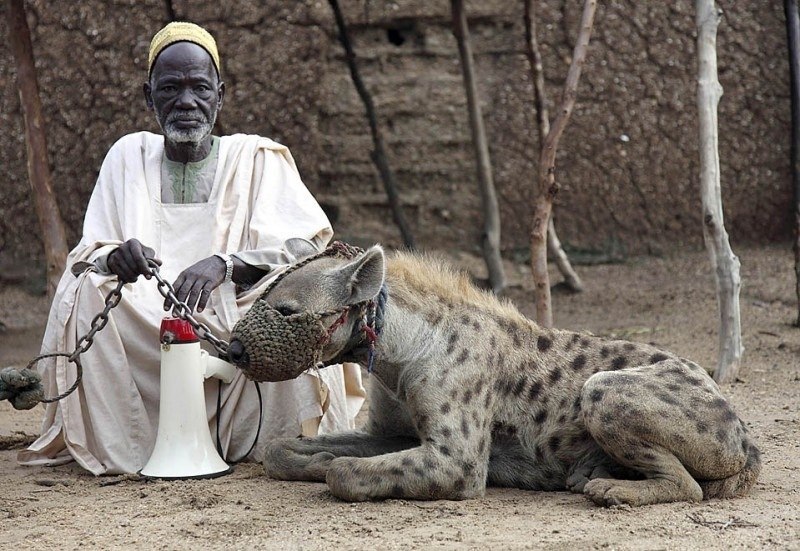 Hyenas in Africa Have Been Domesticated for a Very Long Time
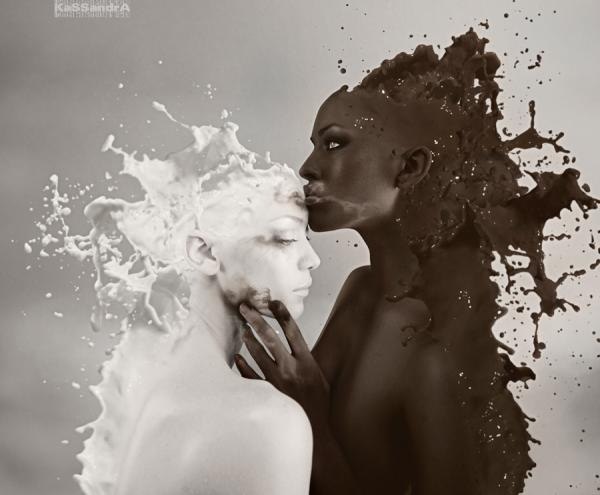 Works of Kiev-based photographer Cassandra
 Interesting Facts About Milk
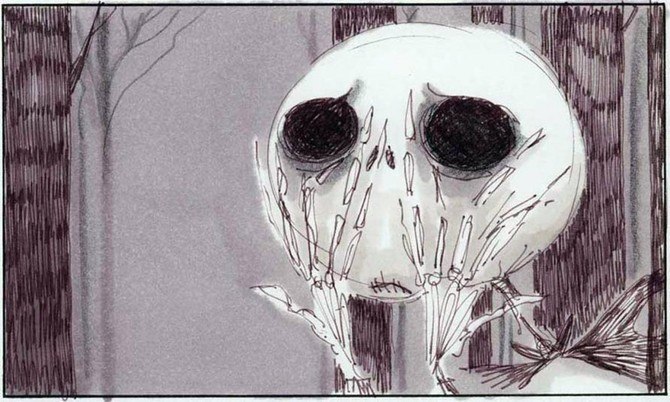 Tim Burton is known as an original and distinctive director of our time, but few people know that he is also an artist, photographer, and writer,</td>\n "home_text": "<p>. In 2010, the Museum of Modern Art in New York organized an exhibition dedicated to Tim Burton’s nearly 30-year career as a professional artist.</p>
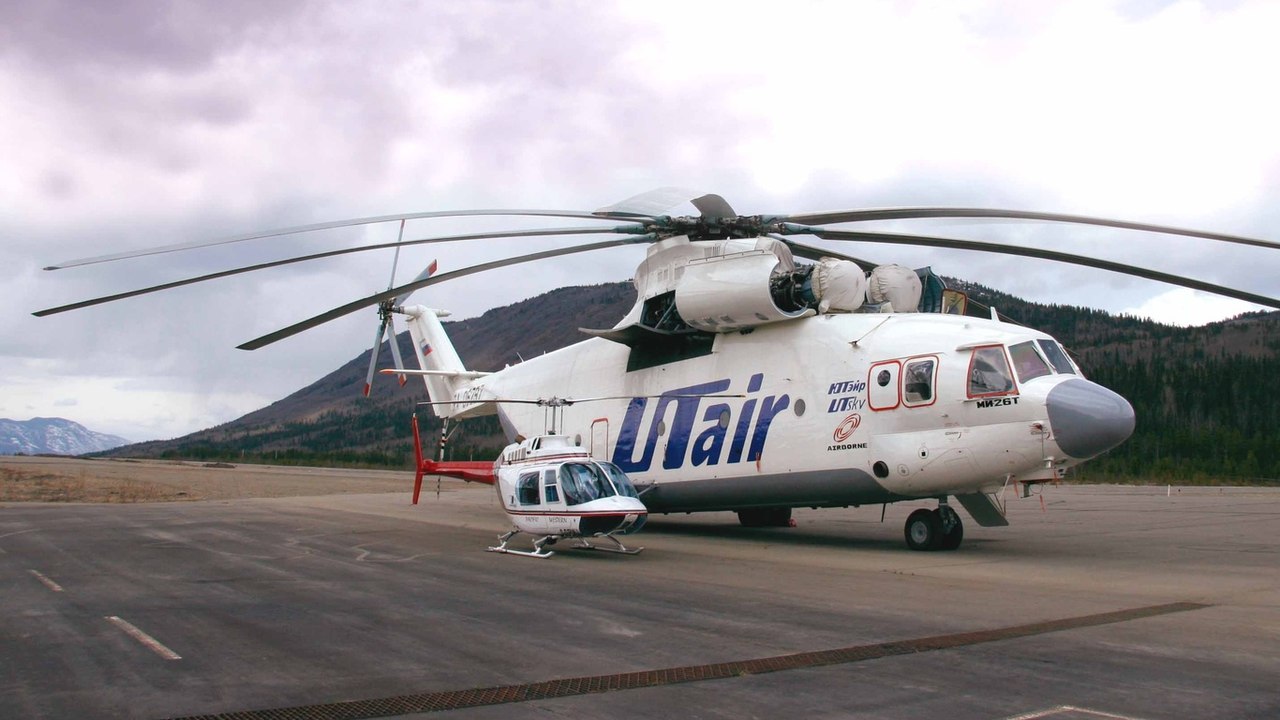 Mi-26: The World's Largest Helicopter
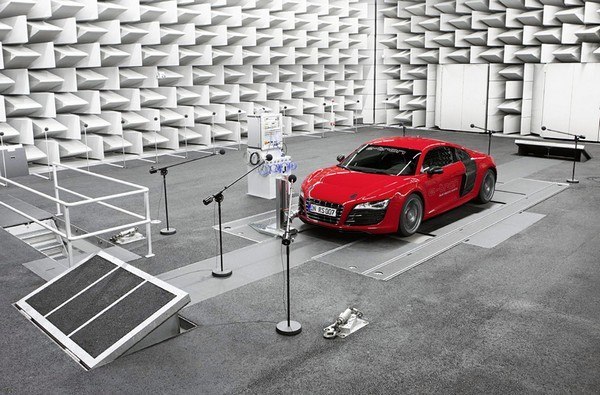 Artificial Engine Noise for Electric Vehicles
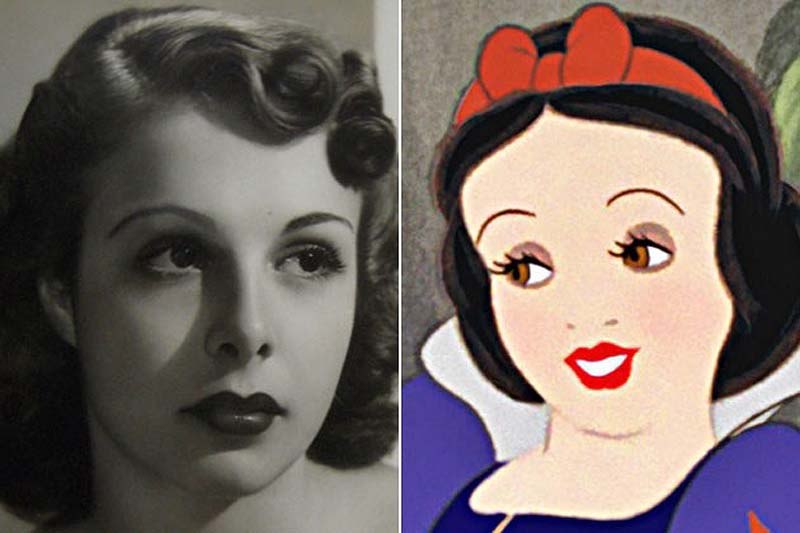 Real Prototypes of Disney Characters
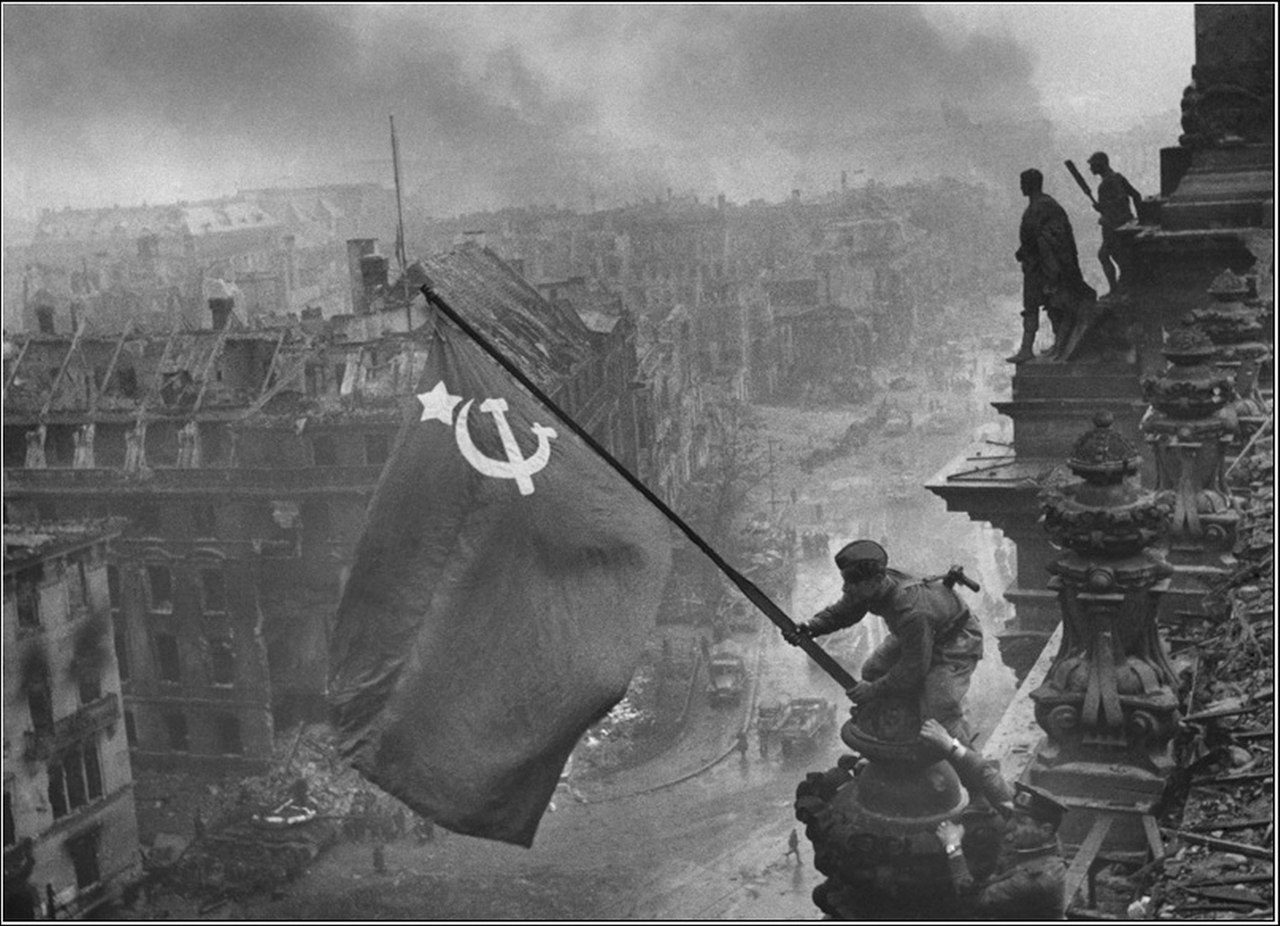 68 Years Ago: Soviet Soldiers Raised the Flag of Victory over the Reichstag in Berlin
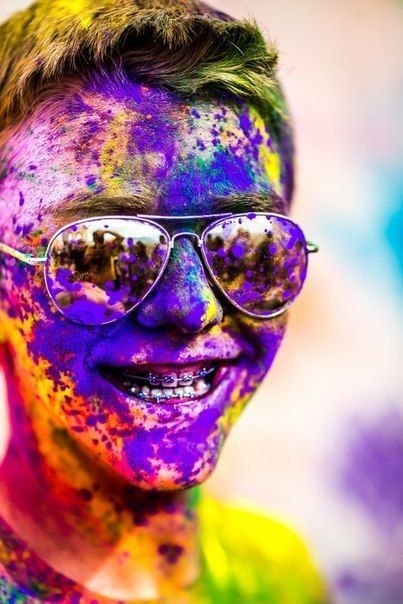 Holi, also known as Phagwaah (or Bhodhpuri), is an annual and popular Hindu festival in spring, otherwise referred to as the Festival of Colors. During the vibrant celebrations of Holi, thousands of people scatter colored powder into the air, creating a dazzling display of colors.