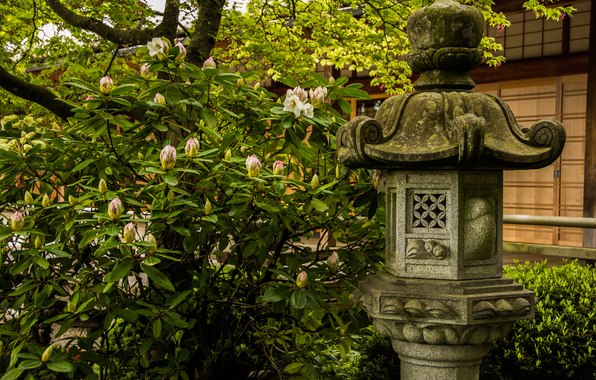
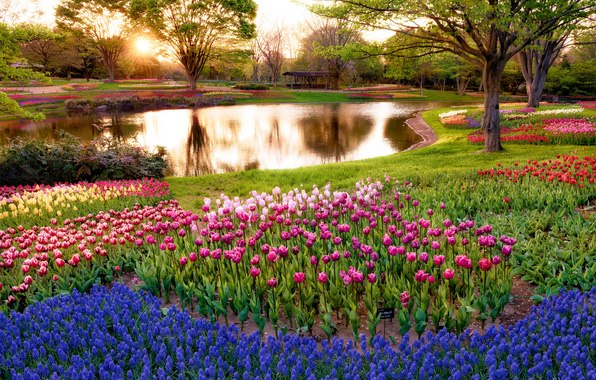
Green Day, or as it was sometimes referred to before 2007 in Japan, Green Planting Day, was celebrated on April 29th in Japan. The “natural” name of this holiday originated from the name of Emperor Shōwa and his profound love for the natural world.2 photos
Emperor Shōwa (his secular name was Hirohito. The title of Emperor Shōwa was conferred upon him after his death) was the eldest son of Emperor Taishō and was born in Tokyo on April 29, 1901. After Emperor Taishō’s death on December 25, 1926, the crown prince was officially proclaimed the 124th Emperor of Japan. Following World War II, in accordance with the Japanese Constitution, the emperor was designated as a symbol of the state and the unity of the people. Until his death in 1989, he represented the longest period in Japanese history: the Shōwa Era (1926–1989).
Despite lacking real power, the emperor led an extremely active public life. He received foreign diplomats and high-level delegations, paid return visits, participated in scientific conferences, and traveled extensively across Japan. Especially after World War II, he made great efforts to provide moral support to the families of those who had suffered.
Interestingly, during these travels throughout the country, spring tree-planting festivals and autumn sports events were organized in his honor. In his spare time, he devoted himself to the study of marine biology, publishing numerous research papers in this field.
During Hirohito’s lifetime, his birthday was a national holiday in Japan. After his death, it remained a national celebration, but it was officially renamed “Green Day.” Over time, however, the meaning of Green Day faded for younger generations, and public opinion in Japan regarding this holiday also became divided. As a result of legal changes to the “National Holidays Law,” since 2007 April 29 has been designated as “Shōwa Day” in Japan—a holiday and weekend day—while Green Day was moved to May 4th.
Perhaps Green Day is the only national holiday in the world where people celebrate it without giving particular significance to its meaning or the accuracy of the date. Indeed, the name “Green Day” aptly captures the vibrant atmosphere of late spring in Japan, when the country is covered in greenery and flowers. By early May, forests and parks cover approximately 70% of Japan’s territory.
On this day, the beautiful white and pink cherry blossoms have already faded, but the beauty of nature continues to delight people in both the ancient capital Kyoto and modern Tokyo. People in northern regions of Honshu and Hokkaido especially enjoy this time of year. Japanese people cherish this sunny season and take every opportunity to spend time with family or friends in parks, by the sea, in the mountains, or at hot springs.
Find the Best Professionals for Your Project
Expert repair, construction, and renovation specialists ready to help you right now
Recommended Galleries
Recommended articles



More Galleries
 Suriicats: Animals That Bring a Smile
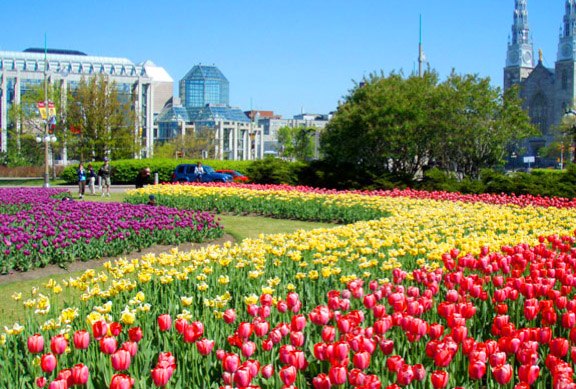 One of the Most Magnificent Spring Festivals (The Canadian Tulip Festival) – Begins Every Year in Ottawa in the First Week of May and Lasts for Just Over Two Weeks
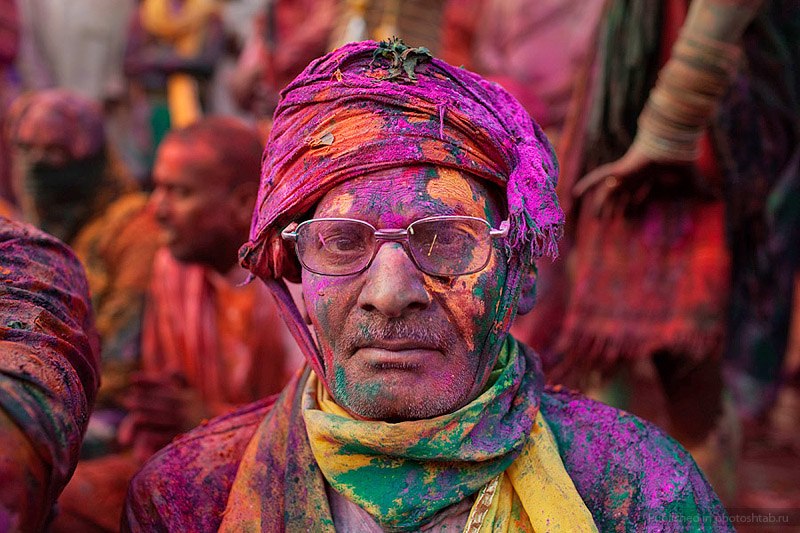 Latmar Holi: The Spring Festival in India
 Autoportraits of a Drug Addict
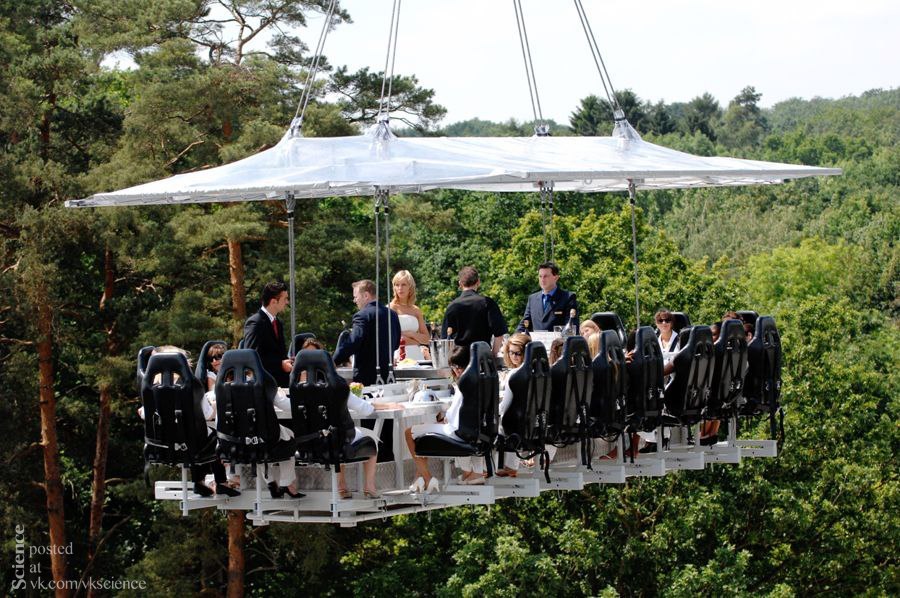 Dinner in the Sky
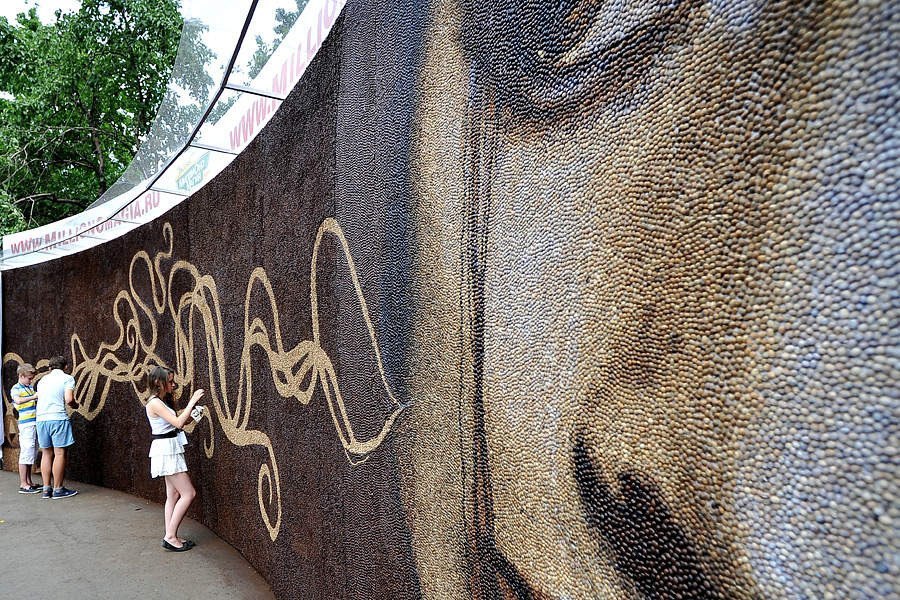 The World's Largest Coffee Bean Painting in Moscow, Gorky Park, Now Listed in Guinness World Records
 Cat Leopold is a truly unique cat in no way resembling those that live without owners. His most prominent trait is his intelligence, which defines him as a character. Even his name—Leopold, rather than Vaska or Kesha—suggests that he is not just any ordinary cat but a refined, thoughtful individual worthy of respect.<br>Leopold does not behave in a rude manner; he adheres to his own code of gentlemanly behavior for cats, avoiding petty fights with mice and always maintaining his dignity. He is a
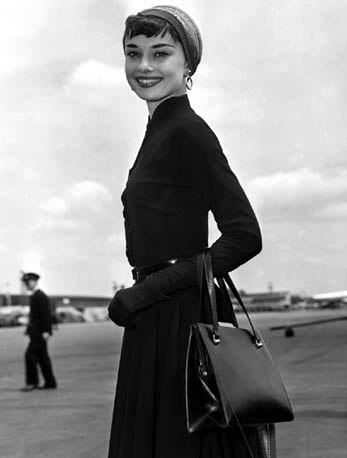 Audrey Hepburn was born on May 4, 1929, in Brussels. She was the only child of John Victor Raston and Baroness Ella Van Heemstra, a Dutch aristocrat whose family included French nobles and English monarchs.
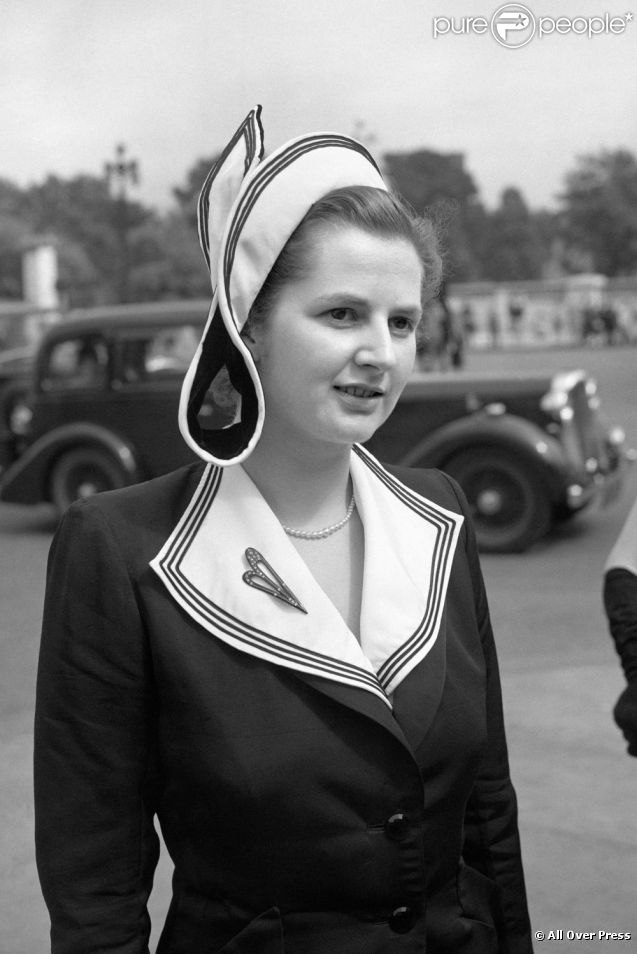 Iron Lady: The Most Influential Woman in the World for a Decade
 On May 4, 1961, the Presidium of the Supreme Soviet of the USSR adopted a decree 'On Strengthening the Struggle Against Those Who Avoid Engaging in Publicly Useful Work and Lead an Anti-Social Parasitic Lifestyle'
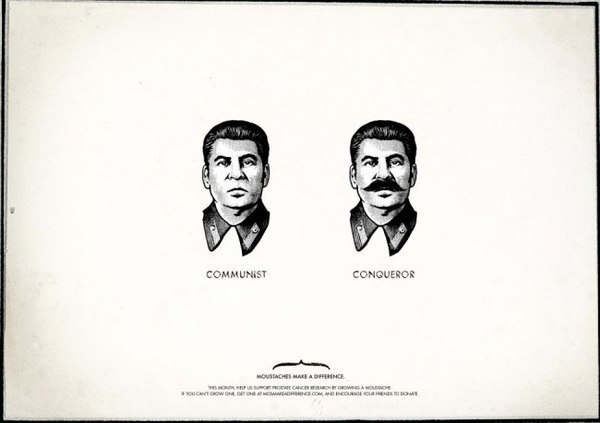 A series of works that highlight one of the main male characteristics: beards
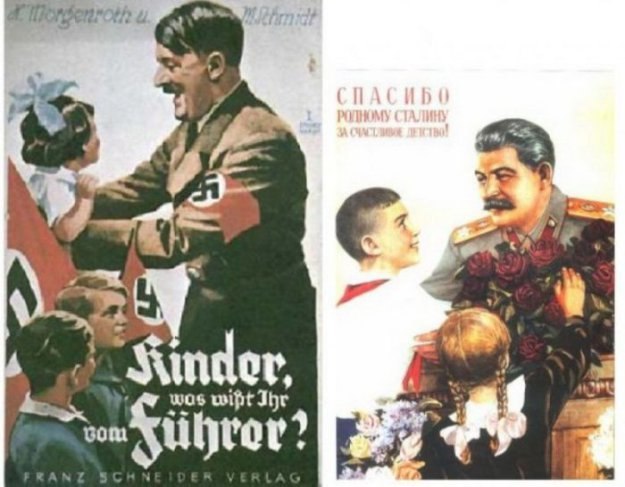 Posters of the USSR and the Third Reich: A Comparison