Solar Spots6 photos
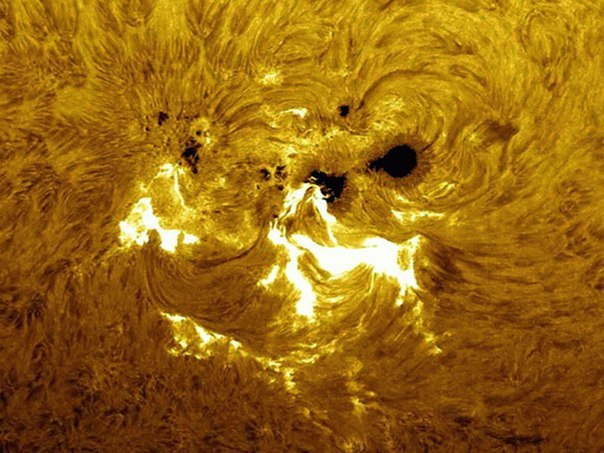
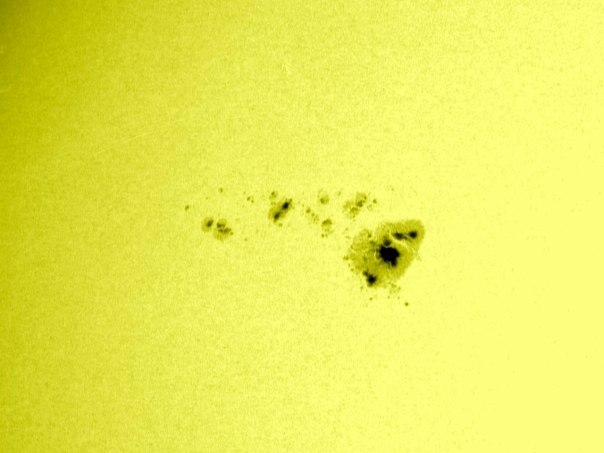
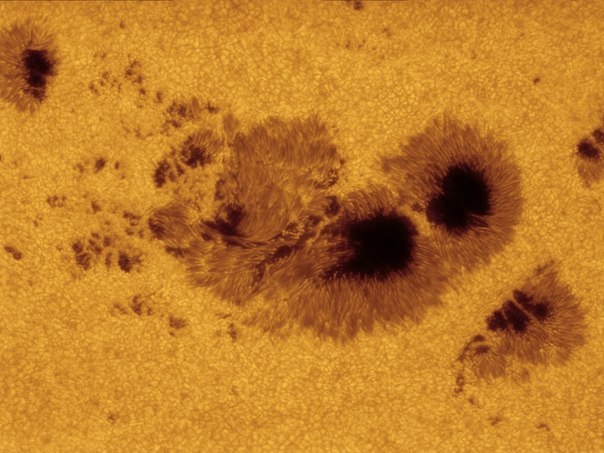
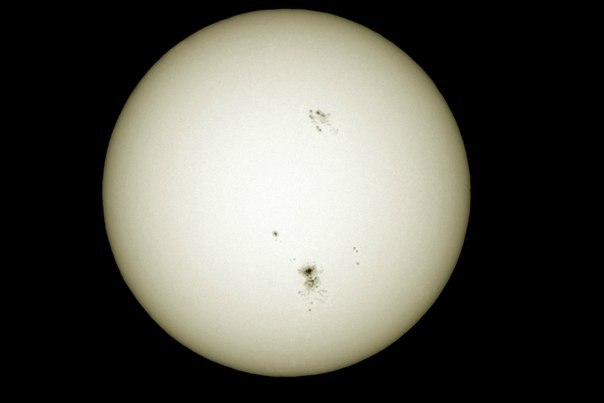
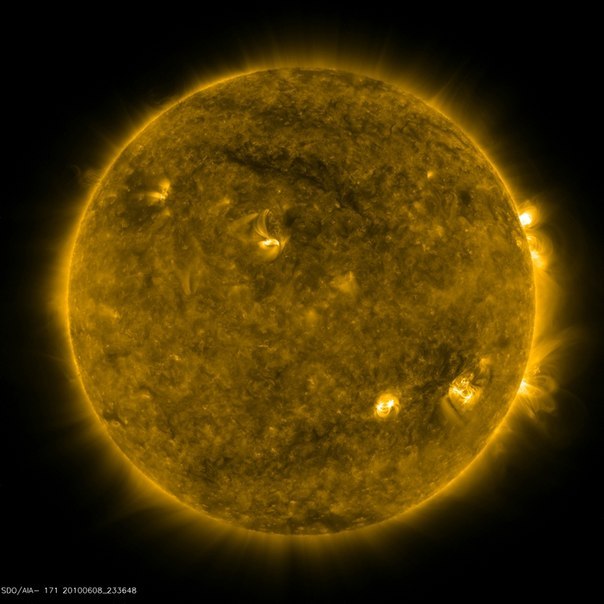
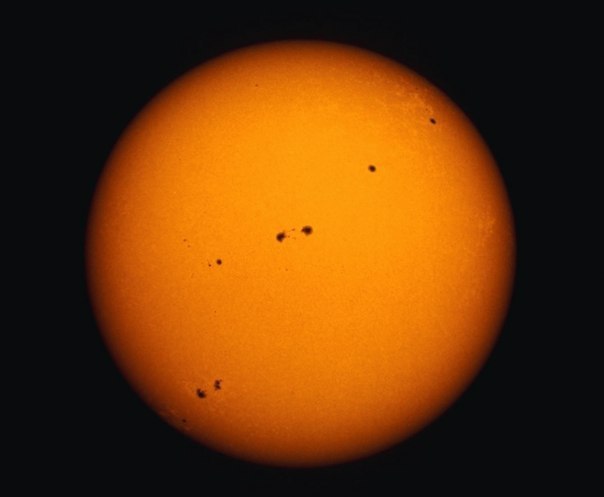
Solar spots are dark islands the size of planets on the Sun’s bright surface, the photosphere, surrounded by a sea of plasma and firmly anchored by magnetic fields. They appear dark because they are slightly cooler than the surrounding area. The sizes of these spots are astonishing—ranging from just a few hundred kilometers to tens or even hundreds of thousands of kilometers in diameter.
A solar spot consists of a central region called the “shadow” and a peripheral area called the “penumbra.” The temperature inside a solar spot is 1,000–1,500°C lower than that of the photosphere. Magnetic fields have been detected within these spots, and most groups of spots have both northern and southern magnetic poles. Solar spots represent some of the most intense manifestations of solar activity, and scientists compare their characteristics to various phenomena on Earth, especially in the atmosphere.
Small spots often last for less than 2 days, while more developed spots can persist for about 10–20 days. The largest spots can be observed for up to 100 days. In Russia and other countries, daily observations of solar spots and other phenomena are conducted. The first recorded solar spots were spotted in China around 800 BC. At the very center of a solar spot, the temperature never exceeds 4,000°C, whereas on the surface of the Sun, temperatures range around 6,000°C.
Find the Best Professionals for Your Project
Expert repair, construction, and renovation specialists ready to help you right now
Recommended Galleries
Recommended articles



More Galleries
 Exciting footage of people dancing with fire
 Graphic Designer Yanko Tsvetkov Created an Amazing Project Focusing on Stereotypes and Prejudices
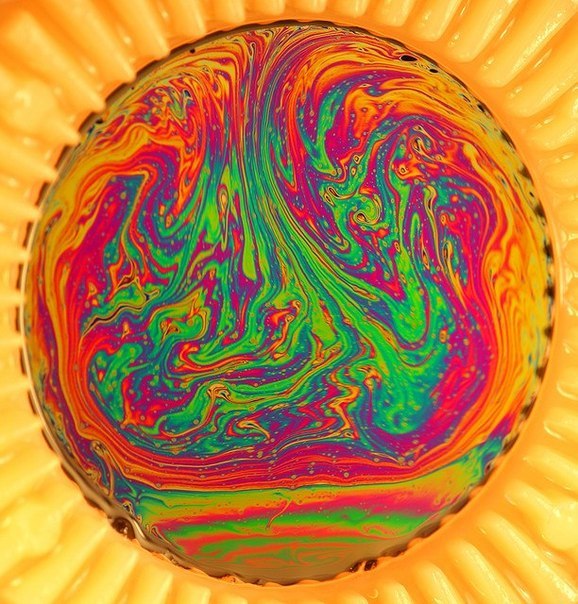 Macro Photography of Soap Bubbles
 Yandex's Second Office in Saint Petersburg, Russia. Architectural Studio Za Bor
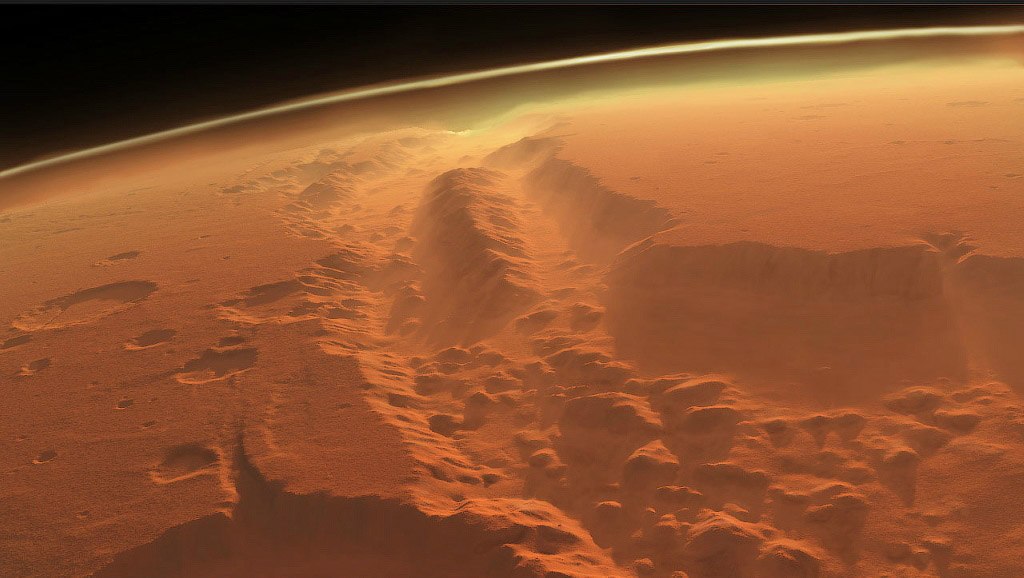 Valles Marineris: The Largest Canyon in the Solar System
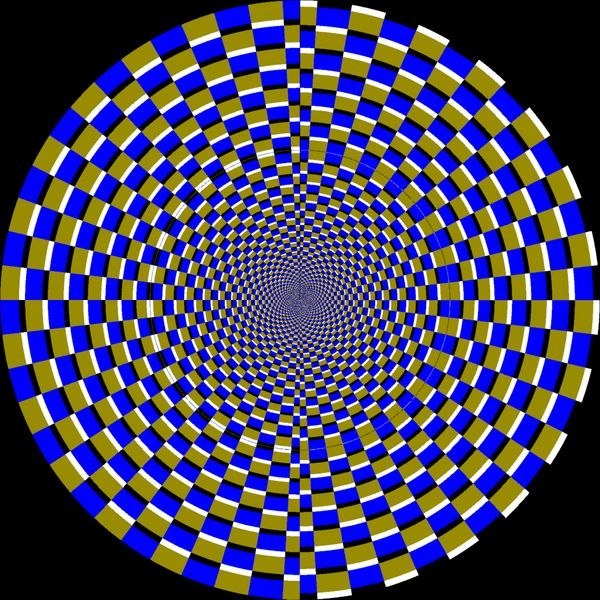 Optical Illusion: Images That Seem Live
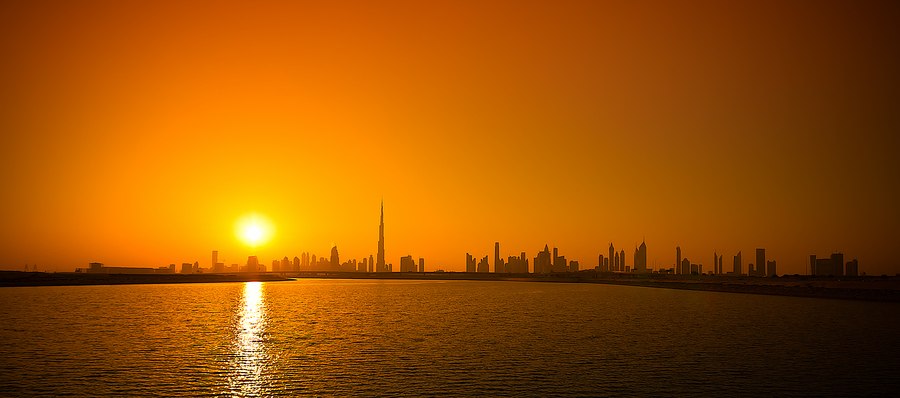 Urban Panoramas in the Work of Photographer GOst RiDr
 The Future Has Begun
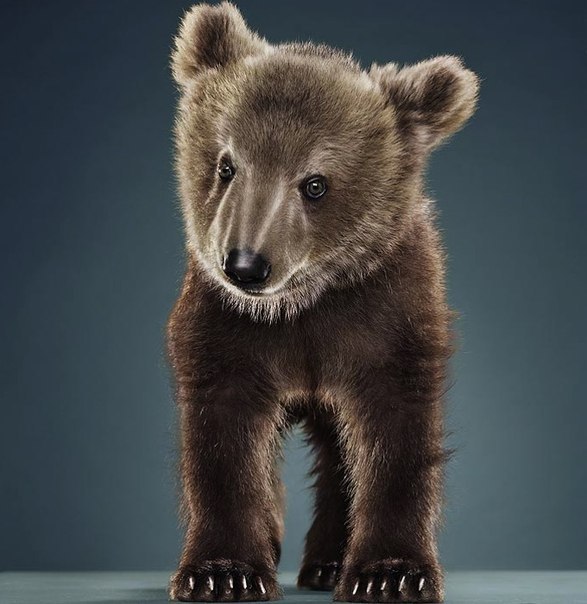 Photographer Jill Greenberg Created a Series of Photos Called "Portraits of the Bear"
 American Jason Taylor: Artist, Sculptor, and Diving Instructor Who Created a Magical Underwater World of Sculptures
 All creatures are subject to love
 510 Years Ago