510 Years Ago2 photos
Christopher Columbus discovered the Cayman Islands
The Cayman Islands are a British territory in the West Indies, consisting of Grand Cayman, Little Cayman, and Cayman Brack. They are located in the northwestern part of the Caribbean Sea, between Cuba and Jamaica (USA).
The Cayman Islands were discovered on May 10, 1503, by Christopher Columbus, the famous Spanish explorer and cartographer, during his fourth and final expedition to the New World.
The name of the indigenous inhabitants of these lands is unknown, so Columbus was the first European to see the shores of these low-lying islands. Initially, the Spaniards called them “Las Tortugas,” meaning “Turtle Islands,” due to the abundance of these reptiles on the islands and in the surrounding waters. However, it was later found that there were far more crocodiles than turtles, so the name was changed.
From 1523, the islands appeared on nautical charts under the name “Lagartos,” meaning “alligators” or “large lizards.” The name “Cayman Islands” began to be used in 1530. One theory is that it originated when European travelers saw large iguanas there and mistook them for caiman crocodiles.
The first Englishman to set foot on the islands was Francis Drake in 1586. For the following century, the islands served as an important stopover for ships sailing in the Caribbean Sea, where they could replenish their supplies of food and fresh water. There was no permanent population, but sailors, pirates, and turtle hunters would stay there for a while.
In 1670, according to the Treaty of Madrid, control over the islands was officially transferred to Britain, which governed them through a governor stationed in Jamaica. Gradually, a permanent population began to emerge on Grand Cayman, but the other islands remained “uninhabited” for a long time.
By the early 19th century, the population was barely over a thousand, and half of them were slaves. After slavery was abolished in 1835, many freed slaves stayed on the islands, and by the beginning of the 20th century, the population had increased fivefold. Local residents grew cotton, redwood trees, made ropes, and engaged in fishing. Almost all their products were exported to Jamaica. Despite several attempts to modernize the economy, the islanders were reluctant to leave their isolated lifestyle.
After Jamaica gained independence in 1962, the inhabitants of the Cayman Islands expressed their desire to remain under British rule.
Since then, the offshore financial sector has experienced rapid development on the islands. Grand Cayman has become a center for banking and one of the capitals of Caribbean tourism.
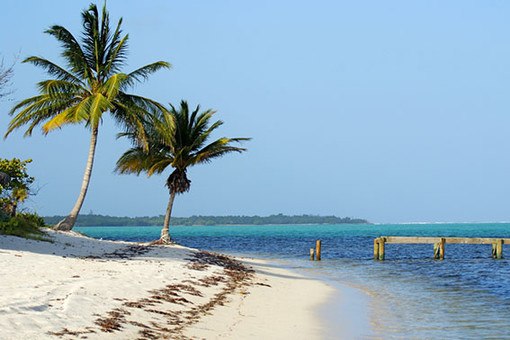
Today, the Cayman Islands are a thriving offshore financial center, with tourism being a key component of their economy. Each year, more than 2 million tourists visit the islands, attracted by their modern tourist infrastructure, beautiful white sand beaches, and ideal conditions for scuba diving, snorkeling, yachting, and surfing.
Find the Best Professionals for Your Project
Expert repair, construction, and renovation specialists ready to help you right now
Recommended Galleries
Recommended articles

More Galleries
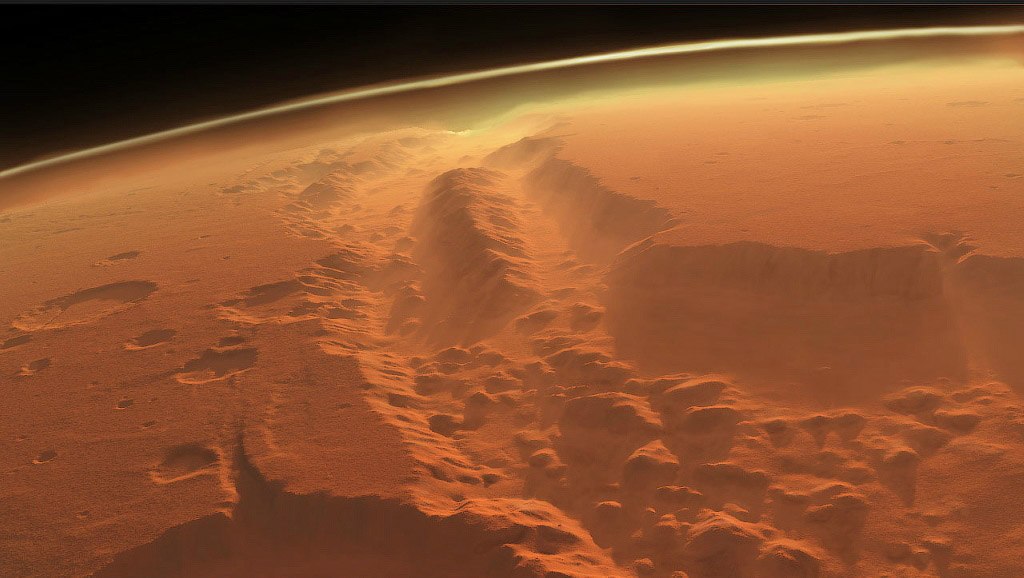 Valles Marineris: The Largest Canyon in the Solar System
 Optical Illusion: Images That Seem Live
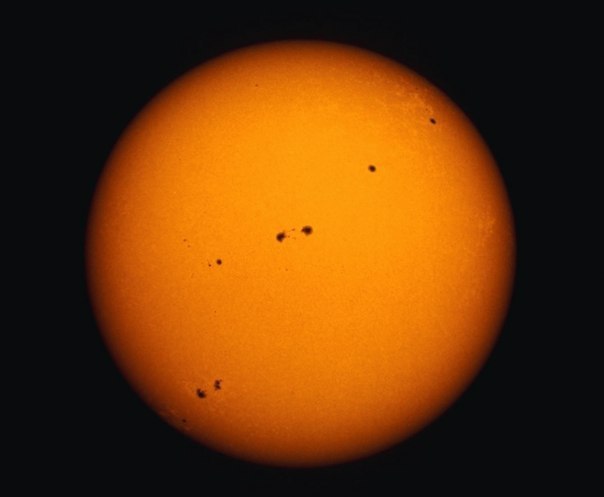 Solar Spots
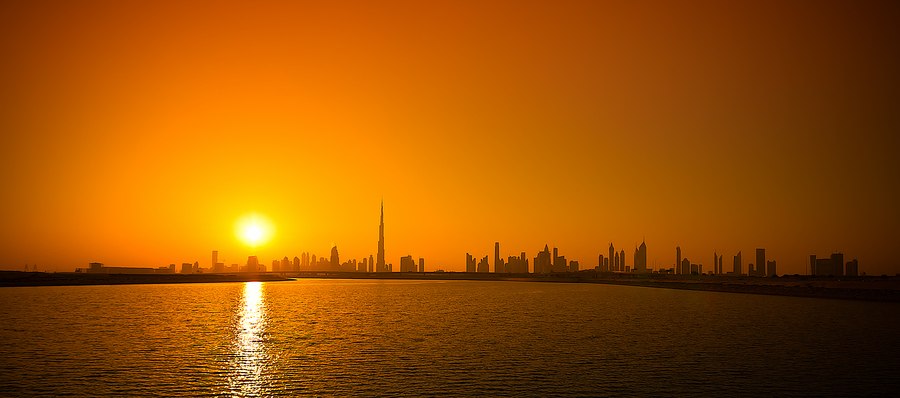 Urban Panoramas in the Work of Photographer GOst RiDr
 The Future Has Begun
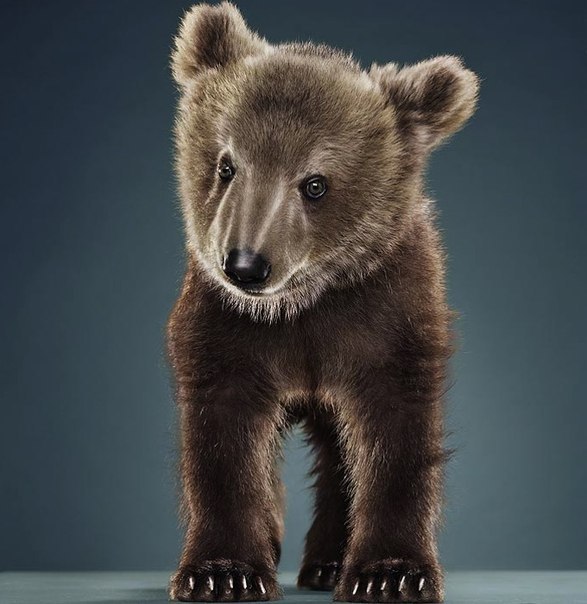 Photographer Jill Greenberg Created a Series of Photos Called "Portraits of the Bear"
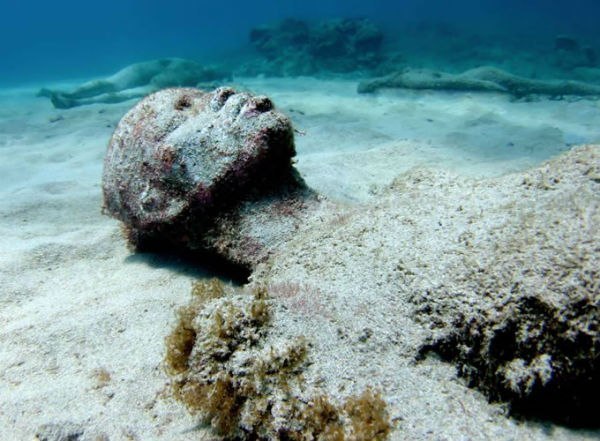 American Jason Taylor: Artist, Sculptor, and Diving Instructor Who Created a Magical Underwater World of Sculptures
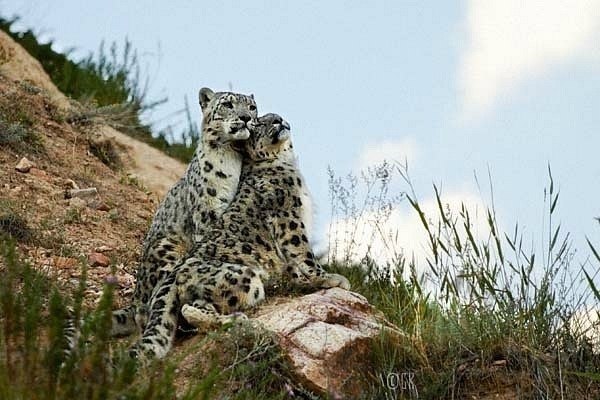 All creatures are subject to love
 Shadows of Hiroshima: The phenomenon where object silhouettes appear due to intense light radiation during a nuclear explosion
 What Do the Numbers on a Bank Card Mean?
 Photos of the 2002 iPad Prototype Leak onto the Internet
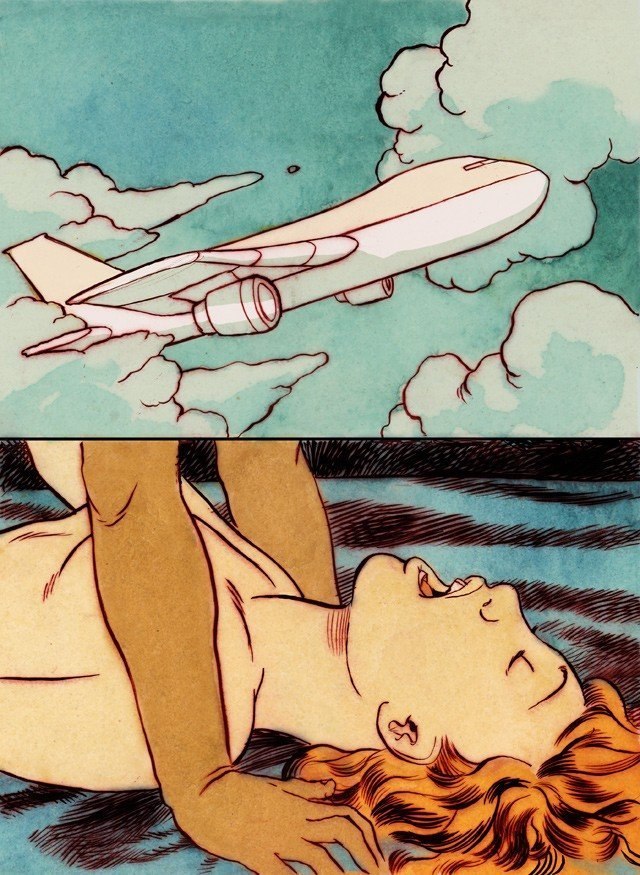 Intricate Artwork by Illustrator Koren Shadmi