Citadel Skyscraper3 photos
Various natural disasters, as well as the threat of a technological crisis, have prompted the need to reorganize the infrastructure of cities and countries and find ways to protect against these catastrophes.
The Citadel Skyscraper project was conceived after numerous natural and man-made disasters that occurred in Japan in recent years, causing irreparable damage to this region.
The project consists of three parts, each designed to implement new structures aimed primarily at providing protection against various disasters.
The first part involves reorganizing land use in all major cities of the country; residents must relocate, while businesses will remain in place. Residents will move closer to the sea and live in specially constructed skyscrapers or citadels.
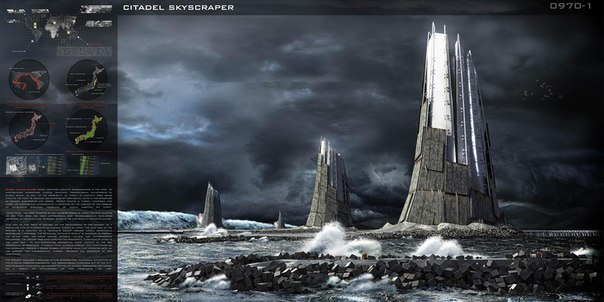
The second part determines the location of these buildings, which will be constructed in a "leaf" shape, creating a barrier approximately 2-3 kilometers away from the coastline. Their primary function is to protect the mainland and its population from tsunamis.These skyscrapers are connected by drainage channels and are capable of withstanding waves up to 50 meters high. They also have "protective sails" that generate intense sound dissonance, which destroys incoming waves upon impact.
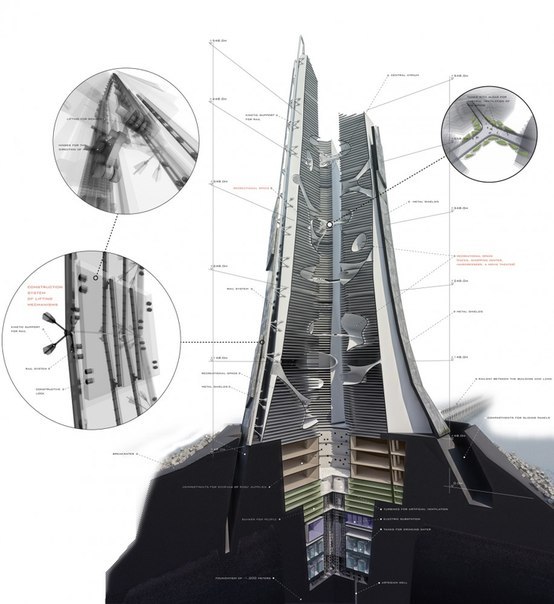
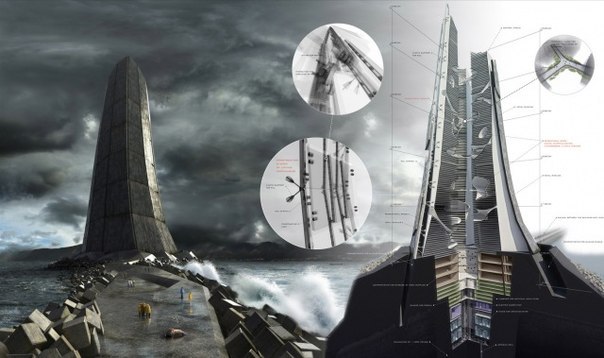
The third part of the plan focuses on the design of these protective skyscrapers themselves. Their metal frames are buried 1200 meters deep in the ground and reinforced with a foundation. These frameworks can withstand earthquakes (up to 11 degrees on the Richter scale), tsunamis (up to 40 feet high), and even nuclear explosions.Inside, these citadels serve primarily as residential areas, with rest areas and mini-parks every 50 meters. You can also visit restaurants, cafes, shops, cinemas, and laundromats.
The outer layer of the citadel protects against natural disasters, but interior ventilation systems, spaced every 100 meters, use hydroponic algae to produce oxygen and absorb carbon dioxide. These citadels are connected to the city, coastal areas, and high-speed trains through a network of tunnels.
The Citadel Skyscraper project was conceived after numerous natural and man-made disasters that occurred in Japan in recent years, causing irreparable damage to this region.
The project consists of three parts, each designed to implement new structures aimed primarily at providing protection against various disasters.
The first part involves reorganizing land use in all major cities of the country; residents must relocate, while businesses will remain in place. Residents will move closer to the sea and live in specially constructed skyscrapers or citadels.
The second part determines the location of these buildings, which will be constructed in a "leaf" shape, creating a barrier approximately 2-3 kilometers away from the coastline. Their primary function is to protect the mainland and its population from tsunamis.These skyscrapers are connected by drainage channels and are capable of withstanding waves up to 50 meters high. They also have "protective sails" that generate intense sound dissonance, which destroys incoming waves upon impact.
The third part of the plan focuses on the design of these protective skyscrapers themselves. Their metal frames are buried 1200 meters deep in the ground and reinforced with a foundation. These frameworks can withstand earthquakes (up to 11 degrees on the Richter scale), tsunamis (up to 40 feet high), and even nuclear explosions.Inside, these citadels serve primarily as residential areas, with rest areas and mini-parks every 50 meters. You can also visit restaurants, cafes, shops, cinemas, and laundromats.
The outer layer of the citadel protects against natural disasters, but interior ventilation systems, spaced every 100 meters, use hydroponic algae to produce oxygen and absorb carbon dioxide. These citadels are connected to the city, coastal areas, and high-speed trains through a network of tunnels.
Find the Best Professionals for Your Project
Expert repair, construction, and renovation specialists ready to help you right now
Recommended Galleries
Recommended articles


More Galleries
 Australians Tuned up the "Niva"
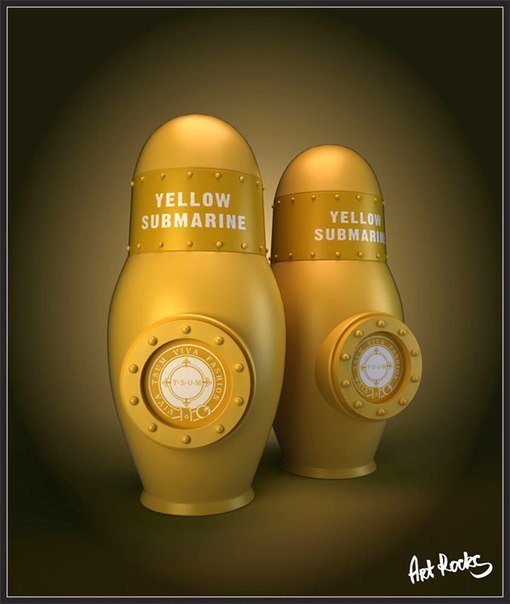 """Art Rocks"""" Matrashes created by designer Pavel Kulinsky for window displays in department stores
 Yoga for Animals by Photographer Dan Borris
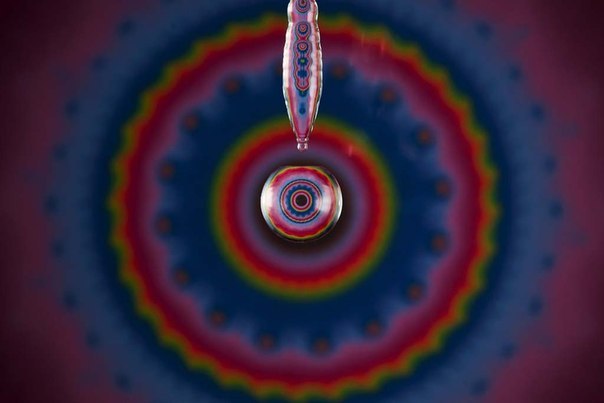 Incredible Reflections in a Drop of Water
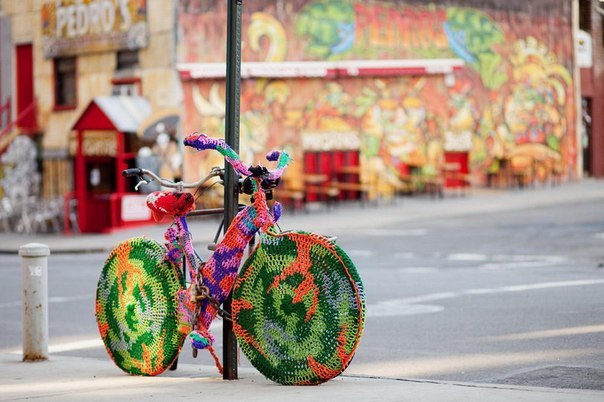 Yarnbombing: Wrapping Knitwear Around Urban Objects That Were Never Meant to Be Decorated In This Way – Posts and Articles,</td>\n "home_text": "<p>Yarnbombing seems to have its true originator: Magda Sieg, who first decorated the entrance doors of her small handmade clothing store with a knitted cover.</p>
 Photographer Carly Davidson creates unique portraits of dogs in motion
 Strange and Rare Animals of Our Planet
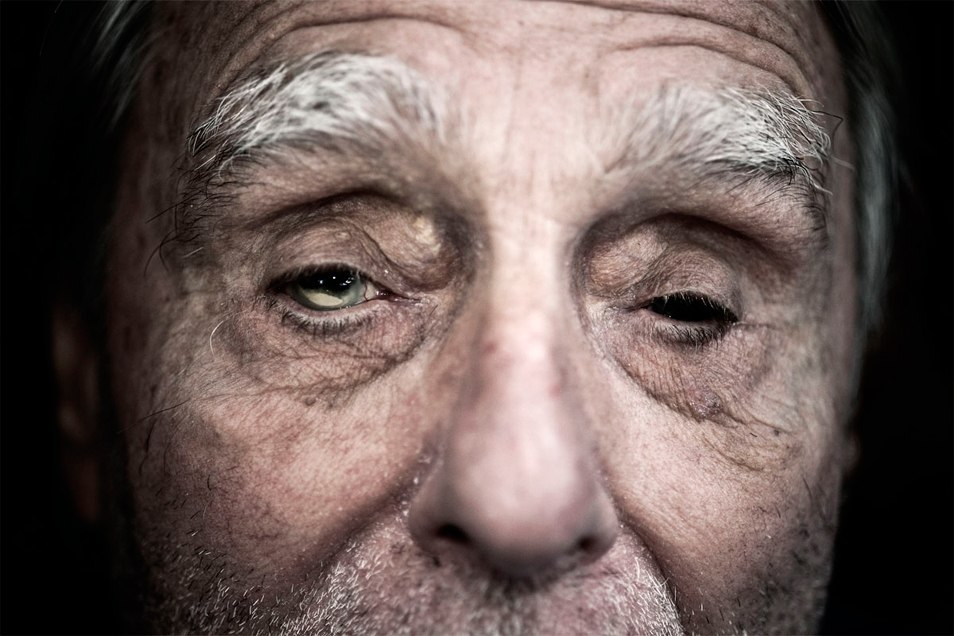 Happy With What You Have
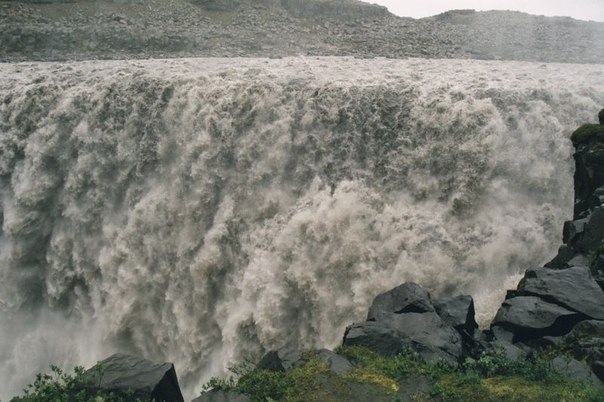 Dettifoss ("The Boiling Waterfall") is not only the largest waterfall in Iceland but also the most powerful one in all of Europe,</tit>\n "home_text": "<p>The average water flow here reaches up to 500 cubic meters per second, and in terms of the visual impact it is hardly inferior to Niagara. <br>The most powerful waterfall in Europe can be found in northeastern Iceland, on a river with a difficult-to-pronounce name: Jökulsáúr-Fjöðlum, located within the Jökulsáurgljúfur national park.</p>
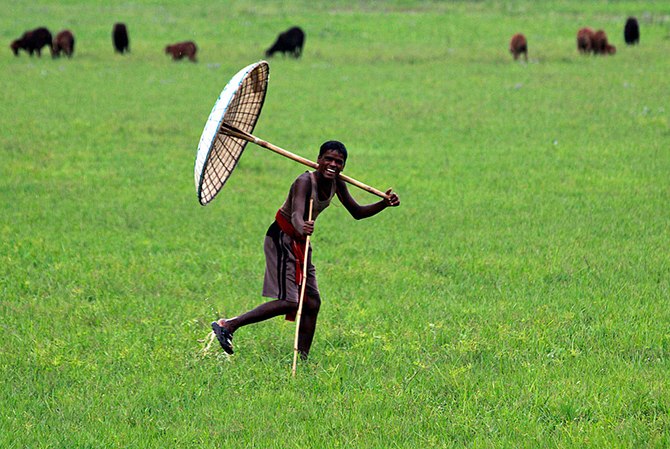 Scenes from Life in Different Countries in April 2013
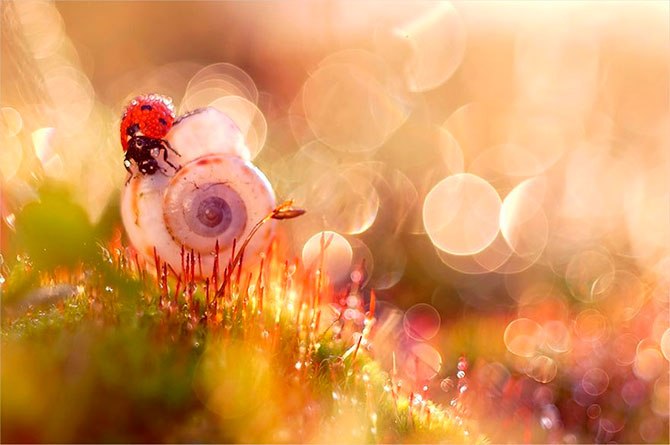 The magical works of Polish macrophotographer Magdalena Wasiczek. Unusual photo retouching, original effects, and stunningly beautiful close-ups highlight the photographer's creative style.
 Katharine Hepburn Was Born on May 12, 1907, but Later Reduced Her Age by More Than 2 Years, Claiming She Was Born on November 8, 1909, the Date of Her Younger Brother’s Birth