Diego Velázquez2 photos
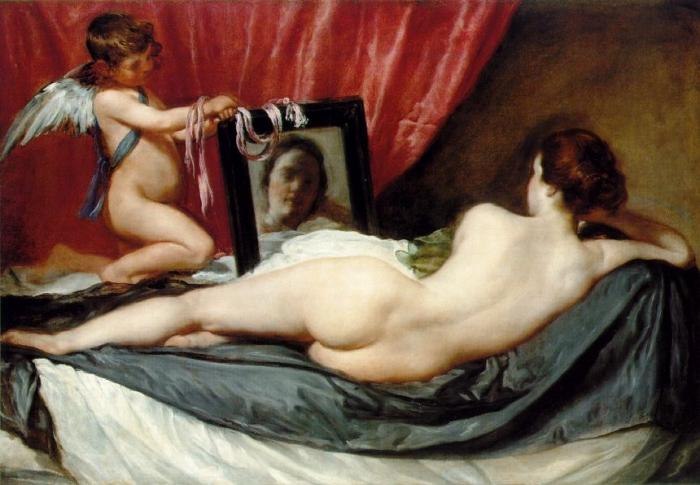
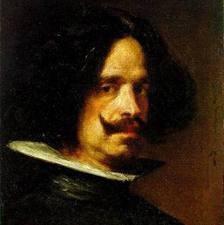
The creativity of Velázquez represents the pinnacle of 17th-century Spanish painting and is one of the most brilliant manifestations in world art. His works stood out not only for their artistic range but also for the boldness and innovation of their artistic approaches. A man of high moral integrity, he was dubbed by his contemporaries as “the artist of Truth.”
Diego Rodríguez de Silva Velázquez was born on June 6, 1599, in Seville, Spain. By the age of 10, he had already demonstrated talent for visual arts and was sent to study under renowned masters such as Herrera and Pacheco (whose daughter Diego later married). The boy’s artistic gifts developed rapidly, and by 18 he had been granted the status of a master artist.
In the following years, Velázquez worked in Seville. Most of his paintings from this period were created in the “bodegones” style—depictions of everyday life and scenes involving ordinary people, such as “Breakfast,” “The Old Cook,” and “The Water Carrier.” Several biblical themes were also depicted in this style, including “The Worship of the Shepherds” and “Christ in the House of Martha and Mary.”
Despite his young age, Velázquez had already gained fame and a good reputation in Seville. In 1623, he moved to Madrid and was soon appointed court painter, with the exclusive privilege of painting portraits of King Philip IV and members of his family, as well as nobility and court officials. His exposure to the royal collection of paintings—works by Raphael, Da Vinci, Titian, and other famous masters—as well as his interactions with the cultural elite and meetings with Rubens greatly influenced his artistic development.
In 1629, Velázquez traveled to Italy for two years, where he studied ancient monuments and the works of Renaissance masters. There he created the painting “The Presentation of Joseph’s Clothes to Jacob” and a work based on mythological themes, “The Forge of Vulcan.” However, his most significant work from the 1630s is undoubtedly “The Surrender of Breda” (1634), which became one of the greatest masterpieces in the historical painting genre.
Alongside his historical paintings, Velázquez also produced a series of portraits depicting various aspects of Spanish society, including royal family members, nobility, court officials, friends, and students. His portraits are characterized by profound wisdom, impartiality, and humanity.
Velázquez’s court career progressed alongside the growth of his artistic talent. He received numerous honors and awards at Philip IV’s court, was granted the rank of Knight of the Order of Santiago, Spain’s highest noble order, and was even elected a member of the Roman Academy of Saint Luke and the Pontifical Academy of Arts and Sciences. He died on August 6, 1660, in Madrid. After his death, approximately 120 of his paintings survived, with nearly fifty of them currently housed in the Prado Museum.
Find the Best Professionals for Your Project
Expert repair, construction, and renovation specialists ready to help you right now
Recommended Galleries
Recommended articles


More Galleries
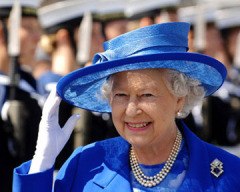 Queen Elizabeth’s Birthday in New Zealand
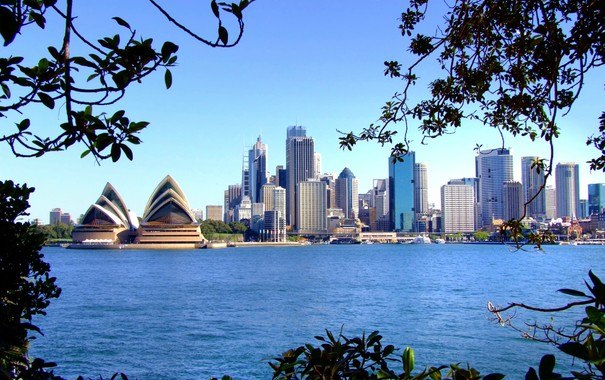 Australia Day
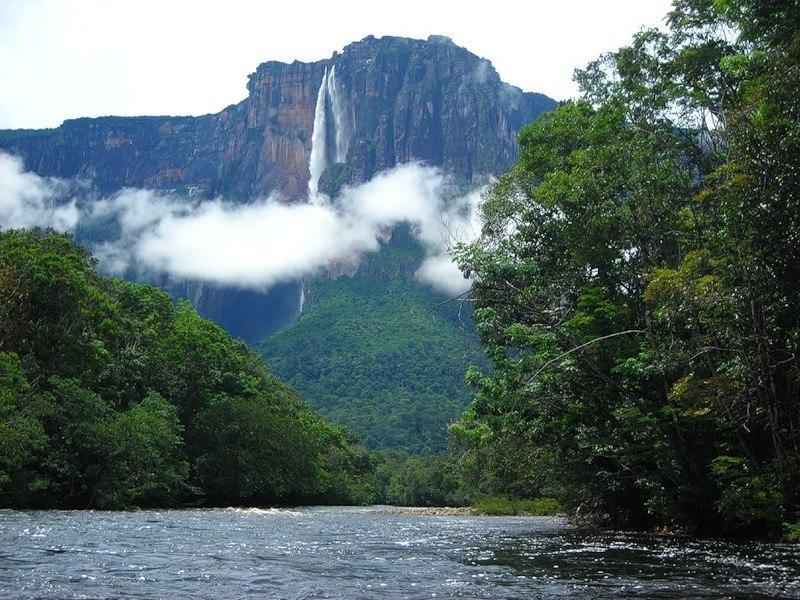 #### Angel Falls in Venezuela
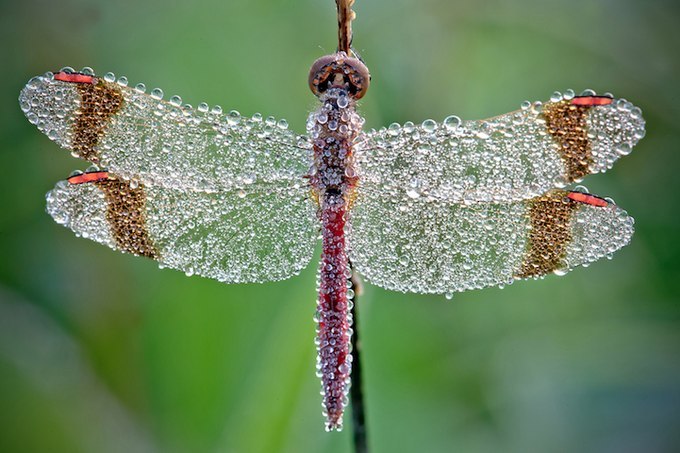 Macro photography of insects by David Chambon
 #### Plush Toys Cows from Iowa
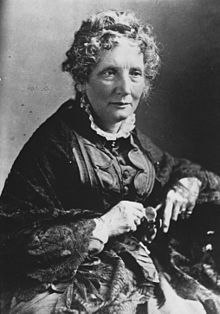 162 years ago, the Washington weekly “National Era” began publishing Harriet Beecher Stowe’s novel “Uncle Tom’s Cabin”.
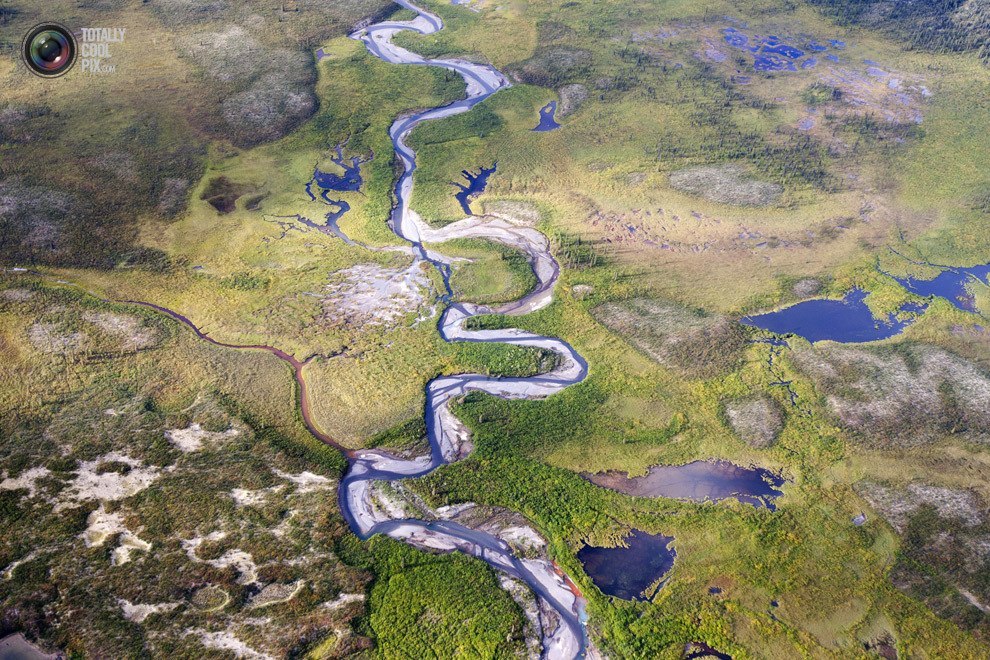 The beauty of the planet Earth in photographs
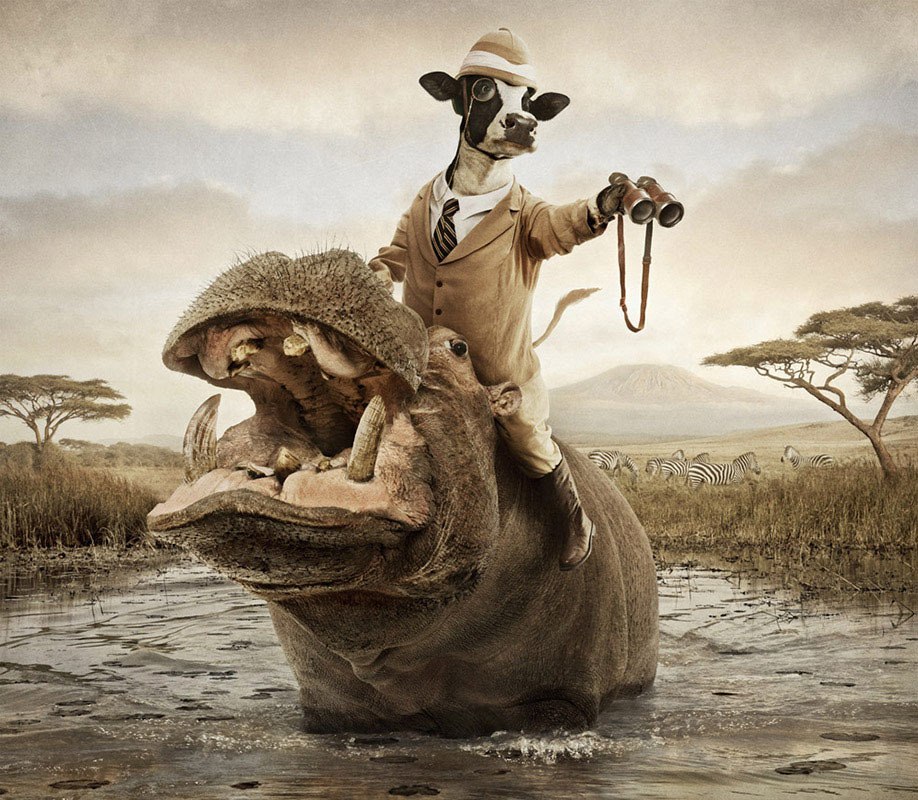 American photographer Andy Mahr created a funny and amusing calendar titled “Trail Grazers,” which is used to promote products from the Chick-fil-A company.
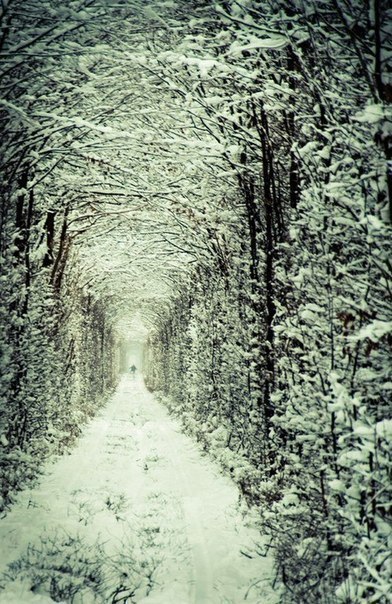 """Tunnel of Love", Klevan, Ukraine"
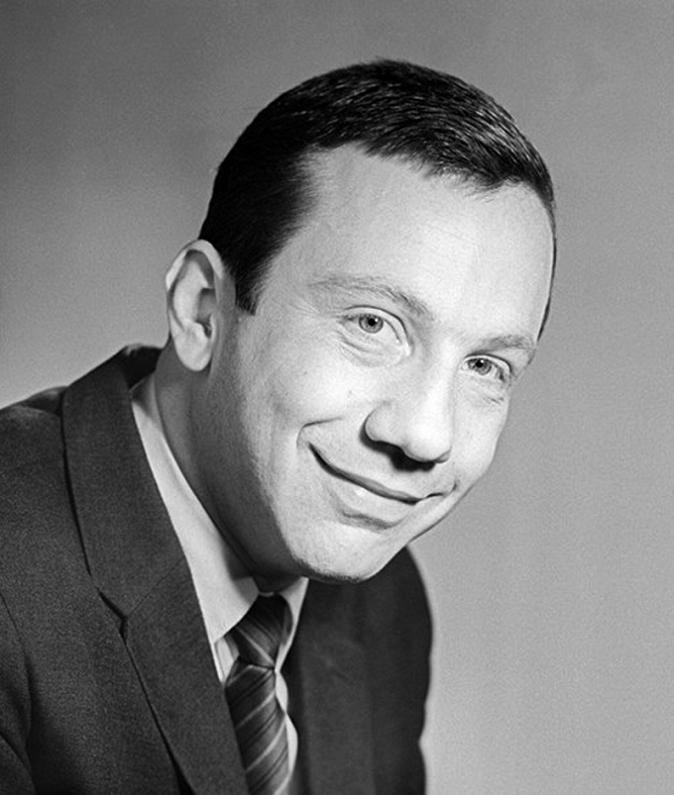 Savely Viktorovich Kramarov was born on October 13, 1934, in Moscow, into a family of lawyers. In the 1930s, his father was arrested and labeled as a “enemy of the people”; he died in a labor camp, and shortly thereafter, Savely’s mother also passed away. He was raised by his uncle. Kramarov dreamed of becoming a lawyer, but…
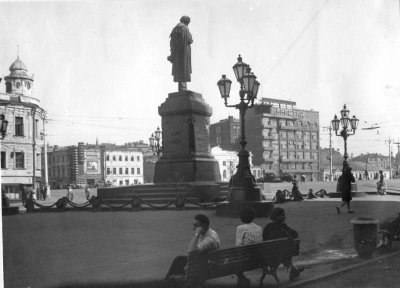 133 years ago, a monument to Alexander Sergeyevich Pushkin was inaugurated in Moscow. On the day of its opening, on June 6, 1880, starting at 10 a.m., dense crowds of people began gathering in Moscow near the Square beside the Strastnoy Monastery.
 Slow Motion