How do arbitrary muscles contract?1 photos
Muscles make up about half the mass of our body. They are constantly in the work, fasten the skeleton, provide a heartbeat and let the food through the digestive tract.
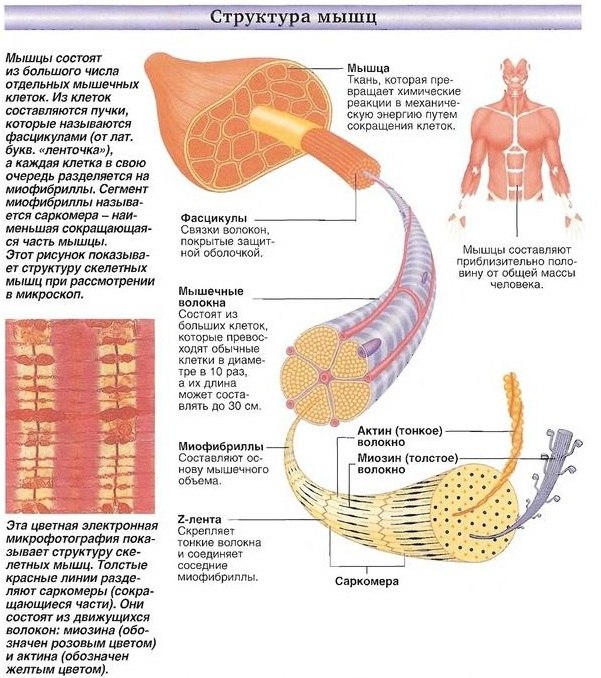
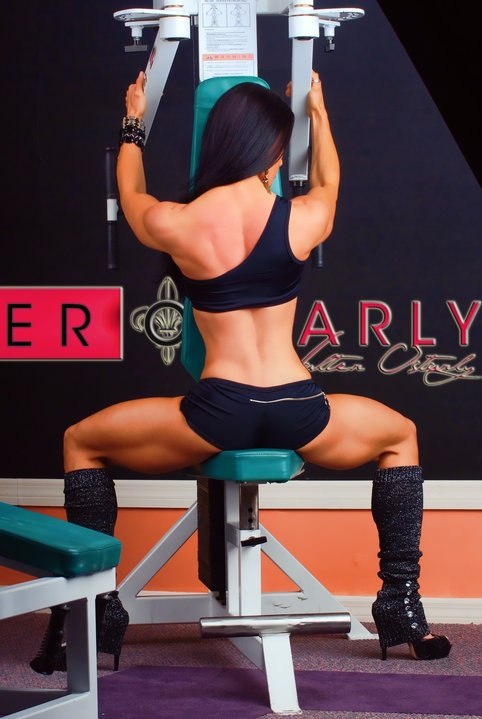
Muscles & ndash; these are fabrics that can shrink. There are two main muscle groups: voluntary and involuntary. We can control the actions of arbitrary muscles, they take part in the movement of the body .. Involuntary muscles are not under constant control of the brain. They are controlled automatically, with the help of special sections of our nervous system and are located outside the skeletal part of our body. For example, the heart consists of uncontrolled muscles, and its beating is not subject to our control ..
Arbitrary muscles that provide bone movement are called striated. If you examine them under a microscope, you can see that they have a striped structure and look like bundles of muscle fibers, tightly fastened to each other. Each muscle fiber is one long multi-core cell that stretches from one end of the muscle to the other. . Inside there are many long thin filaments, which are called myofibrils. They, in turn, consist of two kinds of smaller, intertwined protein filaments, which are formed from actin and myosin and give the myofibril a fibrous appearance. The edges of each neighboring myofibrils are lined up so that the cell looks striated. . Muscle contraction.
Muscles contract when they are affected by a nerve impulse, which leads to a series of chemical reactions occurring in the muscle fibers. . Each group of fibers is located in a small chamber (sarcomere), in which thin interacting fibers are attached to each other. Between these fibers (in the center of the sarcomers) are large myosin filaments. When energy is fed to muscles (glycogen or animal starch), fibers form chemical bonds. These links are constantly broken and re-formed.
In some respects, myosin fibers work like a ratchet, as a result of which the entire sarcomere becomes shorter and thicker. When the muscle is not stimulated, the chemical processes in it subside. The bonds between the fibers do not form, and as a result the muscles relax. . The contraction of opposing muscles stretches the fibers in different directions. This process is driven by special chemical elements called acetylcholine, which is released by nerve endings in certain areas of muscle fibers.
The muscle remains contracted while it contains acetylcholine.
Find the Best Professionals for Your Project
Expert repair, construction, and renovation specialists ready to help you right now
Recommended Galleries
Recommended articles



More Galleries
 The Former Aladyn's Revenue-Generating Property.
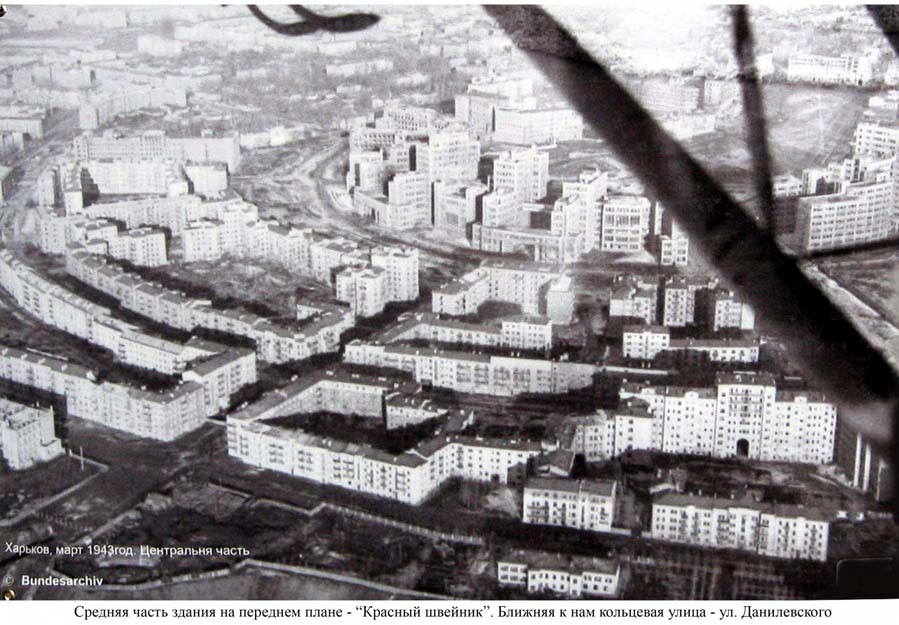 [club1543502|The "Red Seamstress" House.
![[club1543502|Ludwig von Sobotka Avenue].](/storage/images/mixx/2013-11/f94298965045d62d.jpg) [club1543502|Ludwig von Sobotka Avenue].
[club1543502|Ludwig von Sobotka Avenue].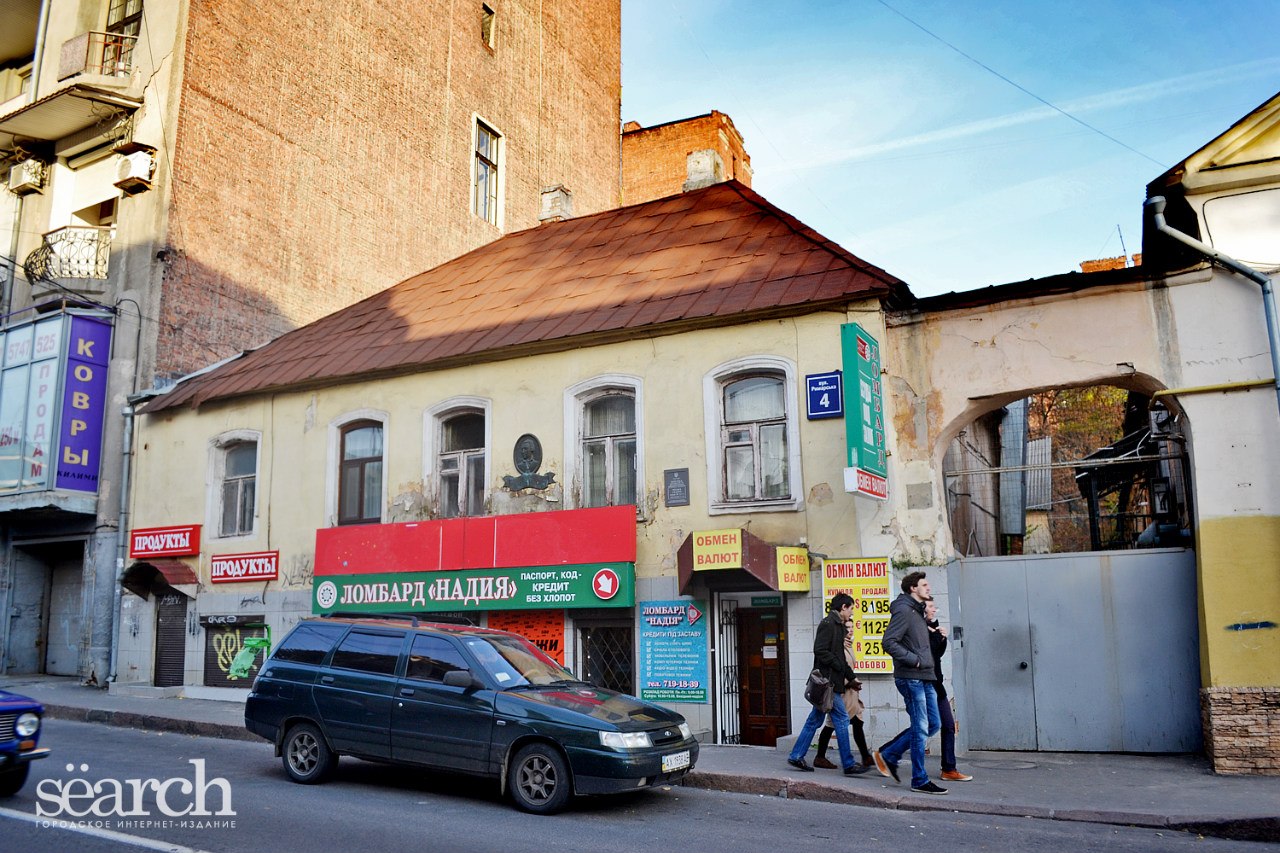 [club1543502|One of the oldest houses in Kharkov.
![[club1543502|Suzdal Courtyard].](/storage/images/mixx/2013-11/2c9f72a870f8a7fd.jpg) [club1543502|Suzdal Courtyard].
[club1543502|Suzdal Courtyard].![[club1543502|Main Street]. The Sumskaya Street appeared at the same time as the Kharkov Fortress, as a road leading to the city of Sumy.](/storage/images/mixx/2013-11/0ff426a58567fe78.jpg) [club1543502|Main Street]. The Sumskaya Street appeared at the same time as the Kharkov Fortress, as a road leading to the city of Sumy.
[club1543502|Main Street]. The Sumskaya Street appeared at the same time as the Kharkov Fortress, as a road leading to the city of Sumy.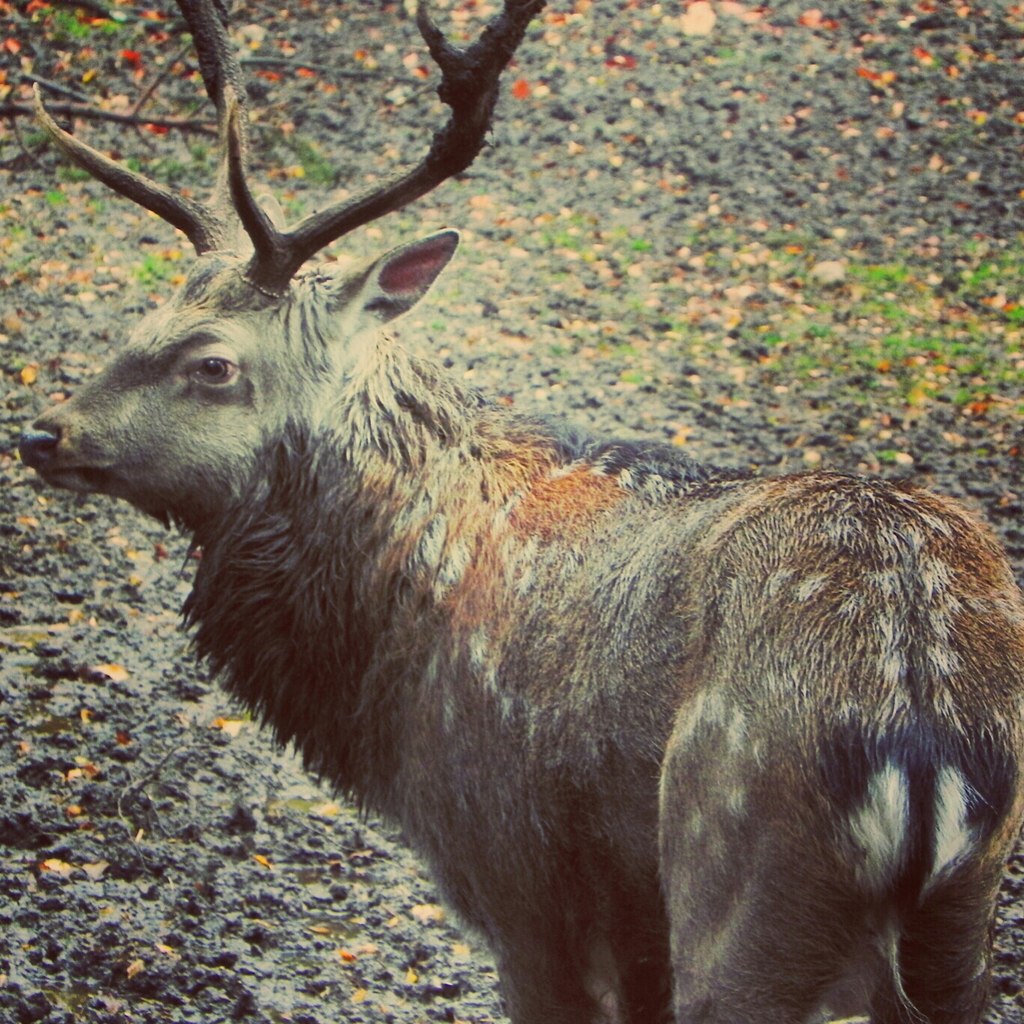 Wild Reserves. City of Lüneburg, Germany.
 Colored umbrellas on the streets of Agueda, Portugal.
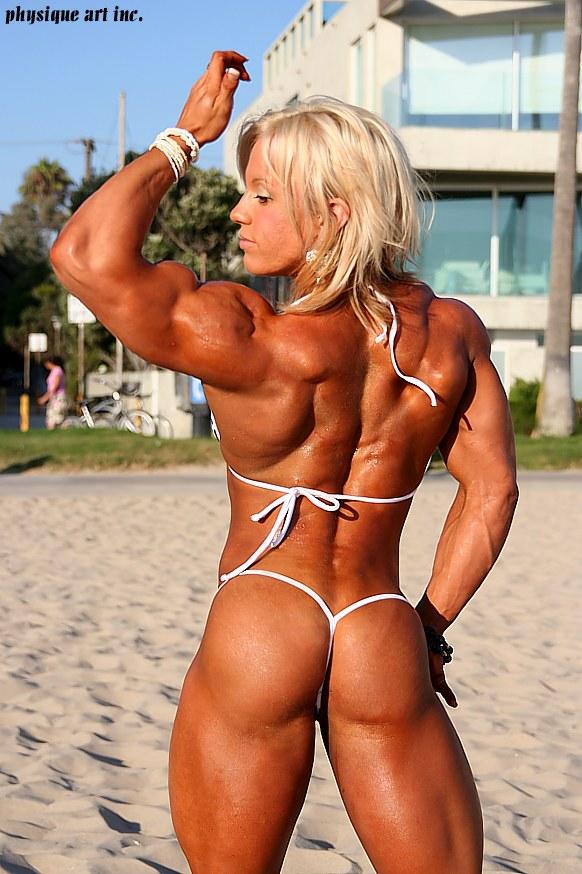 Let's get started working out from morning until evening, shall we? How about you start by sharing with us some of your training experiences and stories? Could you tell us a little bit about your fitness journey?
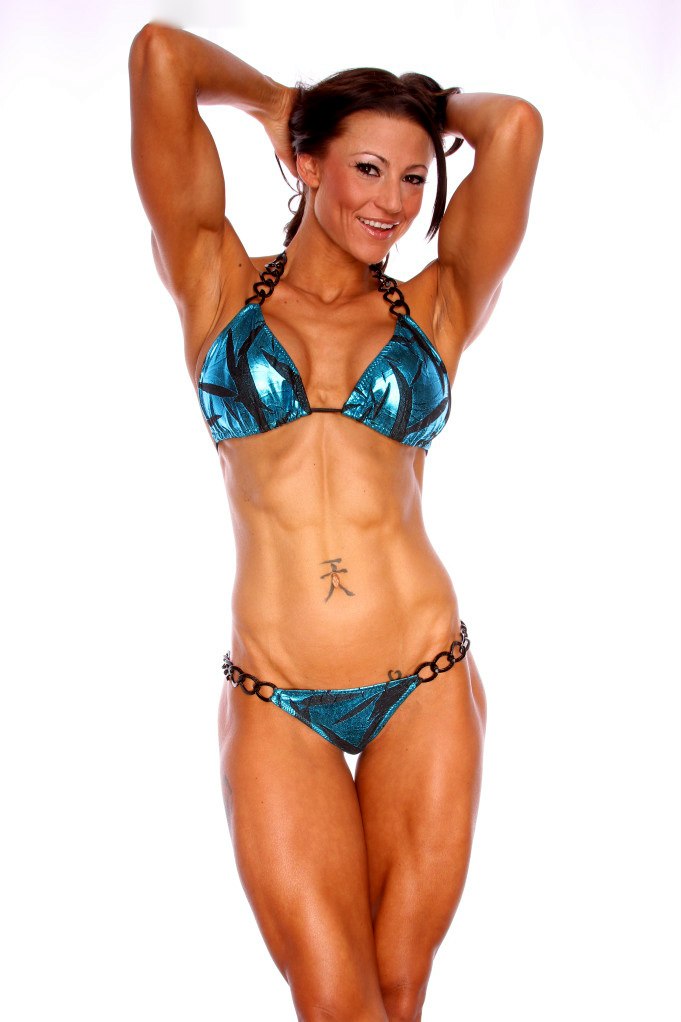 Chelsea González. 30 years old<br>176 cm in height<br>Weight: 56 kg during the season; 61 kg during the off-season.
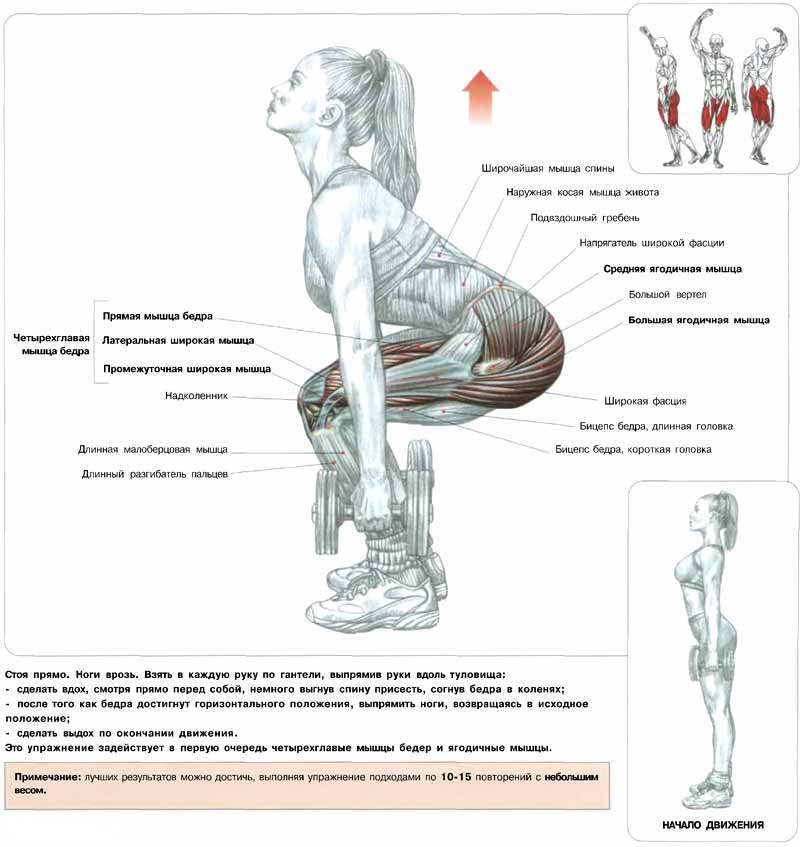 Squatting with dumbbells. Squatting with dumbbells is very well suited for training quadriceps.
 Samantha Baker. 32 years old.<br>59 kg<br>173 cm.