MENU SPORTSMAN. I PART. SIX MAIN GROUPS.1 photos
MENU:
COMPILATION. In drawing up the menu, first of all, one should proceed from the caloric intake of the ration and the required amount of nutrients for the sport, as well as taking into account the individual characteristics and tastes of the athletes. Frequent repetition of the same dishes is not recommended .. These recommendations provide information on the caloric content and chemical composition of basic foods and various dishes. These materials can undoubtedly be useful in drawing up the menu and choosing foods and dishes in accordance with the needs of an athlete.in ..
MENU SPORTSMAN. SIX MAIN GROUPS ..
First group — milk, cheese and dairy products: cottage cheese, kefir, yogurt, etc.
The second group — meat, poultry, fish, eggs n products, and made from them ..
The third group — flour, bakery products, cereals, sugar, pasta and confectionery products, potatoes ..
Fourth group — fats ..
Fifth group — vegetables ..
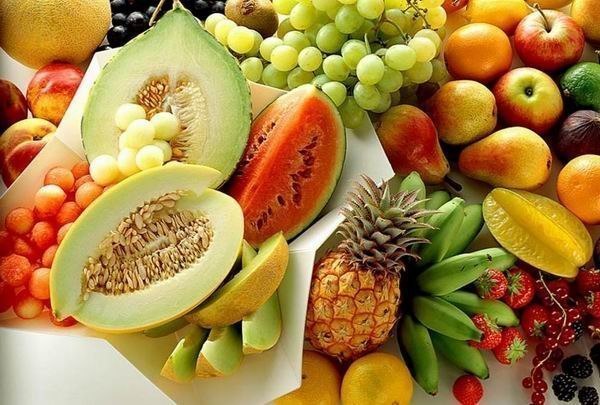
The sixth group of products — fruits and berries ..
The first and second groups of products are the main sources of complete animal protein. They contain an optimal set of amino acids and are used to build and update the basic structures of the body ..
Very valuable is milk and dairy products, which very successfully combine high-grade proteins, easily digestible fats, some minerals and vitamins. For example, 100 g of milk contains about 3 g of protein, 3 & 3.5 g of emulsified readily absorbable fat, a large amount of easily digestible calcium and phosphorus compounds, as well as certain amounts of vitamins A, D and B2. Sour milk retains the basic beneficial properties of milk, and microorganisms contained in it prevent the development of putrefactive germs in the large intestine. Dairy products contain relatively bA large amount of essential amino acid - methionine, which has a pronounced lipotropic effect, i.e., the ability to prevent the development of obesity and liver. The most important source of complete protein is meat. In various varieties of meat and poultry contains from 14 to 24% protein. In addition to protein, meat contains a significant amount of fat, which affects its caloric value and promotes rapid saturation. The presence of fat ranges from 0.5% in veal to 30 & 40% in fatty pork. Meat contains a number of minerals, in particular iron and vitamins. Especially rich in glandsohm and vitamins A, B2, B6, B12 liver. In addition, the composition of meat, which is very important, includes the so-called extractive substances that stimulate the appetite and stimulate the secretion of digestive juices .. The biological value of fish proteins is not lower than meat proteins, since their amino acid composition is very close. Fish proteins are even slightly easier to digest and assimilate in the body than meat proteins. Most fish varieties contain a relatively low percentage of fat: pike perch - 1.0%, cod — 0.5%, carp - 3.5%, etc., which explains more - low calorie, fish products byequal to meat and not so fast possibility of saturation with them. At the same time, fish oil contains a significant amount of vitamin A, as well as a good set of polyunsaturated essential fatty acids ..
An amino acid set of egg proteins can be considered close to the optimal needs of the body. Egg yolk contains a large percentage of fat and phosphatides, a significant amount of iron, easily digestible calcium, phosphorus, as well as vitamins A and D. The third group of products include flour, bakery products, cereals, pasta, sugar and confectionery. The core value of the products of this group — supply the body with energy. Bread occupies a special place among the products of the third group. In the diet of athletes, bread is included in an average of about 500 — 600 g per day.Since bread contains from 40 to 45% of carbohydrates, it provides about 1200 kcal of energy per day. The value of bread is not limited to its energy value. In various varieties it contains from 4.7 to 7% protein. Despite the fact that bread proteins are not fully valuable due to the lack of essential amino acids such as lysine, methionine and tryptophan, with a varied diet and the correct combination of plant proteins with animals, especially dairy, the digestibility of bread proteins can be increased. It should be noted that bread baked from coarse flour containing valueThe total amount of B vitamins and mineral salts ..
Valuable products of this group are cereals containing a significant amount of carbohydrates, protein, and minerals. In the diets of athletes, it is advisable to include meals of oatmeal, which, along with a significant amount of carbohydrates, also contains lipotropic substances — methionine and choline ..
Sugar as a product is only energy value, because it is a pure carbohydrate. In practice, it does not contain any vitamins or trace elements ..
Fats in the fourth group of products are genuine energy concentrates. The biological value of fat is determined primarily by its high calorie content. No product can be compared in its energy value with fat. For example, in its caloric value of 25 g of fat, there correspond 100 g of bread, 175 g of meat, 320 g of milk, 225 g of potatoes, and 700 g of cabbage. The energy value of many other products depends on their fat content, which mainly explains the feeling of satiety that comes after taking relatively small amounts of fatty foods.
Together with fats, the body receives essential fat-soluble vitamins. Vitamins A and D are found in large quantities in fat, liver of fish and marine animals and in very small amounts in vegetable oils, but vitamin E is much more in vegetable oils .. Vegetables and fruits in the fifth and sixth groups are the most important suppliers of vitamins. C, P, some vitamins of group B, provitamin A — carotene, mineral salts (especially potassium salts), a number of microelements, carbohydrates, phytoncides, contributing to the destruction of pathogenic microbes and, finally, ballast substances,necessary for the normal functioning of the intestines .. A very important property of vegetables is their ability to significantly increase the secretion of digestive juices and enhance their enzymatic activity .. Meat and fish dishes are better absorbed by the body if used with vegetables. Vegetable dishes enhance the secretion of digestive juices and, thereby, prepare the digestive tract for the digestion of protein and fatty foods. Therefore, lunch is useful to start with vegetable appetizers: salads and salads, but the ideas are already moving on to soups, borscht, etc. Vegetables are not only suppliers of important food items.TV and vitamins, they are also dynamic regulators of digestion, increase the ability to assimilate nutrients, and hence the biological value of most products ..
Vegetables and fruits play an important role in the normalization of alkaline-acid balance, which is disturbed after intense muscular loads, as a result of which large amounts of acidic foods appear in the body. Vegetables and fruits contain significant amounts of alkaline salts and alkaline earth metals, which cover the deficit in products that have basic properties in an athlete's body .. Due to the large amount of fiber in vegetables, they are good natural stimulants of the motor, bowel function. From this point of view, very helpful withVekla, carrots, prunes, rhubarb, and others. In addition to the above data on products that are sources of basic nutrients — proteins, fats and carbohydrates, these recommendations provide information about products, especially rich in certain minerals and vitamins ..
In drawing up the menu, one should pay attention to the content of phosphorus, calcium, iron and magnesium salts in the products, the need for which during intense muscle work increases .. The main sources of calcium are milk, cheese, cottage cheese, sour cream, eggs. They are relatively rich in legumes, oatmeal and buckwheat groats, cabbage, apricots, prunes, walnuts. However, calcium from plant foods is absorbed much worse than dairy products. A lot of phosphorus is found in milk and dairy products, eggs, meat, liver, fish, as well as in legumes, oatmeal and buckwheat groats, bread .. NeobIt should be remembered that it is important not only to provide the body with enough calcium and phosphorus, it is equally important that the optimum ratio of these salts in the diet is observed. According to the formula of a balanced diet, the ratio of calcium and phosphorus corresponds to 1: 1.5.
In the preparation of the menu should be selected products that complement each other on the content of phosphorus and calcium. For example, products with a high content of phosphorus (meat, fish, liver), it is advisable to combine with products containing a sufficient amount of calcium. Sources of iron are mainly liver and meat, legumes, wheat and rye flour, oatmeal, peaches, apples, plums, etc. Of iron, plant foods are absorbed much worse than of animal products .. Magnesium is mainly supplied by plant products beforeWhole bread, cereals and legumes .. Potassium is found in very many products, especially vegetable products (legumes, potatoes, dried apricots, raisins, etc.) are rich in them.

Find the Best Professionals for Your Project
Expert repair, construction, and renovation specialists ready to help you right now
Recommended Galleries
Recommended articles




More Galleries
 Offer!<br>Magical bouquets of toys available only today at special prices!
 Offer!<br>Magical toy bouquets, available only today at special prices!
 Top 8 most useful fruits.
 Relief of the muscles. What is needed for muscle relief?
 Another view on how to train properly on drying.
 RELIEF PRESS IN 6 WEEKS.
 Effective exercises for the press.
 TOP most healthy breakfast!
 A set of stretching exercises <br>This set of exercises does not claim to be the best for the development of flexibility and stretching of muscles, but it is actually used by athletes and is not invented just for a couple of minutes.
 Female breasts. How to make it more attractive?
 How to make health juices.
 In the armpit zone, the most “stubborn” stocks usually accumulate, so you still have to train.