Mikhail Bulgakov and Tatyana Lappa: Fire, Water, and Coppers Pipes2 photos
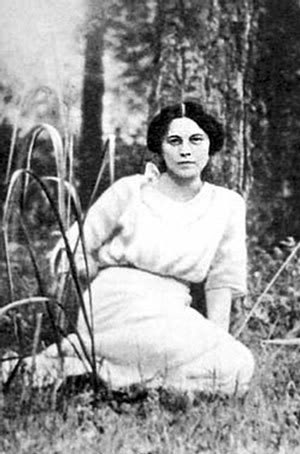
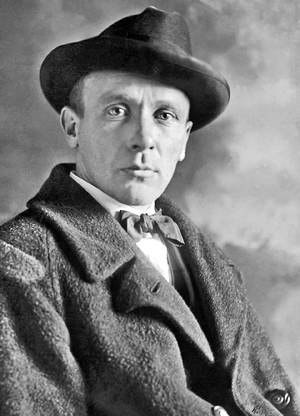
Michail Bulgakov died in great suffering. It was hard to believe that this exhausted man had once been a tall, blue-eyed young man who later became a great writer. Many things happened in Bulgakov’s life—there were dazzling successes and periods of extreme poverty; he was loved by stunningly beautiful women, and he knew many prominent people of his time. But before his death, all he remembered was his first love—the woman whom he had treated badly and for whom he felt he needed to atone, Tatyana Nikolaevna Lappa. The trials brought by family… A summer in Kiev. Beautiful couples strolled along the riverbank, the carved leaves of the chestnut trees swayed gently in the breeze, and the air was filled with unfamiliar yet pleasant scents—after coming from the provincial Saratov, it felt like you had arrived at a fairy-tale ball. Such was the impression 16-year-old Tatyana Lappa got when she went to visit her aunt in Kiev in 1908. “I’ll introduce you to a boy; he will show you around the city,” her aunt said to her young niece. Tania and Mikhail were perfect for each other—they were of the same age, both came from good families (Tania’s father was the head of the Saratov Treasury Office, while Mikhail came from a family with a professor at the Kiev Theological Academy), so it wasn’t surprising that they quickly developed deep feelings for each other. When the holidays ended and Tania returned to Saratov, the lovers continued to correspond and maintain their relationship, much to the disapproval of their families. It was understandable for their parents—Bulgakov’s mother was worried that he had abandoned his university studies, and Tania’s parents were horrified by a telegram sent by Bulgakov’s friend that read: “Lie about coming here. Misha is trying to commit suicide.” After Tania’s parents refused to let her go to Kiev for the holidays, this telegram caused them great distress. But as often happens, such obstacles only strengthened the couple’s bond. In 1911, Bulgakov went to Saratov to meet his future in-laws. By 1913, their parents finally accepted their children’s decision (by then, Tania had already become pregnant and had had an abortion), and gave their consent to the marriage. They stood before the altar, beautiful and happy. But neither of them could take the moment seriously—they kept laughing. “How well they match in their carefree natures!” Bulgakov’s sister Vera once said about them, and indeed, at that time, it was true. However, over time, that carefree attitude vanished completely. The trial of war came in 1916—all the medical students at the university where Bulgakov studied were sent to work in local hospitals. Mikhail and Tania ended up in Smolensk. On their first night there, a woman giving birth was brought into the hospital. Her hysterical husband threatened the young, overwhelmed doctor with a pistol and shouted, “If she dies, I’ll kill you!” Tasia helped deliver the baby by reading the relevant pages from a gynecology textbook, while Bulgakov carefully followed the instructions. Fortunately, everything went well. Soon after, Bulgakov was drafted into the army and began working as a military doctor in hospitals. Tania, as the wife of a revolutionary, followed her husband and helped care for the wounded, working as a volunteer nurse. “I held the legs that he had to amputate… At first, it felt terrible, but then it became nothing,” Tasia wrote in her memoirs. After returning from the war, Bulgakov worked as a doctor in a small village called Sychevka, near Smolensk, and Tania joined him there. There were many patients, but most of them died from hunger and lack of medicine, and the young doctor could do little to help them. It was then that Bulgakov became addicted to morphine. Living with an addict is always a struggle, and when surrounded by destruction and poverty, it becomes a real disaster. To obtain morphine, they had to sell their family’s jewelry and give up everything essential. During these difficult times, Bulgakov would sometimes become aggressive—threatening his wife with a gun or even throwing a burning stove at her—and at other times, he would cry and beg her not to send him to a drug rehab center. Tania had to have another abortion because Bulgakov was afraid that the child would be born sick due to his addiction. In February 1917, Bulgakov finally went to Moscow to seek treatment for his drug habit. But it was not the doctors who helped him overcome his addiction—it was his loyal wife, Tania. In the spring of 1918, the couple returned to Kiev, and at her father-in-law’s advice, Tania began diluting each dose of morphine with distilled water. Eventually, she even stopped giving Bulgakov any morphine at all and just gave him water. In Kiev, they lived a relatively peaceful life for one and a half years. In 1919, Bulgakov enlisted in the army again (this time, he served with the White Army) and the couple moved to Vladikavkaz. In the winter of 1920, Mikhail contracted a severe case of typhus, and Tania faced another series of difficult trials. Because her husband was ill, she couldn’t leave the city with the White Army; she had to search the destroyed streets for doctors and sell their remaining jewelry to feed him. At that time, Tasia even resorted to selling their wedding rings—her own and Mikhail’s—and she later believed that this act contributed to the breakdown of their marriage. In the autumn of 1921, they moved to Moscow. A tough struggle for survival began. Bulgakov spent nights writing “The White Guard,” while Tania sat by his side, constantly bringing him bowls of hot water to warm his frozen hands. Their efforts paid off—within a few years, Bulgakov became a famous writer. However, their marriage began to suffer. Tania wasn’t very interested in her husband’s literary pursuits, and as the wife of a writer, she seemed rather unremarkable. Although Bulgakov assured Tania that he would never leave her, he also warned her, “If I see you on the street with another woman, I’ll pretend not to know you.” At that time, Bulgakov was actively flirting with other women. But he never kept his promise to Tania. Eleven years after their wedding, he proposed a divorce to her. The one who played the role of the “spoilsport” was 29-year-old Lyubov Yevgenyevna Belozerskaya, a woman with a complicated background who had recently returned from abroad. She had just ended a relationship and was trying to start another one but was having trouble. So her affair with Bulgakov came at just the right time. Bulgakov found her refined, passionate about literature, witty, and elegant. At first, he suggested that Tania and Belozerskaya share their apartment, but when Tania firmly refused, he packed his things and left. Lyubov Belozerskaya became Bulgakov’s second wife, but he still tried to keep in touch with Tania—sometimes helping her with food or visiting her. Once, he gave her a magazine in which “The White Guard” was published, with a dedication to Lyubov. He explained it this way: “She asked me to do it. I can’t refuse someone from outside my family, but I can refuse my own wife.” The explanation might have seemed polite, but Tania was offended and threw the magazine on the ground. They never saw each other again. Later, Tatyana Lappa married a second time and lived until she was 90 years old, dying in Tuapse. Bulgakov divorced Belozerskaya, and his third wife became Elena Shilovskaya, with whom he stayed together until his death.
Find the Best Professionals for Your Project
Expert repair, construction, and renovation specialists ready to help you right now
Recommended Galleries
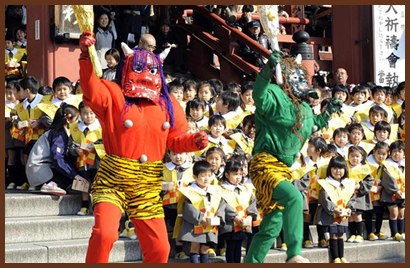
「Ooni wa Soto! Fuku wa Uti!」 This collective chant is always heard in temples, on squares, and at specially designated venues, as well as in Japanese homes on February 3rd. „Evil spirits, go away from the house! Happiness, come into the house!“—this is what these words mean, accompanied by the scattering of dry soybeans. Beans are thrown in handfuls, sometimes hitting nearby participants or patient onlookers, and at home, they land on family members. Scattering soybeans while inviting happiness
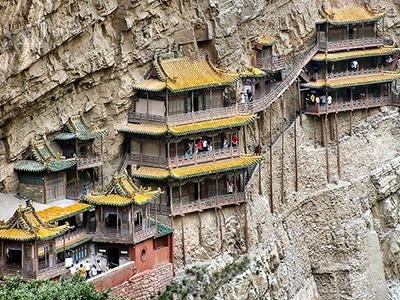
Top 10 of the Most Dangerous Buildings in the World: A List of Fifty Amazing but Also Unbelievably Beautiful Structures That ‘Are About to Fall’

102 years ago, Rolls-Royce created its emblem for its automobiles. On February 4, 1911, the company introduced the famous symbol: a winged woman poised to leap forward. The sculpture was created by Charles Sykes, who named it 'The Spirit of Ecstasy.' The sculptor's favorite model was Eleanor Thornton, who served as the prototype for the statue. Unfortunately, Eleanor met a tragic death near Port Said—she was aboard a ship with Lord Montague, a pioneer of British automotive development. She was h
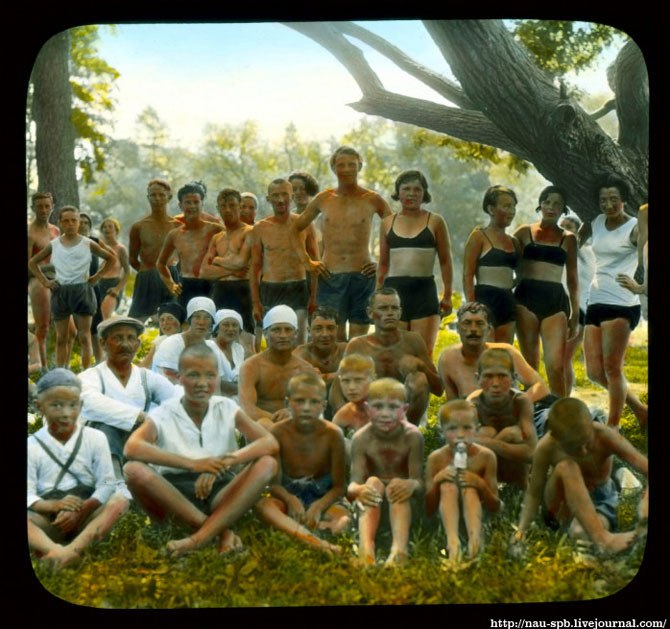
St. Petersburg in 1931 in Color: Photos from the archive of traveler Branson DeCou, taken by him in St. Petersburg in 1931 and later colored with aniline dyes
Recommended articles

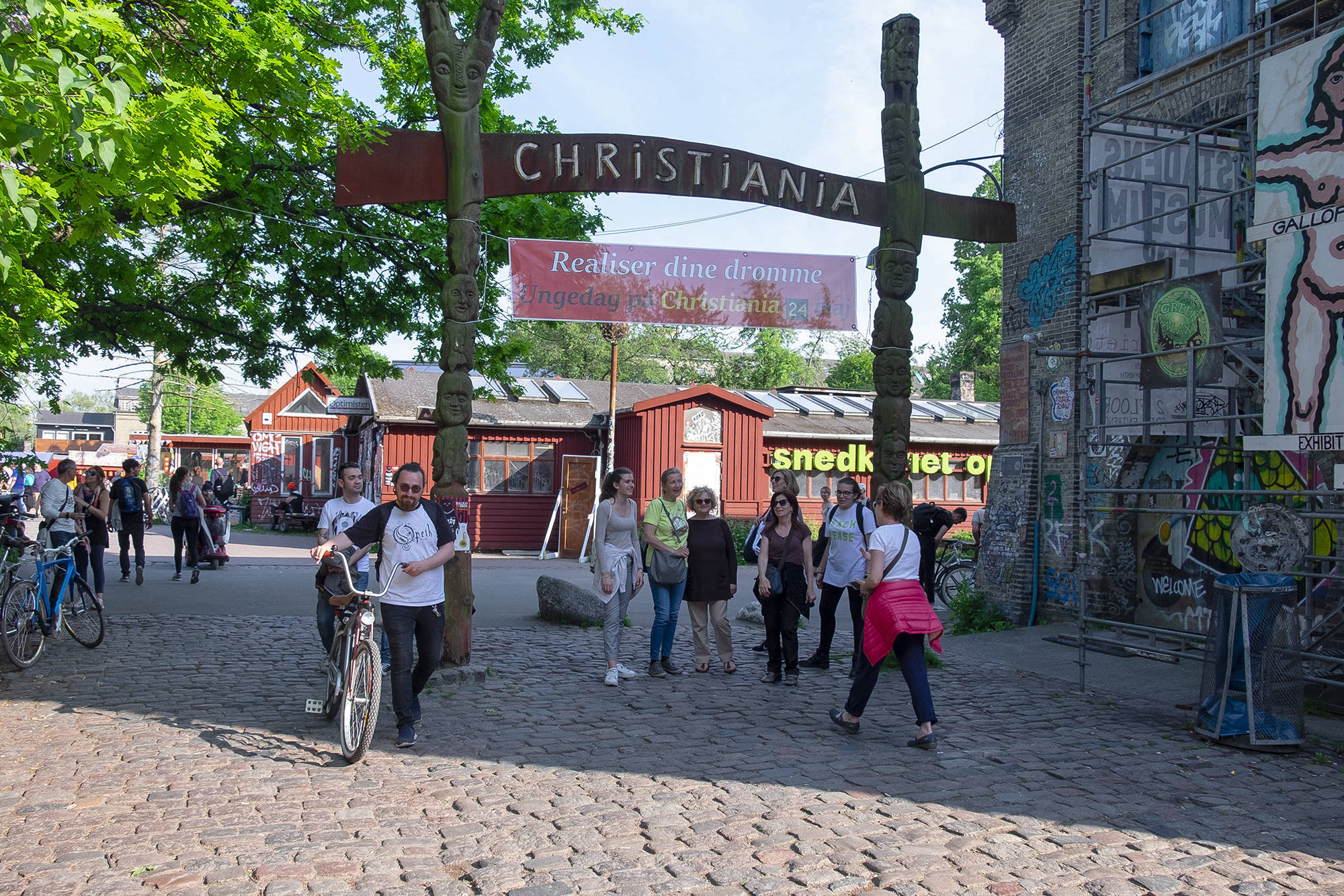


More Galleries
- 「Ooni wa Soto! Fuku wa Uti!」 This collective chant is always heard in temples, on squares, and at specially designated venues, as well as in Japanese homes on February 3rd. „Evil spirits, go away from the house! Happiness, come into the house!“—this is what these words mean, accompanied by the scattering of dry soybeans. Beans are thrown in handfuls, sometimes hitting nearby participants or patient onlookers, and at home, they land on family members. Scattering soybeans while inviting happiness
- Top 10 of the Most Dangerous Buildings in the World: A List of Fifty Amazing but Also Unbelievably Beautiful Structures That ‘Are About to Fall’
- 102 years ago, Rolls-Royce created its emblem for its automobiles. On February 4, 1911, the company introduced the famous symbol: a winged woman poised to leap forward. The sculpture was created by Charles Sykes, who named it 'The Spirit of Ecstasy.' The sculptor's favorite model was Eleanor Thornton, who served as the prototype for the statue. Unfortunately, Eleanor met a tragic death near Port Said—she was aboard a ship with Lord Montague, a pioneer of British automotive development. She was h
- St. Petersburg in 1931 in Color: Photos from the archive of traveler Branson DeCou, taken by him in St. Petersburg in 1931 and later colored with aniline dyes
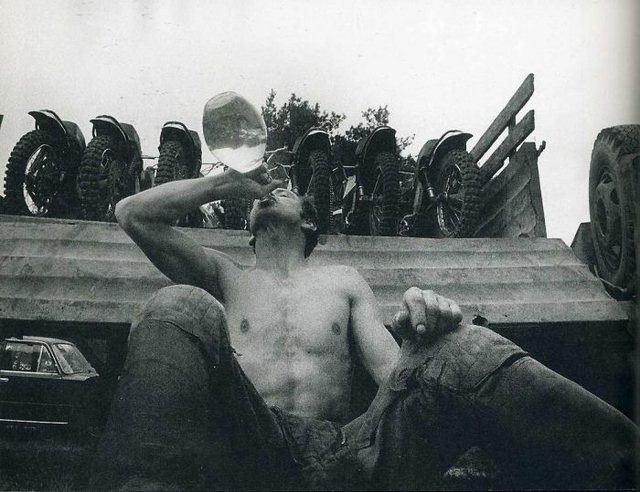 Soviet Reality: A Large Collection of Photos That Circulated Throughout Europe but Were Banned in the Soviet Era. This was one of the first compilations of photos that captured the Russian reality
 Stable Expressions in Images :)
 Interesting Facts about Golf
 The Strangest Monuments in the World: We Don’t Know Where They Are Located, but That Doesn’t Matter, Probably Because the Meaning and Value of These Artworks Are Known Only to Their Creators. So, simply admire the flight of imagination of some sculptors,</p>\n "home_text": "<p>try to guess what they really wanted to convey to us all – the viewers.</p>
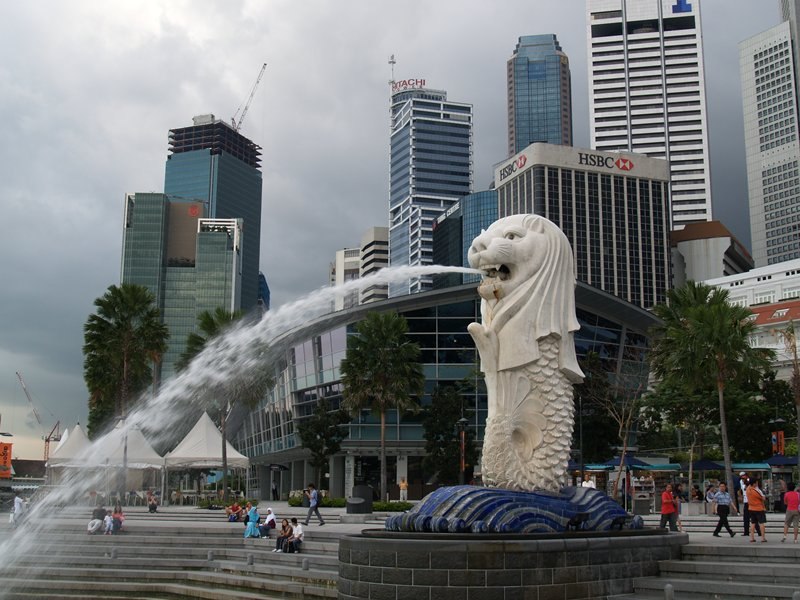 What is the Merlion? It is well known that many cities have their unofficial but quite poetic nicknames. For example, Chicago is known as "The City of Winds," Paris is called "The City of Lights," and Rome has gone down in history as "The Eternal City." Undoubtedly,...
 Bob Marley Day in Jamaica: Celebrating the Life of a Reggae Legend
 February 6th is considered New Zealand's National Day. On this day in 1840, the Treaty of Waitangi was signed on the banks of the Waikanghi River (meaning "noisy waters" in Maori) between the British and the Maori. This treaty forever sowed seeds of discord,</td>\n "home_text": "<p>The history between the Maori and European settlers is complex. By the end of the 19th century, New Zealand was plagued by unfair trade practices and illegal land transactions. Fierce competition also came from Frenc
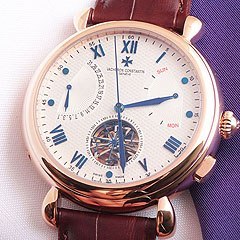 High-quality watches with DOUBLE warranty starting from 3590 rubles. http://vk.com/4asy_pobediteleyAktion? Until February 14 – free shipping! Hurry up and place your order while the benefits last!