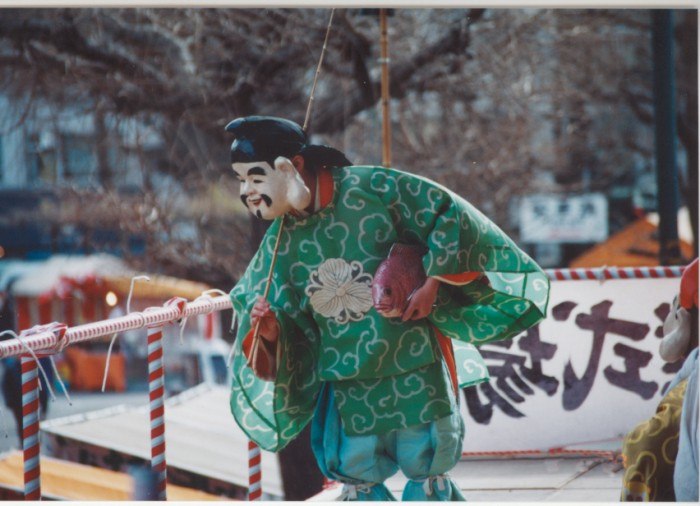
「Ooni wa Soto! Fuku wa Uti!」 This collective chant is always heard in temples, on squares, and at specially designated venues, as well as in Japanese homes on February 3rd. „Evil spirits, go away from the house! Happiness, come into the house!“—this is what these words mean, accompanied by the scattering of dry soybeans. Beans are thrown in handfuls, sometimes hitting nearby participants or patient onlookers, and at home, they land on family members. Scattering soybeans while inviting happiness 3 photos
“They’re here! Get rid of them!” This collective cry can be heard on temples, in squares, at specially designated venues, and even in Japanese homes on February 3rd. “Evil spirits, leave this house! Happiness, come into the house!” These words are accompanied by the scattering of dry soybeans. Beans are thrown in handfuls, sometimes hitting nearby participants or patient onlookers, or even household members inside the houses. Scattering soybeans to invite happiness into the home is a ritual called “Mame-Maki,” one of the important ceremonies of the ancient Setsubun festival. The celebration of Setsubun is one of the oldest and most fascinating traditions in Japan. Its origins are linked to the Chinese philosophical concept of yin and yang.
Yin and yang represent two opposing forces that underlie the universe: light and darkness, positive and negative, active and passive, feminine and masculine. It was believed that during the transition between seasons, these forces clashed, leading to various misfortunes. The term “Setsubun” itself is directly related to this seasonal shift. In Japan, Setsubun traditionally refers to the night between February 3rd and 4th, the eve of Risshin—the day of spring according to the lunar calendar. Legend has it that in ancient times, a plague caused many deaths, and demons and evil spirits were blamed for this disaster.
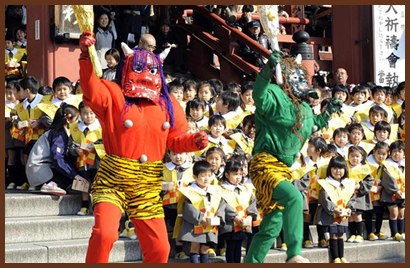
People believed that scattering roasted beans could expel these evil spirits and bring prosperity. Thus, the Mame-Maki ritual was born to ward off misfortune and invite good fortune, happiness, and luck into the home. In ancient times, this ritual marked the beginning of the new year according to the lunar calendar. Even today, it is performed to drive away all bad luck and welcome positivity into one’s home. In families with young children, the ritual often turns into a fun game—someone (usually a father or grandfather) is dressed up as a demon and chased around the house while others throw soybeans at them.
In some schools, students make masks of evil spirits and have great fun throwing beans at each other during Setsubun. According to legend, after the ritual, every family member should eat as many soybeans as they are years old. Nowadays, this custom is rarely seen except in remote villages. Public ceremonies to expel evil spirits are also held in temples, attracting large crowds. After the religious ceremony, men dressed as demons rush out of the temple and mix with the crowd, followed by monks who chase them through the streets. Then everyone returns to the temple grounds where the Mame-Maki ritual begins.
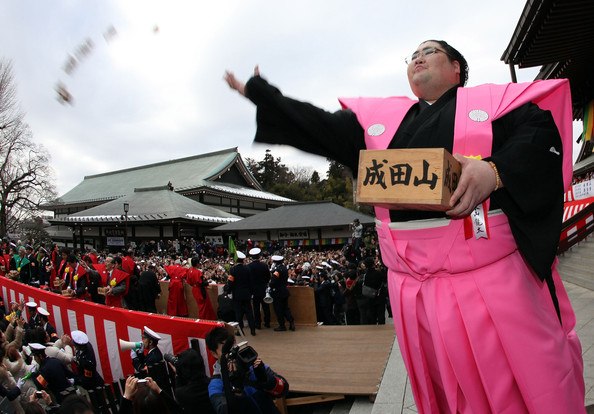
This ritual is usually performed by respected and influential figures in the city, such as popular artists, politicians, or sumo wrestlers. Dressed in traditional festive attire, they scatter soybeans wrapped in white paper from wooden boxes. The whole event is lively and energetic, with a large amount of beans being scattered. For example, at Narita-san Temple, where this ritual has been held for decades, about one ton of beans are scattered in a single day. And on February 4th, spring arrives.
Find the Best Professionals for Your Project
Expert repair, construction, and renovation specialists ready to help you right now
Recommended Galleries
Recommended articles


More Galleries
 Interesting Facts about Charlie Chaplin
 The Story of the Creation of The Lord of the Rings Trilogy
 Cats, by their very existence, refute the claim that everything in this world was created for humans. Paul Gray
 Suspension bridges are not for the faint of heart
 The World’s Most Expensive Store
 112 Years Ago, Clark Gable Was Born
 Flower Festival in Thailand: One of the Most Beautiful and Impressive Events in Thailand
 Who Is Uncle Sam? Uncle Sam emerged as a symbol of the United States during the Anglo-American War of 1812. American folklore suggests that the term "Uncle Sam" originated from a butcher named Samuel Wilson, who supplied provisions to the American army.
 Interesting Facts About Rain
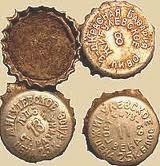 In the 1880s, corks used for sealing bottles of various beverages did not seal them tightly enough and often broke apart. As a result, the quality of the beverage was affected; carbon dioxide could not be retained inside the bottle, and air from outside entered. To address this issue,</p>\n "home_text": "<p>to solve this problem, American inventor William Painter from Baltimore, Maryland, invented a crown-shaped cork for sealing bottles. This cork sealed the bottle completely airtight. It had a
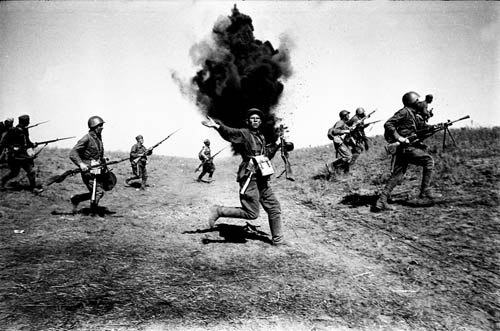 Russia's Day of Military Glory: The Day of Victory in the Battle of Stalingrad in 1943
 Happy is he who does not notice whether it is summer or winter now. Anton Chekhov