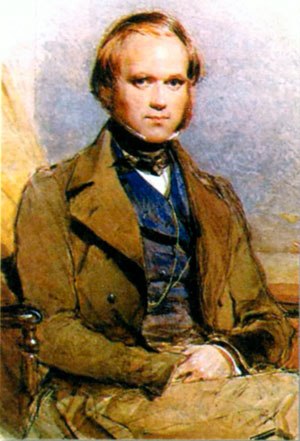
Charles Robert Darwin was born on February 12, 1809, in Shrewsbury, Shropshire. In 1831, he graduated from the University of Cambridge and later embarked on a round-the-world voyage aboard the ship HMS Beagle, which led to the publication of his "Journal of Researches" in 1839. In this journal,</p>\n "home_text": "<p>he was the first to describe numerous animals of South America, as well as island rodents, birds, and turtles. From 1838 to 1841, Darwin served as secretary of the London Geologica2 photos
he was the first to describe numerous animals of South America, as well as island rodents, birds, and turtles. From 1838 to 1841, Darwin served as secretary of the London Geological Society. In 1839, he married Emma Wedgwood, and they went on to have ten children. In 1842, the family moved to Down in Kent, where they settled permanently. In 1859, Darwin published his groundbreaking work "On the Origin of Species by Means of Natural Selection," which demonstrated that existing species of animals and plants evolved naturally from other species. In 1868, an extension to this first work was released titled "The Variation of Domestic Animals and Cultivated Plants."
In 1871, Darwin published the culmination of his lifelong research: "The Origin of Man and Sexual Selection," which established the theory that humans share a common animal origin. On April 19, 1882, the founder of the theory of evolution passed away. His body was buried beside Newton's tomb. Most scientists acknowledged Darwin's theory of evolution during his lifetime, and it has since become the cornerstone of modern evolutionary biology. Darwin himself described his life as follows: "I studied, then went on a voyage around the world, and later studied again—this is my biography." As for the concept of natural selection as the primary driving force behind evolution, it was not until the 1930s that this theory gained widespread acceptance among scientists.
Find the Best Professionals for Your Project
Expert repair, construction, and renovation specialists ready to help you right now
Recommended Galleries

Interesting Fact about the Colorful River
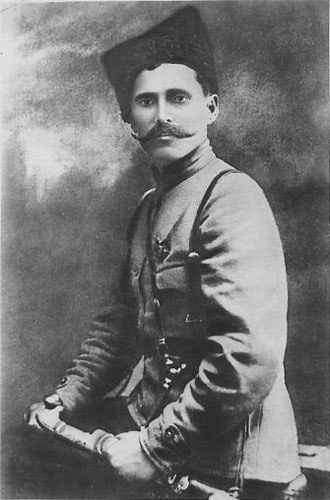
Vasily Ivanovich Chapayev was born on January 28, 1907, in the village of Budayka in Chuvashia. In the early fall of 1908, he was conscripted into the army, and at the beginning of World War I, he was mobilized to the front line. For his bravery and heroism, he was awarded the George Cross four times and promoted to the rank of second lieutenant.</p>\n "home_text": "<p>He received the George Cross for his valor and was promoted to the rank of second lieutenant. In 1917, after being wounded, he

The Ice Palace. Snow and Ice Festival in Sapporo, Japan

Bangkok, Thailand
Recommended articles



More Galleries
- Interesting Fact about the Colorful River
- Vasily Ivanovich Chapayev was born on January 28, 1907, in the village of Budayka in Chuvashia. In the early fall of 1908, he was conscripted into the army, and at the beginning of World War I, he was mobilized to the front line. For his bravery and heroism, he was awarded the George Cross four times and promoted to the rank of second lieutenant.</p>\n "home_text": "<p>He received the George Cross for his valor and was promoted to the rank of second lieutenant. In 1917, after being wounded, he
- The Ice Palace. Snow and Ice Festival in Sapporo, Japan
- Bangkok, Thailand
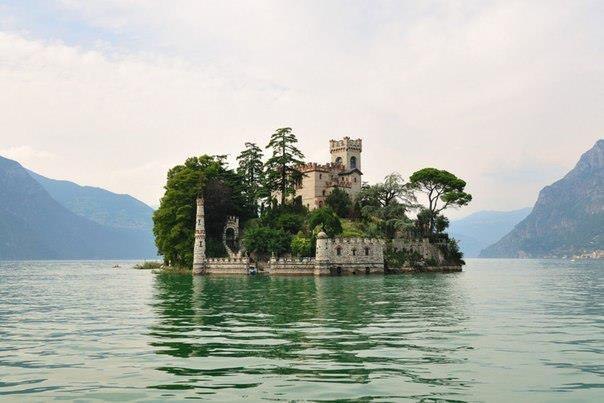 Lago d’Iseo, Lombardy, Italy
 Barcelona, Spain
 Bora-Bora Island from a bird's-eye view
 An Interesting Fact About Badminton: Badminton is the second most popular sport after football. The fastest racket can reach speeds of up to 300 km/h. Since 1992, Asian players have won 42 out of 46 Olympic medals. Over 1 billion people watched the first Olympic badminton tournament.</p>\n "home_text": "<p>Watch badminton matches on television. During a match, the shuttlecock is hit approximately 400 times. The shortest match ever lasted for 4 minutes, while the longest match took 124 minutes.
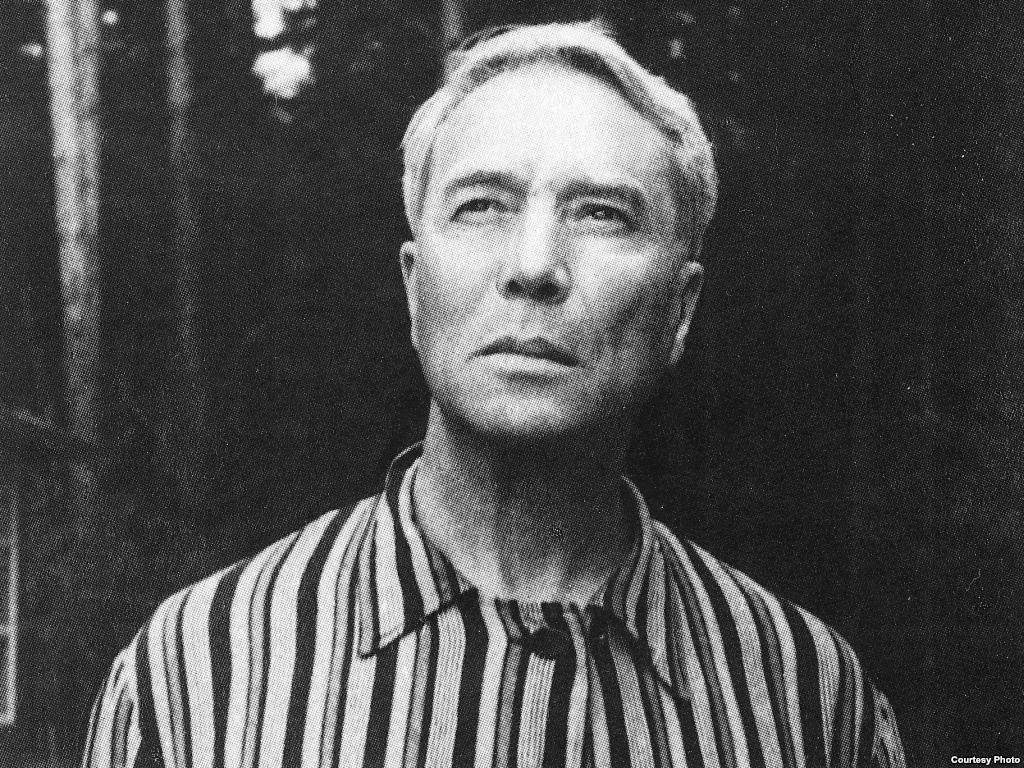 123 Years Ago: Boris Pasternak Was Born (January 29) on February 10, 1890, in Moscow
 82 Years Ago, New Delhi Became the Capital of India
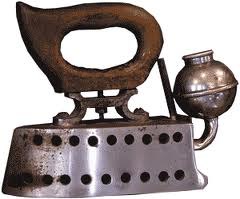 377 Years Ago: The First Documentary Mention of the Iron Ironing boards were invented a very long time ago. In the 4th century BCE, in ancient Greece, people used hot metal rods to crease and smooth clothes.
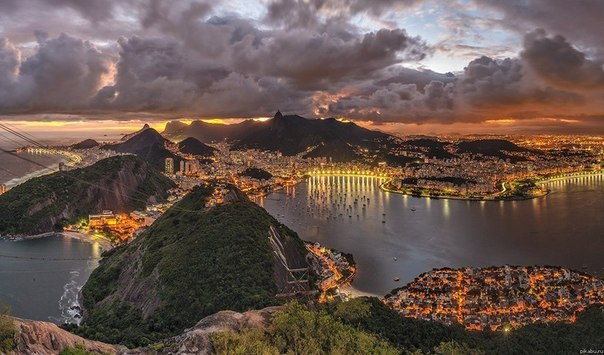 Evening in Rio-de-Janeiro, Brazil