Possessive Pronouns2 photos
Courthouse Buildings
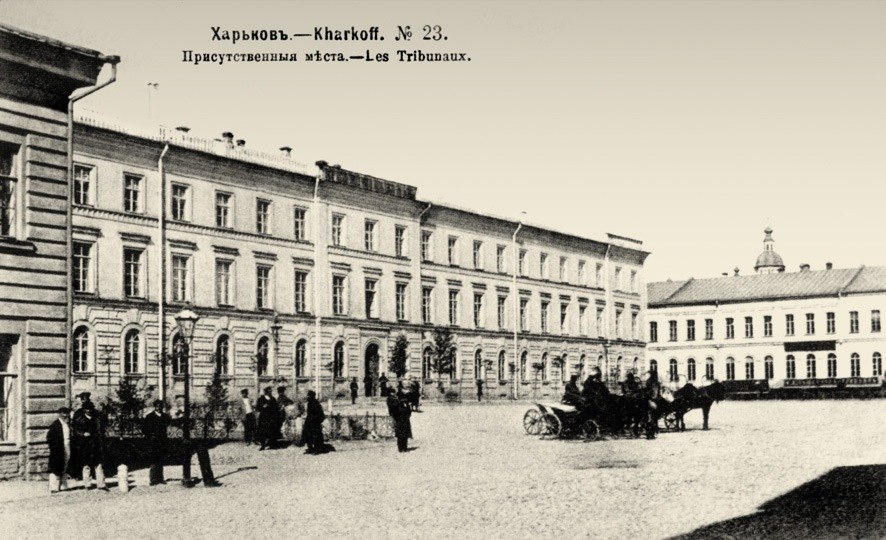
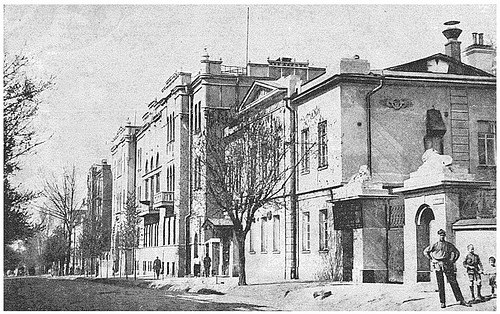
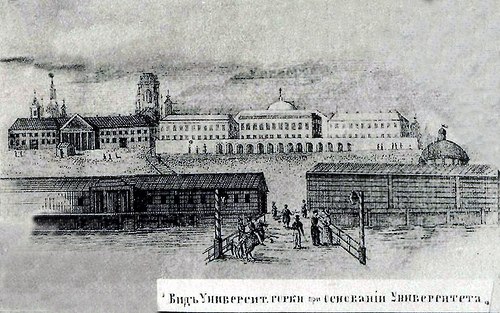
In the 18th century, six one-story buildings were constructed opposite the Uspensky Cathedral on University Hill, according to the design of architect P. A. Yaroslavsky. In 1785, the old wooden houses were demolished, and construction began on two- or three-story stone courthouse buildings,
presumably based on the designs of Italian architect Giacomo Antonio Dominico Quarenghi. However, the construction process was lengthy, and changes were made to the original plan by the St. Petersburg architect A. D. Zakharov. In 1805, the Governor’s Office was moved into these buildings, although they were never fully completed. The building featured a concave semicircular facade, and with its completion, the Soborna Square was established.
In 1850, Governor S. A. Kokoshkin decided to demolish the unfinished building. Between 1850 and 1854, a new courthouse was constructed on the same site. This new building was entirely three stories tall and had a straight facade, in contrast to its predecessor. After the revolution, various organizations were housed there, including the Kharkov Regional Committee of the Communist Party (Bolsheviks), the Regional Executive Committee, and the Regional Committee of the Comsomol.
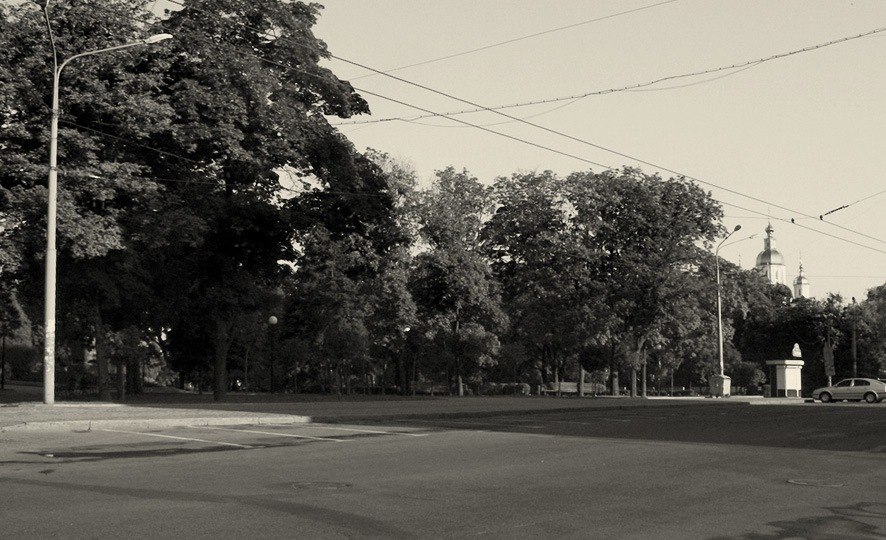
The Kharkov Council of Workers’ and Soldiers’ Deputies also had its offices there. In 1928, all these organizations were relocated to the Gosprom building, and the vacant courthouse was reconstructed and completed by architects A. A. Tatsiy, I. Y. Karakis, A. M. Kasyanov, and artist V. G. Meleeer in the style of constructivism. After the renovation, the building became the All-Ukrainian House of the Red Army, named after K. E. Voroshilov. During the Battle of Kharkov in 1941, this building played a crucial role in the city’s defense but was severely damaged in the fighting. Ten years later, the burned-out shell of the building was demolished, and a square called “Eternal Flame” was established in its place.
Source: vk.com/old_kharkov
#1stolica_history
In the 18th century, six one-story buildings were constructed opposite the Uspensky Cathedral on University Hill, according to the design of architect P. A. Yaroslavsky. In 1785, the old wooden houses were demolished, and construction began on two- or three-story stone courthouse buildings,
presumably based on the designs of Italian architect Giacomo Antonio Dominico Quarenghi. However, the construction process was lengthy, and changes were made to the original plan by the St. Petersburg architect A. D. Zakharov. In 1805, the Governor’s Office was moved into these buildings, although they were never fully completed. The building featured a concave semicircular facade, and with its completion, the Soborna Square was established.
In 1850, Governor S. A. Kokoshkin decided to demolish the unfinished building. Between 1850 and 1854, a new courthouse was constructed on the same site. This new building was entirely three stories tall and had a straight facade, in contrast to its predecessor. After the revolution, various organizations were housed there, including the Kharkov Regional Committee of the Communist Party (Bolsheviks), the Regional Executive Committee, and the Regional Committee of the Comsomol.
The Kharkov Council of Workers’ and Soldiers’ Deputies also had its offices there. In 1928, all these organizations were relocated to the Gosprom building, and the vacant courthouse was reconstructed and completed by architects A. A. Tatsiy, I. Y. Karakis, A. M. Kasyanov, and artist V. G. Meleeer in the style of constructivism. After the renovation, the building became the All-Ukrainian House of the Red Army, named after K. E. Voroshilov. During the Battle of Kharkov in 1941, this building played a crucial role in the city’s defense but was severely damaged in the fighting. Ten years later, the burned-out shell of the building was demolished, and a square called “Eternal Flame” was established in its place.
Source: vk.com/old_kharkov
#1stolica_history
Find the Best Professionals for Your Project
Expert repair, construction, and renovation specialists ready to help you right now
Recommended Galleries
Recommended articles



More Galleries
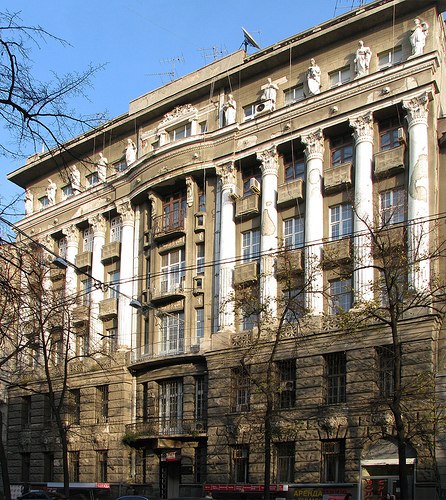 82 Sumskaya Street. Former Moshevich Income House (1914). <br>Style: Neorenaissance.
 On the level of education
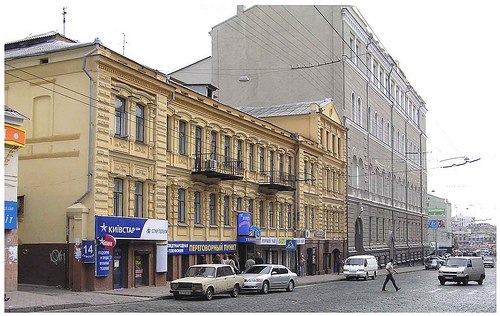 The Story of One House at 14 Sumskaya Street
 #
#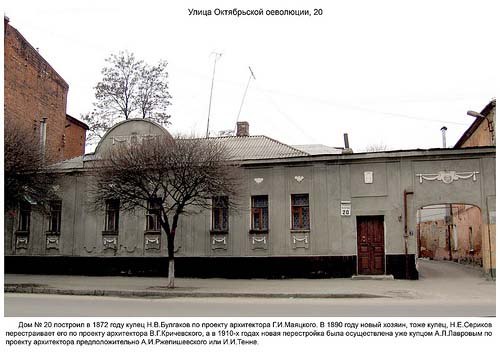 20 Oktyabrskoy Revolutsii Street
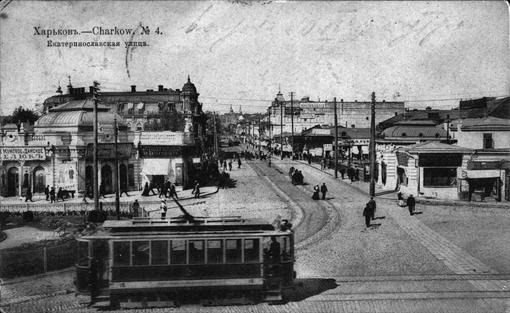 Office District – a sanctuary for the old city of Kharkov<br>(How Zalopan’, a rural area once, <br>became a prestigious commercial district.)
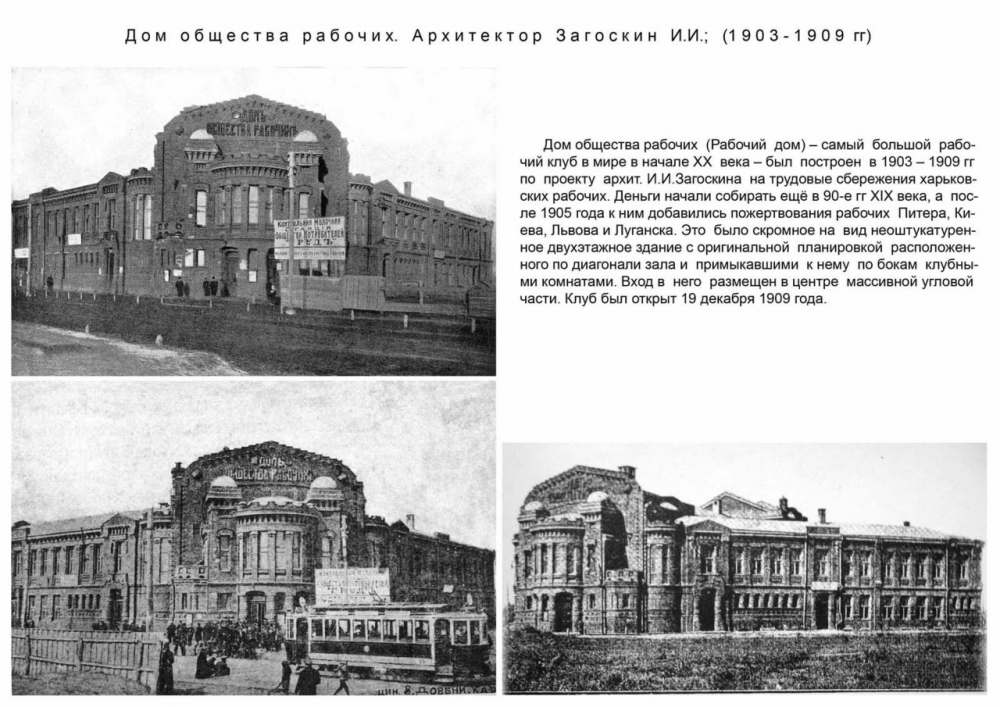 「The Workers' Home」
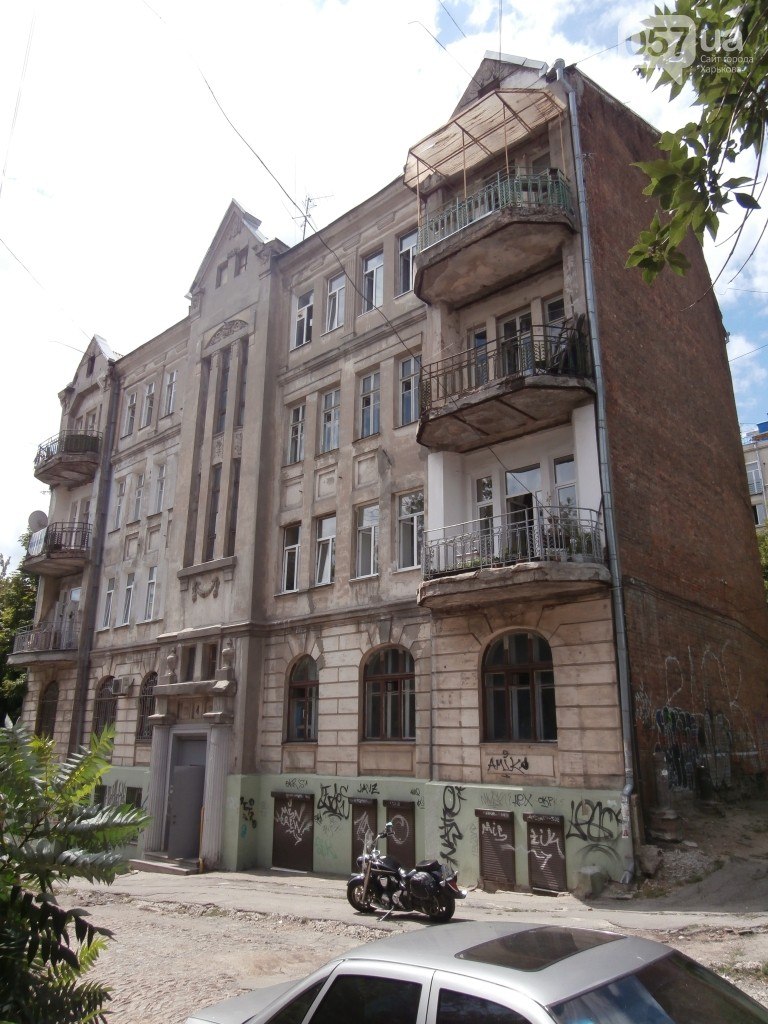 A House with a Mini-Temple inside It, That “Participated”<br>(Translation by Vorobeyeva, Part 2)
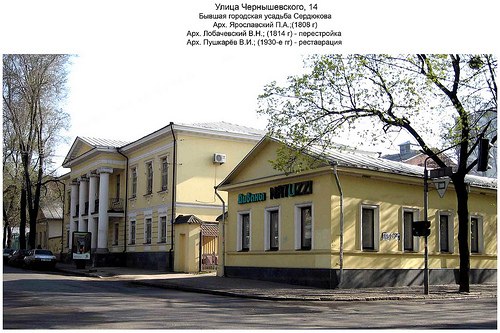 #### 14 Cheryshevskaya Street
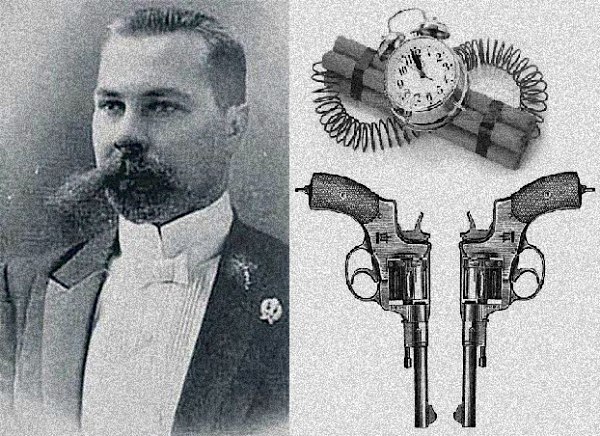 “The Defense of Ukraine” and Nikolai Mikhnovsky
 Opening Markets
 The Missing Rows