The Business Behind the Razor Blade: How King Camp Came Up with the Idea That Would Change the World2 photos
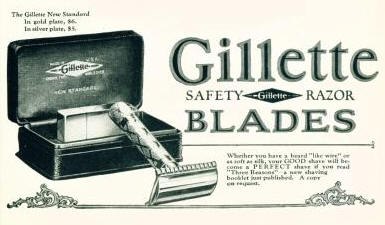
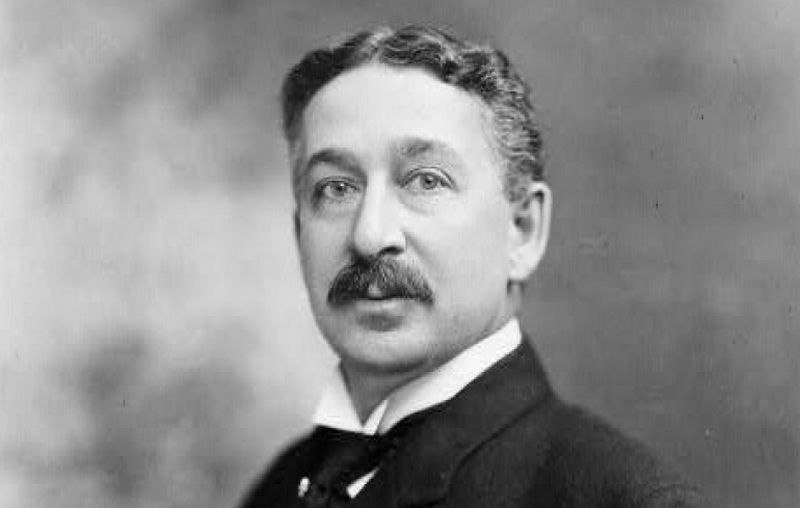
King Camp Gillette, the inventor of the disposable razor and founder of the company that bears his name, proved that big profits can be made from everyday items (even those that seem cheap) if they are designed innovatively. Just like a simple rubber stopper. Remarkably, King Camp Gillette didn’t establish his successful business until he was fifty years old. Before that, he had spent 30 years as a traveling salesman.
The future “razor king” (his parents aptly named him King) was born in 1855 in the small town of Fond du Lac, Wisconsin. His father, who owned a hardware store, was obsessed with inventing and constantly improved everything he came across. King Camp Gillette followed in his footsteps. After his father’s shop was destroyed by fire in 1871, he got a job as a patent agent in New York City. There, at the age of 16, King Camp Gillette began earning his own money by working as a salesman for a hardware company.
For many years, he traveled throughout the United States, selling all kinds of goods. This experience gave him invaluable skills in persuasion, which proved to be crucial later in his life.
Throughout this time, he kept inventing: a novel valve made of soft rubber, a water faucet mechanism with a piston and barrel, several types of electrical conductors, and more. These inventions were useful, but they didn’t bring him much profit. Later, Gillette admitted that he lacked the time and money to promote his innovations himself, so others took credit for them.It was his boss, William Painter, owner of the Baltimore-based company Crown Cork & Seal, who gave Gillette the idea for his groundbreaking invention. Painter had invented a popular rubber stopper for bottle caps.p>The next morning, while performing his daily routine, King Camp Gillette had a sudden epiphany: he imagined what his future razor would look like. In that moment, many questions popped into his head, but the answers came immediately, as if it were all happening in a dream.
He noticed that only a thin blade was actually used for shaving, while the rest of the razor holder was just there to support it. He realized that producing the handle also required time and money. Why not design a cheaper, more efficient way to hold the blade?p>Later that same day, he came up with the idea of a disposable razor with a double-edged blade and a T-shaped handle.
Find the Best Professionals for Your Project
Expert repair, construction, and renovation specialists ready to help you right now
Recommended Galleries
Recommended articles



More Galleries
 89 Years Ago, Petrograd Was Renamed Leningrad: Russia’s Most Beautiful City with Federal Importance, a Heroic City, and a Center of Science and Culture, as Well as a Major Sea Port
 Best Nature Photos of 2012
 Interesting Facts about the Eiffel Tower
 A Tour Through History: Soviet Cameras
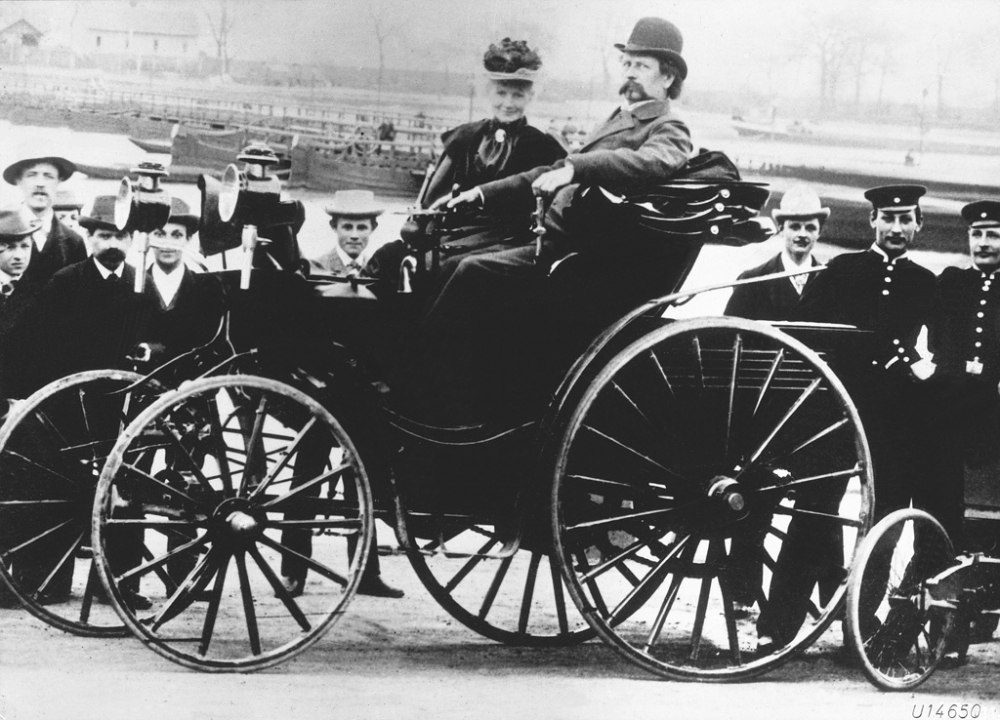 The Baby Carriage of Little Bertha
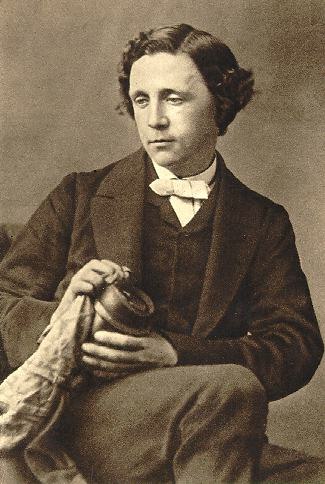 Lewis Carroll (whose real name was Charles Lutwidge Dodgson) was born on January 27, 1832, into the family of a parish priest in Cheshire. At the age of 12, he enrolled in a private school near Richmond and a year later continued his education at Rugby School. In 1851, Carroll...
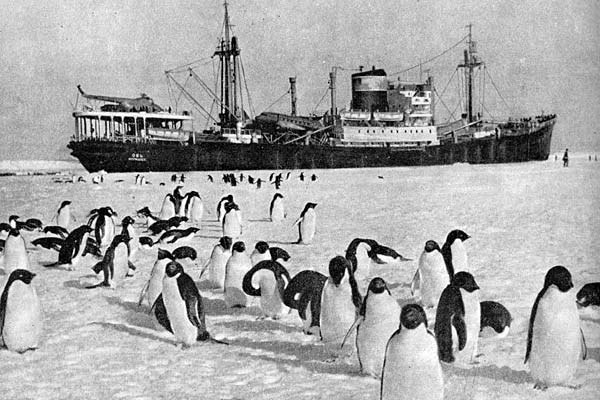 With the blessing of Tsar Alexander I, in July 1819, the first Russian Antarctic expedition set sail from Kronshadt. Its leader was Captain Second Rank Faddey Faddeevich Bellingshausen, who also commanded the three-masted schooner *Vostok*.</p>\n "home_text": "<p>Tenent Mikhail Petrovich Lazarev served as captain of the schooner *Mirny*. The task assigned to these experienced sailors was extremely challenging: they had to advance as close as possible to the South Pole at any cost, while “discov
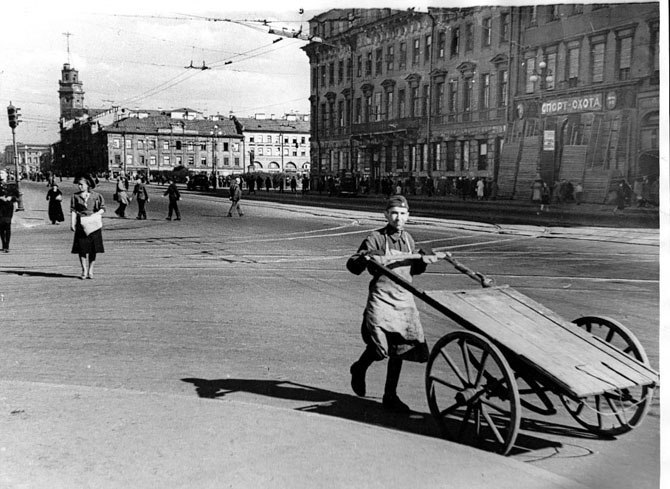 Russia's Day of Military Glory: The Day the Blockade of Leningrad was Lifted (1944)
 Interesting Facts about Pizza
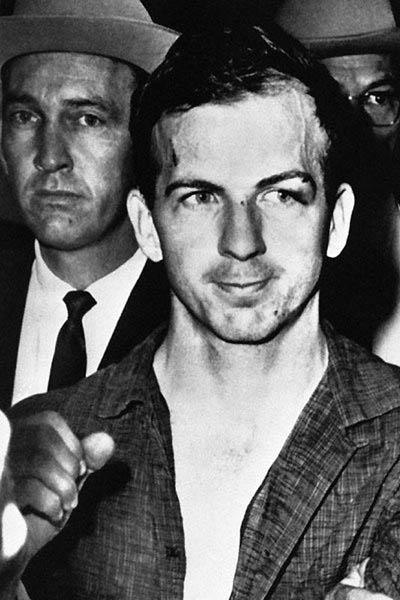 Smiles of the World's Most Famous Assassins: The Happy Faces of Successful and Confident People on the Faces of Maniacs, Killers, and Terrorists
 Interesting Facts from American Legislation
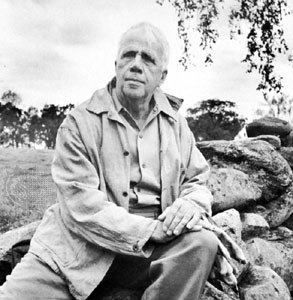 Robert Frost, America's Greatest Poet