Russia's Day of Military Glory: The Day of Victory in the Battle of Stalingrad in 19433 photos
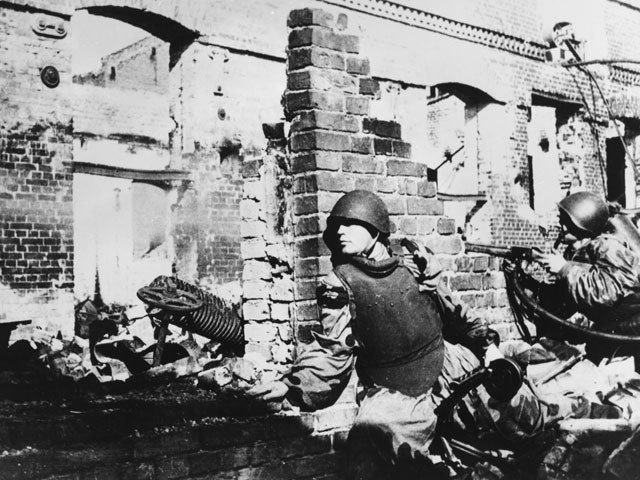
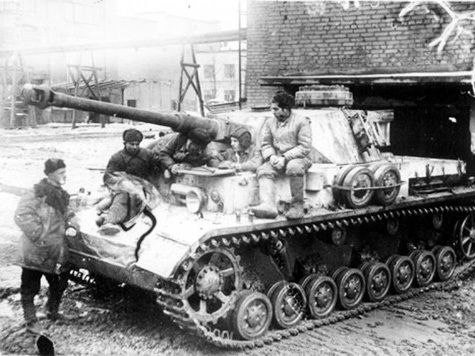
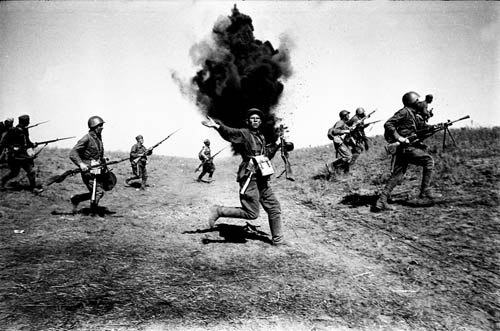
The German command's plans for the summer of 1942 included defeating the Soviet forces in the southern part of the country. On July 17, 1942, the first phase of the Battle of Stalingrad began. Specifically, Hitler's plans were to seize the oil-rich regions of the Caucasus, the fertile agricultural areas of the Don and Kuban, disrupt the communications linking the heart of the country with the Caucasus, and create the conditions for a victory in their favor. This task was assigned to Army Groups 'A' and 'B'. Just four months later, the Soviet forces launched a decisive counteroffensive around Stalingrad. The fall of the city would have meant not only a military but also an ideological defeat.
The battles were fought for every neighborhood, for every building; the city's central train station changed hands 13 times. On January 31, 1943, German Field Marshal Friedrich Paulus surrendered. The 200 heroic days of Stalingrad's defense went down in history as some of the most bloody and brutal. During the defense, over 700,000 Soviet soldiers and officers lost their lives or were wounded.
Find the Best Professionals for Your Project
Expert repair, construction, and renovation specialists ready to help you right now
Recommended Galleries
Recommended articles




More Galleries
 Favorite Books of Famous People
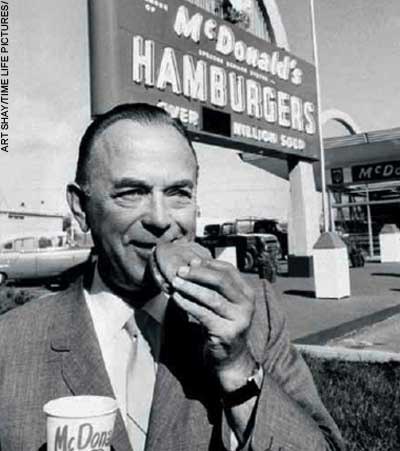 Ray Kroc: The American Businessman Who Turned a Small Restaurant into a Global Fast-Food Chain
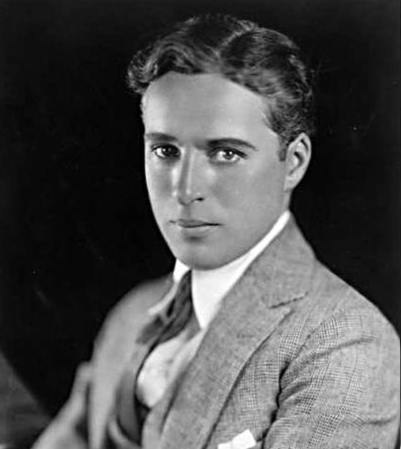 Interesting Facts about Charlie Chaplin
 The Story of the Creation of The Lord of the Rings Trilogy
 Cats, by their very existence, refute the claim that everything in this world was created for humans. Paul Gray
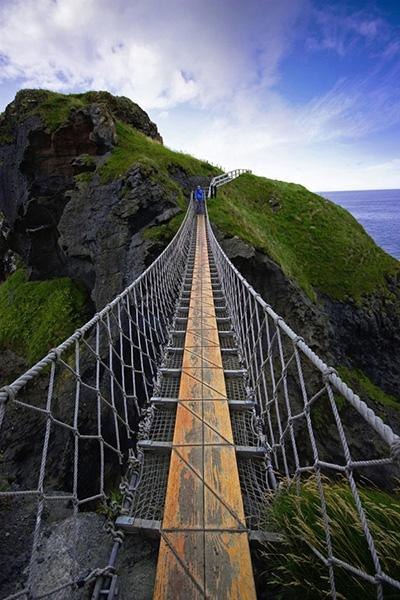 Suspension bridges are not for the faint of heart
 The World’s Most Expensive Store
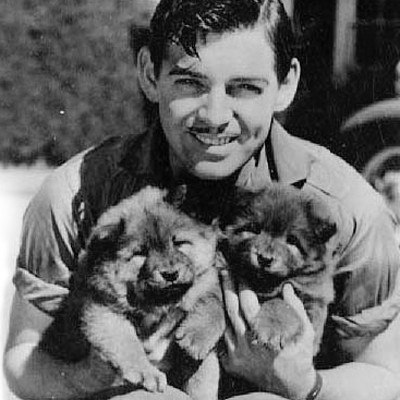 112 Years Ago, Clark Gable Was Born
 Flower Festival in Thailand: One of the Most Beautiful and Impressive Events in Thailand
 Who Is Uncle Sam? Uncle Sam emerged as a symbol of the United States during the Anglo-American War of 1812. American folklore suggests that the term "Uncle Sam" originated from a butcher named Samuel Wilson, who supplied provisions to the American army.
 Interesting Facts About Rain
 In the 1880s, corks used for sealing bottles of various beverages did not seal them tightly enough and often broke apart. As a result, the quality of the beverage was affected; carbon dioxide could not be retained inside the bottle, and air from outside entered. To address this issue,</p>\n "home_text": "<p>to solve this problem, American inventor William Painter from Baltimore, Maryland, invented a crown-shaped cork for sealing bottles. This cork sealed the bottle completely airtight. It had a