Levantamientos de pesas: ¿para quién son necesarios? Descubra este nuevo ejercicio.2 fotos
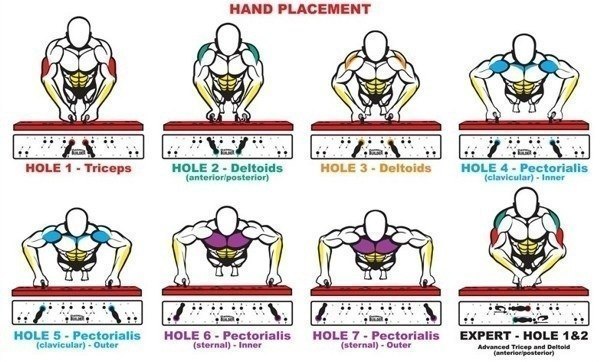
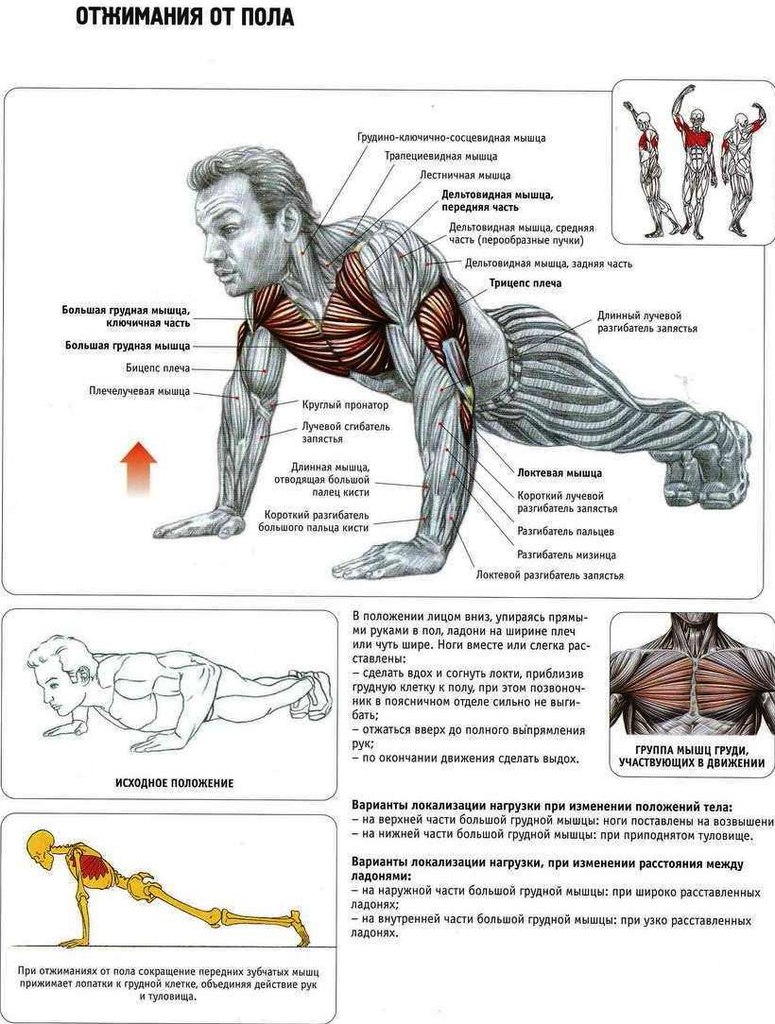
It will bring you immense benefits. Imagine this scenario: you enter an English bar to have a pint of beer. Well, bars in England are rather peculiar places – people there do all sorts of things, but they certainly don’t drink alcohol. They watch football on TV, engage in endless discussions about various topics, and occasionally test each other’s strength. Right in front of you is a burly guy, completely shaved head, with a jaw that seems designed for cracking nuts. But you’re no slouch either – you have 50-centimeter biceps and broad shoulders. So, in keeping with the local atmosphere, you propose to compete with him in seeing who can do more push-ups. The guy understands you immediately and starts doing push-ups: 10, 50, 150… 1000! My goodness, who have you met? That’s Paddy Doyle, a former street thug who has now become a respected world champion in bench presses! He holds almost all the world records in this discipline. Once, he managed to do 4100 push-ups with a 23-kilogram box tied to his back. A few years ago, he did 7860 consecutive push-ups in a pub! His hourly record is 1700 push-ups, and his daily record is an astonishing 37000! That’s right – in just one day, this 40-year-old champion managed to do thirty-seven thousand push-ups! Whenever, wherever you are, push-ups are simply “bench presses done in reverse”. They involve multiple muscle groups, but mainly the chest and triceps. Additionally, other muscles such as the deltoids, forearms, wrist muscles, lower back muscles, abs, and quadriceps also get involved indirectly. Of course, from a purely anatomical perspective… But what does a qualified sports physiologist, a professor of sports medicine, and an amateur bodybuilding champion like Bob Lefavie have to say about this? “In fact, almost the entire body’s muscle mass is involved in push-ups. Some muscles are actively engaged in the movement, while others are statically strained to maintain the body’s upright position. But what matters is that push-ups have a tremendous metabolic impact on the whole organism – they’re just as effective as squats!” The large chest muscles are unique among all muscle groups; their fibers run in one direction, whereas the chest muscles’ fibers spread out in a fan shape from the clavicle. Therefore, any exercise that involves these fibers necessarily targets only a part of them. Adding to this the individual differences in each person’s physique… well, it’s no wonder that amateur athletes often have less developed chests. Exercises like regular bench presses target the same areas of the chest, leaving other parts neglected. exercises with bars and dumbbells offer limited mobility. But push-ups allow you to target any desired part of the chest easily. Just adjust the position of your hands slightly – wider or narrower, further forward or back – and you can exercise the specific areas you need to work on. If someone argues that using one’s body weight alone is not a serious form of exercise… well, think again! Push-ups at the end of a training session can be extremely intense. For example, Kevin Lebron uses this technique at the end of his workouts. Moreover, he always practices the “female” version of this exercise – kneeling. He simply doesn’t have the strength for the regular version! Push-ups come in various forms. The idea that they should only be done when you don’t have access to weights is completely wrong. Push-ups are a fundamental exercise, and they lack one of the main drawbacks of fancy exercises: they’re simple and effective. In fact, no one uses weights when doing push-ups – after all, a 23-kilogram box tied to your back isn’t very practical! Moreover, the position of standing on your hands is a completely natural position for a man. Sometimes, you really feel like just lying down on the ground and doing thirty or forty push-ups for pure enjoyment. Of course, in bodybuilding, push-ups have specific purposes. They should be done mainly for shaping the muscles. To achieve this, you should remove your shirt and let someone observe you while you perform the exercises. Find the version of push-ups that targets specifically your weak areas. Doing push-ups just to set ridiculous records is pointless. Always remember that push-ups are “bench presses in reverse”. Push-ups with your head up stimulate the upper part of the chest, while those with your head down target the lower part. With your hands wide apart, you exercise the outer parts of the chest; whereas with your hands closer together, you focus on the inner areas. Push-ups using your knees as support allow you to work on the outer sides of the chest. However, it has been observed that the greatest effect is achieved when your hands and feet are placed on a high surface. In this position, you descend lower than usual, which stretches your chest muscles to the maximum extent. This stretching is essential for defining the outer contours of your chest. Push-ups with one hand are an even more advanced technique. After practicing them for a month, your chest will look as if it has been carefully shaped by a professional. The idea that push-ups should be included in a training routine at home is also popular. It’s claimed that they greatly enhance basic training. Give it a try! If you train your chest once a week, add just one home exercise to your routine and observe how your body reacts. If you don’t feel any excess strain, add a second one, and then a third. Train in this manner for 3-4 weeks, and then return to the original routine with just one additional exercise at home.
Encuentre los mejores profesionales para su proyecto
Especialistas en reparación, construcción y renovación listos para ayudarle
Galerías recomendadas
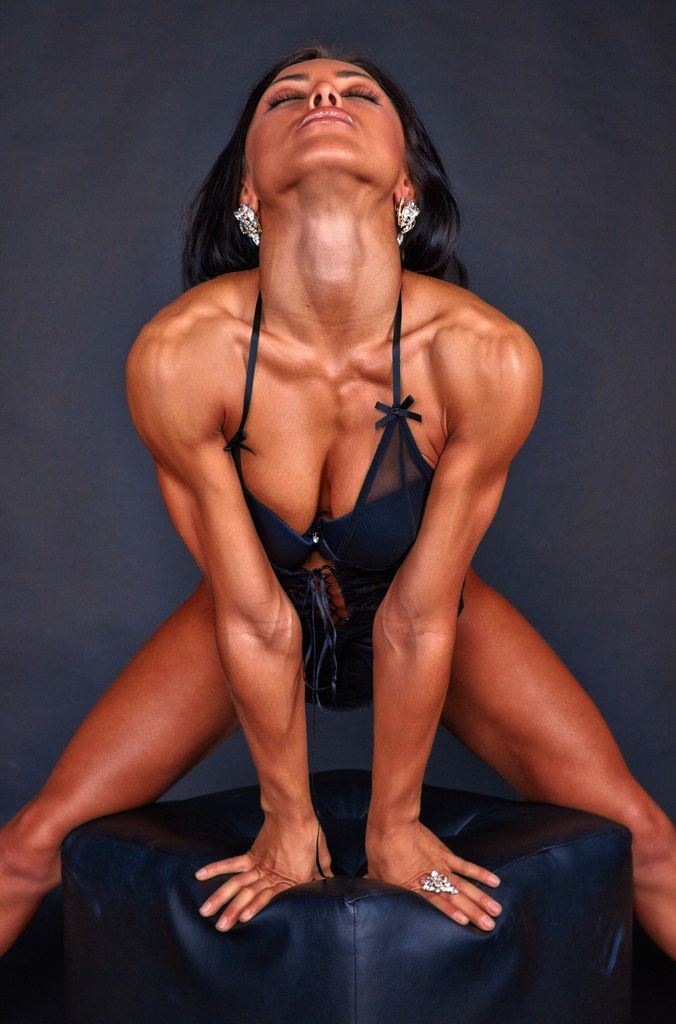
Victoria Yartym. País: Ucrania<br>Ciudad: Kiev<brFecha de nacimiento: 06.
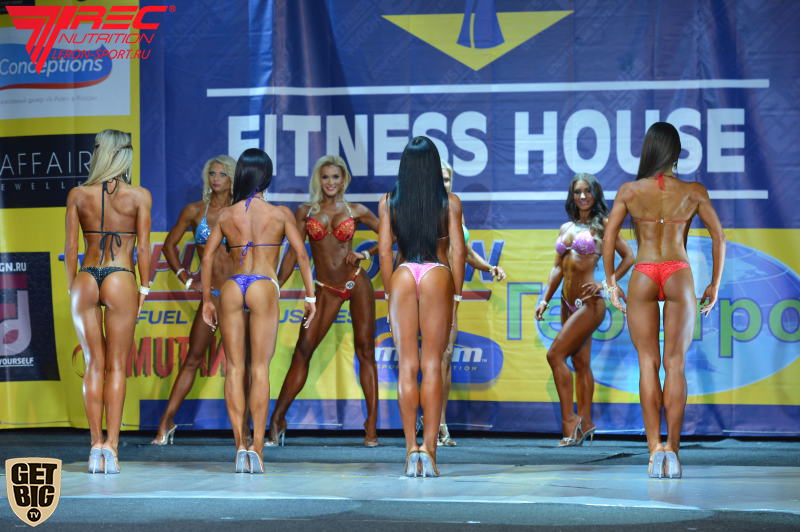
Resultados del Gran Premio Fitness House-2013.
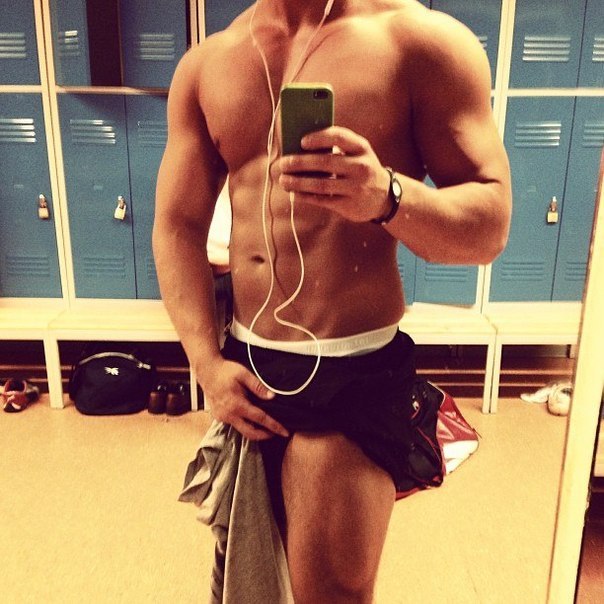
Los científicos de la NASA han desarrollado un brazalete magnético para el ejercicio físico que mejora la circulación sanguínea, la coordinación de los movimientos, la atención y otros aspectos generales del rendimiento humano.
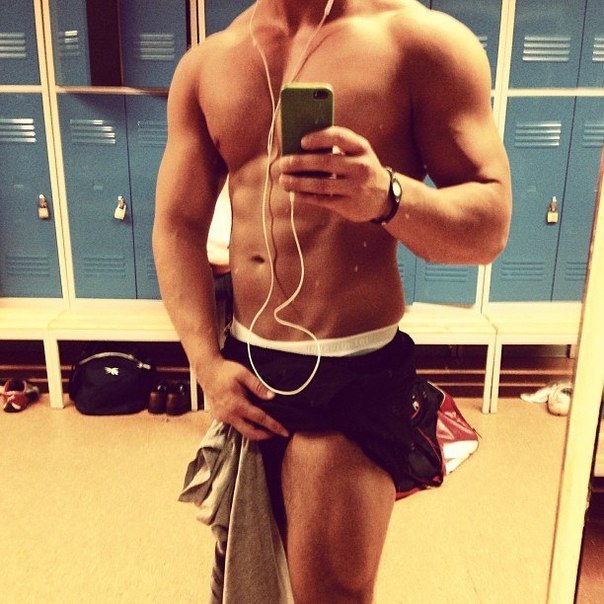
Científicos de la NASA han desarrollado un brazalete magnético destinado al uso en actividades deportivas, que mejora la circulación sanguínea, la coordinación de los movimientos, la concentración y otros aspectos generales del rendimiento humano.
Artículos recomendados




Más galerías
- Victoria Yartym. País: Ucrania<br>Ciudad: Kiev<brFecha de nacimiento: 06.
- Resultados del Gran Premio Fitness House-2013.
- Los científicos de la NASA han desarrollado un brazalete magnético para el ejercicio físico que mejora la circulación sanguínea, la coordinación de los movimientos, la atención y otros aspectos generales del rendimiento humano.
- Científicos de la NASA han desarrollado un brazalete magnético destinado al uso en actividades deportivas, que mejora la circulación sanguínea, la coordinación de los movimientos, la concentración y otros aspectos generales del rendimiento humano.
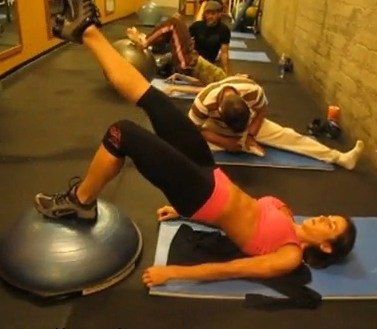 Entrenamiento de las piernas apoyándose en los glúteos.
 Presentamos a su atención la camiseta SFAP “Sin base no hay resultados”.
![[club1543502|Calle Moscú, números 18 y 20].](/storage/images/mixx/2013-11/f47a1458a1106c85.jpg) [club1543502|Calle Moscú, números 18 y 20].
[club1543502|Calle Moscú, números 18 y 20].![[club1543502|La Casa del Pez Dorado o la Segunda Casa de Járkov con quimeras] (a la derecha del teatro).](/storage/images/mixx/2013-11/a489e24ae00529f1.jpg) [club1543502|La Casa del Pez Dorado o la Segunda Casa de Járkov con quimeras] (a la derecha del teatro).
[club1543502|La Casa del Pez Dorado o la Segunda Casa de Járkov con quimeras] (a la derecha del teatro).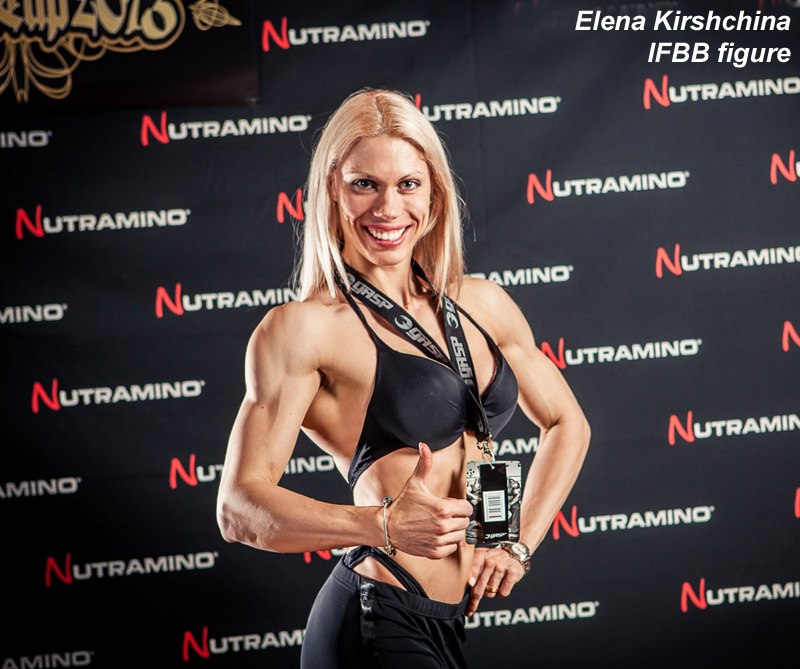 Elena Kirshchina<br>Campeona de Rusia<br>2º puesto en el Arnold Classic de Madrid.
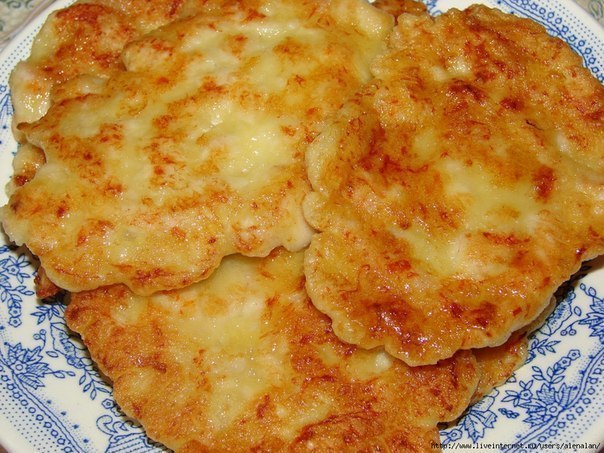 Deliciosas tortillas de pollo. Muy ricas y sabrosas tortillas de pollo.
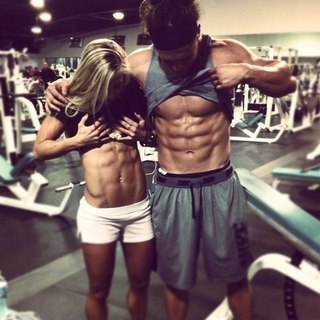 La mejor motivación para que un hombre alcance cualquier éxito siempre será tener a una mujer digna a su lado.
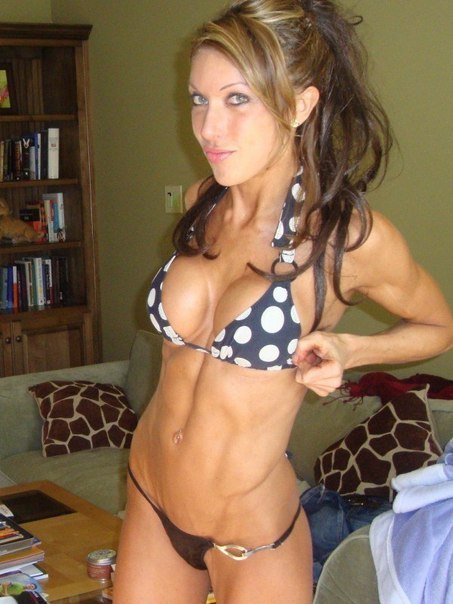 Laura Harris (ChickenTuna): Entremoto de estaciones…